Find the Best Used Cooking Oil Collection Companies for Your Business
No obligation • Fast responses • Nationwide coverage

Why you can trust Restaurant Waste Disposal
Restaurant Waste Disposal is a leading U.S. resource for comparing restaurant composting, food-waste recycling, grease trap cleaning, and used cooking oil collection services. Our editorial team researches providers, checks credentials, and organizes unbiased information so operators can make informed decisions. Companies cannot pay to change ratings or placement.
Search providers near you
Top Used Cooking Oil Collection Companies in St Louis, Missouri Ranked
For St. Louis restaurants, managing used cooking oil (UCO) is a critical operational task that, when handled correctly, supports sustainability, safety, and even potential revenue. The City of St. Louis does not provide municipal collection for this material, so establishments must partner with licensed, third-party recycling companies. Proper grease management involves a systematic approach: safely storing cooled oil, scheduling regular professional pickups, and ensuring your grease trap is maintained. This process not only keeps your kitchen compliant and clean but also transforms a waste product into valuable renewable resources like biodiesel. Navigating the local providers and regulations is key to an efficient and beneficial program.
Ace Grease Service
9035 IL-163, Millstadt, IL 62260
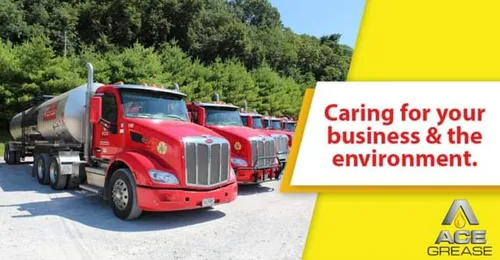
Ace Grease Service is a family-owned company based near St Louis, MO, specializing in used cooking oil collection and grease trap cleaning. With over 31 years of experience, they serve restaurants, hotels, hospitals, penal institutions, and large food manufacturing plants across nine Midwest states. Their services include collecting used cooking oil and cleaning grease traps to help keep kitchens and sewer systems free of fats, oils, and grease. Ace Grease processes and recycles the collected oil into products like plastics, soaps, livestock feed, and biodiesel fuel. They operate a fleet of advanced trucks and equipment to support their service coverage.
Liquid Environmental Solutions
6400 McKissock Ave, St. Louis, MO 63147
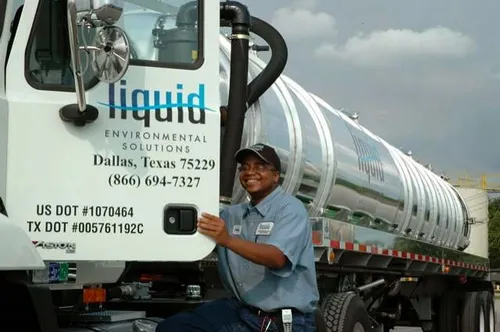
Liquid Environmental Solutions is a non-hazardous liquid waste management company based in St Louis, MO. They offer services including used cooking oil collection, grease trap and interceptor cleaning, oil water separator and grit trap cleaning, and wastewater disposal. Serving restaurants, grocery stores, convenience stores, and automotive service businesses, they focus on recycling a high percentage of the food waste they collect. Founded over twenty years ago, the company emphasizes compliance and environmental stewardship in their operations.

Grease Masters
1818 Scherer Pkwy, St Charles, MO 63303
Grease Masters provides commercial kitchen cleaning and maintenance services in St Louis, MO. Their offerings include grease trap cleaning, used cooking oil removal, hydro excavation, exhaust hood cleaning, sewer and drain cleaning, and plumbing repairs. They serve a variety of businesses such as restaurants, commercial kitchens, convenience stores, oil and gas companies, construction businesses, and government agencies. The company uses advanced cleaning methods to meet local and state regulations and schedules work to minimize disruption to clients' operations.
Why Professional Grease Collection is Essential
Pouring used fryer oil down the drain or into the trash is a recipe for costly problems. In St. Louis, as elsewhere, improper disposal is a leading cause of sewer blockages and can lead to significant fines from municipal authorities 1. It also creates environmental hazards and attracts pests. Professional used cooking oil collection services provide a legal, safe, and responsible outlet for this material. Licensed haulers ensure the oil is collected in sealed containers and transported to facilities where it is processed and recycled, keeping it out of the local wastewater system and landfill 2 3. This partnership is a cornerstone of responsible commercial kitchen management.
Local Providers and Services
Several established companies serve the St. Louis metro area, offering comprehensive grease collection and recycling programs. Common providers include Grease Masters, Mahoney Environmental, and Millstadt Rendering Company. These services typically include:
- Container Provision: Companies often supply secure, leak-proof collection bins or barrels for free as part of their service agreement.
- Scheduled Pickups: They establish a regular collection schedule (e.g., weekly, bi-weekly) based on your kitchen's volume, ensuring oil doesn't accumulate and become a storage issue.
- Grease Trap Services: Many providers also offer complementary grease trap cleaning and maintenance, which is a separate but equally vital part of kitchen grease management.
- Recycling Assurance: The collected oil is filtered and purified at dedicated facilities to be converted into products like renewable diesel, industrial lubricants, or animal feed ingredients.
Best Practices for Storage and Handling
Safe and proper storage is crucial for kitchen safety, oil quality, and efficient collection. Following these guidelines protects your staff and can maximize the value of your oil.
Cooling and Transfer: Always allow oil to cool below 120°F before transferring it from fryers to storage containers. This minimizes the risk of severe burns and prevents damage to plastic collection bins.
Container Management: Use only the designated, secure containers provided by your hauler. These are designed to be leak-proof and have tight-fitting lids to prevent contamination from rainwater or debris, which can degrade the oil's quality. Containers should be stored on a stable, level surface, either indoors in a designated area or outdoors with easy access for collection trucks.
Preventing Contamination and Theft: Staff should scrape food debris from cookware before washing to prevent solids from entering the oil storage container. Keep containers locked or in a secured area when possible to prevent unauthorized dumping or theft, which has become an issue for some businesses.
Find the perfect used cooking oil collection companies for your needs
Get personalized recommendations and expert advice
The Recycling Journey: From Fryer to Fuel
Understanding what happens after pickup highlights the environmental benefit of your participation. The process is a clear example of a circular economy in action.
- Collection: A service technician collects the full containers from your location, swapping them for clean, empty ones to maintain your cycle.
- Transportation: The oil is transported in specialized trucks to a regional processing facility.
- Processing and Purification: At the facility, the used cooking oil undergoes filtration to remove food particles and water. It is then purified to meet strict standards for recycling 4.
- Transformation: The cleaned oil becomes a feedstock for various industries. Its primary destination is often a biodiesel refinery, where it is chemically converted into a clean-burning renewable diesel fuel 5 6. This biodiesel can power trucks, buses, and other equipment, directly reducing reliance on fossil fuels.
Understanding Costs and Potential Revenue
The financial model for used cooking oil collection can vary. Many providers structure their services so there is little to no direct cost for pickup, especially for establishments generating consistent volumes. The service is often free if you produce under a certain amount of oil per month, as the recycler's revenue comes from selling the processed feedstock.
For larger-volume producers, there is potential to earn a rebate. The key factor is oil quality. Clean, well-managed oil with low contamination (food solids, water) is more valuable to processors. Some St. Louis-area services, like Millstadt Rendering, offer fair payments for high-quality oil 7 8. While rebate rates fluctuate with commodity markets, they can range from $0.40 to $0.65 per gallon for substantial volumes, providing a small revenue stream that can offset other operational costs 9. It's important to discuss pricing and rebate structures directly with service providers.
Compliance and Safety in St. Louis
While there is no single city-wide permit specifically for storing used cooking oil, businesses must adhere to general safety and environmental codes. This makes using a licensed hauler critical, as they assume liability for proper transportation and recycling. Key local expectations include:
- Spill Prevention: Containers must be maintained to prevent leaks or spills that could create slip hazards or environmental runoff 10.
- Fire Safety: Storing oil away from open flames and ignition sources is a standard fire code practice.
- Grease Trap Maintenance: The City of St. Louis mandates that commercial kitchens maintain functioning grease traps/interceptors. Regular cleaning (often by your UCO collector) is required to prevent fats, oils, and grease (FOG) from entering the public sewer system 11.
Partnering with a reputable service ensures your kitchen meets these practical and regulatory requirements seamlessly.
Frequently asked questions
Sources
Footnotes
-
Used Cooking Oil Disposal: Complete Guide to Grease Pickups - https://greaseconnections.com/used-cooking-oil-disposal-guide-grease-pickups/ ↩
-
Used Cooking Oil Pickup & Recycling Services in St. Louis, MO - https://www.mahoneyes.com/waste-oil-pickup-recycling-st-louis-mo/ ↩
-
Used Cooking Oil and St Louis Recycling - Millstadt Rendering - https://millstadtrendering.com/used-cooking-oil-and-st-louis-recycling/ ↩
-
Restaurant Grease Pick Up & Disposal Services in St. Louis, MO - https://www.mahoneyes.com/fryer-oil-disposal-recycling-st-louis-mo/ ↩
-
Greater St. Louis Used Cooking Oil Recycling | Oil Disposal - https://greasemastersllc.com/cooking-oil-recycling/ ↩
-
STL Restaurant Cooking Oil Pickup & Recycling | Millstadt ... - https://millstadtrendering.com/used-cooking-oil-pickup-recycling/ ↩
-
Restaurant Oil Recycling in the St Louis Area - Millstadt Rendering - https://millstadtrendering.com/restaurant-oil-recycling-in-st-louis/ ↩
-
Used Cooking Oil Collection St. Louis - https://www.grandnaturalinc.com/locations/used-cooking-oil-recycling-in-st-louis.html ↩
-
Restaurant Used Cooking Oil Recycling & Disposal Guide - https://greaseconnections.com/restaurant-used-cooking-oil-disposal-recycling-revenue-guide/ ↩
-
Used Cooking Oil Pickup and Recycling Services in St. Louis - https://www.grandnatural.com/locations/used-cooking-oil-recycling-in-st-louis.html ↩
-
What Do Restaurants Do with Grease? - Mahoney Environmental - https://www.mahoneyes.com/what-do-restaurants-do-with-grease/ ↩