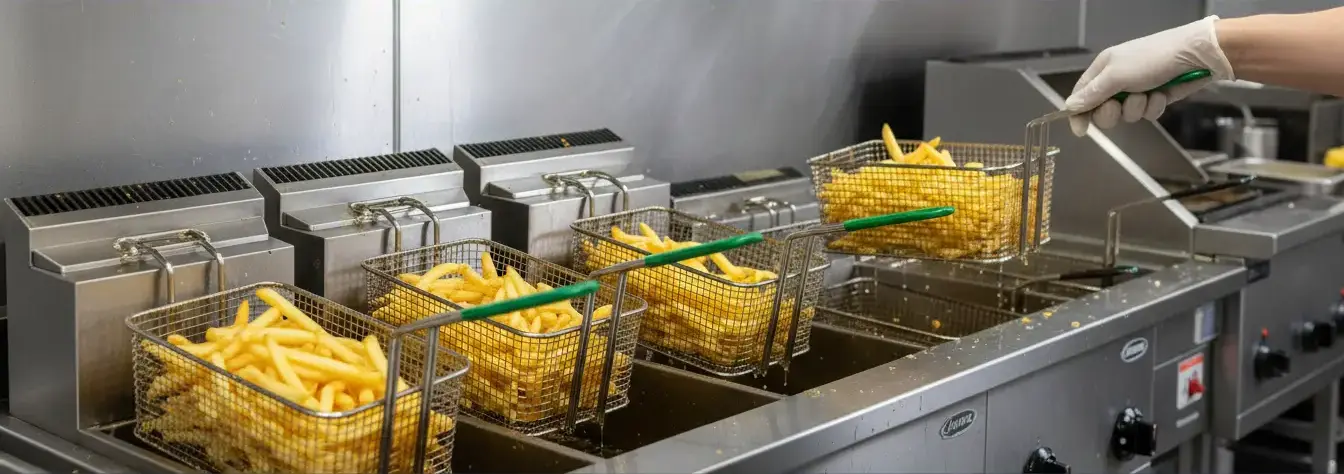
Find the Best Used Cooking Oil Collection Companies for Your Business
No obligation • Fast responses • Nationwide coverage

Why you can trust Restaurant Waste Disposal
Restaurant Waste Disposal is a leading U.S. resource for comparing restaurant composting, food-waste recycling, grease trap cleaning, and used cooking oil collection services. Our editorial team researches providers, checks credentials, and organizes unbiased information so operators can make informed decisions. Companies cannot pay to change ratings or placement.
Search providers near you
Best Used Cooking Oil Collection Companies in Missouri Ranked
For restaurants and food service businesses in Missouri, managing used cooking oil (UCO) is a critical operational task that intersects with environmental compliance, cost management, and sustainability goals. Proper collection and recycling of UCO are not just best practices but are governed by specific state regulations to prevent environmental contamination. By partnering with a licensed collection service, Missouri establishments can transform a waste product into a valuable resource, often used for biofuel production, while ensuring they meet all legal requirements for storage, transportation, and disposal. This guide outlines the key steps, regulations, and economic considerations for effective used cooking oil management across the state.
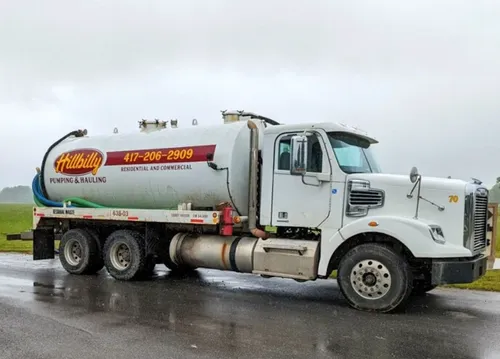
Hillbilly Pumping & Hauling, INC
Joplin, MO
Hillbilly Pumping & Hauling, INC is a family-owned business based in Joplin, MO, offering septic system services and grease trap cleaning to residential and commercial clients. Serving the Four State Area, they provide septic tank pumping, installation, repairs, grease trap pumping, and used cooking oil collection with recycling. With over 40 years of experience, Hillbilly Pumping & Hauling, INC focuses on environmentally conscious and thorough service to help maintain clean and functional septic and grease systems.
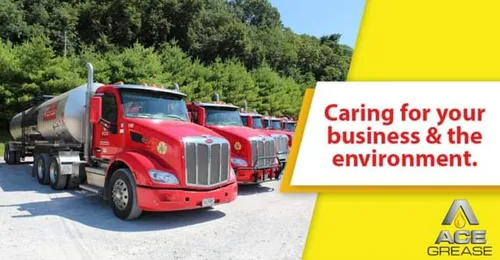
Ace Grease Service
9035 IL-163, Millstadt, IL 62260
Ace Grease Service is a family-owned company based near St Louis, MO, specializing in used cooking oil collection and grease trap cleaning. With over 31 years of experience, they serve restaurants, hotels, hospitals, penal institutions, and large food manufacturing plants across nine Midwest states. Their services include collecting used cooking oil and cleaning grease traps to help keep kitchens and sewer systems free of fats, oils, and grease. Ace Grease processes and recycles the collected oil into products like plastics, soaps, livestock feed, and biodiesel fuel. They operate a fleet of advanced trucks and equipment to support their service coverage.
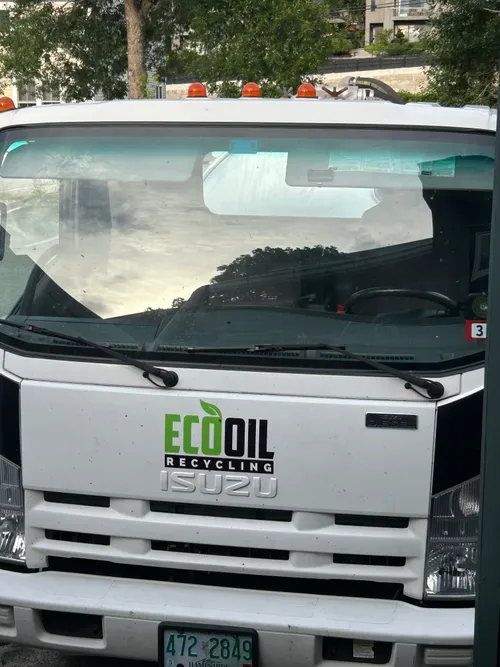
EcoOil Recycling
118 Exeter Rd, South Hampton, NH 03827
EcoOil Recycling is a locally owned company based near Lees Summit, MO, specializing in used cooking oil collection and grease trap cleaning. They operate within a 100-mile radius of their facility, providing licensed and trained professionals who focus on efficient and clean waste removal with minimal disruption. Their eco-friendly recycling process converts used cooking oil into biofuel, significantly reducing carbon emissions. EcoOil Recycling also offers grease trap cleaning services in compliance with local regulations and provides free containers with their oil collection service. They distribute Frontline Brand Systems, including Direct-Plumbed, Pump-Station, and Caddy systems for convenient oil storage and transfer.
DAR PRO Solutions
685 Adams St, Kansas City, KS 66105
DAR PRO Solutions is a company based in Kansas City, MO, specializing in used cooking oil collection and grease trap cleaning. They provide services to businesses needing proper disposal and maintenance of cooking oil waste and grease traps. The company is known for handling waste cooking oil disposal and grease trap cleaning efficiently.
Adamson Grease Co LLC
3909 W Dogwood Ln, Joplin, MO 64801
Adamson Grease Co LLC is a used cooking oil collection company based in Joplin, MO. They specialize in buying used cooking oil from local businesses and residents. The company focuses on efficient collection services within the Joplin area.
Understanding Missouri's Used Oil Regulations
Missouri's Department of Natural Resources (DNR) classifies used cooking oil as a type of "used oil" that requires careful handling 1. The primary regulatory goal is to prevent this material from entering landfills or the environment, where it can cause significant pollution by contaminating soil and water sources. Compliance is not optional; failure to adhere to these rules can result in fines and liability for cleanup costs.
The cornerstone of compliance is using a licensed transporter. Missouri law requires that any business having used oil transported off-site must use a transporter permitted by the DNR's Hazardous Waste Program. These transporters possess an EPA identification number and are trained in proper handling procedures. It is the restaurant's responsibility to verify this licensure before scheduling a pickup. Furthermore, generators must maintain accurate records, often using the transporter's shipment record (manifest), to document the proper transfer and recycling of their oil.
Proper On-Site Storage and Handling
Before oil even reaches a collection container, proper handling begins in the kitchen. Implementing a few key practices ensures the oil remains high-quality and easier to manage.
- Filtering is Fundamental: Always filter oil while it is still warm to remove food solids (like batter bits from fried foods) before transferring it to storage. This step is crucial for maintaining oil quality, which directly impacts whether you will pay for disposal or receive payment for recycling.
- Use Approved Containers: Store filtered UCO in dedicated, leak-proof containers with tight-sealing lids. Containers must be clearly and permanently labeled "Used Oil". These containers should be made of materials compatible with oil, such as certain plastics or metals, and kept in good condition to prevent leaks or spills.
- Secure Storage Location: Store containers in a cool, dark, and secure area, preferably on an impervious surface like concrete 2. The storage area should be accessible for pickup trucks but away from drains or areas where a spill could lead to environmental discharge. Keep containers closed except when actively adding or removing oil.
The Collection and Recycling Process
Scheduling regular pickups with a licensed service provider is the most efficient way to manage UCO. Most services in Missouri provide collection bins or tanks (often at no upfront cost) and establish a pickup frequency-weekly, bi-weekly, or monthly-based on your volume.
When the service arrives, they will pump the oil from your storage container into their truck. As the generator, you should receive documentation, such as a invoice or service ticket, noting the volume collected. This paperwork is part of your compliance record. The collected oil is then transported to a processing facility.
Recycling is the destination for properly handled UCO. In Missouri, this oil is typically processed into feedstocks for biofuels like biodiesel, a renewable energy source. It can also be refined for use in animal feed supplements or industrial lubricants. This circular economy model turns a potential waste burden into a productive resource.
Cost Structure and Revenue Potential
The economics of used cooking oil collection in Missouri are unique because the same material can be either a cost or a source of income, depending on its quality and volume.
- Collection Service Fees: Many providers offer free collection bins and pickups for restaurants generating sufficient volumes of clean, filtered oil. For smaller establishments, fees may apply. Estimates suggest:
- Small volume (10-20 gallons per week): Approximately $60-$120 per month for pickup service.
- Medium volume (30-50 gallons per week): Approximately $150-$300 per month.
- Revenue from High-Quality Oil: If your oil is well-filtered and free of contaminants (like water or detergents), it has high value to recyclers. Restaurants can potentially earn $2.40 to $3.60 per gallon for their clean used cooking oil 3. This revenue can offset service fees or even become a small profit center.
- Fees for Contaminated Oil: Conversely, oil that is heavily contaminated with food solids, water, or other substances is costly to process. In these cases, the restaurant will typically be charged a disposal fee by the collector, as the material must be handled as a contaminated waste 4 5.
Find the perfect used cooking oil collection companies for your needs
Get personalized recommendations and expert advice
Spill Prevention and Response
Accidental spills of used cooking oil must be taken seriously. Missouri regulations require immediate action to contain and clean up any spill to prevent environmental release. Have an emergency spill kit accessible in your storage area, containing absorbent materials like pads or clay specifically designed for oils. Never use water to wash away an oil spill, as this spreads the contamination. All spills, especially those that enter a storm drain or waterway, must be reported to the Missouri Department of Natural Resources.
Choosing a Service Provider in Missouri
Selecting the right partner is essential for compliance and efficiency. Look for a provider that is transparent about its licensing and processes. Key questions to ask include:
- Are you a licensed Missouri hazardous waste transporter? (Ask for their EPA ID number).
- What is your pickup schedule and reliability?
- How do you handle documentation and provide proof of recycling?
- What is your pricing structure? Do you pay for quality oil, or charge flat fees?
- Do you supply and maintain the storage containers?
A reputable provider will help you optimize your system, ensure compliance, and maximize the value of your used oil.
Best Practices Summary
To streamline your used cooking oil management in Missouri, follow this five-step checklist:
- Filter: Remove food solids from hot oil before storage to maintain quality 6.
- Store: Use closed, labeled, leak-proof containers placed in a secure area 7.
- Schedule: Establish regular pickups with a licensed service to prevent overflow and ensure consistent handling 8.
- Comply: Verify your transporter's license and maintain all pickup records 9 10.
- Optimize: Aim for high-quality, clean oil to qualify for revenue-sharing; avoid contamination to prevent disposal fees.
Frequently asked questions
Sources
Footnotes
-
Used Oil - Missouri Department of Natural Resources - https://dnr.mo.gov/waste-recycling/reduce-reuse-recycle/what-to-do-with-specific/used-oil ↩
-
Used Cooking Oil (UCO) Collection Service For Restaurants - https://thegreasecompany.com/blog/restaurant-used-cooking-oil-collection/ ↩
-
Used Cooking Oil Pricing & Business Guide - Grease Connections - https://greaseconnections.com/used-cooking-oil-pricing-guide/ ↩
-
Used Cooking Oil Pickup vs Drop-Off-What's Best for Restaurants? - https://www.greaseprosrecycling.com/used-cooking-oil-pickup-vs-drop-off/ ↩
-
Used Oil Contaminated Waste - PUB0153 - https://dnr.mo.gov/print/document-search/pub0153 ↩
-
How to Dispose of Cooking Oil For STL Restaurants | MRC - https://millstadtrendering.com/how-to-dispose-of-cooking-oil-for-stl-restaurants/ ↩
-
Used Oil Collection Centers and Aggregation Points - PUB0136 - https://dnr.mo.gov/document-search/used-oil-collection-centers-aggregation-points-pub0136/pub0136 ↩
-
Greater St. Louis Used Cooking Oil Recycling | Oil Disposal - https://greasemastersllc.com/cooking-oil-recycling/ ↩
-
Used Oil Transporters - PUB0132 - https://dnr.mo.gov/print/document-search/pub0132 ↩
-
Hazardous Waste and Infectious Waste Transporters - https://dnr.mo.gov/waste-recycling/sites-regulated-facilities/hazardous-infectious-transporters ↩