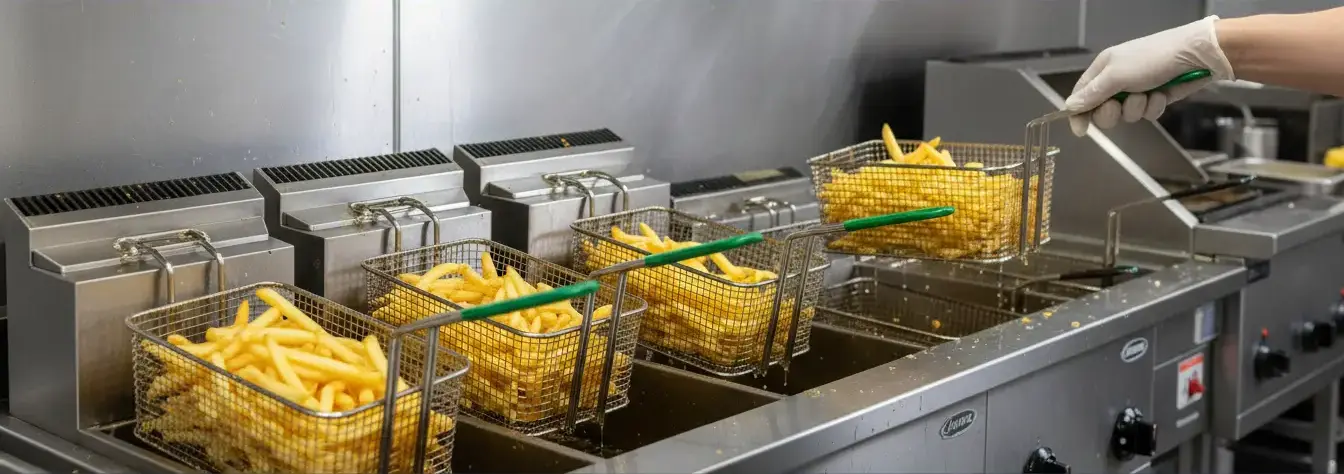
Find the Best Used Cooking Oil Collection Companies for Your Business
No obligation • Fast responses • Nationwide coverage

Why you can trust Restaurant Waste Disposal
Restaurant Waste Disposal is a leading U.S. resource for comparing restaurant composting, food-waste recycling, grease trap cleaning, and used cooking oil collection services. Our editorial team researches providers, checks credentials, and organizes unbiased information so operators can make informed decisions. Companies cannot pay to change ratings or placement.
Search providers near you
Top Used Cooking Oil Collection Companies in Joplin, Missouri Ranked
For restaurants and food service establishments in Joplin, managing used cooking oil (UCO) is a critical operational and environmental responsibility. Proper grease trap and waste oil collection is not just about cleanliness; it's a key component of complying with local health codes and protecting the city's wastewater infrastructure from costly clogs and backups. By partnering with a reliable service provider, Joplin businesses can transform this waste stream into a resource, contributing to the production of biodiesel and other recycled products, often with the benefit of free pickup or even potential rebates. This guide outlines the local landscape for grease collection, storage best practices, and how to navigate the process effectively.
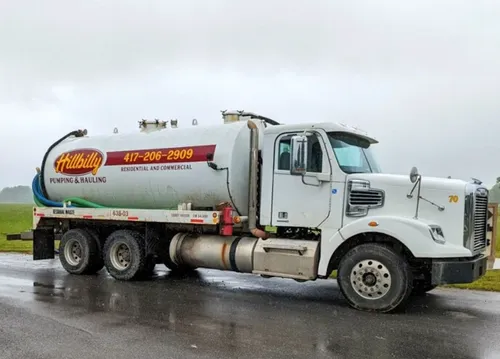
Hillbilly Pumping & Hauling, INC
Joplin, MO
Hillbilly Pumping & Hauling, INC is a family-owned business based in Joplin, MO, offering septic system services and grease trap cleaning to residential and commercial clients. Serving the Four State Area, they provide septic tank pumping, installation, repairs, grease trap pumping, and used cooking oil collection with recycling. With over 40 years of experience, Hillbilly Pumping & Hauling, INC focuses on environmentally conscious and thorough service to help maintain clean and functional septic and grease systems.
Adamson Grease Co LLC
3909 W Dogwood Ln, Joplin, MO 64801
Adamson Grease Co LLC is a used cooking oil collection company based in Joplin, MO. They specialize in buying used cooking oil from local businesses and residents. The company focuses on efficient collection services within the Joplin area.
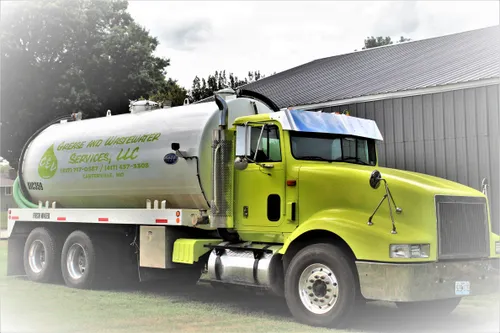
C&L Grease and Wastewater Services
1140 E 1st St, Carterville, MO 64835
C&L Grease and Wastewater Services provides grease trap cleaning, septic tank pumping, and commercial wastewater hauling in Joplin, MO. They also offer grease trap installation and used cooking oil recycling, serving nearby communities including Neosho, Carthage, and Webb City. The company handles both residential and commercial wastewater needs and offers septic system installation and maintenance in Newton and Jasper counties.
Why Proper Grease Management is Non-Negotiable in Joplin
The most critical rule for any food service business is to never pour fats, oils, and grease (FOG) down the drain. This practice is the primary cause of sewer blockages, which can lead to backups, expensive repairs, and significant fines from municipal authorities. In Joplin, as elsewhere, health codes and wastewater regulations mandate proper handling. A foundational part of this is the grease trap or grease interceptor, a device that captures solids and congealed grease before wastewater enters the sewer system. These traps require regular, professional pumping by licensed services to function correctly and keep your establishment in compliance.
Beyond avoiding problems, proper used fryer oil management is a step toward sustainability. The oil collected from local restaurants doesn't go to a landfill. Instead, it is recycled into valuable commodities like biodiesel fuel, soaps, and animal feed supplements 1. This circular economy model means your kitchen waste can power vehicles or create new products, reducing the environmental footprint of your business.
Local Services and the Collection Process
Joplin restaurants have several options for managing their used vegetable oil and grease. Local providers, such as C&L Grease & Wastewater Services, offer comprehensive programs tailored to food service needs. The City of Joplin's Recycling Center also accepts used cooking oil from both residents and small businesses, with services like Brooks Grease Service managing the collection container on-site 2.
The standard process is straightforward:
- On-Site Storage: After filtering out food particles, used oil is transferred into dedicated, leak-proof containers provided by the collection service. These containers typically range from 40 to 300 gallons and can be placed indoors or outdoors based on your facility's layout.
- Scheduled Pickup: Your service provider will establish a regular pickup schedule-often weekly or bi-weekly-based on your oil production volume. A licensed truck will collect the full container and replace it with a clean, empty one.
- Recycling & Processing: The collected oil is transported to a processing facility where it is further filtered and purified before being sold as a feedstock for biodiesel production or other industries.
Understanding Costs and Potential Rebates
One of the most appealing aspects of professional used cooking oil collection is that it is often free for the restaurant. Most providers offer no-cost pickup services if you generate a sufficient volume of oil, as they generate revenue from selling the recycled commodity.
Furthermore, many companies offer rebate programs, meaning they will pay you for your high-quality oil. The payment structure usually works on a tiered system based on monthly volume and oil cleanliness (fewer food solids and water content):
- Under ~100 gallons/month: Typically qualifies for free pickup service with no rebate.
- ~100-300 gallons/month: May earn a small rebate, often in the range of $0.10 to $0.25 per gallon.
- Over ~300 gallons/month: Can command higher rebates, potentially from $0.25 to $0.65 per gallon, for clean, well-managed oil 3 4 5.
These figures are general examples; specific rates and program details will vary by provider and current market conditions for recycled oil.
Find the perfect used cooking oil collection companies for your needs
Get personalized recommendations and expert advice
Best Practices for On-Site Oil Handling
Maximizing safety, compliance, and potential rebate value starts in your kitchen. Implementing a few key practices can make a significant difference:
- Filter and Cool: Always filter oil after use to remove food particulates and allow it to cool completely before transferring it to your storage container. This improves oil quality and reduces fire risk.
- Use Dedicated Containers: Never mix used cooking oil with other liquids like water, detergent, or solvents. Store it only in the purpose-built containers provided by your collection service to prevent contamination and leaks 6.
- Secure and Label: Keep storage containers covered and in a designated area, away from high-traffic zones and drains. Proper labeling helps staff identify them correctly.
- Maintain Grease Traps: Adhere to a regular schedule for grease trap pumping and cleaning. A well-maintained trap prevents FOG from entering drains and ensures your kitchen operates within health code guidelines 7.
Navigating Local Rules and Environmental Benefits
Adhering to Joplin's regulations is a primary driver for establishing a reliable oil collection system. The local health department and wastewater utility have clear expectations for FOG management to protect public infrastructure. Proper containerization and professional collection are your best defenses against violations 8 9.
The environmental incentive is equally powerful. Recycling used cooking oil into biodiesel creates a domestic, renewable fuel that burns cleaner than petroleum diesel, reducing greenhouse gas emissions 10 11. By choosing a recycling service, your restaurant directly supports this green industry and demonstrates a commitment to corporate responsibility, which can resonate positively with environmentally conscious customers.
Choosing a Service Provider in the Joplin Area
When selecting a partner for grease trap and used oil collection, consider the following:
- Licensing and Insurance: Ensure the provider is fully licensed and insured to operate in Missouri and the Joplin area.
- Service Reliability: Look for a company with a reputation for consistent, on-time pickups to prevent overflow and mess.
- Container and Equipment Quality: They should provide sturdy, sealed containers that minimize odors and pests.
- Transparent Agreements: Understand the terms of service, including pickup schedules, fees (if any), and the details of any rebate program.
- Local Knowledge: A provider familiar with Joplin's specific codes and requirements can be an invaluable resource for maintaining compliance.
Establishing a partnership with a reputable local service turns a routine waste chore into a streamlined, compliant, and potentially revenue-generating aspect of your restaurant's operations.
Frequently asked questions
Sources
Footnotes
-
What Do Restaurants Do with Grease? - https://www.mahoneyes.com/what-do-restaurants-do-with-grease/ ↩
-
Cooking Oil and Grease Accepted at Joplin Recycling Center - https://www.joplinmo.org/DocumentCenter/View/2257/Cooking-Oil-Recycling?bidId= ↩
-
Grease Collection Service: What is it - https://www.grandnaturalinc.com/blog/what-is-grease-collection-service.html ↩
-
Used Cooking Oil (UCO) Collection Service For Restaurants - https://thegreasecompany.com/blog/restaurant-used-cooking-oil-collection/ ↩
-
Used Cooking Oil Disposal: Complete Guide to Grease Pickups - https://greaseconnections.com/used-cooking-oil-disposal-guide-grease-pickups/ ↩
-
Restaurant Oil Disposal: Explained - Eazy Grease - https://eazygrease.com/how-do-restaurants-get-rid-of-their-oil/ ↩
-
How to Dispose of Cooking Oil For STL Restaurants | MRC - https://millstadtrendering.com/how-to-dispose-of-cooking-oil-for-stl-restaurants/ ↩
-
Used Cooking Oil Disposal in Joplin, MO - C&L Grease & Wastewater Services - https://www.clwastewater.com/used-cooking-oil-disposal-joplin/ ↩
-
Trash & Recycling Questions Answered Here - City of Carl Junction - https://www.carljunction.org/vimages/shared/vnews/stories/6359bfa6ebe76/2019-Recycling-Waste-Disposal-Guide_201907031453493226.pdf ↩
-
Restaurant Used Cooking Oil Recycling & Disposal Guide - https://greaseconnections.com/restaurant-used-cooking-oil-disposal-recycling-revenue-guide/ ↩
-
How to Recycle Used Cooking Oil and Grease for Residents and Restaurants - https://mopac.com/2024/02/12/how-to-recycle-used-cooking-oil-and-grease-for-residents-and-restaurants-3/ ↩