Find the Best Used Cooking Oil Collection Companies for Your Business
No obligation • Fast responses • Nationwide coverage

Why you can trust Restaurant Waste Disposal
Restaurant Waste Disposal is a leading U.S. resource for comparing restaurant composting, food-waste recycling, grease trap cleaning, and used cooking oil collection services. Our editorial team researches providers, checks credentials, and organizes unbiased information so operators can make informed decisions. Companies cannot pay to change ratings or placement.
Search providers near you
Top Used Cooking Oil Collection Companies in OFallon, Missouri Ranked
For any food service establishment in O'Fallon, managing fats, oils, and grease (FOG) is a critical operational and environmental responsibility. The city mandates a formal FOG Management Program to prevent costly sewer blockages and protect local water quality, which requires partnering with professional grease hauling services. Properly recycling your used fryer oil isn't just about compliance; it's a practical step that can streamline your back-of-house operations and may even provide a financial rebate, turning a waste product into a resource for biodiesel production.
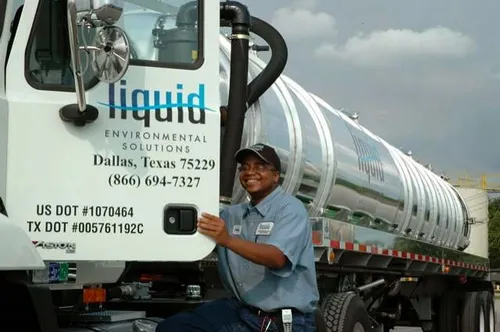
Liquid Environmental Solutions
6400 McKissock Ave, St. Louis, MO 63147
Liquid Environmental Solutions is a non-hazardous liquid waste management company based in St Louis, MO. They offer services including used cooking oil collection, grease trap and interceptor cleaning, oil water separator and grit trap cleaning, and wastewater disposal. Serving restaurants, grocery stores, convenience stores, and automotive service businesses, they focus on recycling a high percentage of the food waste they collect. Founded over twenty years ago, the company emphasizes compliance and environmental stewardship in their operations.

Grease Masters
1818 Scherer Pkwy, St Charles, MO 63303
Grease Masters provides commercial kitchen cleaning and maintenance services in St Louis, MO. Their offerings include grease trap cleaning, used cooking oil removal, hydro excavation, exhaust hood cleaning, sewer and drain cleaning, and plumbing repairs. They serve a variety of businesses such as restaurants, commercial kitchens, convenience stores, oil and gas companies, construction businesses, and government agencies. The company uses advanced cleaning methods to meet local and state regulations and schedules work to minimize disruption to clients' operations.
Understanding O'Fallon's FOG Management Program
O'Fallon's Fats, Oils, and Grease (FOG) Management Program is a local ordinance designed to safeguard the municipal sewer system. It applies to all Food Service Establishments (FSEs), including restaurants, hotels, schools, cafeterias, and even food trucks that discharge wastewater into the city's sewers 1. The primary goal is to prevent FOG from congealing in pipes, which can lead to severe blockages, sanitary sewer overflows, environmental damage, and expensive public works repairs.
The program's core requirement is that establishments must not pour used cooking oil or grease down any drain. Instead, FOG must be collected in approved containers and removed from the premises by a licensed hauler for proper recycling or disposal. This professional grease trap and oil collection service is not a suggestion-it's a key component of local compliance. By adhering to these rules, businesses avoid potential fines and contribute to the community's broader environmental protection efforts.
Step-by-Step: Proper Oil Handling and Storage
Before a hauler ever arrives, proper on-site handling is essential for safety, efficiency, and maintaining oil quality for recycling.
- Cool and Filter: Always allow used cooking oil to cool completely before handling. Strain out food particles and debris using a fine mesh filter. This simple step improves the oil's value for recyclers and prevents clogs in your storage containers.
- Use Approved Containers: Store the cooled, filtered oil in sturdy, leak-proof containers that are clearly labeled. Most professional collection companies will provide dedicated, sealable bins or drums for this purpose. These containers should be kept in a designated, secure area, away from storm drains and protected from the elements.
- Maintain a Designated Area: Establish a consistent storage spot for your full containers, ideally on a paved surface near your kitchen's rear exit for easy hauler access. This area should be clean and organized to prevent spills and accidents.
Following these best practices ensures a smoother pickup process and helps maintain a safe, clean work environment.
How Professional Grease Collection Works
Partnering with a licensed grease collection service transforms used oil from a logistical hassle into a managed waste stream. The process is straightforward and tailored to your business's volume.
Initial Setup: After you contact a service provider, they will assess your establishment's oil production. They will then supply you with the appropriate number and size of collection bins-often at no upfront cost-and establish a regular pickup schedule, whether weekly, bi-weekly, or monthly 2.
Scheduled Pickup: On the appointed day, a trained technician will arrive, typically using a specialized truck. They will safely transport your full containers to the vehicle, empty them, clean up any minor drips or spills, and return the empty, clean containers to your designated storage area. The hauler handles all the heavy lifting and logistics 3 4.
The Recycling Journey: The collected yellow grease is not taken to a landfill. It is transported to a rendering or processing facility. There, it undergoes a purification and chemical process called transesterification to be converted into valuable products like biodiesel fuel, animal feed supplements, or ingredients for soaps and detergents. This closed-loop system is a cornerstone of sustainable business practices.
Find the perfect used cooking oil collection companies for your needs
Get personalized recommendations and expert advice
Financial Considerations: Costs, Rebates, and Value
Understanding the economics of oil collection is important for any restaurant manager or owner. The cost structure is typically based on your service frequency, the volume of oil you generate, and the specific hauler you choose.
Many services operate on a model where the potential rebate for your used cooking oil can offset or even exceed the service fee. High-quality, well-filtered yellow grease is a valuable commodity. Some haulers may offer rebates that can range up to approximately $0.65 per gallon, effectively turning your waste into a minor revenue stream or making the collection service cost-neutral 5.
It's crucial to view this service as an investment in risk mitigation. The avoided costs of professional grease collection are significant. Improper disposal can lead to:
- Expensive plumbing emergencies and drain line repairs.
- Fines from the city for violating the FOG ordinance.
- Business disruption during cleanup or enforcement actions.
- Higher municipal sewer treatment costs passed on to all ratepayers.
By budgeting for a reliable collection service, you're investing in operational continuity and regulatory peace of mind.
Choosing a Service Provider in the St. Louis Area
O'Fallon businesses have access to several licensed and experienced haulers serving the greater St. Louis region. When evaluating providers, consider the following:
- Licensing and Compliance: Ensure the hauler is fully licensed and familiar with O'Fallon's specific FOG program requirements 6.
- Service Reliability: Look for a company with a reputation for consistent, on-time pickups.
- Container Provision: Confirm they supply durable, clean containers and maintain them.
- Transparent Pricing & Rebates: Understand the fee structure and any rebate program details. Ask for a clear explanation of how rebates are calculated and paid.
- Environmental Commitment: Choose a provider that transparently recycles 100% of the collected oil into biodiesel or other products, ensuring your grease is disposed of responsibly 7 8.
Establishing a relationship with a trustworthy provider is the final, critical step in fulfilling your environmental and legal obligations while simplifying your kitchen's waste management.
Frequently asked questions
Sources
Footnotes
-
Fats, Oils, & Grease Management (FOG) Program - https://www.ofallonmo.gov/departments/water_and_sewer/fats_oils_grease_management_program.php ↩
-
Used Cooking Oil Pickup vs Drop-Off - GreasePros Recycling - https://www.greaseprosrecycling.com/used-cooking-oil-pickup-vs-drop-off/ ↩
-
Greater St. Louis Used Cooking Oil Recycling | Oil Disposal - https://greasemastersllc.com/cooking-oil-recycling/ ↩
-
How to Dispose of Cooking Oil For STL Restaurants | MRC - https://millstadtrendering.com/how-to-dispose-of-cooking-oil-for-stl-restaurants/ ↩
-
Restaurant Used Cooking Oil: Disposal, Recycling & Revenue Guide - https://greaseconnections.com/restaurant-used-cooking-oil-disposal-recycling-revenue-guide/ ↩
-
Fats, Oils, & Grease (FOG) Management Program - O'Fallon, MO - https://www.ofallon.mo.us/fats-oils-&-grease-fog-management-program ↩
-
Grease Collection Service: What is it - https://www.grandnaturalinc.com/blog/what-is-grease-collection-service.html ↩
-
Used Cooking Oil and St Louis Recycling - Millstadt Rendering - https://millstadtrendering.com/used-cooking-oil-and-st-louis-recycling/ ↩