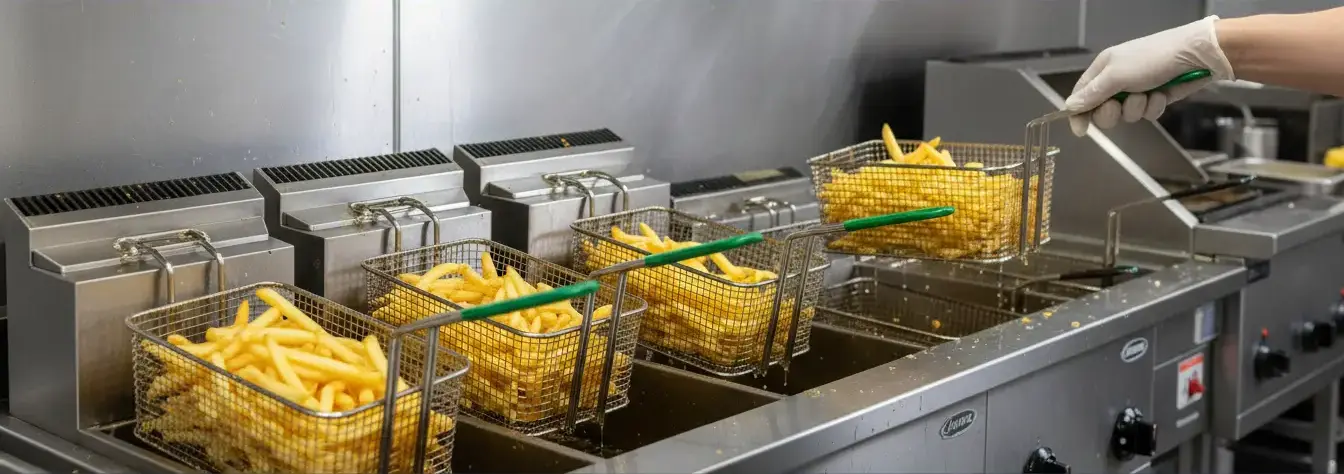
Find the Best Used Cooking Oil Collection Companies for Your Business
No obligation • Fast responses • Nationwide coverage

Why you can trust Restaurant Waste Disposal
Restaurant Waste Disposal is a leading U.S. resource for comparing restaurant composting, food-waste recycling, grease trap cleaning, and used cooking oil collection services. Our editorial team researches providers, checks credentials, and organizes unbiased information so operators can make informed decisions. Companies cannot pay to change ratings or placement.
Search providers near you
Top Used Cooking Oil Collection Companies in Independence, Missouri Ranked
For restaurants and food service establishments in Independence, proper management of used cooking oil (UCO) is a critical operational and environmental responsibility. Navigating local regulations while finding an efficient, cost-effective solution for grease and oil disposal can be complex. Partnering with a licensed used cooking oil collection service ensures compliance with city codes, protects your plumbing from costly blockages, and transforms a waste product into valuable resources like biodiesel. This guide outlines the essential steps for compliant UCO management, from secure storage and mandatory grease traps to selecting a reputable hauler and understanding the recycling journey.
DAR PRO Solutions
685 Adams St, Kansas City, KS 66105
DAR PRO Solutions is a company based in Kansas City, MO, specializing in used cooking oil collection and grease trap cleaning. They provide services to businesses needing proper disposal and maintenance of cooking oil waste and grease traps. The company is known for handling waste cooking oil disposal and grease trap cleaning efficiently.

Restaurant Technologies
22318 W 167th St, Olathe, KS 66062
Restaurant Technologies is a used cooking oil collection company based in Olathe, KS. They offer an automatic cooking oil management system that includes bulk oil delivery, filtration, and recycling services designed to reduce the hazards and labor associated with manual oil handling. Their closed-loop system installs tanks and automatic controls in commercial kitchens to safely manage fresh and waste oil, with service trucks handling deliveries and pickups without entering the premises. The company operates from a depot in Kansas City, Kansas, and supports sustainability initiatives by providing safer and more efficient oil management solutions.
Brooks Grease Service
3901 Fairbanks Ave, Kansas City, KS 66106
Brooks Grease Service is a company based in Kansas City, MO, specializing in used cooking oil collection and grease trap cleaning. They provide services to help manage and dispose of cooking oil and grease waste efficiently. Their expertise includes grease trap cleaning to maintain proper kitchen sanitation.
Understanding Independence's Regulations for Grease and Oil
In Independence, and throughout the Kansas City metropolitan area, businesses generating fats, oils, and grease (FOG) are subject to specific codes designed to protect the municipal sewer system. The primary rule is that you must use a licensed hauler for the collection and disposal of your used cooking oil. Discharging FOG directly into drains is prohibited and can lead to severe sewer backups, environmental harm, and significant fines.
A cornerstone of local compliance is the installation and maintenance of a grease trap or grease interceptor. This device is mandatory for wastewater from dishwashing and food preparation areas, capturing FOG before it enters the sewer lines 1. It's important to distinguish this from your used fryer oil collection; the grease trap handles diluted, emulsified fats from cleaning, while dedicated UCO collection services manage the bulk liquid oil from your fryers. Both systems are essential and work in tandem for full compliance.
Best Practices for On-Site Storage and Handling
Proper on-site handling is the first step in a successful used cooking oil recycling program. Secure and correct storage prevents accidents, maintains oil quality for recycling, and deters theft.
- Use Designated, Secure Containers: Never store used fryer oil in makeshift containers. Professional collection companies will typically provide heavy-duty, lockable collection bins ranging from 40 to 300 gallons in capacity. These containers should be leak-proof, sealable, and clearly labeled.
- Implement a Secure Storage Location: Place your collection bin in a designated area, preferably on a concrete pad if outdoors. The location should be secure, well-lit, and accessible for service trucks. Keeping bins locked and in a monitored area helps prevent unauthorized siphoning or tampering.
- Filter and Cool Oil Before Transfer: Allow oil to cool completely after use. Filtering out food particulates and sediment before pouring it into your storage bin significantly improves the oil's quality. Higher-quality oil is more valuable for recyclers and can qualify you for better rebate rates 2.
- Maintain Cleanliness Around the Bin: Keep the area around your storage container clean to avoid slips, falls, and pest attraction. Promptly clean up any spills.
The Professional Collection and Recycling Process
Engaging a professional service streamlines the entire process from pickup to recycling, providing documentation and peace of mind.
- Select a Licensed Hauler: Research and contract with a reputable, licensed used cooking oil collector servicing Independence. Companies like Mahoney Environmental, Grease Masters, and Millstadt Rendering serve the wider region, including the Kansas City and St. Louis areas 3.
- Schedule Regular Pickups: Your service provider will establish a pickup schedule-weekly, bi-weekly, or monthly-based on your oil production volume. Reliable, scheduled service prevents overflows and ensures consistent compliance.
- Receive a Legal Manifest: Upon each collection, the hauler must provide you with a manifest or service receipt. This document is crucial, as it serves as your legal proof of proper disposal and is often required during city health or sewer inspections 4. Always keep these records on file.
- From Waste to Resource: The collected oil is transported to a processing facility. There, it undergoes filtration and purification to remove impurities. The cleaned oil is then primarily converted into biodiesel, a renewable fuel, or processed into ingredients for animal feed 5. This process diverts waste from landfills and contributes to a circular economy.
Find the perfect used cooking oil collection companies for your needs
Get personalized recommendations and expert advice
Cost Structure and Potential Revenue
Understanding the financial model of used cooking oil collection is important for budgeting. Costs are not standardized and can vary, but many services operate on a rebate or shared-revenue system.
- Low-Volume Producers: Establishments generating less than 100 gallons of used oil per month often benefit from free pickup and bin rental services. The collector's revenue comes entirely from the recycled end-product, making it a cost-neutral solution for the restaurant 6.
- High-Volume Producers: If your operation produces significant amounts of oil (e.g., 100-500+ gallons monthly), you may qualify for a rebate program. The collection company pays you for your oil, with rates typically ranging from $0.10 to over $0.65 per gallon, depending on the market, volume, and quality of your oil 7 8 9. This can turn a waste line-item into a minor revenue stream.
- The Cost of Non-Compliance: It's critical to weigh these potential rebates against the risk of fines. Violations for improper FOG disposal or failing to maintain a grease trap can result in penalties from the city that far outweigh any collection cost or rebate revenue. Professional service is an investment in risk mitigation.
Key Benefits of a Professional Partnership
Beyond basic compliance, a structured used cooking oil collection program offers several advantages:
- Environmental Stewardship: Recycling UCO into biodiesel reduces reliance on fossil fuels and lowers greenhouse gas emissions compared to traditional diesel 10.
- Operational Safety and Cleanliness: Eliminates the hazards of handling hot oil and storing it in unsafe containers. Professional bins and regular service keep your back-of-house cleaner.
- Protection of Plumbing and Sewer Lines: Proper disposal, combined with a functioning grease trap, prevents costly blockages in your own drains and the public sewer system, avoiding emergency plumbing bills.
- Simplified Record-Keeping: The service manifests provided by your hauler create an audit trail that simplifies compliance reporting.
Frequently asked questions
Sources
Footnotes
-
chapter 1300 grease and oil control regulations ... - Gladstone, MO - https://www.gladstone.mo.us/CityGovernment/2018/Grease%20and%20Oil%20Control%20Regulations%202020%20Underline-Strikethrough.pdf ↩
-
Restaurant Oil Disposal: Explained - Eazy Grease - https://eazygrease.com/how-do-restaurants-get-rid-of-their-oil/ ↩
-
Greater St. Louis Used Cooking Oil Recycling | Oil Disposal - https://greasemastersllc.com/cooking-oil-recycling/ ↩
-
How to Dispose of Cooking Oil For STL Restaurants | MRC - https://millstadtrendering.com/how-to-dispose-of-cooking-oil-for-stl-restaurants/ ↩
-
Used Cooking Oil Pickup vs Drop-Off - GreasePros Recycling - https://www.greaseprosrecycling.com/used-cooking-oil-pickup-vs-drop-off/ ↩
-
Grease Collection Service: What is it - https://www.grandnaturalinc.com/blog/what-is-grease-collection-service.html ↩
-
Restaurant Used Cooking Oil (Grease) Collection & Recycling - https://greasemanagement.org/restaurants.html ↩
-
Used Cooking Oil Disposal: Complete Guide to Grease Pickups - https://greaseconnections.com/used-cooking-oil-disposal-guide-grease-pickups/ ↩
-
Restaurant Used Cooking Oil Recycling & Disposal Guide - https://greaseconnections.com/restaurant-used-cooking-oil-disposal-recycling-revenue-guide/ ↩
-
What Do Restaurants Do with Grease? - https://www.mahoneyes.com/what-do-restaurants-do-with-grease/ ↩