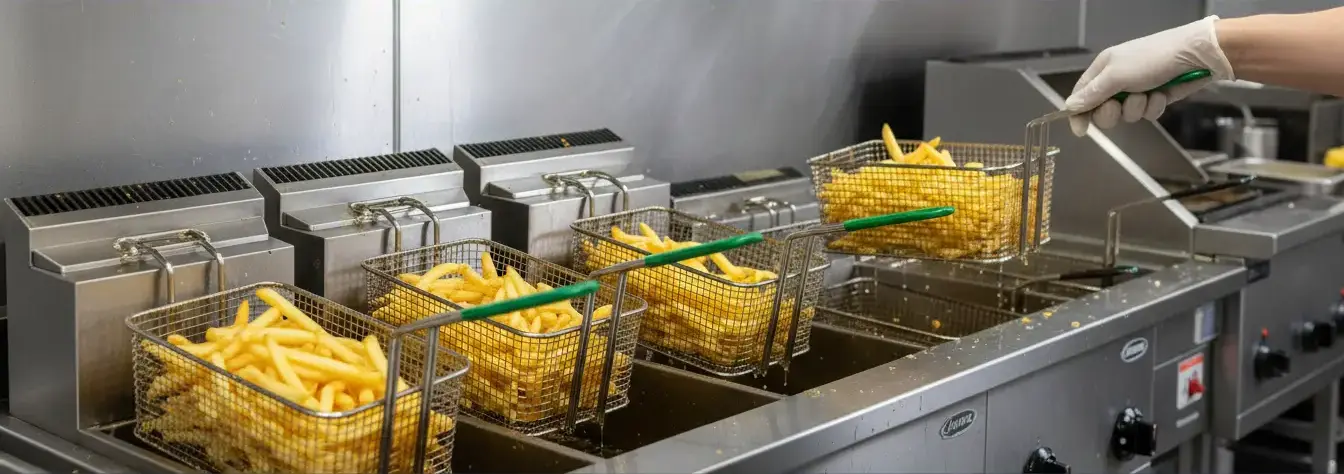
Find the Best Used Cooking Oil Collection Companies for Your Business
No obligation • Fast responses • Nationwide coverage

Why you can trust Restaurant Waste Disposal
Restaurant Waste Disposal is a leading U.S. resource for comparing restaurant composting, food-waste recycling, grease trap cleaning, and used cooking oil collection services. Our editorial team researches providers, checks credentials, and organizes unbiased information so operators can make informed decisions. Companies cannot pay to change ratings or placement.
Search providers near you
Top Used Cooking Oil Collection Companies in Chesterfield, Missouri Ranked
For restaurants in Chesterfield, managing used cooking oil (UCO) is a critical operational task that goes beyond simple disposal. Professional grease collection is a regulated process that transforms a potential waste liability into a valuable resource for biodiesel and other products. By partnering with licensed haulers who serve the St. Louis area, local food service establishments can ensure compliance with state and health regulations, prevent costly sewer issues, and contribute to a more sustainable local economy. Proper handling involves secure storage, regular filtering, and scheduled pickups to keep kitchens safe and efficient.
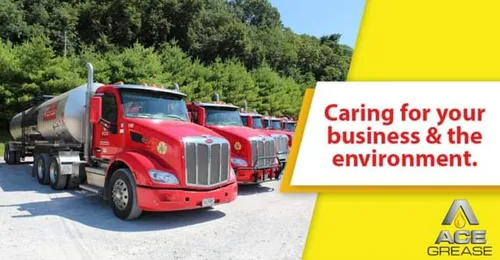
Ace Grease Service
9035 IL-163, Millstadt, IL 62260
Ace Grease Service is a family-owned company based near St Louis, MO, specializing in used cooking oil collection and grease trap cleaning. With over 31 years of experience, they serve restaurants, hotels, hospitals, penal institutions, and large food manufacturing plants across nine Midwest states. Their services include collecting used cooking oil and cleaning grease traps to help keep kitchens and sewer systems free of fats, oils, and grease. Ace Grease processes and recycles the collected oil into products like plastics, soaps, livestock feed, and biodiesel fuel. They operate a fleet of advanced trucks and equipment to support their service coverage.
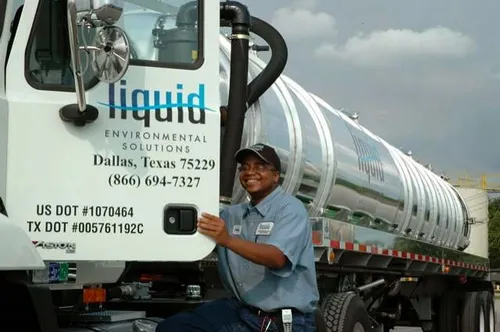
Liquid Environmental Solutions
6400 McKissock Ave, St. Louis, MO 63147
Liquid Environmental Solutions is a non-hazardous liquid waste management company based in St Louis, MO. They offer services including used cooking oil collection, grease trap and interceptor cleaning, oil water separator and grit trap cleaning, and wastewater disposal. Serving restaurants, grocery stores, convenience stores, and automotive service businesses, they focus on recycling a high percentage of the food waste they collect. Founded over twenty years ago, the company emphasizes compliance and environmental stewardship in their operations.
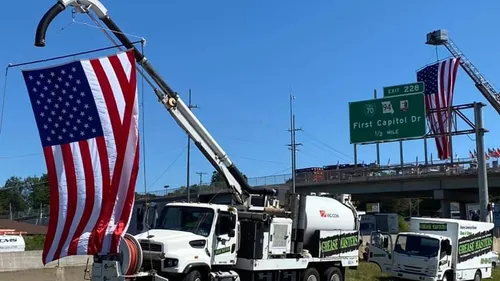
Grease Masters
1818 Scherer Pkwy, St Charles, MO 63303
Grease Masters provides commercial kitchen cleaning and maintenance services in St Louis, MO. Their offerings include grease trap cleaning, used cooking oil removal, hydro excavation, exhaust hood cleaning, sewer and drain cleaning, and plumbing repairs. They serve a variety of businesses such as restaurants, commercial kitchens, convenience stores, oil and gas companies, construction businesses, and government agencies. The company uses advanced cleaning methods to meet local and state regulations and schedules work to minimize disruption to clients' operations.
Why Professional Grease Collection is Essential
Improper disposal of used fryer oil is a leading cause of sewer blockages and can result in significant fines from municipal authorities. In Missouri, used cooking oil is considered a contaminated waste and must be managed according to Department of Natural Resources (DNR) guidelines, which typically mandate professional handling by licensed renderers or collectors. For Chesterfield restaurants, establishing a reliable used oil collection service is not just an environmental choice-it's a legal and operational necessity. Professional services ensure that this material is kept out of landfills and wastewater systems, protecting your business from penalties and supporting community infrastructure.
Beyond compliance, a structured waste oil management program offers direct benefits to your operation. It reduces the risk of kitchen slips and falls, minimizes odors and pests, and streamlines back-of-house workflows. When oil is stored correctly and collected regularly, it creates a cleaner, safer working environment for your staff.
Understanding Local Regulations and Best Practices
Navigating the rules for used cooking oil disposal in Chesterfield means adhering to both Missouri DNR standards and local health department codes 1. These regulations are designed to prevent environmental contamination and public health risks. Key requirements focus on three main areas: storage, handling, and documentation.
Secure Storage: Regulations require that used oil be stored in dedicated, sealed containers. These are typically tanks ranging from 40 to 300 gallons in capacity 2. For smaller volumes, indoor storage in a designated, contained area is common. Larger operations often use locked outdoor storage tanks to prevent theft, leaks, and tampering. All containers must be clearly labeled and maintained in good condition to prevent spills.
Proper Handling and Filtering: Before transferring oil to storage, it must be cooled and filtered to remove food solids. This step is crucial-it extends the usable life of the oil if you practice fryer oil rotation, and more importantly, it improves the quality of the oil for recycling. Solid contaminants can complicate the recycling process and may lead to issues with your collection service.
Documentation for Compliance: Reputable haulers provide detailed receipts or manifests for each pickup. This paperwork is your proof of proper disposal and is essential for demonstrating compliance during health inspections or regulatory audits 3. Keeping a consistent log of your grease collection schedule and volumes is a best practice for any restaurant manager.
The Step-by-Step Collection and Recycling Process
Partnering with a used cooking oil collector involves a straightforward, cyclical process. Here's how it typically works for a Chesterfield restaurant:
- Filter and Store: After the cooking oil has cooled, kitchen staff filter it to remove food particles. The clean used oil is then poured into a dedicated, secure storage tank.
- Schedule Pickup: The restaurant contacts its licensed hauler to schedule a regular collection. Frequency depends on your volume, ranging from weekly to monthly.
- Professional Pumping: On the scheduled day, a service technician arrives and uses a specialized pump and hose to transfer the oil from your storage tank directly into their collection truck 4. This closed-system transfer minimizes mess and spill risk.
- Transport and Processing: The hauler transports the collected oil to a processing facility. Here, it undergoes purification and is converted into raw materials for new products.
- Circle of Recycling: The recycled oil is most commonly turned into biodiesel, a renewable fuel that powers vehicles and equipment. It can also be used in the production of animal feed, soaps, and industrial lubricants, completing a sustainable loop 5.
Find the perfect used cooking oil collection companies for your needs
Get personalized recommendations and expert advice
Choosing a Service Provider in the Chesterfield Area
Selecting the right partner for your used cooking oil collection is an important business decision. Several established providers, such as Millstadt Rendering Co. and Grease Masters, serve the greater St. Louis area, including Chesterfield 6 7. When evaluating providers, consider the following factors:
- Licensing and Compliance: Verify that the hauler is fully licensed and insured to operate in Missouri. They should be knowledgeable about local and state regulations.
- Service Reliability: Look for a company with a reputation for consistent, on-time pickups. Inconsistent service can lead to overfilled storage tanks and operational headaches.
- Container Provision and Maintenance: Many providers offer free storage tanks (grease bins) as part of their service. Ensure they also handle any necessary repairs or replacements.
- Transparent Communication: Your provider should offer clear documentation and be easy to contact for scheduling changes or emergency service.
It's advisable to speak with multiple providers to understand their service agreements, pickup frequencies, and any value-added benefits they may offer.
The Financial and Environmental Benefits
Implementing a professional used oil collection program isn't just a cost-it can be a source of savings and even revenue.
- Free Collection Services: Most haulers offer free pickup for restaurants that generate a sufficient monthly volume, often starting at around 40 gallons per month 8. This eliminates a waste disposal cost.
- Potential Rebates: For establishments generating larger volumes-typically 100 to 300 gallons per month-some collectors offer rebate programs or direct payments for the oil 9. The used oil becomes a commodity rather than a waste product.
- Operational Savings: Proper oil management, including filtering and regular collection, can help you optimize your frying oil usage cycles, potentially reducing the frequency of purchasing expensive new oil 10.
- Environmental Leadership: Recycling used cooking oil into biodiesel significantly reduces greenhouse gas emissions compared to fossil fuels 11. By participating in this cycle, your restaurant directly contributes to a cleaner local environment and can leverage this story in your marketing to appeal to eco-conscious customers.
Integrating Grease Trap Maintenance
It's important to distinguish between used cooking oil collection and grease trap (or grease interceptor) cleaning. While they are separate services, they are closely related aspects of kitchen grease management. Your grease trap captures fats, oils, and grease (FOG) from wastewater before it enters the sewer line. Regular, professional cleaning of this trap is legally required and vital to prevent severe blockages and backups 12. Many used oil collection companies also offer grease trap cleaning services, allowing you to streamline both critical waste streams with a single provider for greater convenience and accountability.
Frequently asked questions
Sources
Footnotes
-
Used Oil Contaminated Waste - PUB0153 - https://dnr.mo.gov/document-search/used-oil-contaminated-waste-pub0153/pub0153 ↩
-
Grease Collection Service: What is it - https://www.grandnaturalinc.com/blog/what-is-grease-collection-service.html ↩
-
Used Cooking Oil (UCO) Collection Service For Restaurants - https://thegreasecompany.com/blog/restaurant-used-cooking-oil-collection/ ↩
-
Used Cooking Oil Pickup - Millstadt Rendering Company - https://millstadtrendering.com/used-cooking-oil-pickup/ ↩
-
How Is Used Cooking Oil Recycled? What You Should Know - https://www.thegreasetrapcleaners.com/blog/how-is-used-cooking-oil-recycled-what-you-should-know ↩
-
Greater St. Louis Used Cooking Oil Recycling | Oil Disposal - https://greasemastersllc.com/cooking-oil-recycling/ ↩
-
Used Restaurant Oil Recycling in St. Louis, MO | Millstadt Rendering Co. - https://millstadtrendering.com/services/ ↩
-
Used Cooking Oil Disposal: Complete Guide to Grease Pickups - https://greaseconnections.com/used-cooking-oil-disposal-guide-grease-pickups/ ↩
-
Restaurant Used Cooking Oil: Disposal, Recycling & Revenue Guide - https://greaseconnections.com/restaurant-used-cooking-oil-disposal-recycling-revenue-guide/ ↩
-
Restaurant Oil Disposal: Explained - Eazy Grease - https://eazygrease.com/how-do-restaurants-get-rid-of-their-oil/ ↩
-
What Do Restaurants Do with Grease? - https://www.mahoneyes.com/what-do-restaurants-do-with-grease/ ↩
-
How to Dispose of Cooking Oil For STL Restaurants | MRC - https://millstadtrendering.com/how-to-dispose-of-cooking-oil-for-stl-restaurants/ ↩