Find the Best Used Cooking Oil Collection Companies for Your Business
No obligation • Fast responses • Nationwide coverage

Why you can trust Restaurant Waste Disposal
Restaurant Waste Disposal is a leading U.S. resource for comparing restaurant composting, food-waste recycling, grease trap cleaning, and used cooking oil collection services. Our editorial team researches providers, checks credentials, and organizes unbiased information so operators can make informed decisions. Companies cannot pay to change ratings or placement.
Search providers near you
Top Used Cooking Oil Collection Companies in Blue Springs, Missouri Ranked
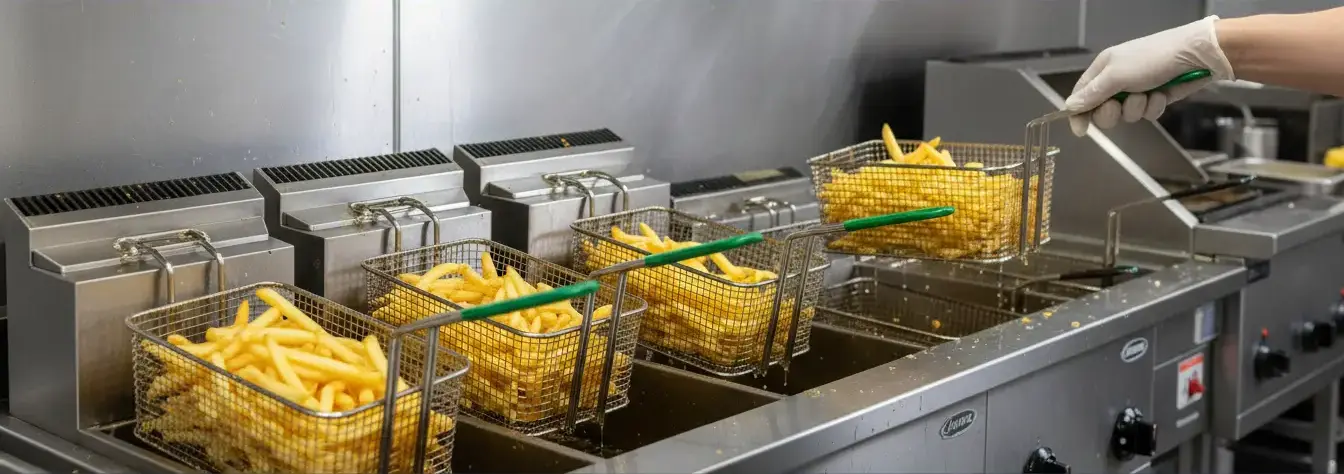
For restaurants and food service establishments in Blue Springs, managing used cooking oil (UCO) is a critical operational and environmental responsibility. Properly recycling this byproduct isn't just about compliance; it's a key step in sustainable business practices that can contribute to the local circular economy. By partnering with professional collection services, Blue Springs businesses ensure their waste oil is safely transported and transformed into valuable resources like biodiesel, renewable diesel, and other bio-based products. This guide outlines the essential steps, local considerations, and benefits of establishing a reliable fryer oil disposal and recycling program.
DAR PRO Solutions
685 Adams St, Kansas City, KS 66105
DAR PRO Solutions is a company based in Kansas City, MO, specializing in used cooking oil collection and grease trap cleaning. They provide services to businesses needing proper disposal and maintenance of cooking oil waste and grease traps. The company is known for handling waste cooking oil disposal and grease trap cleaning efficiently.
Brooks Grease Service
3901 Fairbanks Ave, Kansas City, KS 66106
Brooks Grease Service is a company based in Kansas City, MO, specializing in used cooking oil collection and grease trap cleaning. They provide services to help manage and dispose of cooking oil and grease waste efficiently. Their expertise includes grease trap cleaning to maintain proper kitchen sanitation.
Understanding Local Regulations and Best Practices
While specific municipal ordinances for Blue Springs were not detailed in available sources, food service operators must adhere to Missouri state and general environmental regulations governing waste oil. These rules are designed to protect the sewer system and local waterways from harmful blockages and pollution.
Key regulatory guidelines include:
- Prohibition on Drain Disposal: It is illegal and harmful to pour used cooking oil or grease down sinks, floor drains, or into storm sewers1 2. This practice leads to costly sewer backups and environmental damage.
- Mandated Professional Handling: Regulations typically require that used cooking oil be handled by licensed, professional rendering or recycling companies. This ensures traceability and proper processing.
- Grease Trap Maintenance: Separate from liquid oil, congealed fats and food solids should be captured in properly maintained grease interceptors (grease traps), which also require professional servicing3.
Adhering to these guidelines not only keeps your business in compliance but also supports community-wide efforts to maintain infrastructure and environmental health.
The Step-by-Step Process for Restaurant Oil Recycling
Implementing a successful used cooking oil management system involves preparation, proper storage, and scheduled service.
1. Preparation and Safe Storage
The process begins in your kitchen. Proper handling from the fryer to the storage container is crucial for safety and oil quality.
- Cool Completely: Always allow oil to cool to a safe temperature (below 120°F is recommended) before transferring it to prevent burns and damage to storage containers.
- Filter Out Solids: Strain the cooled oil to remove food particles. This results in a higher-quality product for recyclers, which can positively impact your service terms.
- Use Designated Containers: Professional collection companies typically provide secure, leak-proof storage bins or tanks, ranging from 40 to 300 gallons in capacity 4. Always use the container provided by your hauler.
2. Secure Outdoor Storage and Access
Once transferred, storage containers must be kept outside in a designated area.
- Location: Place the lidded container or tank on a stable, level surface, preferably on a concrete pad.
- Security: Use locked or secured containers to prevent unauthorized dumping, theft, or contamination5.
- Accessibility: Ensure the storage location is easily accessible for service trucks, with clear overhead and ground-level access for hoses and pumping equipment.
3. Collection and Transportation
On a scheduled basis-whether weekly, bi-weekly, or monthly-your service provider will send a vacuum truck to your location.
- The Pickup: A technician will pump the oil from your storage tank directly into the truck's sealed tank.
- Transportation: The collected oil is then transported to a licensed recycling or processing facility. For example, oil collected by a national provider like Mahoney Environmental may be processed at a facility such as Mendota Agri-Products.
Find the perfect used cooking oil collection companies for your needs
Get personalized recommendations and expert advice
What Happens to Your Used Cooking Oil?
The journey of your used fryer oil doesn't end at pickup. This waste stream is converted into valuable commodities through advanced recycling processes. Understanding this lifecycle highlights the environmental benefit of your participation.
Primary end products include:
- Renewable Fuels: The majority of collected UCO is refined into biodiesel or renewable diesel, which are cleaner-burning alternatives to petroleum diesel 6. It is also increasingly used in the production of Sustainable Aviation Fuel (SAF).
- Animal Feed Additives: Processed oil can be used as a fat supplement in livestock feed.
- Oleochemicals: The oil serves as a raw material for producing soaps, detergents, lubricants, and other industrial products.
By recycling, Blue Springs restaurants directly contribute to reducing fossil fuel dependence and creating a more sustainable supply chain.
Evaluating Service Providers and Cost Structures
Several reputable providers service the Kansas City metropolitan area, including Blue Springs. When selecting a partner, consider reliability, service frequency, and container maintenance.
Examples of service providers active in the region include Mahoney Environmental, Grease Connections, and other licensed haulers 7.
The financial model for used cooking oil collection is unique, as the oil has inherent value. Costs are not always a simple fee-for-service.
Common pricing models:
- Free Pickup for Low Volume: Many providers offer free collection services for establishments generating smaller volumes (often under 100 gallons per month), as the value of the oil covers their operational costs.
- Fee-Based or Rebate-Based for High Volume: For high-volume producers, the structure can vary. Some may charge a small per-gallon collection fee (e.g., $0.10 - $0.65), while others may share the oil's value back with the restaurant in the form of a rebate or revenue share8 9.
- Quality Matters: The cleaner and more free of contaminants your oil is, the higher its value on the recycling market. Maintaining good practices (filtering, secure storage) can maximize potential rebates or minimize fees 10.
It's essential to discuss terms clearly with any prospective service provider to understand the exact cost structure, contract length, and service inclusions.
Best Practices for Maximizing Efficiency and Value
To ensure a smooth, beneficial partnership with your oil collector, follow these operational tips:
- Establish a Routine: Designate staff members responsible for cooling, filtering, and transferring oil. Consistent practices prevent accidents and maintain oil quality.
- Communicate with Your Provider: Notify your service company promptly if your container is full ahead of schedule or if you anticipate a change in your oil volume.
- Keep the Area Clean: Maintain the area around your storage container to prevent spills and ensure a professional appearance.
- Understand Your Agreement: Know your pickup schedule, who to contact for issues, and the terms regarding container repairs or replacements.
Implementing a professional used cooking oil collection program is a straightforward way for Blue Springs restaurants to enhance their sustainability profile, ensure regulatory compliance, and potentially offset waste management costs. By turning a waste product into a resource, your business plays a part in a larger environmental solution.
Frequently asked questions
Sources
Footnotes
-
Used Cooking Oil Disposal: Complete Guide to Grease Pickups - https://greaseconnections.com/used-cooking-oil-disposal-guide-grease-pickups/ ↩
-
How to Dispose of Cooking Oil For STL Restaurants | MRC - https://millstadtrendering.com/how-to-dispose-of-cooking-oil-for-stl-restaurants/ ↩
-
Greater St. Louis Used Cooking Oil Recycling | Oil Disposal - https://greasemastersllc.com/cooking-oil-recycling/ ↩
-
What Do Restaurants Do with Grease? - Mahoney Environmental - https://www.mahoneyes.com/what-do-restaurants-do-with-grease/ ↩
-
Grease Collection Service: What is it - https://www.grandnaturalinc.com/blog/what-is-grease-collection-service.html ↩
-
What Happens To The Used Cooking Oil Once It Leaves Your Restaurant? - https://www.grandnatural.com/blog/what-happens-to-the-used-cooking-oil-once-it-leaves-your-restaurant.html ↩
-
Restaurant Grease Pick Up and Disposal Services in Kansas ... - https://www.mahoneyes.com/fryer-oil-disposal-recycling-kansas-city/ ↩
-
Restaurant Used Cooking Oil Recycling & Disposal Guide - https://greaseconnections.com/restaurant-used-cooking-oil-disposal-recycling-revenue-guide/ ↩
-
Used Cooking Oil Pickup vs Drop-Off - GreasePros Recycling - https://www.greaseprosrecycling.com/used-cooking-oil-pickup-vs-drop-off/ ↩
-
How to Store and Prepare Used Cooking Oil for Free Pickup - https://greaseconnections.com/how-to-store-and-prepare-used-cooking-oil-for-free-pickup/ ↩