Find the Best Used Cooking Oil Collection Companies for Your Business
No obligation • Fast responses • Nationwide coverage

Why you can trust Restaurant Waste Disposal
Restaurant Waste Disposal is a leading U.S. resource for comparing restaurant composting, food-waste recycling, grease trap cleaning, and used cooking oil collection services. Our editorial team researches providers, checks credentials, and organizes unbiased information so operators can make informed decisions. Companies cannot pay to change ratings or placement.
Search providers near you
Top Used Cooking Oil Collection Companies in Rockville, Maryland Ranked
For restaurants and food service establishments in Rockville, managing used cooking oil (UCO) is a critical operational and environmental responsibility. Proper handling of this waste stream is not only mandated by Montgomery County and Maryland state regulations but also presents an opportunity to contribute to the circular economy by transforming a waste product into valuable resources like biodiesel. Navigating the requirements for storage, collection, and recycling can seem complex, but establishing a reliable system with a licensed hauler ensures compliance, protects your plumbing, and can even turn a cost center into a potential revenue stream.
Why Proper UCO Management is Non-Negotiable in Rockville
Improper disposal of fryer oil, grease, and fats is a serious issue with significant consequences. Pouring these materials down drains is a primary cause of sewer blockages, leading to costly backups, plumbing repairs, and potential fines from the county 1. Beyond your facility, this "fatberg" formation damages municipal infrastructure and can cause environmental harm through sewer overflows. Maryland state law specifically requires the diversion of food residuals from landfills, and used cooking oil is a key component of this mandate 2 3. By partnering with a professional collection service, you ensure this material is legally and responsibly diverted for recycling, avoiding penalties and supporting statewide sustainability goals.
Key Regulations for Food Service Operators
Rockville businesses must adhere to a framework of local and state rules:
- Montgomery County Guidelines: The county explicitly advises against pouring cooking oil or grease down drains and provides resources for proper recycling through licensed collectors.
- Maryland Food Residuals Law: This regulation requires certain food waste generators to divert material from landfills, with used cooking oil being a readily recyclable stream. Compliance involves contracting with a licensed hauler for proper collection and processing.
- Best Management Practices (BMPs): Adopting internal practices like using drain screens, promptly cleaning up spills, and training staff on proper oil handling are essential for operational safety and environmental stewardship.
The Professional Collection and Recycling Process
Engaging a professional used cooking oil collection service streamlines compliance and turns waste into a resource. The standard process is straightforward and efficient:
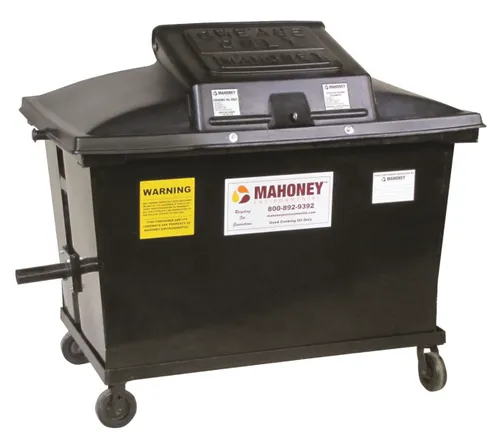
- Containerization & Storage: After use, oil is cooled and transferred into a dedicated, sealed container provided by your hauler-typically a sturdy, lockable metal or plastic bin. Keeping this container clean and free of water or food debris is crucial for maintaining oil quality.
- Scheduled Pickup: Your contracted service provider will establish a regular collection schedule (e.g., weekly, bi-weekly, or monthly) based on your volume. A technician will service your container, swapping it out for a clean one if necessary.
- Transportation & Processing: The collected oil is transported to a processing facility where it is filtered and purified. From here, it begins a new life as a feedstock for renewable biofuels like biodiesel or is processed into ingredients for animal feed 4 5.
- Documentation: Reputable haulers provide documentation for your records, which can be important for demonstrating regulatory compliance.
Find the perfect used cooking oil collection companies for your needs
Get personalized recommendations and expert advice
Best Practices for On-Site Oil Handling
A successful UCO program starts inside your kitchen. Implementing these practices protects your business and maximizes the value of your oil:
- Never Use Drains or Trash: Absolutely never pour used oil, grease, or fatty liquids down sinks, floor drains, or toilets. Also, avoid disposing of solidified grease in the regular trash.
- Use Dedicated, Sealed Containers: Store oil only in containers designed for the purpose. Ensure lids are secure to prevent leaks, spills, and contamination.
- Minimize Contamination: Keep water, soap, and large food particles out of your UCO storage container. Contaminated oil has lower recycling value and can cause issues during processing.
- Train Your Team: Ensure all kitchen staff understand the proper procedures for filtering, cooling, and transferring oil into the collection container. Clear training prevents costly mistakes 6.
Understanding Costs and Potential Revenue
The financial model for used cooking oil collection is typically volume-based. Many services structure their agreements so that the cost to you is offset or even reversed by the value of the oil itself.
- For Lower Volumes: Establishments generating smaller amounts (e.g., under 100 gallons per pickup) may have a service fee for collection or qualify for free pickup, as the hauler's revenue comes from the aggregated recycled product.
- Potential for Rebates: Restaurants with high, consistent output of clean, uncontaminated used cooking oil-common for busy establishments with heavy fryer use-can often earn a rebate. This payment is based on market prices for recycled oil and can range significantly, potentially turning a disposal cost into a minor revenue stream.
- The Cost of Non-Compliance: It's critical to weigh these potential fees or rebates against the high cost of plumbing emergencies, environmental fines, or penalties for illegal disposal. Professional recycling is a cost-effective risk management strategy 7 8.
Choosing a Collection Service in Rockville
Selecting the right partner is key. Look for a provider that is fully licensed and insured to operate in Montgomery County. Transparency in service agreements, clear communication about schedules, and a reliable track record are essential. Inquire about their processing partners to ensure the oil is truly being recycled into sustainable products like biodiesel. Finally, discuss their pricing structure openly to understand any fees or potential rebates based on your estimated output.
Frequently asked questions
Sources
Footnotes
-
How to recycle / dispose hamburger grease - Montgomery County - https://www2.montgomerycountymd.gov/DepHowDoI/material.aspx?tag=cooking-oil&key=338 ↩
-
Used Cooking Oil Disposal, MD | PA - Planet Fry - https://www.planetfryglobal.com/used-oil-collection ↩
-
COMPLIANCE GUIDE FOR REGULATIONS - Food Residuals - https://mde.maryland.gov/programs/land/RecyclingandOperationsprogram/Documents/MDE%20Food%20Residuals%20Diversion%20Regulations%20Compliance%20Guide%20%28Mar.%2023%29.pdf ↩
-
Recycling Used Cooking Oil With Green Grease Environmental - https://www.youtube.com/watch?v=KP05Yx-GkHk ↩
-
What happens with the used oil from restaurants and fast-food ... - https://www.quora.com/What-happens-with-the-used-oil-from-restaurants-and-fast-food-chains-Is-there-any-sort-of-recycling ↩
-
Used Cooking Oil (UCO) Collection Service For Restaurants - https://thegreasecompany.com/blog/restaurant-used-cooking-oil-collection/ ↩
-
Restaurant Used Cooking Oil Recycling & Disposal Guide - https://greaseconnections.com/restaurant-used-cooking-oil-disposal-recycling-revenue-guide/ ↩
-
Restaurant Oil and Grease Disposal - Maryland Aviation ... - https://marylandaviation.com/tenants/environmental/restaurants/restaurant-oil-and-grease-disposal/ ↩