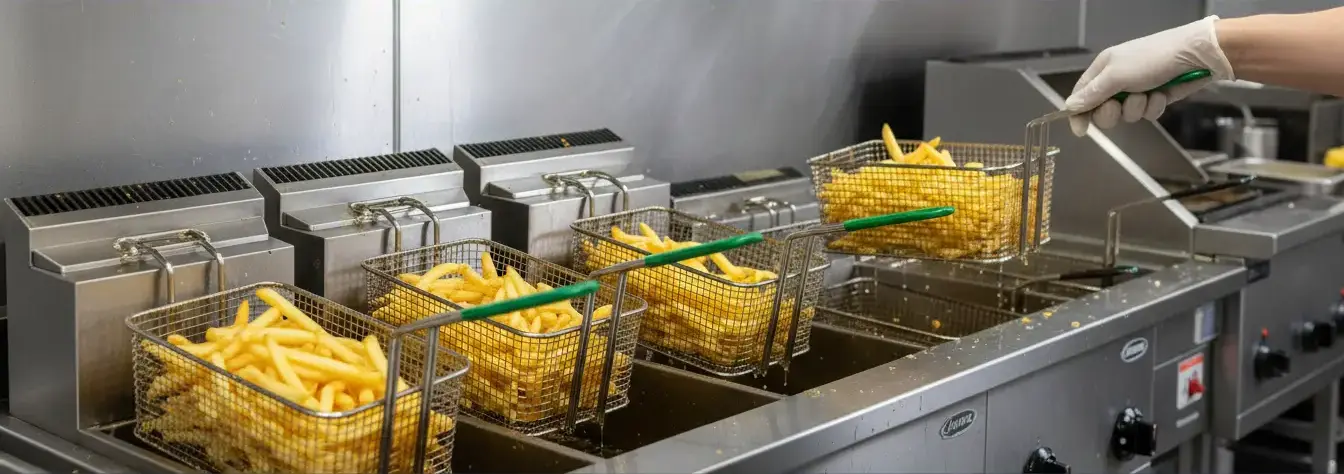
Find the Best Used Cooking Oil Collection Companies for Your Business
No obligation • Fast responses • Nationwide coverage

Why you can trust Restaurant Waste Disposal
Restaurant Waste Disposal is a leading U.S. resource for comparing restaurant composting, food-waste recycling, grease trap cleaning, and used cooking oil collection services. Our editorial team researches providers, checks credentials, and organizes unbiased information so operators can make informed decisions. Companies cannot pay to change ratings or placement.
Search providers near you
Top Used Cooking Oil Collection Companies in Baltimore, Maryland Ranked
For Baltimore's bustling restaurant scene, managing used cooking oil (UCO) is far more than a simple cleanup task-it's a critical component of operational efficiency, environmental responsibility, and regulatory compliance. Properly handled, this byproduct transforms from a potential waste liability into a valuable commodity. In Baltimore, a structured system of secure storage, professional collection, and advanced recycling ensures that used fryer oil is kept out of sewers and converted into useful products like biodiesel. This process not only helps restaurants adhere to local and state laws but can also turn into a surprising source of revenue. Understanding the local requirements and partner landscape is the first step to optimizing your kitchen's waste stream.
Atlantic BioFuels
Baltimore, MD
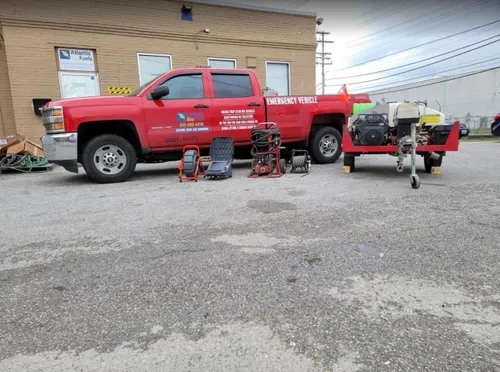
Atlantic BioFuels is based in Baltimore, MD, providing used cooking oil collection and grease trap cleaning services. They serve Maryland, DC, and Virginia, offering tailored oil and grease disposal solutions for restaurants, cafés, and hotels. The company converts waste vegetable oil into ISSC Certified biodiesel fuel and handles all logistics, including providing containers and regular pickups. Their capabilities include grease trap cleaning, kitchen hood cleaning, and hydro-jetting pipes to maintain commercial kitchen operations.
Mahoney Environmental Restaurant Cooking Oil Recycling
11401 Somerset Ave, Beltsville, MD 20705
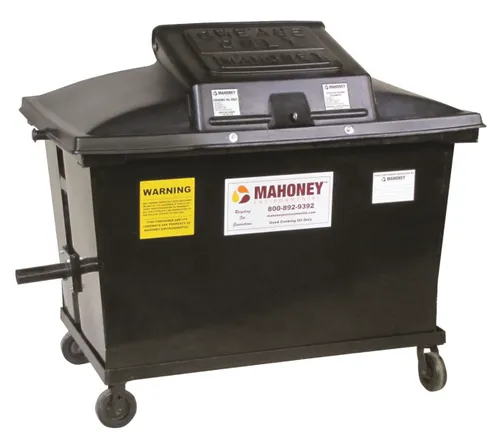
Mahoney Environmental Restaurant Cooking Oil Recycling is a used cooking oil collection company based in Washington, DC. They specialize in collecting used cooking oil from restaurants to support environmental sustainability and waste reduction. The company focuses on improving both business efficiency and environmental impact through responsible oil recycling.
Why Proper UCO Management is Non-Negotiable in Baltimore
In Maryland, the improper disposal of Fats, Oils, and Grease (FOG) is not just discouraged-it's illegal. State and local regulations strictly prohibit the dumping of used cooking oil into drains, sewers, or garbage disposals 1 2. This is because FOG is a primary cause of sewer blockages and overflows, leading to costly municipal repairs, environmental contamination, and potential public health issues. The Baltimore City Department of Public Works provides specific guidance to food service establishments on proper FOG handling to prevent these problems 3.
Beyond legal compliance, there are practical business reasons to manage UCO professionally:
- Prevent Costly Backups: Pouring oil down the drain leads to solidified grease clogs in your own plumbing, resulting in expensive emergency repairs and operational downtime.
- Avoid Violations and Fines: Non-compliance with disposal regulations can lead to significant fines from city inspectors.
- Enhance Safety and Cleanliness: Secure, professional containers reduce slip hazards, pest attraction, and unpleasant odors in and around your dumpster area.
- Protect Your Brand: Demonstrating environmentally responsible practices resonates positively with an increasingly eco-conscious customer base.
The Standard Process for Restaurant Oil Collection
A seamless used cooking oil recycling program follows a consistent cycle from your fryer to its new life as a recycled product.
- Secure On-Site Storage: After use, oil is safely transferred from fryers into dedicated, leak-proof containers provided by your collection service. These are typically locked, durable bins or tanks ranging from 35 to 240 gallons in capacity, designed to prevent spills, contamination, and theft.
- Scheduled Professional Pickup: A licensed hauler will establish a regular pickup schedule-whether weekly, bi-weekly, or monthly-based on your establishment's volume of oil production. You simply ensure the container is accessible on the scheduled day.
- Transport and Processing: The collector transports the oil to a processing facility. Here, it undergoes filtering to remove food particles and water.
- Transformation into New Products: The clean oil is then ready for recycling. The most common destination is a biodiesel production facility, where through a process called transesterification, the used vegetable oil is converted into clean-burning fuel. Other end uses include animal feed supplements, industrial lubricants, or feedstock for biogas production.
Understanding Costs and Potential Revenue
One of the most compelling aspects of modern UCO collection is its financial structure. For many restaurants, this service is not an expense but a break-even or even revenue-generating operation.
- Free Pickup Services: It is common for collection companies to offer free pickup and container rental for restaurants that generate a minimum volume of oil, often under 100 gallons per month 4. This makes professional recycling accessible to smaller cafes, pizzerias, and other establishments.
- Rebate Programs: For medium to high-volume producers (typically those generating 100 to 500+ gallons per month), many providers offer rebate programs. Payments can range from 10 cents to over 65 cents per gallon, depending on market prices for feedstock oil 5. This can effectively offset other waste management costs or become a modest secondary income stream.
- The Value of Compliance: While harder to quantify, the value of avoiding a single sewer backup fine or plumbing emergency often far outweighs any nominal cost associated with a premium collection service. Professional recycling handles the logistics and compliance burden for you, turning a waste product into a financial and operational benefit 6.
Find the perfect used cooking oil collection companies for your needs
Get personalized recommendations and expert advice
Choosing a Collection Partner in Baltimore
Selecting the right service provider is key to a reliable and beneficial UCO program. Reputable companies in the Baltimore area offer more than just a pickup; they provide a partnership that ensures compliance and efficiency.
Key factors to consider include:
- Licensing and Insurance: Ensure the hauler is fully licensed to operate in Maryland and carries appropriate insurance.
- Container Quality and Security: Providers should supply robust, locked containers to prevent tampering and spills.
- Service Reliability: Look for a company with a proven track record of on-time pickups to prevent container overflows.
- Transparent Agreements: Understand the terms of service, including pickup frequency, rebate calculations (if applicable), and any potential fees.
Several established providers serve the Baltimore market, such as Mahoney Environmental, which offers automated systems, heated outdoor tanks, and regular pickups for various business sizes 7. Grand Natural Inc. operates a large collection network, often providing free service for minimum volumes 8. The Grease Company is another provider offering comprehensive collection and recycling services 9.
Best Practices for On-Site Management
A successful program starts inside your kitchen. Proper employee training and procedures are essential.
- Designate a Cooling and Transfer Area: Allow oil to cool completely before handling. Designate a specific, safe area with spill containment for transferring oil from fryers to the storage container.
- Implement Clear Staff Training: Train all kitchen staff on the proper procedure for disposing of UCO. Emphasize that it must never go down the drain or into regular trash.
- Prevent Contamination: Keep the storage container's lid closed when not in use. Avoid mixing used cooking oil with other liquids, grease trap waste, or solid food debris, as contamination can lower its recycling value.
- Maintain Accessibility: Ensure the outdoor collection container is easily accessible for the hauler's truck on pickup day, free of obstructions like parked cars or dumpsters.
The Environmental Impact of Recycling UCO
When you participate in a used cooking oil recycling program, you're contributing to a circular economy with significant environmental benefits. The biodiesel produced from recycled UCO burns cleaner than petroleum diesel, reducing greenhouse gas emissions and particulate matter pollution 10. By keeping this material out of landfills and sewers, you're also helping to conserve water treatment resources and protect local waterways like the Chesapeake Bay from contamination. It's a direct way for your restaurant to reduce its environmental footprint.
Frequently asked questions
Sources
Footnotes
-
Restaurant Grease Pick Up and Disposal Services in ... - https://www.mahoneyes.com/fryer-oil-disposal-recycling-baltimore-md/ ↩
-
Restaurant Oil and Grease Disposal - Maryland Aviation ... - https://marylandaviation.com/tenants/environmental/restaurants/restaurant-oil-and-grease-disposal/ ↩
-
FOG: Fats, Oils & Grease From the Pan to the Can - https://publicworks.baltimorecity.gov/sites/default/files/FOG_Manual_2016.pdf ↩
-
Used Cooking Oil Pickup vs Drop-Off-What's Best for Restaurants? - https://www.greaseprosrecycling.com/used-cooking-oil-pickup-vs-drop-off/ ↩
-
Used Cooking Oil Disposal: Complete Guide to Grease Pickups - https://greaseconnections.com/used-cooking-oil-disposal-guide-grease-pickups/ ↩
-
Restaurant Used Cooking Oil Recycling & Disposal Guide - https://greaseconnections.com/restaurant-used-cooking-oil-disposal-recycling-revenue-guide/ ↩
-
Used Cooking Oil Pick Up and Recycling Services in ... - https://www.mahoneyes.com/waste-oil-pickup-recycling-baltimore-md/ ↩
-
Used Cooking Oil Collection Baltimore - https://www.grandnaturalinc.com/locations/used-cooking-oil-recycling-in-baltimore.html ↩
-
Used Cooking Oil (UCO) Collection Service For Restaurants - https://thegreasecompany.com/blog/restaurant-used-cooking-oil-collection/ ↩
-
How Is Used Cooking Oil Recycled? What You Should Know - https://www.thegreasetrapcleaners.com/blog/how-is-used-cooking-oil-recycled-what-you-should-know ↩