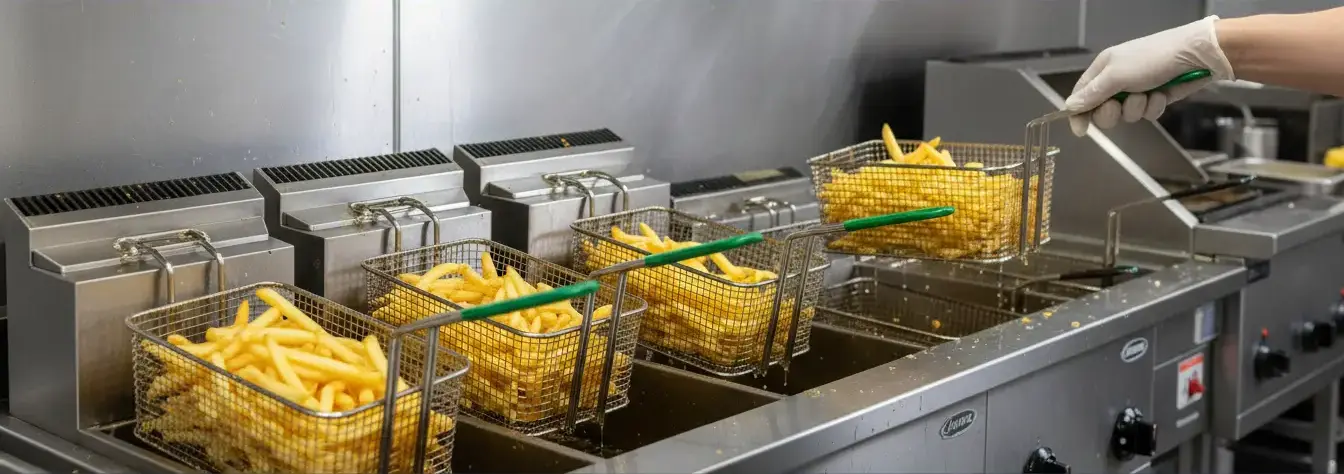
Find the Best Used Cooking Oil Collection Companies for Your Business
No obligation • Fast responses • Nationwide coverage

Why you can trust Restaurant Waste Disposal
Restaurant Waste Disposal is a leading U.S. resource for comparing restaurant composting, food-waste recycling, grease trap cleaning, and used cooking oil collection services. Our editorial team researches providers, checks credentials, and organizes unbiased information so operators can make informed decisions. Companies cannot pay to change ratings or placement.
Search providers near you
Best Used Cooking Oil Collection Companies in Maryland Ranked
For restaurants and food service businesses in Maryland, managing used cooking oil (UCO) is a critical operational and environmental responsibility. Proper collection and recycling are not just best practices; they are mandated by state regulations designed to protect public infrastructure and promote waste diversion. Effective UCO management involves understanding storage requirements, partnering with licensed haulers, and ensuring the oil is recycled into beneficial products like biodiesel or animal feed. This guide outlines the essential steps, legal requirements, and practical considerations for compliant and cost-effective used cooking oil collection in Maryland.
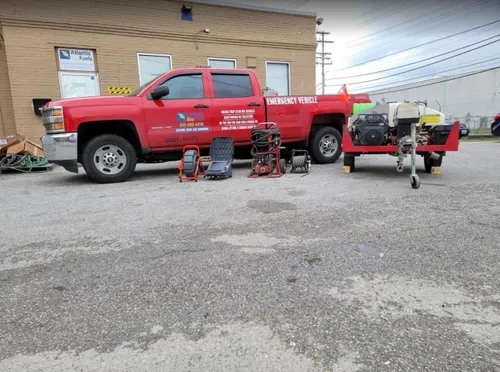
Maryland's Regulatory Landscape for UCO
Maryland has specific laws governing the disposal of food waste, which includes used cooking oil. The state's food residuals diversion regulations, which took full effect in 2023, require commercial food waste generators to separate these materials from the general solid waste stream. This means used fryer oil cannot simply be thrown in the trash. Furthermore, strict rules prohibit the disposal of fats, oils, and grease (FOG) into sewer systems. Pouring oil down drains is a leading cause of sanitary sewer overflows, which can result in significant environmental damage and hefty fines for the responsible business.
The Maryland Department of the Environment (MDE) oversees these regulations. Businesses must ensure that their used cooking oil is transported by a licensed hauler to an approved recycling facility. Maintaining records of your waste diversion efforts, including hauler contracts and recycling destination documentation, is a key part of demonstrating compliance.
Step-by-Step Process for Proper UCO Management
A systematic approach ensures safety, compliance, and operational efficiency.
1. Cooling and Initial Handling Safety is paramount. Always allow cooking oil to cool completely before handling, ideally below 120°F. Transferring hot oil risks severe burns and can damage storage containers. Use dedicated, clean equipment for transferring oil from fryers to storage containers to avoid contamination.
2. Secure and Compliant Storage Proper storage is the cornerstone of an effective program. Used cooking oil must be kept in dedicated, leak-proof containers or tanks that are clearly labeled. These containers should have secure, tight-fitting lids to prevent spills, odors, and pests. Storage areas should be on a solid, impermeable surface, preferably with secondary containment (like a spill pallet) to catch any accidental leaks 1. For convenience and easy access for haulers, position storage containers near your facility's back door or in another designated service area.
3. Partnering with a Licensed Hauler and Recycler You cannot transport commercial quantities of used cooking oil yourself without proper licensing 2. It is essential to contract with a reputable, MDE-licensed hauler who will provide regularly scheduled pickups. These professionals supply and service the storage containers and transport the oil to facilities where it is processed into renewable resources 3. When selecting a service, confirm their licensing and the final recycling destination for your oil.
4. Coordinating with Grease Trap Maintenance Used cooking oil collection is one part of a comprehensive FOG management plan. Your kitchen's grease trap intercepts fats and grease from wastewater before it enters the sewer line. These two services-UCO collection and grease trap cleaning-are complementary and should be scheduled in coordination to ensure all grease waste is managed properly and to prevent system backups 4.
Find the perfect used cooking oil collection companies for your needs
Get personalized recommendations and expert advice
Understanding Costs and Potential Revenue
The cost structure for used cooking oil collection in Maryland varies primarily based on the volume your business generates.
- Low Volume (Less than 100 gallons per week): Many haulers offer free pickup services for smaller generators, as the value of the recycled oil offsets their collection costs 5.
- Medium Volume (100-300 gallons per week): Businesses in this range may pay a monthly service fee, typically between $150 and $300, or a per-gallon charge ranging from $0.10 to $0.25.
- High Volume (300+ gallons per week): Larger restaurants or food processing facilities can expect monthly fees from $300 to over $600, with per-gallon rates potentially ranging from $0.25 to $0.65 or more 6 7.
In some cases, particularly for very high-volume generators, contracts may include a revenue-sharing model where the restaurant receives a portion of the profit from the sale of the recycled oil. It's important to get detailed quotes from several licensed providers to understand the pricing model that best fits your operation.
Environmental and Operational Benefits
Proper used cooking oil collection delivers significant advantages beyond mere compliance. Environmentally, recycling UCO into biodiesel reduces dependence on fossil fuels and lowers greenhouse gas emissions. When processed into animal feed supplements, it provides a valuable agricultural resource. Operationally, a well-managed program prevents costly kitchen drain blockages, reduces pest infestations, and eliminates the liability and foul odors associated with improper oil disposal 8. It also simplifies compliance with state waste diversion goals, protecting your business from potential fines and enforcement actions 9.
Creating a Compliant In-House Protocol
To ensure consistency, train all kitchen staff on your UCO procedures. Key training points should include:
- Letting oil cool before handling.
- Using only designated, labeled containers for storage.
- Never pouring oil down sinks, floor drains, or into outdoor storm drains.
- Immediately reporting any spills or leaks.
- Keeping the storage area clean and accessible for hauler pickup.
Post clear instructions near fryers and the UCO storage area. Maintain a log to track oil disposal dates and hauler service visits, as this record-keeping is a vital part of Maryland's compliance requirements 10 11.
Frequently asked questions
Sources
Footnotes
-
Managing Used Oil: Answers to Frequent Questions for Businesses - https://www.epa.gov/hw/managing-used-oil-answers-frequent-questions-businesses ↩
-
Oil Transportation Licenses and Permits - https://mde.maryland.gov/programs/land/oilcontrol/pages/oiltransportation.aspx ↩
-
Restaurant Grease Pick Up and Disposal Services in Baltimore, MD - https://www.mahoneyes.com/fryer-oil-disposal-recycling-baltimore-md/ ↩
-
Restaurant Oil and Grease Disposal - Maryland Aviation ... - https://marylandaviation.com/tenants/environmental/restaurants/restaurant-oil-and-grease-disposal/ ↩
-
Used Cooking Oil Pickup vs Drop-Off-What's Best for Restaurants? - https://www.greaseprosrecycling.com/used-cooking-oil-pickup-vs-drop-off/ ↩
-
Used Cooking Oil Disposal: Complete Guide to Grease Pickups - https://greaseconnections.com/used-cooking-oil-disposal-guide-grease-pickups/ ↩
-
Restaurant Used Cooking Oil Recycling & Disposal Guide - https://greaseconnections.com/restaurant-used-cooking-oil-disposal-recycling-revenue-guide/ ↩
-
Restaurant Oil Disposal: Explained - Eazy Grease - https://eazygrease.com/how-do-restaurants-get-rid-of-their-oil/ ↩
-
Cease the Grease | Baltimore County Government - https://www.baltimorecountymd.gov/departments/public-works/utilities/cease-the-grease ↩
-
COMPLIANCE GUIDE FOR REGULATIONS - Food Residuals - https://mde.maryland.gov/programs/land/RecyclingandOperationsprogram/Documents/MDE%20Food%20Residuals%20Diversion%20Regulations%20Compliance%20Guide%20%28Mar.%2023%29.pdf ↩
-
COMPLIANCE GUIDE FOR REGULATIONS - Food Residuals - https://mde.maryland.gov/programs/land/RecyclingandOperationsprogram/SiteAssets/Pages/Solid-Waste-Management---Organics-Recycling-and-Waste-Diversion---Food-Residuals/MDE%20Food%20Residuals%20Diversion%20Regulations%20Compliance%20Guide%20%28Oct%202024%29.pdf ↩