
Find the Best Used Cooking Oil Collection Companies for Your Business
No obligation • Fast responses • Nationwide coverage

Why you can trust Restaurant Waste Disposal
Restaurant Waste Disposal is a leading U.S. resource for comparing restaurant composting, food-waste recycling, grease trap cleaning, and used cooking oil collection services. Our editorial team researches providers, checks credentials, and organizes unbiased information so operators can make informed decisions. Companies cannot pay to change ratings or placement.
Search providers near you
Top Used Cooking Oil Collection Companies in Jeffersonville, Indiana Ranked
For restaurants and food service establishments in Jeffersonville, managing used cooking oil (UCO) is a critical operational and environmental responsibility. Proper grease trap maintenance and oil collection are not just best practices-they are mandated by local ordinance to protect the city's sewer infrastructure from harmful Fats, Oils, and Grease (FOG). Partnering with a licensed hauler for professional used oil pickup ensures compliance, provides proof of proper disposal, and can even turn a waste product into a resource for biodiesel production. This guide outlines the essential steps, regulations, and benefits of establishing a reliable UCO collection system for your Jeffersonville business.
Understanding Jeffersonville's FOG Regulations
The City of Jeffersonville enforces specific rules to prevent sewer blockages and environmental damage through Ordinance 2010-OR-40. Compliance is non-negotiable for all food service establishments.
- Mandatory Grease Traps/Interceptors: Every restaurant must have a properly sized and functioning grease trap or interceptor. This device captures FOG before wastewater enters the public sewer system, preventing costly clogs and backups 1.
- City Inspections: The city conducts regular inspections of these grease traps to ensure they are being maintained correctly. Failure to maintain your trap can result in significant fines.
- Professional Hauling Requirement: Used cooking oil must be collected by a licensed hauler. Pouring oil down drains, into dumpsters, or on the ground is illegal and poses serious environmental and pest control risks.
Adhering to these regulations is the first step in a responsible kitchen waste management plan.
Best Practices for On-Site Oil Storage & Handling
Before collection even occurs, how you handle and store your used fryer oil on-site is crucial for safety, compliance, and efficiency.
- Proper Filtering: Before transferring oil to storage containers, filter out food particles and water. Cleaner oil is more valuable for recycling and less likely to spoil or cause issues in storage tanks 2.
- Secure, Sealed Containers: Always store UCO in dedicated, airtight containers provided or recommended by your collection service. These are typically sturdy drums or specialized tanks designed to prevent leaks, spills, and odors.
- Prevent Contamination & Theft: Keep storage containers in a secure, locked area. Used cooking oil has value on the commodities market, making it a target for theft. A locked cage or secured yard deters theft and ensures your oil is accounted for. Furthermore, keeping water and food waste out of the oil preserves its quality for recyclers.
The Professional Collection & Recycling Process
Engaging a professional collection service streamlines compliance and contributes to a circular economy. Here's what a typical service entails:
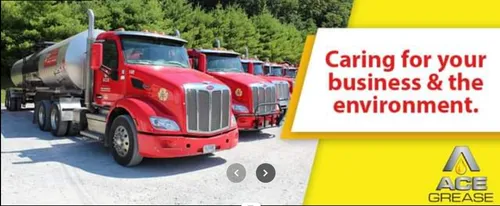
- Scheduled Pickups: Your hauler will establish a regular pickup schedule based on your oil volume-weekly, bi-weekly, or monthly. They arrive with specialized trucks to pump oil from your on-site storage tank or swap out full drums for empty ones.
- Crucial Documentation: Upon each collection, the hauler provides a manifest or receipt. This document is your legal proof of compliant disposal and is essential to have on hand during city inspections 3.
- From Waste to Resource: The collected oil is transported to a processing facility where it is cleaned and refined. The primary end product is biodiesel, a renewable fuel that reduces dependence on fossil fuels. UCO can also be processed into animal feed supplements, soaps, and industrial lubricants.
This process transforms a logistical challenge into an environmental positive, ensuring your kitchen waste is repurposed responsibly.
Find the perfect used cooking oil collection companies for your needs
Get personalized recommendations and expert advice
Cost Structure and Potential Revenue
The financial model for used cooking oil collection is typically volume-based. Understanding this can help you manage costs or even generate a small income stream.
- Free Pickup Services: Many collection companies offer free pickup for establishments with lower volumes of oil (often under 100 gallons per month). They profit from the recycled commodity, making the service cost-neutral for you.
- Rebate Programs: For restaurants with higher oil output (e.g., 100+ gallons per month), haulers often provide a rebate based on market prices. These rebates can range from $0.10 to $0.65 per gallon, providing a direct financial return on your UCO 4 5.
- Service Fees: In some cases, particularly for very small volumes or complex service requirements, a company may charge a modest service fee. It's important to discuss all potential fees and rebate structures upfront when selecting a provider.
Choosing a Service Provider in Jeffersonville
Selecting the right partner is key. Look for a licensed, insured, and reputable hauler with experience serving Southern Indiana.
- Verify Licensing: Ensure the company is licensed to operate in Jeffersonville and Indiana.
- Ask About Logistics: Discuss container options (will they supply a tank or drums?), pickup frequency, and emergency service availability.
- Understand the Financials: Clearly ask about their pricing model. Is pickup free? Do they offer a rebate, and what is the current rate? Are there any contractual obligations or fees?
- Insist on Documentation: Confirm that they provide detailed manifests or certificates of recycling with every pickup. This paperwork is your key to compliance 6 7.
Local and regional providers like Frytech and The Grease Company are examples of companies familiar with Indiana's regulatory landscape and can guide you through the process 8.
The Environmental and Community Impact
Beyond compliance, proper used cooking oil collection has a profound positive impact. By ensuring your oil is recycled into biodiesel, you are directly contributing to a reduction in greenhouse gas emissions and fossil fuel consumption 9 10. You also help protect the local environment by preventing oil from contaminating soil and waterways. Furthermore, you support the city's infrastructure by reducing the burden on sewer systems, which helps avoid public works issues and keeps utility costs stable for the entire community 11. It's a simple operational step with wide-reaching benefits.
Frequently asked questions
Sources
Footnotes
-
Jeffersonville Restaurant Grease Trap Cleaner - https://moongreasetrapcleaning.com/jeffersonville-restaurant-grease-trap-cleaner/ ↩
-
Used Cooking Oil Pickup vs Drop-Off - GreasePros Recycling - https://www.greaseprosrecycling.com/used-cooking-oil-pickup-vs-drop-off/ ↩
-
Restaurant Oil Disposal: Explained - Eazy Grease - https://eazygrease.com/how-do-restaurants-get-rid-of-their-oil/ ↩
-
Used Cooking Oil Disposal: Complete Guide to Grease Pickups - https://greaseconnections.com/used-cooking-oil-disposal-guide-grease-pickups/ ↩
-
Restaurant Used Cooking Oil: Disposal, Recycling & Revenue Guide - https://greaseconnections.com/restaurant-used-cooking-oil-disposal-recycling-revenue-guide/ ↩
-
Better Cooking Oil Collection for Indiana Eateries - https://evergreengrease.com/posts/better-cooking-oil-collection ↩
-
Indiana Used Cooking Oil Recycling - Frytech Edible Oils - https://frytechoils.com/what-is-indiana-used-cooking-oil-recycling-and-how-do-you-find-a-used-cooking-oil-recycling-company/ ↩
-
Cooking Oil Collection & Grease Recycling Service - https://thegreasecompany.com/oilcollection.html ↩
-
Used Cooking Oil (UCO) Collection Service For Restaurants - https://thegreasecompany.com/blog/restaurant-used-cooking-oil-collection/ ↩
-
Indiana Cooking Oil Collections Company | Frytech - https://frytechoils.com/do-i-need-a-indiana-cooking-oil-collections-company-to-dispose-of-cooking-oil/ ↩
-
FOG and Grease Traps - City of Jeffersonville - https://cityofjeff.net/fog-and-grease-traps/ ↩