Find the Best Used Cooking Oil Collection Companies for Your Business
No obligation • Fast responses • Nationwide coverage

Why you can trust Restaurant Waste Disposal
Restaurant Waste Disposal is a leading U.S. resource for comparing restaurant composting, food-waste recycling, grease trap cleaning, and used cooking oil collection services. Our editorial team researches providers, checks credentials, and organizes unbiased information so operators can make informed decisions. Companies cannot pay to change ratings or placement.
Search providers near you
Top Used Cooking Oil Collection Companies in Anderson, Indiana Ranked
For restaurants and food service establishments in Anderson, managing used cooking oil (UCO) is a critical operational and environmental responsibility. Proper disposal of this waste grease is not just about cleanliness; it's a regulated process that protects local sewer systems and creates valuable feedstock for renewable energy. By partnering with a professional grease collection service, Anderson businesses can ensure compliance with city ordinances, improve kitchen safety, and contribute to a circular economy where used oil is transformed into biodiesel and other sustainable products. This guide outlines the local requirements, how the collection and recycling process works, and the practical steps for establishing a reliable service.
Local health and public works departments enforce specific rules to prevent fats, oils, and grease (FOG) from entering the municipal sewer system. In Anderson and across Madison County, it is prohibited to pour used oil or grease down sinks, floor drains, or mop sinks 1. Such actions can lead to severe sewer blockages, environmental harm, and potential fines. Compliance involves storing UCO in designated, secure, and covered containers that are leak-proof. These containers, often provided by collection companies, must be properly maintained whether stored indoors or outdoors to prevent spills and pests. Adhering to these standards is the first step in a responsible waste management plan.
Fry Tech Edible Oils
4830 Industrial Pkwy, Indianapolis, IN 46226
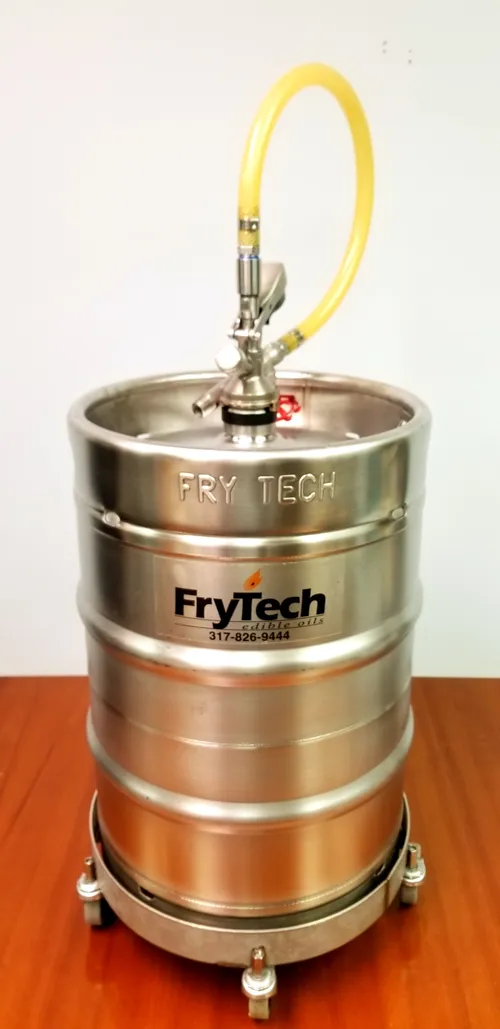
Fry Tech Edible Oils is a cooking oil management company based in Indianapolis, IN. They provide cooking oil delivery, collection, pickup, and recycling services tailored to commercial kitchens such as restaurants, hospitals, schools, supermarkets, and convenience stores. Their service area covers Indiana, Michigan, Northern Kentucky, and Western Ohio. Fry Tech offers customized cooking oil management plans that include high-quality cooking oils with good nutritional value and stability, managing all aspects of delivery and collection to support their clients' operations.

Restaurant Technologies
is, 9703 E 153rd St #400, Noblesville, IN 46060
Restaurant Technologies is a used cooking oil collection company based in Carmel, IN. They offer an automatic cooking oil management system that includes bulk oil delivery, filtration, and recycling through a closed-loop process. Their service features the installation of tanks connected to fryers, allowing for safe and efficient oil handling without manual labor. The company operates a depot in Indianapolis and serves commercial kitchens looking to improve safety and sustainability while reducing labor associated with cooking oil management.
Understanding Local FOG Regulations
Navigating local ordinances is essential for any food service operator. Regulations are designed to prevent sewer overflows and the costly repairs they necessitate. The core principle is containment: used frying oil and grease must be intercepted before it can enter wastewater streams. This means having the right equipment and procedures in place.
- Proper Storage is Mandatory: Rules typically require UCO to be stored in sturdy containers like barrels or drums with tight-fitting lids. Many professional services supply these containers as part of their pickup agreement.
- Prevent Drain Disposal: A key focus of enforcement is eliminating the practice of pouring grease down any drain. Staff training on this point is crucial for compliance.
- Regular Collection: To prevent overflow and spills, ordinances often imply or explicitly require that stored oil be collected at regular intervals. A scheduled pickup service with a reliable provider is the most straightforward way to meet this expectation.
The Grease Collection and Recycling Process
Professional used cooking oil collection transforms a waste product into a resource. The process is streamlined and designed for minimal disruption to your kitchen operations.
- Container Provision: A service provider will typically deliver and place specialized collection bins at your location. These range in size from 40 to over 300 gallons to match your volume of oil production.
- Scheduled Pickups: Based on your usage, a regular pickup schedule (weekly, bi-weekly, or monthly) is established. On the scheduled day, a technician will safely pump the oil from your container into a dedicated collection truck.
- Transport and Recycling: The collected oil is transported to a processing facility. Here, it is cleaned and refined to become a primary ingredient for renewable biofuels like biodiesel and sustainable aviation fuel, or other products like animal feed and soap.
- Additional Services: Many full-service providers also offer complementary services such as grease trap cleaning and maintenance, providing a complete solution for your kitchen's grease management needs 2.
Cost Structure and Potential Value Recovery
A common misconception is that used cooking oil disposal is a pure cost center. In reality, the model for collection services often makes it affordable or even revenue-generating for businesses that produce sufficient volume.
- Free Collection Services: Many providers offer free pickup and container rental for establishments that generate a minimum amount of oil, often starting around 40 gallons per collection cycle 3. This is because the value of the recycled oil offsets their service cost.
- Rebate and Payment Programs: For restaurants with high-quality, well-maintained oil (free from excessive food debris and water), rebate programs may apply. Payments can range, historically, from $0.10 to $0.65 per gallon, effectively turning a waste stream into a minor revenue source 4 5.
- Avoiding Potential Costs: The primary financial benefit is avoiding the significant costs associated with non-compliance, including municipal fines, emergency plumbing services for clogged drains, and damage to public infrastructure that can lead to increased sewer fees 6 7. Professional, consistent collection is a preventative investment.
Find the perfect used cooking oil collection companies for your needs
Get personalized recommendations and expert advice
Service Providers Operating in the Anderson Area
Several established companies service the Anderson and central Indiana region, offering reliable grease collection and recycling. These providers handle the logistics, permitting, and recycling partnerships, allowing you to focus on your business.
- Grand Natural: This provider emphasizes free collection services for qualifying volumes and offers flexible container options for both interior and exterior storage locations.
- Mahoney Environmental: A national service with local operations, Mahoney provides comprehensive used cooking oil collection and recycling, along with kitchen equipment services and grease trap cleaning.
- Frytech Edible Oils: An Indiana-based company specializing in cooking oil collection, delivery, and recycling, focusing on converting used oil into renewable fuel 8 9 10.
When evaluating providers, consider their service reliability, container options, pickup scheduling flexibility, and any value-add services like grease trap maintenance.
Implementing a Successful UCO Management Plan
Taking a proactive approach to used cooking oil management safeguards your business and streamlines operations. Here are the recommended next steps for Anderson restaurant owners and managers.
- Contact Local Providers: Reach out to two or three service companies for quotes. Discuss your average weekly oil usage, preferred pickup frequency, container placement, and ask detailed questions about any fees or potential rebate programs 11 12.
- Verify Local Ordinances: While this guide summarizes common rules, it's wise to confirm the specific requirements with the City of Anderson's Public Works or Utility Department to ensure full compliance.
- Train Your Staff: The best equipment and service agreement can be undermined by poor practices. Educate all kitchen staff on the importance of never pouring grease down drains and correctly disposing of oil into the designated collection containers 13. Clear signage can reinforce this training.
- Maintain Your Equipment: Ensure collection containers are not overfilled and that lids are securely closed after use. Report any leaks or damaged containers to your service provider immediately. If you have a grease interceptor (trap), adhere to a regular pumping schedule as required by law.
By establishing a partnership with a professional used cooking oil collector, you're not just checking a regulatory box. You're participating in an environmental solution, potentially improving your bottom line, and ensuring your kitchen operates safely and efficiently.
Frequently asked questions
Sources
Footnotes
-
Prohibitions Relating to Discharge of Fats, Oils, and Grease (FOG) - https://www.ocsan.gov/wp-content/uploads/2024/05/Prohibitions-Relating-to-D.pdf ↩
-
Better Cooking Oil Collection for Indiana Eateries - https://evergreengrease.com/posts/better-cooking-oil-collection ↩
-
Grease Collection Service: What is it - https://www.grandnaturalinc.com/blog/what-is-grease-collection-service.html ↩
-
Used Cooking Oil Disposal: Complete Guide to Grease Pickups - https://greaseconnections.com/used-cooking-oil-disposal-guide-grease-pickups/ ↩
-
Restaurant Used Cooking Oil Recycling & Disposal Guide - https://greaseconnections.com/restaurant-used-cooking-oil-disposal-recycling-revenue-guide/ ↩
-
CITY OF ANDERSON SEWER USE ORDINANCE - https://www.cityofandersonsc.com/wp-content/uploads/2019/03/SUO-19-02.pdf ↩
-
New grease rules could be costly for Anderson restaurants - https://www.independentmail.com/story/news/local/2016/04/25/new-grease-rules-could-be-costly-for-anderson-restaurants/88668026/ ↩
-
Indiana Fast Food Cooking Oil Collections - Frytech Edible Oils - https://frytechoils.com/what-are-indiana-fast-food-cooking-oil-collections/ ↩
-
Indiana Used Cooking Oil Recycling - Frytech Edible Oils - https://frytechoils.com/what-is-indiana-used-cooking-oil-recycling-and-how-do-you-find-a-used-cooking-oil-recycling-company/ ↩
-
Indiana Cooking Oil Collections Company - Frytech Edible Oils - https://frytechoils.com/do-i-need-a-indiana-cooking-oil-collections-company-to-dispose-of-cooking-oil/ ↩
-
Used Cooking Oil Pickup and Recycling Services in Anderson - https://www.grandnatural.com/locations/used-cooking-oil-recycling-in-anderson.html ↩
-
Used Cooking Oil Collection & Grease Trap Service in ... - https://www.mahoneyes.com/used-cooking-oil-recycling-indianapolis-in/ ↩
-
Common Mistakes to Avoid in Commercial Cooking Oil Disposal - https://safewayusedoil.com/2024/02/common-mistakes-to-avoid-in-commercial-cooking-oil-disposal/ ↩