Find the Best Used Cooking Oil Collection Companies for Your Business
No obligation • Fast responses • Nationwide coverage

Why you can trust Restaurant Waste Disposal
Restaurant Waste Disposal is a leading U.S. resource for comparing restaurant composting, food-waste recycling, grease trap cleaning, and used cooking oil collection services. Our editorial team researches providers, checks credentials, and organizes unbiased information so operators can make informed decisions. Companies cannot pay to change ratings or placement.
Search providers near you
Top Used Cooking Oil Collection Companies in Mobile, Alabama Ranked
For restaurants and food service businesses in Mobile, managing used cooking oil (UCO) is a critical operational and environmental responsibility. Proper grease collection and recycling are not just about cleanliness; they are mandated by local and state regulations to protect the city's sewer infrastructure managed by the Mobile Area Water & Sewer System (MAWSS). By partnering with a licensed hauler, Mobile establishments can ensure compliance, prevent costly blockages, and even turn their waste oil into a potential revenue stream through rebates when it's recycled into products like biodiesel.
Birmingham Hide & Tallow Co
28360 County Rd 66 N, Loxley, AL 36551
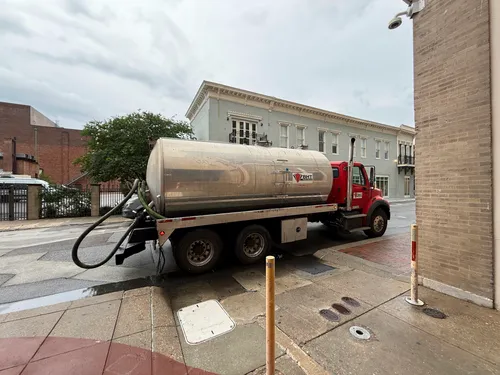
Birmingham Hide & Tallow Co is a family-owned company based near Mobile, AL, specializing in used cooking oil collection, grease trap cleaning, and sustainable rendering services. The company serves the Mobile area and focuses on cooking oil recovery and grease trap solutions. With a history dating back over 110 years, Birmingham Hide & Tallow Co has established itself as a pioneer in recycling and rendering. The business emphasizes sustainable practices and operates with a long track record of success.
Liquid Environmental Solutions
1980 Avenue A, Mobile, AL 36615
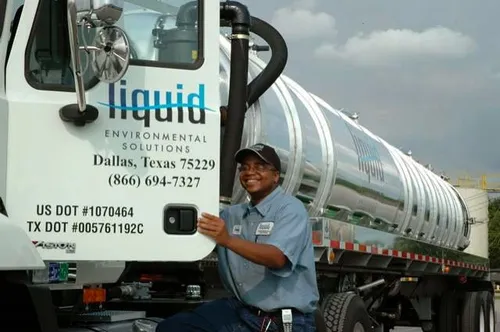
Liquid Environmental Solutions is a non-hazardous liquid waste management company based in Mobile, AL. They provide services including used cooking oil collection, grease trap and interceptor cleaning, oil water separator and grit trap cleaning, and wastewater disposal. The company serves restaurants, grocery stores, convenience stores, automotive services, and other food service operations, focusing on recycling a high percentage of collected food waste. Founded over twenty years ago, Liquid Environmental Solutions operates with state-of-the-art equipment and facilities to support environmental stewardship and regulatory compliance.
Understanding Mobile's Grease Recycling Rules
In Alabama, commercial grease collection is strictly regulated. Restaurants cannot allow just anyone to haul away their used fryer oil; they must use a licensed waste grease hauler. This law is designed to ensure that grease is handled responsibly and directed toward proper recycling channels, rather than being illegally dumped. The City of Mobile and MAWSS actively promote grease recycling to prevent FOG-Fats, Oils, and Grease-from entering the sewer system, where it can congeal and cause significant blockages and backups.
For residents, MAWSS facilitates a free drop-off program at locations like the Mobile County Recycling Center, providing containers for household grease 1. However, for commercial kitchens, the process requires a scheduled professional pickup service. Compliance starts with proper on-site storage, using secure, leak-proof containers made of approved materials like steel or specific plastics, equipped with tight-fitting lids.
The Step-by-Step Collection Process
A seamless used cooking oil pickup service follows a clear protocol that keeps your kitchen running smoothly and safely.
- Cool and Filter: After cooking, allow the oil to cool completely. Then, filter it to remove food particles and crumbs. Cleaner oil is more valuable and easier to recycle.
- Safe Containerization: Pour the cooled, filtered oil into your dedicated, approved collection container. These containers are typically provided and maintained by your hauler. They should be stored in a cool, dark place, away from storm drains and sanitary sewer access points.
- Scheduled Pickup: Your licensed grease collection service, such as Northern Gulf Services, Clean Energy Biofuels, or Liquid Recovery Solutions, will arrive on a regular schedule to pump out or swap your container 2.
- Recycling and Repurposing: The hauler transports the collected UCO to a processing facility. There, it is transformed into valuable resources like renewable biodiesel, industrial lubricants, or components for animal feed, completing the circular economy loop.
Potential Revenue from Your Used Oil
While proper disposal is the primary goal, your used cooking oil can also provide a financial return. The rebate you receive depends heavily on the volume and quality of oil you generate consistently.
- Low Volume (Less than 100 gallons/month): Pickup services are often provided free of charge, though a monetary rebate may not apply.
- Medium Volume (100-300 gallons/month): You may qualify for a rebate ranging from $0.10 to $0.25 per gallon.
- High Volume (Over 300 gallons/month): With consistent, high-quality oil, rebates can range from $0.25 to $0.65 or more per gallon3 4.
The key factors influencing your rebate are oil cleanliness (free of water and food debris), the consistency of your volume, and current market rates for recycled grease.
Find the perfect used cooking oil collection companies for your needs
Get personalized recommendations and expert advice
Choosing a Licensed Hauler in Mobile
Selecting the right partner for your grease trap and used oil needs is crucial. A reputable provider will not only offer reliable collection but also help you navigate compliance. Look for a service that is fully licensed in Alabama, offers tailored pickup schedules to match your kitchen's output, and provides robust, secure containers to prevent leaks and pests. Companies like Clean Energy Biofuels emphasize their role in the biodiesel supply chain, while local operators like Northern Gulf Services understand Mobile's specific infrastructure needs. A good hauler becomes a part of your operational team, ensuring you avoid violations and contribute positively to the local environment.
Environmental and Community Impact
Proper used cooking oil collection has a direct positive impact on Mobile. By ensuring grease is recycled, restaurants help MAWSS reduce maintenance costs and prevent sewer overflows that can affect local waterways and public health 5. Furthermore, recycling UCO into biodiesel lowers the region's reliance on fossil fuels and reduces greenhouse gas emissions6 7. It's a practical example of a circular economy in action, where a waste product from Mobile's vibrant food scene is converted into clean energy and other useful products. This responsible practice protects the community's infrastructure and supports broader sustainability goals.
Storage and Safety Best Practices
Safe storage is the foundation of an effective grease management program. Always use the professionally supplied container, never makeshift barrels or bins. Ensure the container is clearly labeled, kept locked or in a secure area to prevent tampering or accidental misuse, and placed on an impermeable surface like concrete. Most importantly, never pour used cooking oil down any drain, toilet, or into a street gutter. Even with a grease trap, liquid oils can travel through pipes and solidify further down the line, creating "fatbergs" that are extremely costly to remove8 9 10. Adhering to these best practices minimizes risks and keeps your operation running smoothly.
Frequently asked questions
Sources
Footnotes
-
Mobile County Recycling Center | Mobile AL - https://www.facebook.com/mobilerecycles/ ↩
-
Alabama - Liquid Recovery Solutions - https://liquidrecover.com/alabama/ ↩
-
Used Cooking Oil Disposal: Complete Guide to Grease Pickups - https://greaseconnections.com/used-cooking-oil-disposal-guide-grease-pickups/ ↩
-
Restaurant Used Cooking Oil: Disposal, Recycling & Revenue Guide - https://greaseconnections.com/restaurant-used-cooking-oil-disposal-recycling-revenue-guide/ ↩
-
New Food Rules Frequently Asked Questions - https://www.alabamapublichealth.gov/foodsafety/faq.html ↩
-
Mobile AL Used Cooking Oil Collector | Clean Energy Biofuels - https://cleanenergybiofuels.com/alabama/mobile-al-used-cooking-oil-collector/ ↩
-
Used Cooking Oil Collection in Mobile | Northern Gulf Services - https://www.northerngulfco.com/used-cooking-oil-collection-mobile-al ↩
-
Grease Recycling Program - https://www.mawss.com/learning-center/grease-recycling-program/ ↩
-
Grease Recycling | ACF Website - https://www.joinacf.org/greaserecycling ↩
-
Used Cooking Oil (UCO) Collection Service For Restaurants - https://thegreasecompany.com/blog/restaurant-used-cooking-oil-collection/ ↩