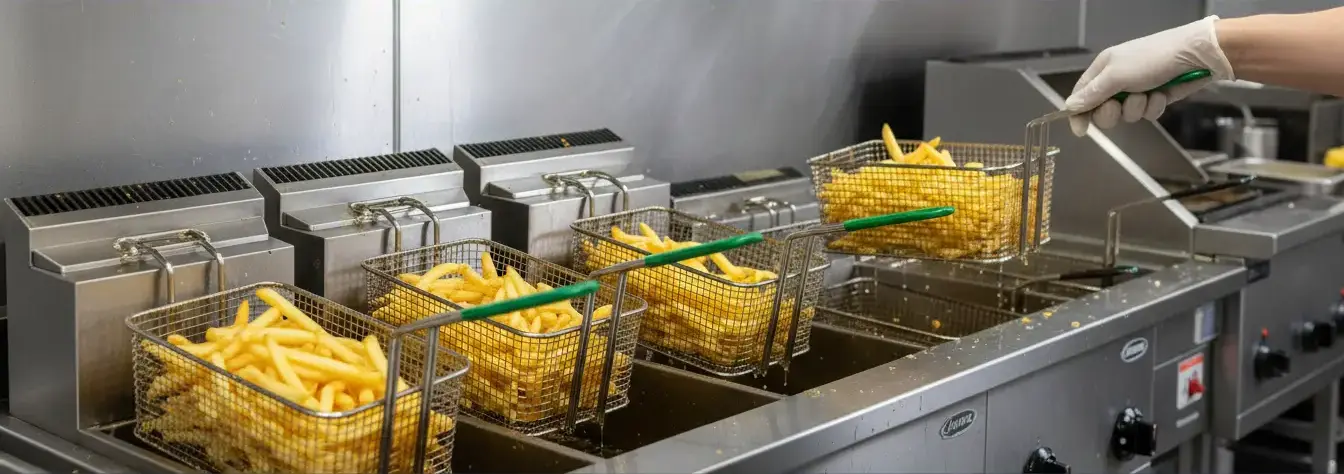
Find the Best Used Cooking Oil Collection Companies for Your Business
No obligation • Fast responses • Nationwide coverage

Why you can trust Restaurant Waste Disposal
Restaurant Waste Disposal is a leading U.S. resource for comparing restaurant composting, food-waste recycling, grease trap cleaning, and used cooking oil collection services. Our editorial team researches providers, checks credentials, and organizes unbiased information so operators can make informed decisions. Companies cannot pay to change ratings or placement.
Search providers near you
Best Used Cooking Oil Collection Companies in Alabama Ranked
For Alabama restaurants and food service businesses, managing used cooking oil (UCO) is a regulated operational necessity with significant environmental and financial implications. Proper collection and recycling of this material are governed by the Alabama Department of Environmental Management (ADEM) to ensure it is safely transformed into valuable products like biodiesel, rather than becoming a waste liability. Navigating the rules for storage, transportation, and partnering with a licensed hauler is essential for compliance and can even turn a cost center into a potential revenue stream. This guide outlines the key regulations, best practices, and practical steps for establishing a reliable used cooking oil collection system in Alabama.

Smith Waste Oil, Inc.
Hoover, AL
Smith Waste Oil, Inc. is a company based in Hoover, AL, specializing in the collection of used cooking oil. They focus on environmentally responsible disposal and recycling of cooking oil from various commercial sources in the Hoover area.
Buck Oil Services
3243 Money Rd, Montgomery, AL 36108
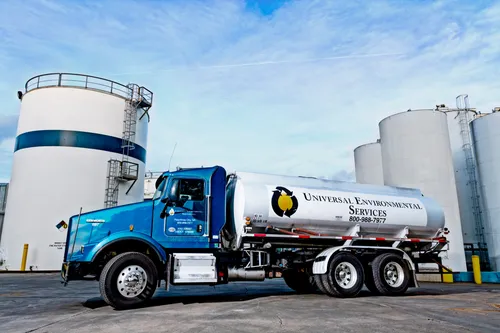
Buck Oil Services is a used cooking oil collection company based in Montgomery, AL. They specialize in collecting used cooking oil from various clients in the area, helping to manage waste and support recycling efforts. The company focuses on efficient and responsible oil collection to serve local businesses.
Birmingham Hide & Tallow Co
28360 County Rd 66 N, Loxley, AL 36551
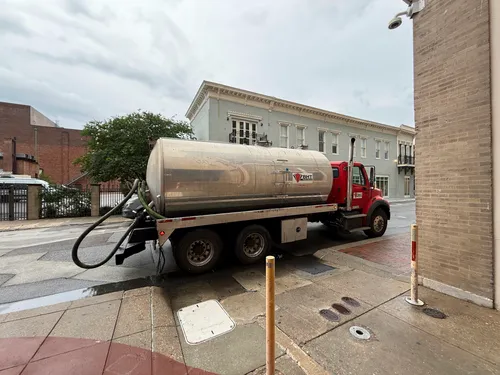
Birmingham Hide & Tallow Co is a family-owned company based near Mobile, AL, specializing in used cooking oil collection, grease trap cleaning, and sustainable rendering services. The company serves the Mobile area and focuses on cooking oil recovery and grease trap solutions. With a history dating back over 110 years, Birmingham Hide & Tallow Co has established itself as a pioneer in recycling and rendering. The business emphasizes sustainable practices and operates with a long track record of success.
Universal Environmental Services
14939 US-280, Sylacauga, AL 35150
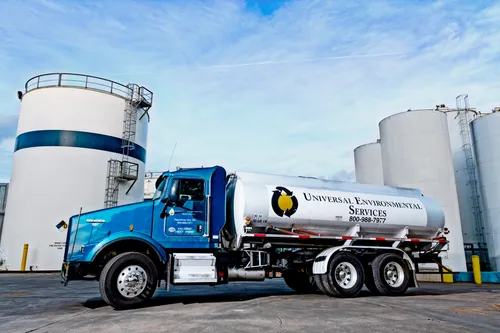
Universal Environmental Services is a used cooking oil collection company based in Birmingham, AL. They provide regular collection services for used cooking oil, serving a broad range of customers in the area. The company is known for its dependable drivers who maintain consistent schedules and handle additional tasks such as filter pickups. Many customers have maintained long-term relationships with their drivers, some spanning over 15 years, reflecting the company's stable service. The business emphasizes reliable scheduling and attentive customer care through both drivers and office staff.
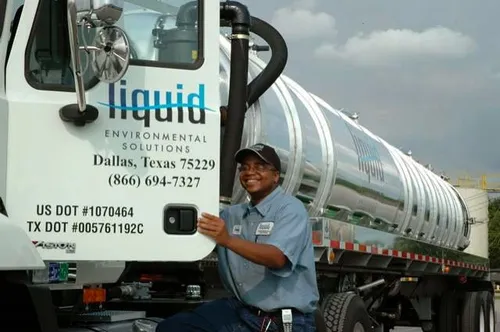
Liquid Environmental Solutions
1980 Avenue A, Mobile, AL 36615
Liquid Environmental Solutions is a non-hazardous liquid waste management company based in Mobile, AL. They provide services including used cooking oil collection, grease trap and interceptor cleaning, oil water separator and grit trap cleaning, and wastewater disposal. The company serves restaurants, grocery stores, convenience stores, automotive services, and other food service operations, focusing on recycling a high percentage of collected food waste. Founded over twenty years ago, Liquid Environmental Solutions operates with state-of-the-art equipment and facilities to support environmental stewardship and regulatory compliance.
Understanding Alabama's Used Oil Regulations
In Alabama, used cooking oil is classified and managed under the state's Used Oil Management rules, specifically ADEM Admin. Code 335-14-17 1. These regulations are designed to prevent environmental contamination and ensure oil is directed toward recycling. Compliance is not optional; restaurants and other generators must contract with state-licensed haulers for removal and recycling 2. Failure to adhere can result in significant penalties and environmental harm.
Key regulatory points for generators (like restaurants) include:
- Licensed Haulers Only: You must ensure your used oil is collected by a transporter permitted by ADEM. These haulers are required to have both an EPA Identification Number and an Alabama Used Oil Transport Permit.
- Generator Responsibility: Even after pickup, you retain "cradle-to-grave" responsibility for your used oil until it is properly recycled. This makes choosing a reputable, licensed partner critical.
- Prohibited Practices: It is illegal to use used oil for dust suppression on roads or to dispose of it in drains, landfills, or mixed with other hazardous wastes.
On-Site Storage and Handling Best Practices
Proper on-site management is the first line of defense for safety, compliance, and maintaining the oil's value for recyclers. ADEM provides clear guidance for storage at your facility.
Containment and Labeling: All used cooking oil must be stored in structurally sound, leak-free containers or tanks. These containers must be clearly labeled with the words "Used Oil" 3. For larger storage tanks, secondary containment-such as a dike or basin-is required to catch any potential spills or leaks.
Preventing Contamination: The economic value of used cooking oil for biodiesel production depends on its purity. To prevent contamination:
- Cool Before Transfer: Allow oil to cool sufficiently before pouring it into storage containers to prevent burns and container damage.
- Use Dedicated Containers: Never use containers that previously held chemicals, solvents, or other materials.
- Keep Lids Closed: Ensure storage drums or tanks remain closed when not in use to keep out water, food debris, and other contaminants.
- Avoid Overfilling: Implement procedures to prevent overfilling containers during oil changes 4.
The Collection and Recycling Process
Establishing a routine collection service is straightforward when you work with a professional provider. These companies typically supply the initial storage container (like a barrel or collection bin) and schedule regular pickups based on your volume of oil production 5.
Once collected, the oil is transported to a processing facility. In Alabama, the predominant end-use for clean, used cooking oil is biodiesel production. This process refines the oil into a renewable fuel that powers diesel engines, closing the loop in a sustainable cycle. Other uses can include animal feed supplements (after extensive processing) or industrial lubricants.
Find the perfect used cooking oil collection companies for your needs
Get personalized recommendations and expert advice
Cost Structure and Potential Revenue
The financial model for used cooking oil collection in Alabama varies primarily with volume. Understanding this can help you manage costs or even generate income.
- Low-Volume Generators: For restaurants producing smaller amounts (often under 100 gallons per month), many collection services offer free pickup. The revenue the hauler earns from selling the oil to a processor covers the cost of service.
- High-Volume Generators: Establishments like large-scale caterers, institutional kitchens, or high-volume fryers may produce enough oil to negotiate different terms. In some cases, a per-gallon fee may apply for collection. In others, particularly when oil prices are high, the generator may receive a revenue share or payment for their oil 6. It's important to discuss and understand the specific pricing model with your provider.
- The Value of Compliance: While direct revenue isn't always guaranteed, the alternative-paying for hazardous waste disposal or facing fines for improper disposal-is invariably more costly. Proper recycling is the most economically and environmentally sound path 7.
Choosing a Licensed Collection Provider in Alabama
Selecting the right partner is crucial for seamless operations. Start by verifying a provider's credentials. A legitimate hauler will readily provide their ADEM Used Oil Transport Permit number and EPA ID 8.
When evaluating providers, consider these factors:
- Service Reliability: Do they offer a consistent, scheduled pickup to prevent your storage from overflowing?
- Container Provision: Will they supply and maintain appropriate, labeled storage containers?
- Documentation: Do they provide clear documentation (manifests or invoices) for each pickup to help you maintain your compliance records?
- Local Reputation: Are they established and well-regarded by other businesses in your area?
Companies like Liquid Recovery Solutions operate as licensed collectors within the state, offering a model of the services available 9. Always get service agreements in writing, clearly outlining pickup frequency, cost structure (fees or payment), and responsibilities for container maintenance.
Required Documentation and Recordkeeping
Maintaining proper records is a key part of demonstrating compliance. While the primary documentation burden falls on the permitted transporter, generators should keep records of their service 10 11.
You should retain:
- Copies of your service agreement or contract.
- Invoices or pickup manifests from the hauler, which should include dates, volumes collected, and the hauler's permit information.
- Documentation showing your hauler's ADEM permit status.
These records prove that you have transferred your used oil to a licensed entity and are essential in the event of an audit or inspection.
Environmental and Business Benefits
Beyond compliance, an effective used cooking oil program delivers tangible benefits. Environmentally, it prevents sewer blockages and water pollution, reducing the strain on municipal treatment systems. By recycling oil into biodiesel, it displaces fossil fuels and reduces greenhouse gas emissions.
For your business, it enhances safety by removing a slippery, flammable waste product from your premises. It also projects a positive image of environmental stewardship to your customers and community. Turning a waste product into a commodity is a hallmark of an efficient, modern operation.
Frequently asked questions
Sources
Footnotes
-
Rule 335-14-17-.02 - Applicability - Alabama Administrative Code - https://admincode.legislature.state.al.us/administrative-code/335-14-17-.02 ↩
-
New Food Rules Frequently Asked Questions - https://www.alabamapublichealth.gov/foodsafety/faq.html ↩
-
Guidance for Used Oil Handlers - https://adem.alabama.gov/programs/land/MgmtOfUsedOil.pdf ↩
-
Used Oil Management - https://ba.auburn.edu/wp-content/uploads/2024/02/EM-Used-Oil-Mgmt-1.pdf ↩
-
Used Cooking Oil Disposal: Complete Guide to Grease Pickups - https://greaseconnections.com/used-cooking-oil-disposal-guide-grease-pickups/ ↩
-
Restaurant Used Cooking Oil Recycling & Disposal Guide - https://greaseconnections.com/restaurant-used-cooking-oil-disposal-recycling-revenue-guide/ ↩
-
Environmental Consequences | Improper Cooking Oil Disposal - https://liquidrecover.com/environmental-consequences-improperly-disposing-cooking-oil/ ↩
-
Hazardous Waste Management - https://adem.alabama.gov/sites/default/files/legacyfiles/programs/land/landforms/UOGFS.pdf ↩
-
Alabama - Liquid Recovery Solutions - https://liquidrecover.com/alabama/ ↩
-
Rule 335-14-17-.05 Standards For Used Oil Transporter And ... - https://admincode.legislature.state.al.us/api/rule/335-14-17-.05 ↩
-
Rule 335-14-17-.05 - Alabama Administrative Code - https://admincode.legislature.state.al.us/administrative-code/335-14-17-.05 ↩