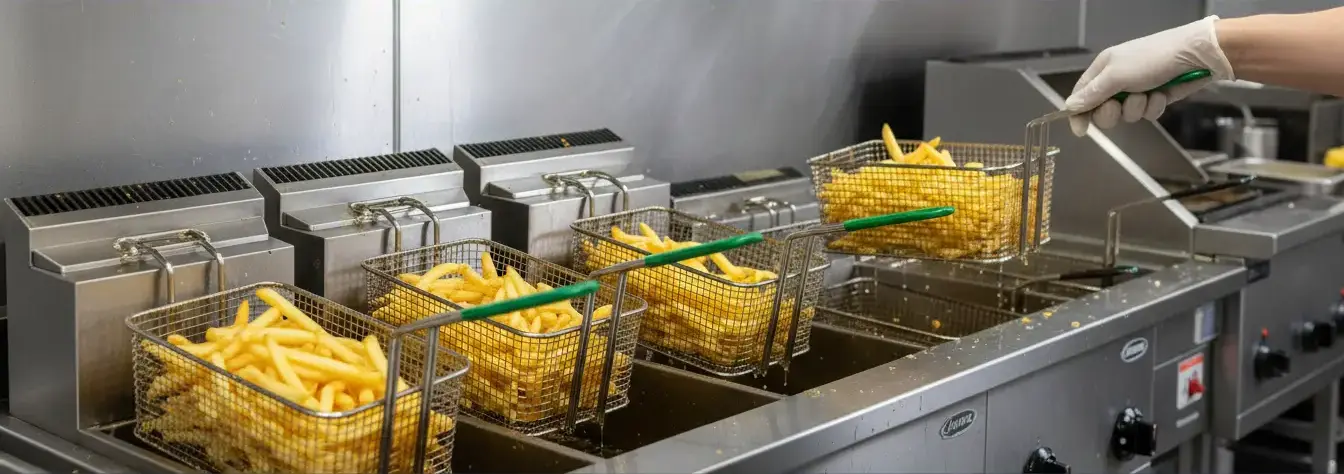
Find the Best Used Cooking Oil Collection Companies for Your Business
No obligation • Fast responses • Nationwide coverage

Why you can trust Restaurant Waste Disposal
Restaurant Waste Disposal is a leading U.S. resource for comparing restaurant composting, food-waste recycling, grease trap cleaning, and used cooking oil collection services. Our editorial team researches providers, checks credentials, and organizes unbiased information so operators can make informed decisions. Companies cannot pay to change ratings or placement.
Search providers near you
Top Used Cooking Oil Collection Companies in Hoover, Alabama Ranked
For restaurants and food service establishments in Hoover, managing used cooking oil is a critical operational and environmental responsibility. Proper disposal of waste grease and oil is not just a best practice-it's a legal requirement enforced by local health departments. By partnering with a licensed hauler for grease collection, Hoover businesses can ensure compliance, protect their plumbing and the municipal sewer system, and contribute to a circular economy where this waste is transformed into valuable products like biodiesel. This guide outlines the local regulations, processes, and benefits of establishing a professional used cooking oil recycling program.

Local Regulations for Grease and Oil Disposal
In Hoover and throughout Jefferson County, specific rules govern the handling of fats, oils, and grease (FOG) to prevent sewer blockages and environmental harm. Compliance is mandatory for all food service operations.
Key Legal Requirements:
- No Drain Disposal: It is strictly prohibited to pour used cooking oil or grease down any drain, including sinks, floor drains, or toilets. This practice is a leading cause of sewer backups and costly repairs.
- Licensed Haulers Only: All waste grease must be collected by a hauler licensed by the Jefferson County Health Department (or Shelby County, if applicable). These haulers must also hold a valid Septic Tank Haulers' Permit from the Alabama Department of Public Health (ADPH).
- Required Documentation: Your restaurant must keep a copy of the approved hauler's ADPH documentation on file, available for review by health inspectors 1.
Adhering to these regulations helps avoid significant fines and maintains a positive standing with local health authorities.
The Professional Collection Process
Establishing a reliable grease pickup service streamlines waste management. Licensed providers handle the logistics from container delivery to scheduled collection.
Step-by-Step Workflow:
- Container Provision: Your chosen hauler will typically provide a dedicated, lidded storage container sized for your volume, placed in an accessible indoor or outdoor location.
- Safe Storage: After cooking, allow oil to cool before transferring it into the designated container. Keeping the lid securely closed prevents contamination and pests.
- Scheduled Pickup: The hauler establishes a regular collection schedule (weekly, bi-weekly, monthly) based on your usage. They will pump or swap out the full container for an empty, clean one.
- Transport & Processing: The collected oil is transported to a certified processing facility where it begins its journey toward recycling.
From Waste to Resource: The Recycling Journey
The used cooking oil collected from Hoover restaurants doesn't go to a landfill. Instead, it enters a sophisticated recycling chain that creates new, useful products.
Transformation Stages:
- Initial Processing: At the recycling facility, the oil is filtered to remove food particles and other solids. It is then often heated and put through a separation process to remove water.
- Final Products: The purified oil serves as a feedstock for several industries. The primary product is biodiesel, a cleaner-burning renewable fuel. It can also be used in the production of animal feed, soaps, detergents, and industrial lubricants. This process ensures the valuable material is recovered and reused.
Financial Considerations: Cost vs. Potential Revenue
The economics of used cooking oil collection are not solely about disposal cost. The quality and quantity of your oil can turn a waste stream into a revenue stream.
Understanding Pricing Models:
- Low-Volume Operations: Establishments generating under 100 gallons per month often benefit from free pickup services, as the hauler's revenue comes from selling the recycled bulk oil.
- Medium to High-Volume Operations: For restaurants producing 100 gallons or more monthly, rebate programs become common. Payments can range from $0.10 to over $0.65 per gallon, depending on market prices and oil quality 2 3.
- Maximizing Value: The key to securing the best rebate is providing clean, uncontaminated oil. Simple practices like using drain screens and avoiding mixing oil with water or food waste significantly increase its value to recyclers.
Find the perfect used cooking oil collection companies for your needs
Get personalized recommendations and expert advice
Best Practices for On-Site Oil Management
How you handle oil before pickup directly impacts compliance, safety, and potential revenue. Implementing a few key procedures makes the process efficient and profitable.
Storage and Handling Tips:
- Use Proper Containers: Always store cooled oil in the sturdy, covered containers provided by your hauler. Never use glass, which can break and create hazards 4.
- Maintain Quality: Keep oil separate from water and food solids. Filtering oil between uses, if practical for your operation, can extend its fry life and result in a cleaner product for recycling.
- Designate a Safe Area: Place collection containers on a stable, level surface in a location that is accessible for pickup but away from high-traffic areas and heat sources.
Environmental and Community Benefits
Choosing professional grease recycling extends benefits far beyond your kitchen. It's a direct contribution to local and global sustainability efforts.
Positive Impacts Include:
- Protecting Infrastructure: Preventing FOG from entering sewers avoids "fatbergs" and overflows, protecting Hoover's water treatment systems and reducing maintenance costs for the community 5 6.
- Supporting Renewable Energy: The biodiesel produced from recycled oil reduces reliance on fossil fuels and lowers greenhouse gas emissions 7 8.
- Conserving Resources: Recycling transforms waste into new products, reducing the demand for virgin materials and minimizing landfill waste 9.
Finding a Licensed Service Provider in Hoover
It is essential to verify that any hauler you consider is properly licensed. Reputable companies will readily provide their Jefferson County Health Department and ADPH permit information.
Local and Regional Resources:
- Licensed Haulers: Companies like Eazy Grease and Liquid Recovery Solutions (LRS) are examples of providers that service the Alabama market and understand local regulations 10 11.
- Official Guidance: The City of Hoover and Jefferson County Environmental Services offer resources and information on proper disposal methods for cooking oil and grease 12.
Establishing a relationship with a compliant and reliable used cooking oil collector is a smart business decision for any Hoover restaurant, ensuring operational smoothness, regulatory adherence, and positive environmental stewardship.
Frequently asked questions
Sources
Footnotes
-
New Food Rules Frequently Asked Questions | Alabama Department of Public Health (ADPH) - https://www.alabamapublichealth.gov/foodsafety/faq.html ↩
-
Used Cooking Oil Disposal: Complete Guide to Grease Pickups - https://greaseconnections.com/used-cooking-oil-disposal-guide-grease-pickups/ ↩
-
Restaurant Used Cooking Oil Recycling & Disposal Guide - https://greaseconnections.com/restaurant-used-cooking-oil-disposal-recycling-revenue-guide/ ↩
-
Locations of Household Cooking Oil and Grease Recycling Centers: - http://www.jeffcoes.org/Sites/Jefferson_County_Environmental_Services/Documents/Main/Locations%20of%20Household%20Cooking%20Oil%20and%20Grease%20Recycling%20Centers%20in%20color.pdf ↩
-
City of Hoover Cooking Oil Recycling Program - https://hooveralabama.gov/DocumentCenter/View/60 ↩
-
SECTION 1. GREASE CONTROL PROGRAM ... - Hoover, AL - https://hooveralabama.gov/DocumentCenter/View/3178/07---FOG-ordinance-Passed-11-15-10pdf ↩
-
Used Cooking Oil (UCO) Collection Service For Restaurants - https://thegreasecompany.com/blog/restaurant-used-cooking-oil-collection/ ↩
-
How Is Used Cooking Oil Recycled? What You Should Know - https://www.thegreasetrapcleaners.com/blog/how-is-used-cooking-oil-recycled-what-you-should-know ↩
-
Recycling Collection | Hoover, AL - Official Website - https://hooveralabama.gov/310/Recycling-Collection ↩
-
Professional Cooking Oil Recycling in Alabama - https://eazygrease.com/professional-cooking-oil-recycling-alabama/ ↩
-
Alabama - Liquid Recovery Solutions - https://liquidrecover.com/alabama/ ↩
-
Cooking Oil-Grease-Prescription Drug Disposal - Jefferson County - https://www.jccal.org/Default.asp?ID=2295&pg=Cooking+Oil-Grease-Prescription+Drug+Disposal ↩