Find the Best Grease Trap Cleaning Companies for Your Business
No obligation • Fast responses • Nationwide coverage

Why you can trust Restaurant Waste Disposal
Restaurant Waste Disposal is a leading U.S. resource for comparing restaurant composting, food-waste recycling, grease trap cleaning, and used cooking oil collection services. Our editorial team researches providers, checks credentials, and organizes unbiased information so operators can make informed decisions. Companies cannot pay to change ratings or placement.
Search providers near you
Top Grease Trap Cleaning Companies in Spring Hill, Tennessee Ranked
For any restaurant or food service establishment in Spring Hill, maintaining a properly functioning grease trap isn't just a good practice-it's a critical legal requirement. The city's Water & Sewer Commission (WCSS) enforces strict Fats, Oils, and Grease (FOG) control ordinances to protect the local sewer infrastructure from costly blockages and environmental damage. Compliance hinges on regular professional grease interceptor cleaning, meticulous record-keeping, and understanding the specific design and maintenance rules set forth by local and state authorities. Neglecting these duties can lead to severe fines, mandatory system upgrades, and expensive emergency service calls.
Proper grease trap maintenance in Spring Hill is a partnership between the business owner and licensed professionals. The process involves scheduled pumping based on your establishment's volume, proper disposal of waste by a TDEC-licensed hauler, and maintaining detailed logs for city inspections. This guide will walk you through the local regulations, best practices, and what to expect from a reliable service provider to keep your kitchen running smoothly and in full compliance.
Avantel Plumber of Nashville TN
2100 Church St, Nashville, TN 37203
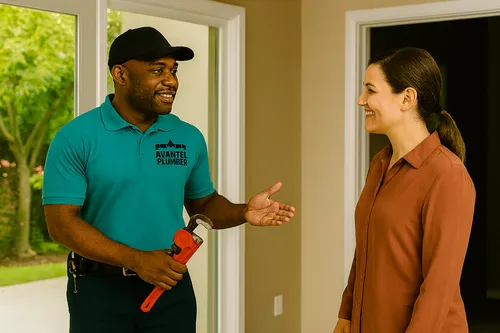
Avantel Plumber of Nashville TN provides a wide range of plumbing services for residential and commercial properties in Nashville, TN. Their offerings include emergency plumbing, drain cleaning, toilet installation, water heater services, grease trap cleaning, and gas line piping and repair. They have expertise in hydro jetting and sewer line plumbing, ensuring comprehensive solutions for plumbing needs. Avantel Plumber operates 24 hours a day, seven days a week, to address urgent plumbing issues promptly.
Anglin Septic Service
Nashville, TN
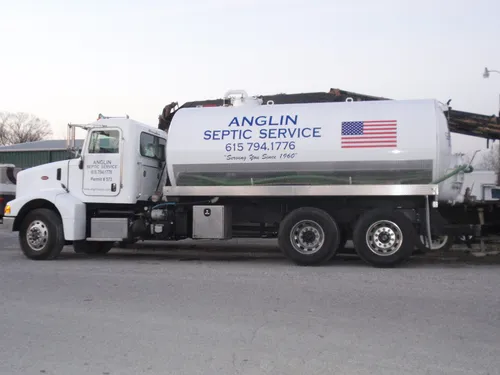
Anglin Septic Service is a locally owned and operated company based in Nashville, TN, specializing in residential and commercial septic system services. Serving Middle Tennessee including Williamson, Maury, Hickman, Marshall, and Rutherford Counties, they provide a full range of septic solutions such as pumping, repairs, line replacement, installation, inspections, and cleaning. The company also offers grease trap cleaning, pumping, and certifications for commercial clients. Established in 1960, Anglin Septic Service brings decades of experience to their work and is fully licensed, bonded, and insured.
Understanding Spring Hill's Grease Trap Ordinance
Spring Hill's FOG ordinance is designed to prevent sewer overflows and protect wastewater treatment facilities. The core of the regulation requires all food service establishments to install, operate, and maintain grease traps or interceptors that meet specific design criteria and are cleaned at a frequency that prevents FOG from entering the public sewer system.
Key local mandates include:
- Licensed Haulers: All grease trap waste must be pumped and transported by a hauler licensed by the Tennessee Department of Environment and Conservation (TDEC).
- Manifest Records: You must keep the original disposal manifests or receipts from your service provider for a minimum of two years (24 months). These documents must be available for review during any inspection by the WCSS.
- Discharge Limits: The wastewater discharged from your grease trap into the city sewer must not exceed a concentration of 100 milligrams per liter (Mg/L) of FOG 1.
- Accessibility: Grease traps must be easily accessible for inspection, cleaning, and maintenance at all times. They cannot be buried under equipment or obstructed.
Design and Installation Requirements
Before service even begins, your grease interceptor must be correctly installed. The Spring Hill ordinance, aligned with the International Plumbing Code (IPC), outlines strict design criteria to ensure effectiveness.
- Construction: Traps must be watertight, durable, and constructed of materials like concrete, fiberglass, or steel that are resistant to corrosion and the forces of burial.
- Baffle System: A minimum of two compartments with baffles is typically required. Baffles must extend above the liquid level and below the water surface to effectively control the flow of wastewater and separate FOG 2 3.
- Access Points: Adequately sized manholes or access ports must be provided over each compartment and over the inlet and outlet to allow for complete inspection and pumping.
Ensuring your system meets these specifications from the start is essential for long-term compliance and efficient operation.
Determining Your Cleaning Frequency: The 25% Rule
How often should your grease trap be cleaned? The answer isn't the same for every restaurant. While the WCSS may specify a minimum frequency (often quarterly), the universal industry and regulatory guideline is the "25% Rule" 4 5.
This rule states that a grease interceptor should be pumped and cleaned when the combined volume of accumulated fats, oils, grease, and settled solids reaches 25% of the trap's total liquid capacity. Allowing accumulation beyond this point significantly reduces the trap's efficiency, increasing the risk of FOG escaping into the sewer line.
Factors influencing your specific schedule include:
- Volume of Cooking: High-volume establishments like busy diners or fried food restaurants may require monthly service.
- Trap Size: Smaller traps fill up faster than larger interceptors.
- Menu Items: Heavy use of meats, dairy, and frying oils accelerates FOG buildup.
A professional service provider can assess your operation and recommend a preventative maintenance schedule-whether monthly, quarterly, or otherwise-to ensure you consistently stay ahead of the 25% threshold and avoid violations 6.
Find the perfect grease trap cleaning companies for your needs
Get personalized recommendations and expert advice
The Inspection Process and Enforcement
The Spring Hill Water & Sewer Commission conducts periodic inspections to ensure compliance. Being prepared is the best way to pass an inspection smoothly.
During an inspection, an official will likely:
- Check the physical accessibility and condition of your grease trap.
- Review your maintenance log and request to see the original manifests from the last 24 months of cleanings.
- Potentially issue a written notice if maintenance or repairs are required.
If violations are found, the WCSS will issue a formal notice specifying the corrective action needed and a deadline for compliance, which is often 14 days. Failure to comply can result in:
- Escalating monetary penalties.
- Mandatory installation of additional grease control equipment.
- In severe cases, suspension of sewer service.
Proactive, documented maintenance is your best defense against enforcement actions.
What to Expect: Service Process and Pricing
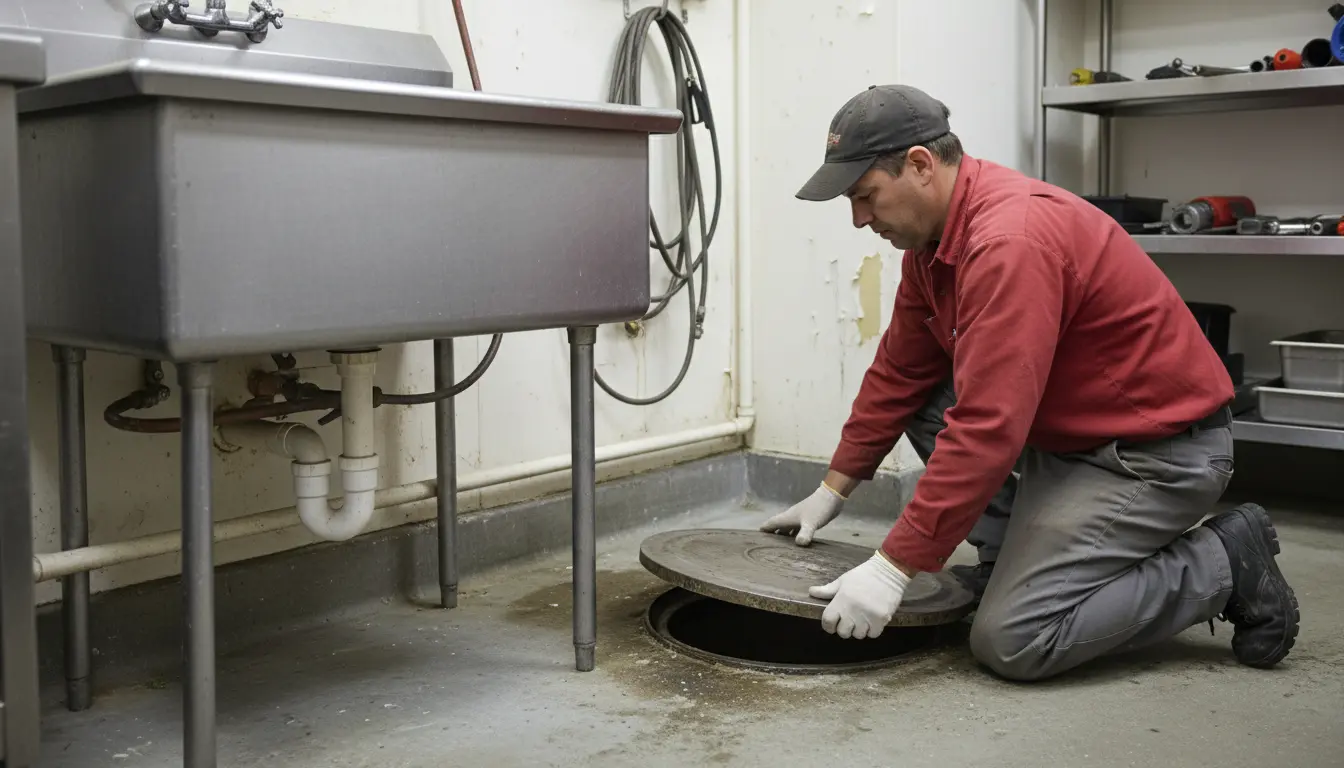
Understanding what happens during a professional grease trap cleaning can help you choose the right provider. A standard service from a licensed hauler includes:
- Pumping: Using a vacuum truck to remove all contents-FOG, water, and solids-from the trap.
- Scraping & Cleaning: Manually scraping hardened grease from the walls, baffles, and lids.
- High-Pressure Washing: Jet-spraying the interior to remove residual waste.
- Inspection: Checking the baffles, tees, and overall structure for damage.
- Waste Disposal: Transporting the waste to an approved rendering or disposal facility and providing you with the required manifest.
Cost Considerations in Spring Hill: Pricing for grease interceptor maintenance varies based on trap size, accessibility, and frequency. For standard preventative maintenance cleaning, businesses in the area can expect costs starting in the range of $175 to $225 or more per service 7 8. Establishments requiring more frequent monthly service due to high volume, or those needing emergency service after a period of neglect, will face significantly higher costs 8 9. Investing in routine preventative service is almost always more economical than paying for emergency repairs or city fines.
Maintaining Your Records Log
Your paper trail is as important as the physical cleaning. Create and maintain a simple log sheet that includes, at a minimum:
- Date of Service
- Name of Service Company (must be TDEC-licensed)
- Volume of Waste Pumped (in gallons)
- Disposal Site/Facility Name
- Service Technician's Name or Signature
Staple the original service manifest or receipt to the log entry for that date. Keep this logbook on-site and readily available. This organized documentation demonstrates due diligence and will satisfy inspector requests efficiently 10.
Consequences of Non-Compliance
Ignoring grease trap maintenance is a costly gamble. Beyond the immediate risk of clogged drains and unpleasant backups in your own kitchen, the consequences include:
- Sewer Blockages: FOG discharged into city lines cools and solidifies, creating massive "fatbergs" that cause sewer overflows into streets and waterways.
- Substantial Fines: The WCSS can levy significant fines for violations, which escalate if not addressed promptly.
- Emergency Costs: An emergency pump-out after a blockage or inspector's order is far more expensive than scheduled maintenance.
- Reputational Damage: Being cited for environmental or health code violations can harm your business's reputation in the community.
Regular professional cleaning is a fundamental cost of responsible restaurant operation in Spring Hill.
Frequently asked questions
Sources
Footnotes
-
FATS, OILS, AND GREASE ORDINANCE - Spring Hill, TN - https://www.springhilltn.org/DocumentCenter/View/56 ↩
-
§ 18-406 GREASE TRAP MAINTENANCE. - https://codelibrary.amlegal.com/codes/springhill/latest/springhill_tn/0-0-0-9309 ↩
-
OIL AND GREASE LIMITS - TN.gov - https://www.tn.gov/content/dam/tn/environment/water/documents/GuidanceDoc.pdf ↩
-
Restaurant Grease Trap Cleaning FAQs - Mahoney Environmental - https://www.mahoneyes.com/restaurant-grease-trap-cleaning-faqs/ ↩
-
Grease Trap Regulations and Compliance: What You Need to Know - https://www.texwaywastewater.com/grease-trap-regulations-and-compliance/ ↩
-
Commercial Grease Trap Service | Spring Hill, TN | Anglin - https://www.anglinseptic.com/commercial-grease-trap-service ↩
-
Nashville Grease Trap Cleaning: Essential Facilities ... - Shyft - https://www.myshyft.com/blog/grease-trap-cleaning-nashville-tennessee/ ↩
-
The Cost To Clean A Grease Trap For Restaurants - https://thegreasecompany.com/blog/greasetrapcleaningcost/ ↩ ↩2
-
The Ultimate Guide to Restaurant Grease Trap Cleaning - https://mokherplumbing.com/ultimate-guide-restaurant-grease-trap-cleaning/ ↩
-
§ 18-405 DESIGN CRITERIA. - American Legal Publishing - https://codelibrary.amlegal.com/codes/springhill/latest/springhill_tn/0-0-0-9302 ↩