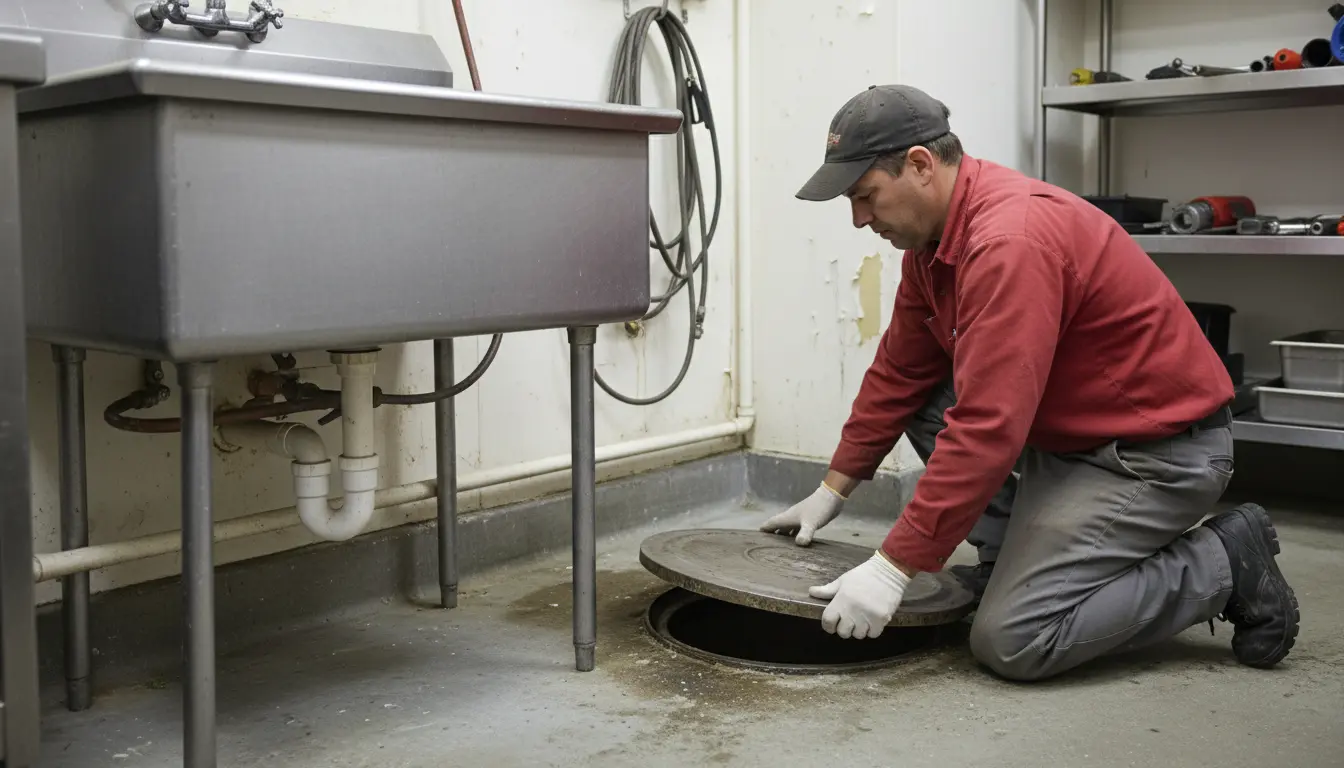
Find the Best Grease Trap Cleaning Companies for Your Business
No obligation • Fast responses • Nationwide coverage

Why you can trust Restaurant Waste Disposal
Restaurant Waste Disposal is a leading U.S. resource for comparing restaurant composting, food-waste recycling, grease trap cleaning, and used cooking oil collection services. Our editorial team researches providers, checks credentials, and organizes unbiased information so operators can make informed decisions. Companies cannot pay to change ratings or placement.
Search providers near you
Top Grease Trap Cleaning Companies in Hendersonville, Tennessee Ranked
For restaurant owners and facility managers in Hendersonville, maintaining a grease trap or interceptor isn't just a routine chore-it's a critical regulatory requirement. Operating under the oversight of local and state Fats, Oils, and Grease (FOG) programs, food service establishments must ensure their grease management systems are cleaned, inspected, and documented to prevent costly sewer blockages and environmental violations. This guide covers the essential knowledge for compliance, from understanding local mandates to implementing a cost-effective maintenance plan.
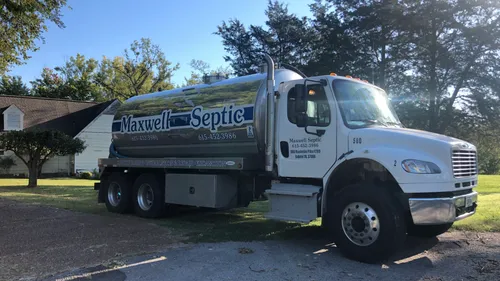
Maxwell Septic Pumping
1120 Dickerson Pike, Nashville, TN 37207
Maxwell Septic Pumping provides septic and grease trap cleaning services in Nashville, TN. They offer pumping, inspection, and repair services, including tank repairs and leeching field installations. Customers note their ability to handle challenging grease trap cleanings and appreciate their scheduling flexibility.
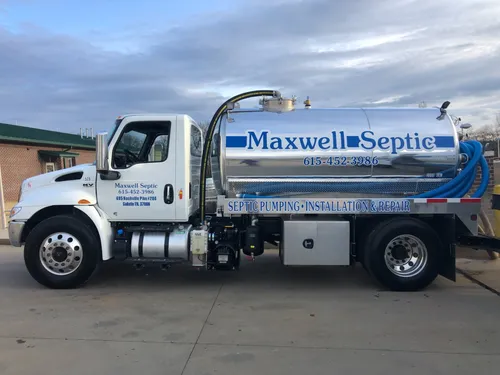
Maxwell Septic Pumping
744 Airport Rd, Gallatin, TN 37066
Maxwell Septic Pumping is a grease trap cleaning company serving Nashville, TN. They specialize in pumping and cleaning grease interceptors and traps, providing thorough and efficient service. Customers have noted their ability to complete cleaning tasks quickly, often within a few hours.
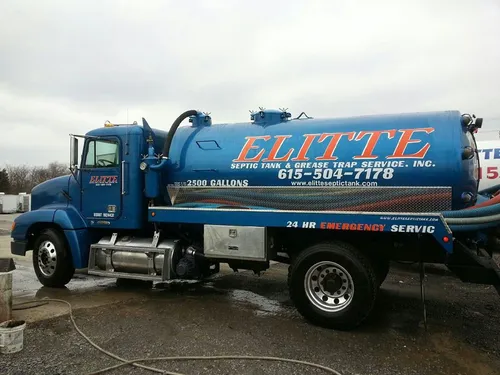
Elitte Septic Tank & Grease Trap Service, Inc.
1035 Bradley Dr, Springfield, TN 37172
Elitte Septic Tank & Grease Trap Service, Inc. provides septic tank pumping, grease trap cleaning, and line installation services in Nashville, TN. The company handles locating and repairing septic tanks, including excavation and line installation, and offers grease trap maintenance for commercial clients. Customers have noted their ability to manage emergency service calls and complex repairs such as broken lids and rerouting plumbing lines. The team is experienced in working under challenging conditions and maintaining clean work sites.
Ace Grease Service
Transfer Station, 1039 Slaters Creek Rd Nashville, 1039 Slaters Creek Rd, Goodlettsville, TN 37072
Ace Grease Service is a family-owned company based in Nashville, TN, with over 31 years of experience in used cooking oil collection and grease trap cleaning. They serve a wide range of clients including restaurants, hotels, hospitals, penal institutions, and food manufacturing plants. The company operates a fleet of state-of-the-art trucks and equipment across nine states in the Midwest. Ace Grease Service collects and recycles used cooking oil, turning it into products like plastics, soaps, livestock feed, and biodiesel fuel. They emphasize the importance of keeping fats, oils, and grease out of the sanitary sewer system to protect the environment and public health.
Pump Co.
Nashville, TN
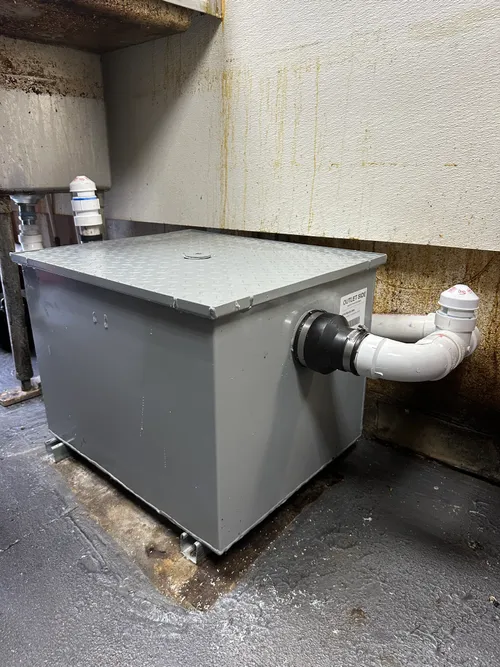
Pump Co. is a grease trap cleaning company based in Nashville, TN, specializing in commercial grease and septic tank clearing as well as drain cleaning. They help businesses maintain continuous operations by ensuring grease traps and septic systems are cleared and compliant with local regulations. Pump Co. services grease traps of all sizes, including underground grease interceptors, and provides bi-annual septic pumping to prevent sewage overflow. They also offer expert drain cleaning using advanced technology to keep commercial drain pipes clear and operational. Monthly service subscriptions are available to maintain grease traps and interceptors year-round.
Understanding Hendersonville's FOG Regulations
Hendersonville restaurants are subject to regulations designed to protect the municipal sewer system, which are often tied to Nashville Metro Water and Tennessee Department of Environment and Conservation (TDEC) guidance. The core mandate is clear: any establishment that produces FOG must have a properly sized and functioning grease interceptor. The law requires these traps to be maintained regularly, with detailed service logs kept on-site for a minimum of three years for inspection by health or water department officials.
Inspections focus on several key areas: ensuring the trap is accessible, checking for any signs of overflow or bypass, verifying the internal baffles are functioning correctly, and most importantly, reviewing the maintenance records1 2. A failure to provide these service manifests upon request is itself a violation3. Furthermore, if a sewer main blockage and overflow is traced back to a facility's grease discharge, that establishment can face significant enforcement actions, including fines and liability for cleanup costs4 3.
Determining Your Cleaning Frequency
How often should you schedule grease interceptor service? The answer varies significantly based on your kitchen's volume and menu. A general rule of thumb is every 1 to 3 months, but busier kitchens with high-fat food production may require monthly cleanings. Larger, in-ground grease interceptors often have a specific requirement for inspection and servicing at least every 90 days.
The goal is to prevent FOG from accumulating to a point where it can escape into the sewer lines. Waiting until the trap is completely full is a recipe for problems. A professional service will pump out the entire contents of the trap-not just skim the surface-to ensure it is restored to full capacity and efficiency5 6. Establishing a consistent schedule with a licensed provider is the best way to stay ahead of this need.
The Critical Role of Documentation
In Hendersonville, if the service wasn't documented, it effectively didn't happen in the eyes of an inspector. Maintaining meticulous records is as important as the cleaning itself. Your service provider should supply a detailed manifest or service report after each pump-out. This document typically includes:
- The date of service.
- The volume of grease and wastewater removed.
- The company's and technician's information.
- The disposal location for the waste.
You must keep these records readily available for at least three years. This paperwork is your primary proof of compliance and is the first thing an inspector will ask to see. Organizing these records in a dedicated logbook or digital folder is a simple step that can prevent violations during routine checks.
Find the perfect grease trap cleaning companies for your needs
Get personalized recommendations and expert advice
Cost Factors for Grease Interceptor Service
Understanding the costs involved helps in budgeting and highlights the value of regular maintenance. For a standard, well-maintained grease trap that is serviced on a routine schedule, you can expect a pumping to cost between $250 and $400. This price typically covers the labor, equipment, and proper disposal of the collected FOG.
Costs can rise significantly for neglected traps. If a trap is overdue for service, the grease solidifies and becomes more difficult to remove, often requiring more labor and time. Cleaning a severely neglected interceptor can cost 2 to 3 times more than routine service, easily exceeding $5007 8. Emergency or after-hours calls are the most expensive, with prices ranging from $800 to $1,200 or more7. Investing in regular service is the most effective way to manage this operational expense.
Best Practices for Restaurant Kitchen Staff
While professional cleaning is essential, daily practices in your kitchen dramatically impact your grease trap's performance and longevity. Proactive source control reduces the load on your interceptor and extends time between services. Key staff training points include:
- Scrape, Don't Rinse: All dishes, pots, and pans should be scraped into a trash or compost bin before they enter the sink.
- Use Drain Screens: Install and regularly clean screens in all sink drains to catch food solids.
- Never Pour Grease Down the Drain: Collect all used fryer oil, pan drippings, and gravy in sealed containers for pickup by a rendering service.
- Minimize Garbage Disposal Use: Disposals send fine food particles into the plumbing, which can contribute to blockages.
Educating every team member on these practices turns grease management from a periodic expense into an integrated part of your kitchen's daily routine.
Choosing a Service Provider in Hendersonville
Selecting a reliable, licensed grease trap cleaning service is a crucial business decision. Look for providers with experience serving the Hendersonville area who understand local codes and inspection requirements9 10. A reputable company will not only perform a thorough pump-out but will also provide the detailed documentation you need for compliance. They should be willing to discuss your specific operation, help recommend an optimal service frequency, and be available for emergency support if needed. Establishing a partnership with a trusted professional ensures your establishment remains in compliance and protects your business from the high costs of sewer-related issues.
Frequently asked questions
Sources
Footnotes
-
Grease Trap Restaurant: The Essential Guide - https://therestaurantwarehouse.com/blogs/restaurant-equipment/grease-trap-restaurant-guide ↩
-
§ 18-406 GREASE TRAP MAINTENANCE. - https://codelibrary.amlegal.com/codes/springhill/latest/springhill_tn/0-0-0-9309 ↩
-
APPENDIX A (Grease Trap Hauler Manifest) - TN.gov - https://www.tn.gov/content/dam/tn/environment/water/documents/APPENDICES.pdf ↩ ↩2
-
How to Clean a Grease Trap (and How Often You Should) - https://greaseconnections.com/how-to-clean-a-grease-trap-and-how-often-you-should/ ↩
-
Grease Pumping - https://pumpcotn.com/services/grease-pumping/ ↩
-
The Ultimate Guide to Restaurant Grease Trap Cleaning - https://mokherplumbing.com/ultimate-guide-restaurant-grease-trap-cleaning/ ↩
-
Ultimate Grease Trap Pumping Cost Guide: Essential Money-Saving ... - https://www.texwaywastewater.com/grease-trap-pumping-cost/ ↩ ↩2
-
How Much Does a Proper Grease Trap Cleaning Cost? - https://hulseyenvironmental.com/how-much-does-a-proper-grease-trap-cleaning-partner-cost/ ↩
-
Grease Trap Cleaning in Hendersonville TN | Grease ... - https://greasetrapcleaninghendersonville.com/ ↩
-
Grease Trap Cleaning in Hendersonville TN - https://greasetrapcleaningbrentwoodtn.com/hendersonville-tn.html ↩