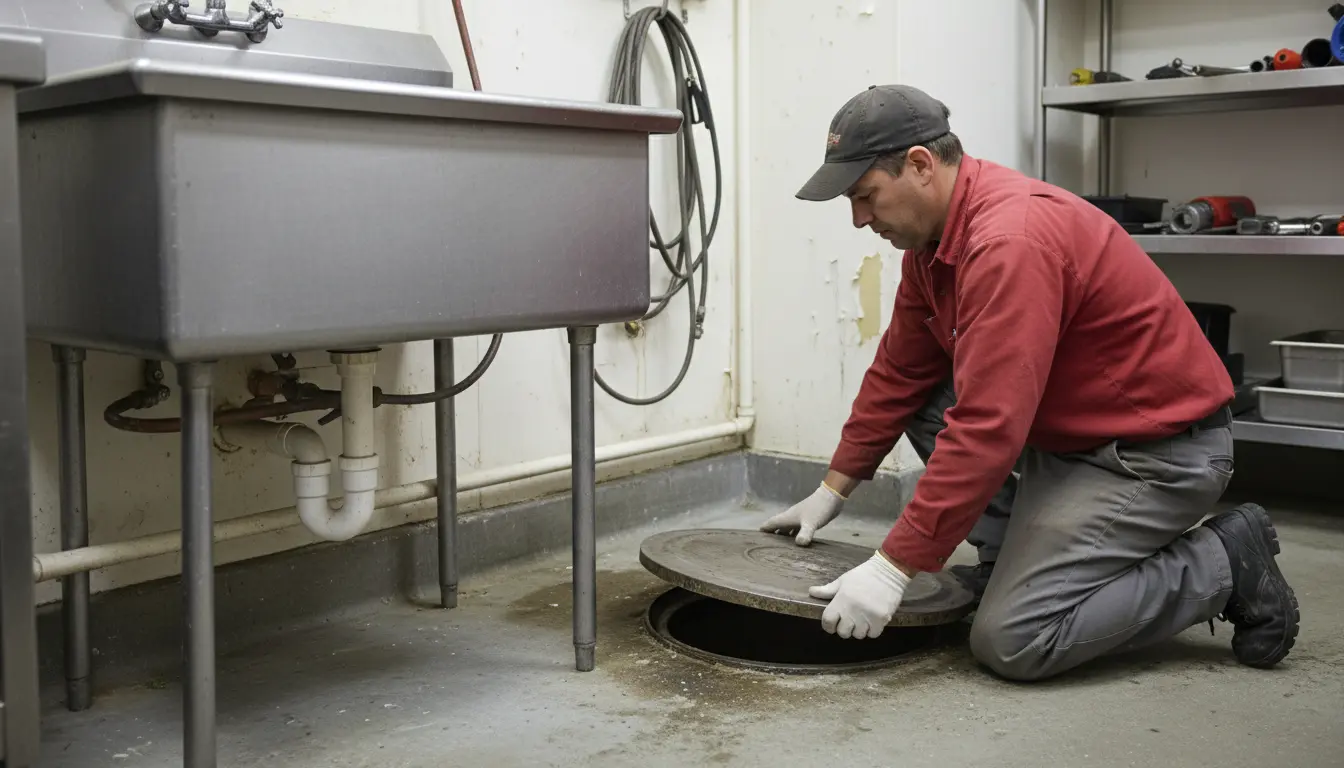
Find the Best Grease Trap Cleaning Companies for Your Business
No obligation • Fast responses • Nationwide coverage

Why you can trust Restaurant Waste Disposal
Restaurant Waste Disposal is a leading U.S. resource for comparing restaurant composting, food-waste recycling, grease trap cleaning, and used cooking oil collection services. Our editorial team researches providers, checks credentials, and organizes unbiased information so operators can make informed decisions. Companies cannot pay to change ratings or placement.
Search providers near you
Top Grease Trap Cleaning Companies in Clarksville, Tennessee Ranked
For any restaurant, food truck, or commercial kitchen in Clarksville, managing fats, oils, and grease (FOG) is a critical operational and legal requirement. Clarksville Gas & Water enforces a strict FOG Ordinance (Ordinance 26-2008-09) designed to protect the city's sewer system from blockages and environmental damage. Compliance isn't optional; it involves installing certified grease control devices, adhering to a mandated pumping schedule, and submitting annual certification. Failure to comply can result in significant fines and even water service termination. Understanding the local regulations and partnering with a reliable service provider is essential for maintaining a smooth-running kitchen and avoiding costly penalties.
Clarksville's FOG Ordinance: What You Must Know
Clarksville's FOG program is built on clear, enforceable rules. At its core, the ordinance mandates that all Food Service Establishments (FSEs) install and maintain certified grease interceptors or traps. These devices are your first line of defense, capturing grease and solids before they enter the wastewater system. The city doesn't just set the rules-it actively enforces them through routine inspections by Clarksville Gas & Water, who will check your equipment and review your maintenance records.
The cornerstone of compliance is the annual Grease Trap Certification (Form B). This document must be completed by a licensed hauler and certifies that your grease control equipment is operational, properly sized, and being maintained according to city code 1. You are responsible for submitting this form to the city. Keeping this certification current is non-negotiable and is a primary document inspectors will ask to see.
Mandatory Cleaning Frequencies & Schedules
Your required cleaning schedule is not a suggestion; it's a minimum standard set by law. The frequency depends entirely on the type and location of your grease control device:
- Under-Sink Grease Traps: These smaller, indoor units must be pumped at least every two weeks. Furthermore, they must be serviced whenever the combined FOG and solids accumulate to 25% of the unit's liquid capacity-whichever comes first 2 3. For busy kitchens, visual checks are crucial to avoid hitting this limit before the two-week mark.
- Outdoor Grease Interceptors: Larger in-ground or above-ground interceptors must be pumped at least every 90 days (quarterly). However, the ordinance includes a critical performance clause: they must be cleaned as often as necessary to prevent carryover of FOG into the sewer line 4. If an inspection finds your interceptor is full or failing, you can be cited regardless of the 90-day rule.
These are baseline requirements. Establishments with high-volume operations or menus heavy in fried foods, BBQ, or dishes that produce significant grease may need service monthly or even every two months to stay in compliance and avoid operational issues.
Understanding Service Costs and Variables
Investing in regular grease trap maintenance is far less costly than dealing with fines, sewer backups, or emergency service calls. Costs in the Clarksville area are not fixed and vary based on several key factors:
- Type and Size of Equipment: Smaller under-sink traps typically cost between $175 and $475 for a standard cleaning service 5. Larger outdoor grease interceptors involve more labor, equipment, and waste disposal, with prices generally ranging from $325 to $1,040 per service 5 6.
- Establishment Volume and Menu: A high-traffic restaurant specializing in fried chicken, catfish, or dishes with sticky rice will generate FOG much faster than a low-volume sandwich shop. This higher volume often necessitates more frequent cleanings, impacting your annual maintenance budget 7.
- Accessibility and Condition: An interceptor that is easily accessible with a clear lid will cost less to service than one buried under landscaping or blocked by dumpsters. Likewise, traps that are severely neglected may require hydro-jetting or more intensive labor, increasing the price.
It's important to view this as a partnership for compliance, not just a line-item expense. A reliable provider ensures proper waste manifests, timely certification, and can advise on best practices to extend time between services.
Find the perfect grease trap cleaning companies for your needs
Get personalized recommendations and expert advice
The Inspection and Enforcement Process
Clarksville Gas & Water takes a proactive approach to enforcement. Inspectors can perform routine checks of your grease trap or interceptor, your kitchen's grease management practices, and your documented cleaning records. They operate an online portal (MMS system) for applications and status tracking, streamlining some administrative aspects.
The consequences of non-compliance are severe and escalate quickly. Initial violations will likely result in fines and fees. Continued non-compliance or significant infractions can lead to the termination of your water and sewer service-an action that would force your business to close immediately 8. Staying ahead of your schedule and maintaining impeccable records is the best defense.
Best Practices for Kitchen Grease Management
Professional pumping is mandatory, but what happens in your kitchen between services greatly affects your trap's performance and your costs. Adopting these best practices can reduce FOG load, minimize odors, and help you stay compliant:
- Scrape, Don't Rinse: Always scrape food scraps from plates, pots, and pans into the trash or compost before washing. Never use the sink as a garbage disposal.
- Use Grease Collection Containers: Collect cooled cooking oils and greases in sealed containers for proper disposal or recycling by your hauler.
- Install Drain Screens: Use strainers in all sink drains to catch food solids.
- Train Your Staff: Ensure every kitchen employee understands the importance of these practices. Their daily actions directly impact your grease trap's efficiency.
- Keep Detailed Logs: Maintain a clear log of every service, including the date, hauler name, volume pumped, and the waste manifest number. This log is your proof of compliance during inspections.
Choosing a Service Provider in Clarksville
When selecting a grease trap cleaning partner in Clarksville, due diligence is key. First and foremost, verify that the company is on the city's Approved Grease Waste Hauler List. Using an unapproved hauler could invalidate your service and certification. Look for providers with a strong local reputation, proper insurance, and transparent pricing. They should be willing to explain the service process, provide detailed documentation (including the crucial Form B), and offer guidance tailored to your specific operation. A good partner acts as an extension of your compliance team.