Find the Best Grease Trap Cleaning Companies for Your Business
No obligation • Fast responses • Nationwide coverage

Why you can trust Restaurant Waste Disposal
Restaurant Waste Disposal is a leading U.S. resource for comparing restaurant composting, food-waste recycling, grease trap cleaning, and used cooking oil collection services. Our editorial team researches providers, checks credentials, and organizes unbiased information so operators can make informed decisions. Companies cannot pay to change ratings or placement.
Search providers near you
Top Grease Trap Cleaning Companies in Rapid City, South Dakota Ranked
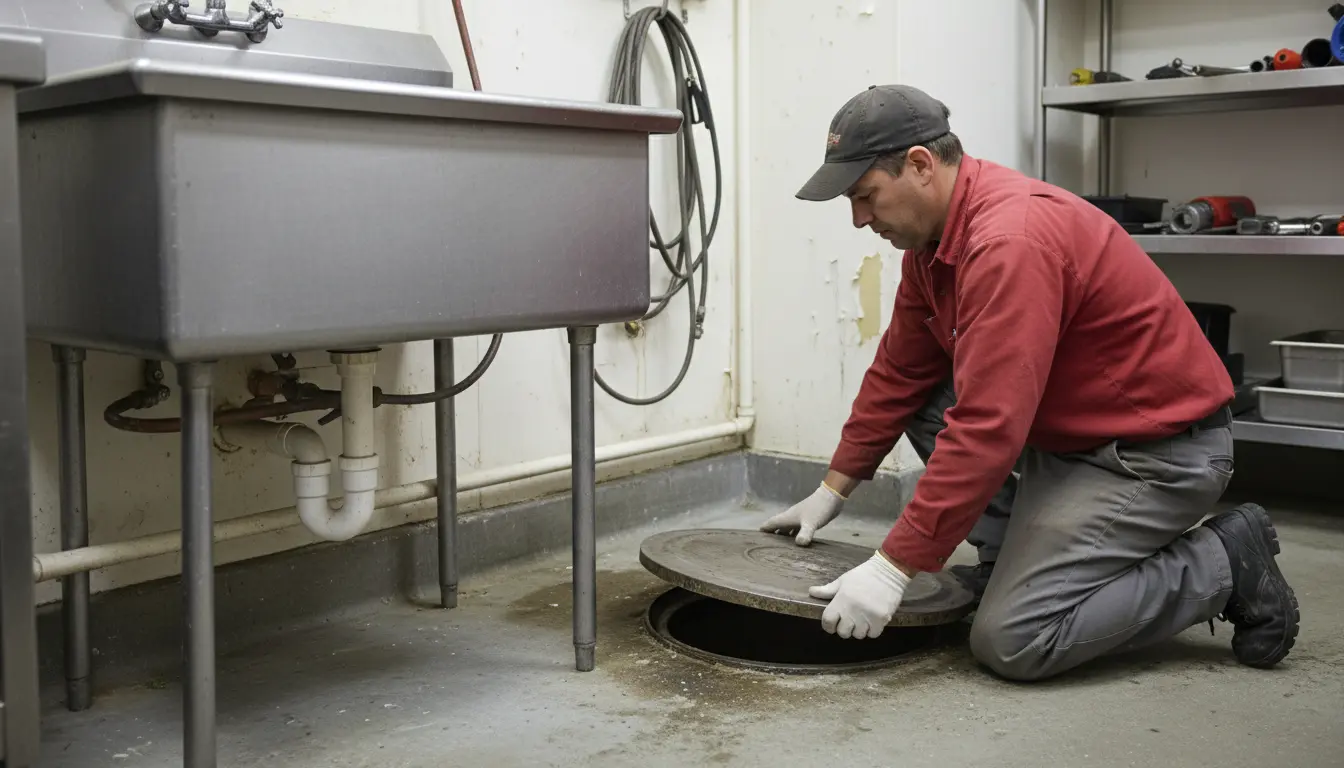
For any food service establishment in Rapid City, from bustling downtown diners to popular Mount Rushmore tourist stops, maintaining a clean and compliant grease trap or interceptor is a non-negotiable part of daily operations. These essential Fats, Oils, and Grease (FOG) management systems are strictly regulated by both the City of Rapid City and the State of South Dakota to protect the local sewer infrastructure and the environment. Neglecting proper grease interceptor maintenance can lead to severe plumbing blockages, unpleasant odors, environmental contamination, and significant financial penalties from the city. Understanding the specific local codes, required maintenance schedules, and associated costs is the first step toward reliable compliance and smooth restaurant operations.
Local regulations are clear and enforceable. Under the Rapid City Municipal Code (15.24.070) and South Dakota Administrative Rules (74:53:01:25), grease interceptors must have a minimum capacity of 750 gallons and be easily accessible for cleaning and inspection 1 2. Restaurant owners and lessees are legally responsible for keeping these interceptors in efficient operating condition and free of caked-on waste 1. While single-family homes are exempt, all commercial food service operations must adhere to these standards. The primary goal is to prevent FOG from entering the public sewer system, where it can cool, solidify, and cause major blockages leading to costly sanitary sewer overflows.
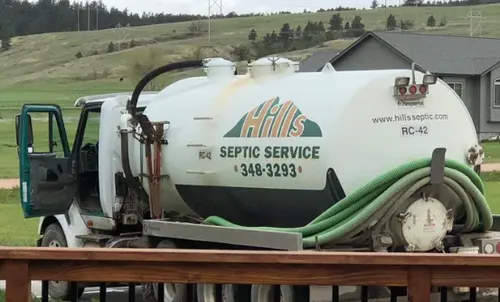
Hills Septic and Portable Toilets
7481 Stagestop Rd, Black Hawk, SD 57718
Hills Septic and Portable Toilets has been serving Rapid City, SD, and surrounding areas for over 25 years. They provide grease trap cleaning, septic installation, repair, inspections, and pumping services for both commercial and residential properties. Their certified and licensed technicians also handle necessary paperwork with Pennington and Meade counties to simplify the process for customers. The company covers multiple counties including Pennington, Meade, Custer, Lawrence, and Butte, offering a broad service area in the region.
Tipton Grease Services Inc
Box Elder, SD 57719
Tipton Grease Services Inc provides used cooking oil collection and grease trap cleaning services in Rapid City, SD. The company specializes in managing grease waste for commercial kitchens and food service businesses, helping maintain proper sanitation and compliance with local regulations.
Understanding Local Maintenance Requirements
Compliance isn't just about having the right equipment; it's about consistent, documented upkeep. The frequency of grease trap cleaning is not a one-size-fits-all schedule but is typically determined by the volume of FOG your kitchen produces. A common rule of thumb, supported by industry standards and likely enforced through local inspections, is that traps should be cleaned when the FOG and solids accumulate to one-quarter of the trap's capacity 3. For many busy Rapid City restaurants, this can translate to a need for monthly or quarterly pump-out and cleaning services.
Record-keeping is a critical component of compliance. Businesses are required to maintain detailed logs of all grease interceptor maintenance activities. These records should include the date of service, the method of cleaning, the volume of grease and waste removed, and the name of the service provider. Having this documentation readily available is essential during inspections by city or county officials. Proper logs demonstrate a proactive approach to FOG management and can be invaluable in the event of a sewer line issue or compliance audit.
The Cost of Compliance and Service
Investing in regular grease trap maintenance is far more economical than facing the consequences of neglect. The cost for professional grease trap cleaning in the Rapid City area varies based on several factors, including the size and type of your interceptor (indoor vs. outdoor), the level of buildup, and your service frequency.
- Typical Service Range: For standard maintenance cleaning, restaurants can expect costs to range from approximately $175 to $225 per service visit for regular monthly or quarterly scheduling.
- Broader Cost Factors: Data from similar South Dakota markets, like Sioux Falls, suggests a wider general range of $281 to $405, with potential scenarios costing between $95 and $695 depending on the specific job requirements 4 5.
- Interceptor Pumping: A more comprehensive pumping service for a large interceptor can range from $325 to $950 for a scheduled service, assuming the waste volume is within expected limits 6 7.
While these figures provide a guideline, the most accurate way to budget is to obtain quotes from local Rapid City service providers who can assess your specific setup. Remember, these costs are a operational necessity, much like any other utility or waste disposal service.
Consequences of Non-Compliance
Failing to maintain your grease interceptor properly carries serious risks. Enforcement agencies conduct regular inspections, and neglected traps are a primary target 8 9. The immediate consequences often involve substantial fines. Beyond the financial penalty, a severely clogged interceptor can lead to:
- Sewage Backups: Into your own kitchen or restaurant, causing massive disruption, health hazards, and loss of inventory.
- Plumbing Emergencies: Requiring expensive emergency plumbing services to clear blocked lines.
- Environmental Violations: If FOG escapes into the municipal system and causes a spill, your business could be liable for cleanup costs and environmental damages.
Find the perfect grease trap cleaning companies for your needs
Get personalized recommendations and expert advice
Choosing a Local Service Provider
Partnering with a reliable, local Rapid City service provider is the most effective way to ensure consistent compliance. A local company, such as Rapid Rooter which services the area, will be intimately familiar with the specific codes and inspection expectations of Rapid City and Pennington County 10. They can help you establish an optimal cleaning schedule, provide the necessary documentation for your records, and respond quickly if an issue arises.
When selecting a provider, look for one that offers comprehensive service-not just pumping, but a thorough cleaning of the interceptor walls and baffles to remove all caked-on FOG. They should also handle the proper, legal disposal of the collected waste, often recycling it into products like biodiesel or animal feed. Establishing a strong relationship with a trusted provider turns grease trap maintenance from a regulatory headache into a seamless part of your back-of-house operations.
Best Practices for Kitchen Staff
While professional cleaning is mandatory, daily kitchen practices significantly impact how quickly your grease trap fills and how well it functions. Implementing simple best practices can extend time between service calls and improve overall efficiency:
- Scrape, Don't Rinse: Thoroughly scrape all food scraps and grease from plates, pots, and pans into the trash before washing.
- Use Strainers: Place sink strainers in all prep and dishwashing sinks to catch solid food particles.
- Educate Your Team: Ensure all kitchen staff understand that grease traps are not garbage disposals. Pouring fats, oils, or grease down the drain is prohibited.
- Pre-Cleaning: Wipe down greasy cookware with a paper towel before washing to absorb excess oil.
By combining diligent daily practices with a professional, scheduled maintenance plan, Rapid City restaurant owners can protect their plumbing, their budget, and the local community's wastewater system.
Frequently asked questions
Sources
Footnotes
-
15.24.070 Interceptors - Rapid City Municipal Code - https://rapidcity.municipal.codes/RCMC/15.24.070 ↩ ↩2
-
Administrative Rule 74:53:01:25 | South Dakota Legislature - https://sdlegislature.gov/Rules/Administrative/74:53:01:25 ↩
-
Restaurant Grease Trap Cleaning FAQs - Mahoney Environmental - https://www.mahoneyes.com/restaurant-grease-trap-cleaning-faqs/ ↩
-
Grease Trap in Sioux Falls, SD - Costs 12 / 2025 - Homeyou - https://www.homeyou.com/sd/grease-trap-sioux-falls-costs ↩
-
The Cost To Clean A Grease Trap For Restaurants - https://thegreasecompany.com/blog/greasetrapcleaningcost/ ↩
-
Grease Trap Pumping Cost vs. Grease Trap Maintenance Cost - https://www.stateindustrial.com/article/grease-trap-pumping-cost-vs-grease-trap-maintenance-cost/ ↩
-
Restaurant Grease Trap & Interceptor Cleaning Cost - https://greasemanagement.org/pricing.html ↩
-
Grease Trap Regulations and Compliance: What You Need to ... - https://www.texwaywastewater.com/grease-trap-regulations-and-compliance/ ↩
-
Complying with Grease Trap Codes: 5 Essential Tips - https://www.unitedsewerservice.com/complying-with-local-regulations-and-codes-for-grease-trap-maintenance/ ↩
-
Grease Trap Cleaning | Rapid City, SD - https://www.rcrapidrooter.com/grease-trap-cleaning ↩