Find the Best Grease Trap Cleaning Companies for Your Business
No obligation • Fast responses • Nationwide coverage

Why you can trust Restaurant Waste Disposal
Restaurant Waste Disposal is a leading U.S. resource for comparing restaurant composting, food-waste recycling, grease trap cleaning, and used cooking oil collection services. Our editorial team researches providers, checks credentials, and organizes unbiased information so operators can make informed decisions. Companies cannot pay to change ratings or placement.
Search providers near you
Best Grease Trap Cleaning Companies in South Dakota Ranked
For restaurant owners and food service operators in South Dakota, managing fats, oils, and grease (FOG) is a critical operational and regulatory responsibility. Proper grease trap cleaning and maintenance is not just about avoiding unpleasant odors or clogs; it's a legal requirement designed to protect the state's wastewater infrastructure and environment. South Dakota has specific administrative rules and local ordinances that dictate everything from interceptor sizing to service frequency and record-keeping. Understanding these regulations and implementing a proactive maintenance schedule is the most effective way to ensure compliance, avoid costly fines, and keep your kitchen running smoothly.
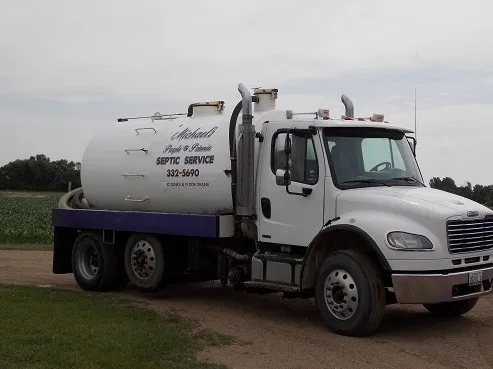
Micheal's Purple Petunia Septic Service
611 Cliff Ave, Harrisburg, SD 57032
Micheal's Purple Petunia Septic Service is a family-owned company serving Sioux Falls, SD, and the surrounding area since 1969. They provide septic tank inspection, cleaning, and maintenance for residential, commercial, and industrial clients. Their services also include grease trap cleaning, floor drain maintenance, holding tank care, and lift station repair. The company operates three fully equipped trucks and focuses on maintaining high quality standards for every project.
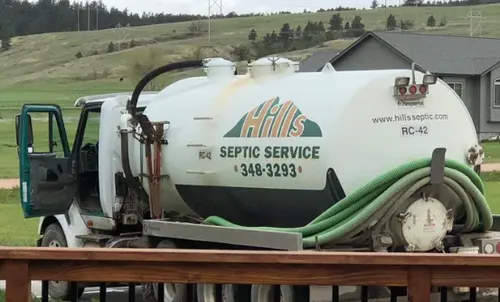
Hills Septic and Portable Toilets
7481 Stagestop Rd, Black Hawk, SD 57718
Hills Septic and Portable Toilets has been serving Rapid City, SD, and surrounding areas for over 25 years. They provide grease trap cleaning, septic installation, repair, inspections, and pumping services for both commercial and residential properties. Their certified and licensed technicians also handle necessary paperwork with Pennington and Meade counties to simplify the process for customers. The company covers multiple counties including Pennington, Meade, Custer, Lawrence, and Butte, offering a broad service area in the region.
Tipton Grease Services Inc
Box Elder, SD 57719
Tipton Grease Services Inc provides used cooking oil collection and grease trap cleaning services in Rapid City, SD. The company specializes in managing grease waste for commercial kitchens and food service businesses, helping maintain proper sanitation and compliance with local regulations.
Understanding South Dakota's Grease Trap Regulations
Compliance begins with knowing the rules. In South Dakota, the primary regulation governing grease interceptors is SD Admin Rule 74:53:01:251. This rule mandates that facilities producing high amounts of grease must install and maintain grease interceptors. The sizing is specific: interceptors must be designed to handle a flow rate with a capacity of 2 pounds of grease for every 1 gallon per minute (GPM) of flow, with a common minimum size of 750 gallons for many commercial kitchens 1. These installations must adhere to the state's plumbing codes (Chapter 20:54:06).
Beyond state law, local city ordinances often add another layer of requirements. For example, the City of Brandon requires that all grease interceptor pumping be performed by a licensed hauler, and documentation of the service must be filed with the city within 10 days. Most municipalities with dedicated Fats, Oils, and Grease (FOG) programs will require an annual permit, maintenance logs, and certification by an approved hauler2 3. Your first step should always be to check with your local wastewater or public works department to understand all applicable local rules.
How Often Should You Clean a Grease Trap in South Dakota?
Service frequency is not a one-size-fits-all schedule; it depends on your volume and type of food service. However, regulatory guidelines and industry best practices provide a clear framework.
- The Standard Range: For most South Dakota restaurants, a cleaning frequency of monthly to quarterly (every 1 to 3 months) is standard 4.
- The 25% Rule: A critical operational guideline is to have your interceptor cleaned whenever FOG and solids accumulate to fill 25% of the total capacity5 6 7. Allowing grease to exceed this level significantly reduces the trap's effectiveness and increases the risk of FOG escaping into the sewer lines.
- High-Volume Considerations: Facilities with high-volume frying, such as fast-food restaurants or large kitchens, will typically require more frequent service-potentially every 1 to 2 months or even monthly 8.
Establishing a regular, preventative schedule with a licensed provider is far more reliable than waiting for a problem to signal the need for service.
Costs for Grease Trap Cleaning in South Dakota
Budgeting for this essential service requires understanding the typical price ranges and the stark cost difference between planned and emergency service.
- Average Preventative Cleaning: In major South Dakota cities like Sioux Falls and Aberdeen, the average cost for a routine, scheduled grease trap cleaning service ranges from $280 to $435 9. Many providers offer contract pricing for quarterly service, which can stabilize costs at the lower end of this range, around $250 to $400 per service.
- Emergency Service Costs: Neglecting regular maintenance can lead to severe blockages or overflows, necessitating an emergency call. These services are significantly more expensive, typically costing between $800 and $1,200 or more per incident10 11. This does not include potential fines from your municipality for sewer line violations.
Find the perfect grease trap cleaning companies for your needs
Get personalized recommendations and expert advice
Best Practices for Grease Trap Maintenance
A comprehensive maintenance strategy extends beyond just scheduling pump-outs. It involves daily practices and proper documentation.
- Maintain a Detailed Service Log: Keep meticulous records of every cleaning, including date, hauler name, volume of waste removed, and disposal method. This log is often required for annual permit renewals and is your first line of defense during a city inspection.
- Implement Staff Training: Educate all kitchen staff on proper FOG disposal. Emphasize scraping food solids into the trash, using sink strainers, and never pouring liquid grease or oil down any drain12.
- Use Licensed, Professional Haulers: Always contract with a hauler licensed for your municipality. Professionals don't just pump out liquid; they thoroughly clean the interceptor's walls, baffles, and inlet/outlet pipes, which is essential for long-term functionality and compliance.
- Schedule Preventative Cleanings: Adhere to a calendar-based schedule recommended by your hauler, rather than a reactive one. This is the most effective way to prevent emergencies and control costs.
Consequences of Non-Compliance
Failing to adhere to South Dakota's grease trap regulations can lead to serious consequences for your business:
- Municipal Fines: Cities can levy significant fines for violations of local sewer use ordinances, especially if FOG discharge leads to a sewer line blockage or sanitary sewer overflow13 14.
- Increased Service Costs: As noted, emergency cleanings are substantially more expensive than preventative maintenance.
- Permit Revocation: Repeated violations can jeopardize your annual FOG permit, which could legally mandate a halt to your operations until compliance is restored.
- Environmental Impact: FOG that escapes into the public sewer system can congeal and cause massive blockages (fatbergs), leading to sewage backups into homes, businesses, and the local environment.
Frequently asked questions
Sources
Footnotes
-
Administrative Rule 74:53:01:25 - South Dakota Legislature - https://sdlegislature.gov/Rules/Administrative/74:53:01:25 ↩ ↩2
-
Fats, Oils & Grease (FOG) Management Policy - SD1 - https://www.sd1.org/DocumentCenter/View/288/01-26-2012-Fats-Oils-and-Grease-Management-Policy-PDF ↩
-
Grease Trap Restaurant: The Essential Guide - The Restaurant Warehouse - https://therestaurantwarehouse.com/blogs/restaurant-equipment/grease-trap-restaurant-guide ↩
-
How Often to Clean a Grease Trap - Wind River Environmental - https://www.wrenvironmental.com/blog/2019/february/how-often-to-clean-a-grease-trap/ ↩
-
How to Clean a Grease Trap (and How Often You Should) - https://greaseconnections.com/how-to-clean-a-grease-trap-and-how-often-you-should/ ↩
-
How often should a grease trap be cleaned? - https://www.facebook.com/groups/841353452626503/posts/7853727941388984/ ↩
-
Tips on Grease Trap/Interceptor Cleaning Frequency - https://www.villageofpennyan.com/uploads/1/2/3/8/123892065/grease-trap-cleaning-maintenance.pdf ↩
-
How Often Should Restaurants Clean Their Grease Traps? A ... - https://scjetting.com/how-often-should-restaurants-clean-their-grease-traps-a-complete-maintenance-guide/ ↩
-
Grease Trap Cleaning in Aberdeen, SD - Costs 09 / 2025 - Homeyou - https://www.homeyou.com/sd/grease-trap-cleaning-aberdeen-costs ↩
-
Ultimate Grease Trap Pumping Cost Guide: Essential Money-Saving ... - https://www.texwaywastewater.com/grease-trap-pumping-cost/ ↩
-
Grease Trap in Sioux Falls, SD - Costs 12 / 2025 - Homeyou - https://www.homeyou.com/sd/grease-trap-sioux-falls-costs ↩
-
How Often Should Grease Traps Be Cleaned? - FCS, Inc - https://www.fcs-inc.org/how-often-should-grease-traps-be-cleaned/ ↩
-
CHAPTER 14-41 REGULATION OF SEWER USE ARTICLE IV ... - https://cityofbrandon.org/vertical/sites/%7B23CB10F0-8C35-4CA4-9AD1-B693F0F58E76%7D/uploads/Chapter_14-41_Wastewater_and_Sewer_Use.pdf ↩
-
Grease Trap Regulations and Compliance: What You Need to Know - https://www.texwaywastewater.com/grease-trap-regulations-and-compliance/ ↩