Find the Best Grease Trap Cleaning Companies for Your Business
No obligation • Fast responses • Nationwide coverage

Why you can trust Restaurant Waste Disposal
Restaurant Waste Disposal is a leading U.S. resource for comparing restaurant composting, food-waste recycling, grease trap cleaning, and used cooking oil collection services. Our editorial team researches providers, checks credentials, and organizes unbiased information so operators can make informed decisions. Companies cannot pay to change ratings or placement.
Search providers near you
Top Grease Trap Cleaning Companies in Warwick, Rhode Island Ranked
For restaurant owners and food service operators in Warwick, maintaining a compliant and functional grease management system is not just a matter of kitchen hygiene-it's a legal requirement enforced by the Warwick Sewer Authority (WSA). Proper grease interceptor and trap maintenance is critical to prevent costly sewer blockages, avoid significant fines, and ensure the smooth operation of your business. This guide outlines the specific local regulations, best practices for service, and the importance of diligent record-keeping to help you navigate Warwick's requirements for grease trap cleaning and pumping.
Local codes mandate that all food preparation facilities install and maintain grease interceptors or traps sized appropriately for their kitchen's flow and usage. The WSA sets specific cleaning frequencies based on your kitchen's output, and maintaining a detailed, signed log of all maintenance is required for compliance inspections. Neglecting this essential service can lead to surcharges on your sewer bill or even enforcement actions that threaten your business's occupancy. Understanding these rules and partnering with a reliable service provider is the first step in responsible operation.
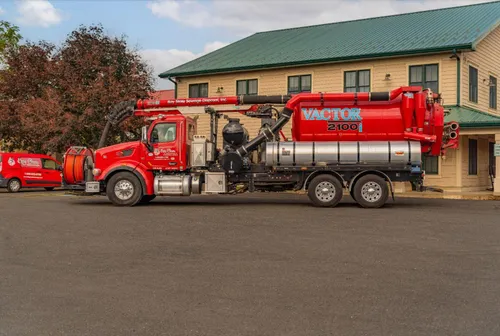
Bay State Sewage Disposal, Inc. Environmental Services Company
105 Kingman St, Lakeville, MA 02347
Bay State Sewage Disposal, Inc. Environmental Services Company is a family-owned business based near Plymouth, MA, specializing in residential and commercial septic system services. They serve southeastern Massachusetts, Rhode Island, Cape Cod, and surrounding areas, offering septic pumping, repairs, maintenance, grease trap cleaning, and sewer line services. Their capabilities include commercial vactor truck services and video drain and sewer line inspections. Established in 1984, the company provides 24/7 emergency services with fully licensed technicians.
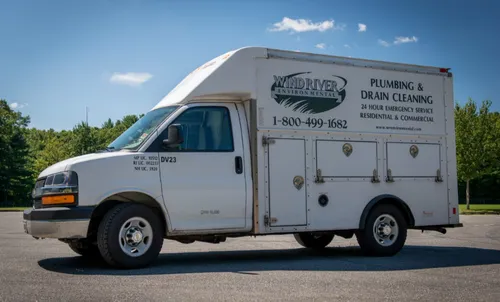
Wind River Environmental
141 Shun Pike, Johnston, RI 02919
Wind River Environmental is a grease trap cleaning and septic service provider based in Providence, RI. They serve residential, commercial, and municipal clients in Johnston and the surrounding areas, offering tailored solutions that comply with local codes and regulations. The company has a long history dating back to 1946 and provides a range of services including septic pumping, plumbing, grease trap cleaning, and system repairs. Wind River Environmental is available 24/7 to address urgent needs and supports sustainable wastewater management through its operations.
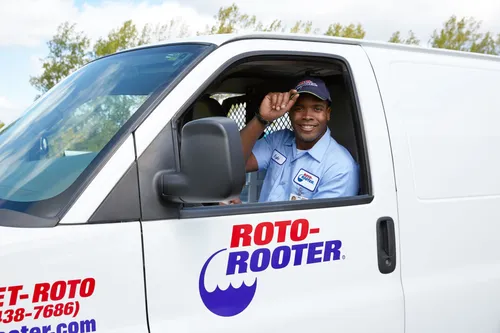
Roto-Rooter Plumbing & Water Cleanup
1195 Broad St, Providence, RI 02905
Roto-Rooter Plumbing & Water Cleanup provides comprehensive plumbing services in Providence, RI, serving both residential and commercial clients. Their offerings include floodwater cleanup, sewer and drain cleaning, water heater repair and installation, grease trap maintenance, and mold remediation. The company is equipped with advanced tools such as hydro-jetting and video camera inspections to address complex plumbing issues. Roto-Rooter has extensive experience handling plumbing challenges in older and modern buildings throughout Providence and offers 24/7 emergency services year-round.
Roto-Rooter Plumbing & Water Cleanup
404 Nash Rd bldg f, New Bedford, MA 02746
Roto-Rooter Plumbing & Water Cleanup in New Bedford, MA, offers a wide range of plumbing services for both residential and commercial clients. Their expertise includes floodwater cleanup, sewer and drain cleaning, water heater repairs, grease trap maintenance, and mold remediation. The company uses advanced tools such as high-pressure water jetting and HD inspection cameras to address complex plumbing issues efficiently. Founded in 1935, Roto-Rooter continues to provide comprehensive plumbing solutions and offers 24/7 emergency services to handle urgent plumbing problems at any time.
Septic Services LLC
Plymouth, MA
Septic Services LLC is a locally- and family-owned company providing septic tank and grease trap services in Plymouth, MA, and surrounding areas. They offer a wide range of services including Title V inspections, septic pumping, tight tank inspections, and interior and exterior grease trap cleaning for both residential and commercial clients. The company is equipped to handle emergency situations with 24/7 availability and uses advanced equipment to maintain septic systems efficiently. Their commitment to transparency includes no hidden fees and special discounts for veterans and seniors.
Understanding Warwick's Grease Interceptor Regulations
The Warwick Sewer Authority (WSA) has established clear guidelines under its Industrial Pretreatment Program (IPP) to control fats, oils, and grease (FOG) discharge into the municipal sewer system. Compliance is not optional; it's tied directly to your facility's permitting and Certificate of Occupancy.
Key mandates for Warwick restaurants include:
- Mandatory Systems: Every food service establishment must have a properly sized grease interceptor or grease trap. The required size is determined by factors like kitchen square footage and projected wastewater flow.
- Flow Control Devices: Interceptors must be equipped with a flow control or regulating device, as well as a vented line, to function correctly per code.
- Prohibited Discharges: It is strictly forbidden to route wastewater from toilets, urinals, or bathroom sinks into the grease interceptor system. These must be on separate drain lines.
- Additive Restrictions: The use of enzyme-based products designed to emulsify or liquefy grease is prohibited. However, bacterial additives (which biologically digest grease) are permitted but may require prior approval from the WSA. Always check with the authority before using any product.
Establishing a Compliant Cleaning and Pumping Schedule
There is no universal "once-a-year" rule in Warwick. The WSA Pretreatment Coordinator determines the required cleaning frequency for your interior grease traps based on your specific kitchen usage and the interceptor's design. High-volume kitchens will naturally require more frequent service than low-output operations.
To establish a compliant schedule:
- Consult the WSA: Contact the WSA directly to confirm the mandated service frequency for your facility.
- Monitor Your System: Many service providers recommend cleaning your trap whenever the accumulated grease and solids reach 25% of the unit's volume. Regular inspection can prevent overflows and backups.
- Plan for Emergencies: Even with a regular schedule, emergencies happen. Having a trusted service provider on call for unexpected clogs or overflows is crucial to minimize downtime.
Find the perfect grease trap cleaning companies for your needs
Get personalized recommendations and expert advice
The Critical Importance of Maintenance Logs
One of the most emphasized aspects of WSA compliance is record-keeping. You are required to maintain a detailed Grease Trap Cleaning Log on-site, available for inspection at any time.
A proper log must include:
- Date of service
- Name of the pumping/cleaning company
- Volume of grease/waste removed
- Disposal location (e.g., landfill, recycling center)
- Signature of the facility manager on duty at the time of service
These logs are your primary proof of compliance during routine or surprise inspections by the WSA 1 2. Incomplete or missing logs can be grounds for violations just as serious as having an overflowing trap.
What to Expect from Professional Grease Trap Service
Hiring a licensed and insured professional service is non-negotiable. They have the expertise and equipment to handle hazardous waste safely and in accordance with environmental regulations.
A standard professional service includes:
- Complete Pumping: Removing all contents-grease, fats, oils, solids, and wastewater-from the interceptor.
- Scraping and High-Pressure Washing: Manually scraping hardened grease from the walls and baffles, followed by pressure washing to remove residual waste.
- System Inspection: Checking for cracks, leaks, damaged baffles, and proper function of the flow control device.
- Proper Disposal: Transporting the waste to an approved facility for recycling or disposal, providing you with documentation for your records.
- Log Completion: Assisting you in properly filling out your maintenance log with all required details.
Cost Factors for Grease Interceptor Cleaning in Warwick
The cost for grease trap pumping and cleaning in Warwick varies based on several factors. While prices can fluctuate, general ranges provide a useful benchmark for budgeting 3.
- Standard Cleaning: For a routine service on a well-maintained, standard-sized trap, restaurants can expect costs typically ranging from $175 to $475 4 5.
- Variables That Increase Cost:
- Size & Capacity: Larger interceptors require more labor and disposal capacity.
- Level of Neglect: Traps that have gone too long between services will have hardened grease and solids, making the job more labor-intensive.
- Location & Access: Easily accessible traps cost less to service than those in confined basements or under concrete pads.
- Emergency Service: After-hours or emergency calls to address a backup will incur premium rates and can easily exceed the standard range 6.
Investing in regular service is almost always less expensive than paying for a major emergency cleanup or the fines associated with non-compliance.
Consequences of Non-Compliance
Failing to adhere to WSA regulations carries real financial and operational risks for your business.
Potential enforcement actions include:
- Surcharges: Significant additional fees added to your regular sewer bill 7.
- Fines: Direct monetary penalties for violations.
- Permit Revocation: In severe cases, the WSA can take action that affects your operating permits or Certificate of Occupancy, potentially leading to business closure 8 9.
- Sewer Blockages: Beyond fines, neglected grease is the leading cause of sewer line blockages, which can lead to backups in your own kitchen or neighboring businesses, resulting in costly repairs and business interruption.
Choosing a Service Provider in Warwick
When selecting a company for grease interceptor maintenance, due diligence is key. Look for providers who are familiar with Warwick Sewer Authority codes and can demonstrate a track record of reliable, compliant service 10 11.
Essential qualifications include:
- Proper licensing and insurance for hazardous waste transport.
- Knowledge of local (WSA) and state (Rhode Island Code) regulations 12 13.
- Transparency in pricing and service descriptions.
- Willingness to help you complete and maintain your compliance logs.
- Prompt and reliable scheduling for both routine and emergency service.
Frequently asked questions
Sources
Footnotes
-
Grease Trap Regulations and Compliance: What You Need to ... - https://www.texwaywastewater.com/grease-trap-regulations-and-compliance/ ↩
-
Grease Trap Cleaning Log - West Warwick Waste Water - http://westwarwickwastewater.com/wp-content/uploads/2015/06/GREASE_TRAP_CLEANING_LOG.pdf ↩
-
Ultimate Grease Trap Pumping Cost Guide: Essential Money-Saving ... - https://www.texwaywastewater.com/grease-trap-pumping-cost/ ↩
-
The Cost To Clean A Grease Trap For Restaurants - https://thegreasecompany.com/blog/greasetrapcleaningcost/ ↩
-
How Much Does a Proper Grease Trap Cleaning Cost? - https://hulseyenvironmental.com/how-much-does-a-proper-grease-trap-cleaning-partner-cost/ ↩
-
Rhode Island Septic Inspections: What's Included - https://www.rockhouseconstruction.com/rhode-island-septic-inspections-whats-included ↩
-
Establishing a Grease Trap Cleaning and Servicing Schedule ... - https://jpgreasetrap.com/establishing-a-grease-trap-cleaning-and-servicing-schedule-for-your-commercial-kitchen/ ↩
-
Guidelines for food processors and preparers - https://www.warwicksewerauthority.com/index.php/23-warwick-sewer-authority/treatment-facility/45-guidelines-for-food-processors-and-preparers ↩
-
IPP restaurant Quickguide-1-07.pdf - Warwick Sewer Authority - https://www.warwicksewerauthority.com/pdfs/IPP%20restaurant%20Quickguide-1-07.pdf ↩
-
Grease Trap Cleaning in Warwick RI | Grease Interceptor Pumping - https://greasetrapcleaningnorthprovidence.com/warwick-ri.html ↩
-
Restaurant Grease Traps | Grease Trap Service Charlestown - https://www.allreadyseptic.com/grease-trap-cleaning ↩
-
Rhode Island Code of Regulations, Part 1, Section 835-RICR-20-00 ... - https://regulations.justia.com/states/rhode-island/title-835/chapter-20/subchapter-00/part-1/section-835-ricr-20-00-1-8/ ↩
-
Chapter 10 Traps, Interceptors and Separators: Rhode Island ... - https://up.codes/viewer/rhode_island/ri-plumbing-code-2019/chapter/10/traps-interceptors-and-separators ↩