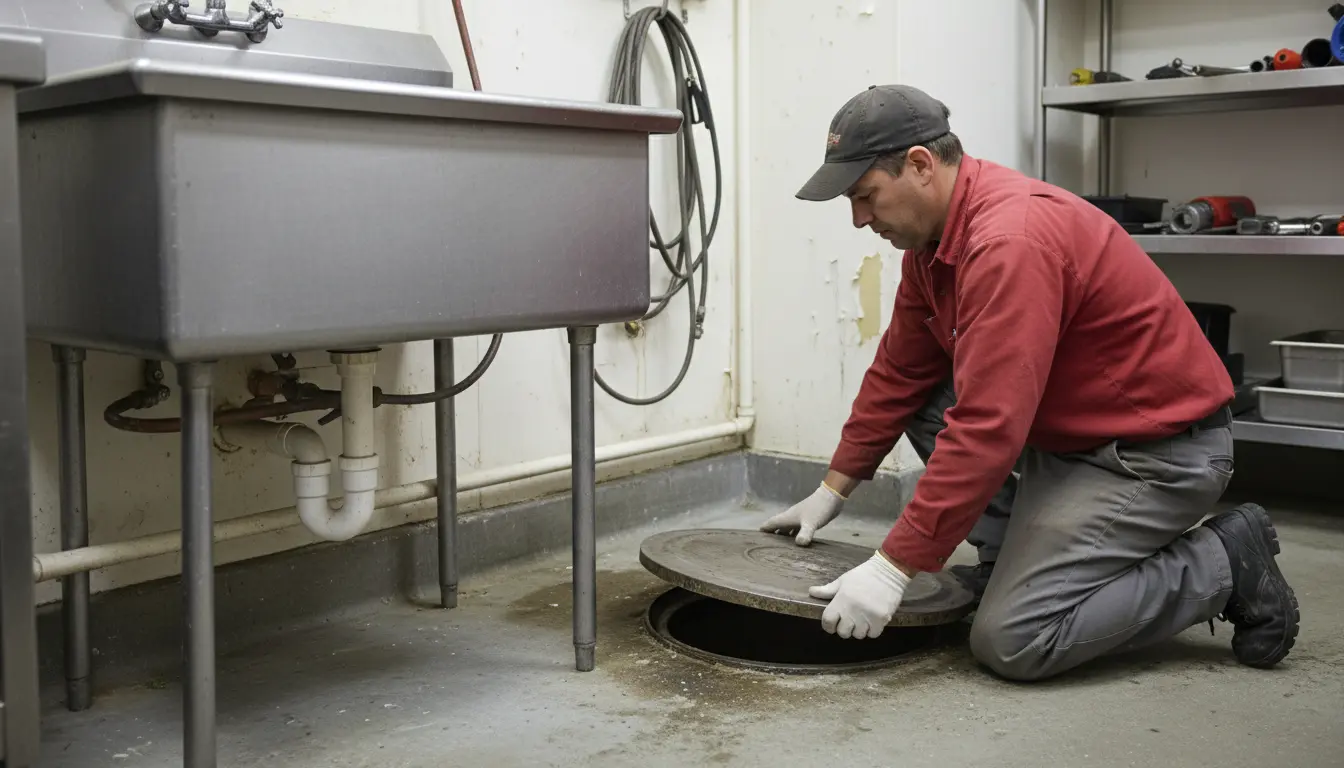
Find the Best Grease Trap Cleaning Companies for Your Business
No obligation • Fast responses • Nationwide coverage

Why you can trust Restaurant Waste Disposal
Restaurant Waste Disposal is a leading U.S. resource for comparing restaurant composting, food-waste recycling, grease trap cleaning, and used cooking oil collection services. Our editorial team researches providers, checks credentials, and organizes unbiased information so operators can make informed decisions. Companies cannot pay to change ratings or placement.
Search providers near you
Top Grease Trap Cleaning Companies in Pawtucket, Rhode Island Ranked
For any food service establishment in Pawtucket, maintaining a clean and compliant grease trap is not just a best practice-it's a legal requirement. Proper grease interceptor maintenance is critical to prevent costly sewer blockages, avoid significant fines from local authorities, and ensure the smooth operation of your kitchen. This guide outlines the specific regulations, recommended maintenance schedules, and service considerations for restaurant owners and facility managers in the city, helping you navigate the essentials of grease management and stay in good standing with Pawtucket and Rhode Island Department of Environmental Management (DEM) codes.
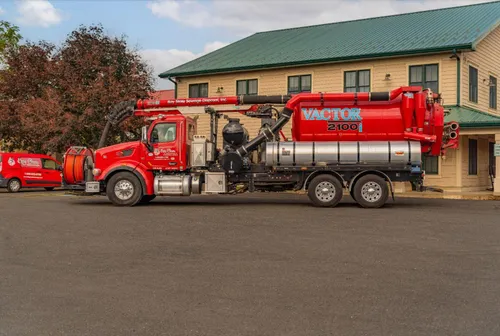
Bay State Sewage Disposal, Inc. Environmental Services Company
105 Kingman St, Lakeville, MA 02347
Bay State Sewage Disposal, Inc. Environmental Services Company is a family-owned business based near Plymouth, MA, specializing in residential and commercial septic system services. They serve southeastern Massachusetts, Rhode Island, Cape Cod, and surrounding areas, offering septic pumping, repairs, maintenance, grease trap cleaning, and sewer line services. Their capabilities include commercial vactor truck services and video drain and sewer line inspections. Established in 1984, the company provides 24/7 emergency services with fully licensed technicians.
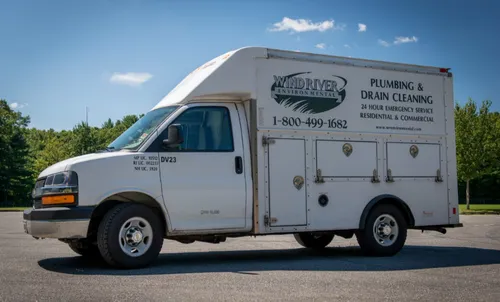
Wind River Environmental of Carver, MA
245 Plymouth St, Carver, MA 02330
Wind River Environmental of Carver, MA provides septic, plumbing, and grease trap cleaning services to residential, commercial, and municipal clients in Plymouth, MA. The company offers a wide range of wastewater management solutions including septic pumping, grease trap cleaning, drain cleaning, and lift station maintenance. With over 75 years of combined experience through its network, Wind River Environmental is familiar with local regulations and environmental considerations. They provide 24/7 emergency services to address urgent septic and grease issues.
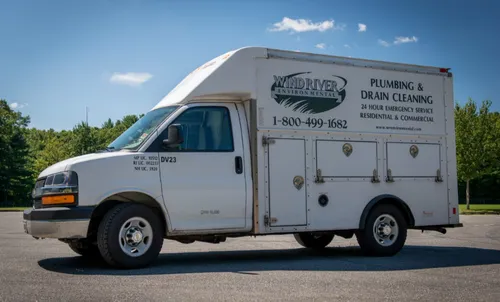
Wind River Environmental
141 Shun Pike, Johnston, RI 02919
Wind River Environmental is a grease trap cleaning and septic service provider based in Providence, RI. They serve residential, commercial, and municipal clients in Johnston and the surrounding areas, offering tailored solutions that comply with local codes and regulations. The company has a long history dating back to 1946 and provides a range of services including septic pumping, plumbing, grease trap cleaning, and system repairs. Wind River Environmental is available 24/7 to address urgent needs and supports sustainable wastewater management through its operations.
Roto-Rooter Plumbing & Water Cleanup
1195 Broad St, Providence, RI 02905
Roto-Rooter Plumbing & Water Cleanup provides comprehensive plumbing services in Providence, RI, serving both residential and commercial clients. Their offerings include floodwater cleanup, sewer and drain cleaning, water heater repair and installation, grease trap maintenance, and mold remediation. The company is equipped with advanced tools such as hydro-jetting and video camera inspections to address complex plumbing issues. Roto-Rooter has extensive experience handling plumbing challenges in older and modern buildings throughout Providence and offers 24/7 emergency services year-round.
Roto-Rooter Plumbing & Water Cleanup
175 Maple St, Stoughton, MA 02072
Roto-Rooter Plumbing & Water Cleanup offers comprehensive residential and commercial plumbing services in Brockton, MA. The company specializes in sewer and drain cleaning, grease trap maintenance, water heater repair and installation, and emergency flood and water damage cleanup. They provide 24/7 availability, 365 days a year, to address urgent plumbing issues including sewer backups and burst pipes. Roto-Rooter uses advanced equipment such as high-pressure water jetting (hydro-jetting) and trenchless pipe replacement techniques for efficient sewer line repairs. Serving a broad area around Brockton, they bring extensive experience and local knowledge to their work.
Understanding Pawtucket and Rhode Island Grease Trap Regulations
Rhode Island state code, enforced locally in Pawtucket, sets clear standards for grease interceptors in food service establishments. The primary goal is to prevent fats, oils, and grease (FOG) from entering the public sewer system, where they can solidify and cause major blockages and environmental issues. Compliance is not optional; it's mandated for the protection of the city's wastewater infrastructure.
Key regulatory requirements include:
- Minimum Capacity: In-ground grease traps must have a minimum capacity of 500 gallons and a liquid depth of at least four feet to provide adequate detention time for grease to separate from wastewater.
- Approved Alternatives: Automatic Grease Removal Units (GRUs or ARUs) are permitted as an alternative to traditional in-ground traps, provided they are certified and maintained according to manufacturer and local specifications 1.
- Accessibility & Installation: Traps must be easily accessible for inspection, pumping, and maintenance by service providers and city officials. Proper installation is key to both function and compliance.
- Record Keeping: Establishments are required to maintain detailed service records for a minimum of three years. These logs should document every pumping, cleaning, and maintenance event, including dates, volumes removed, and the service company used.
The Importance of Regular Maintenance and Cleaning Schedules
Neglecting your grease trap or interceptor can lead to a cascade of problems, from foul odors and slow drains to severe sewer backups and regulatory penalties. A well-maintained system operates efficiently and protects your business from unexpected disruptions.
A proactive maintenance schedule is far more cost-effective than reacting to emergencies. The frequency of required grease trap cleaning depends on several factors:
- Establishment Size and Volume: A high-volume restaurant will fill its trap much faster than a small café.
- Menu Offerings: Kitchens that fry foods or prepare greasy dishes generate more FOG.
- Trap Size and Type: A 500-gallon in-ground trap has a different capacity than an under-sink interceptor or an automatic unit.
While schedules are often determined on a case-by-case basis, common practices in Pawtucket include monthly cleaning for small, under-sink grease interceptors and quarterly (every 3-4 months) service for larger in-ground traps 2. Some automatic units may require more frequent servicing of collection containers. The best approach is to work with a professional service provider who can assess your specific operation and recommend a compliant, preventative schedule to keep your system functioning optimally 2 3.
What to Expect: The Grease Trap Cleaning Process
Professional grease trap cleaning is a thorough process that goes beyond simple pumping. Understanding the steps involved can help you prepare for a service visit and ensure nothing is overlooked.
A standard service typically includes:
- Site Assessment & Access: The technician will locate and safely access the trap, which may involve removing heavy lids.
- Pumping & Removal: Using a vacuum truck, all contents-including grease, solids, and wastewater-are pumped out and transported for proper disposal at a licensed facility.
- Scraping & Cleaning: The interior walls and baffles of the trap are manually scraped to remove hardened grease and solids that pumping alone cannot extract. This step is crucial for maintaining capacity and efficiency.
- System Inspection: The technician will inspect the trap's structure, inlet/outlet pipes, and baffles for damage, leaks, or potential issues.
- Detailed Documentation: You will receive a service report detailing the work performed, the volume of waste removed, and the date of service. This document is essential for your compliance records.
Find the perfect grease trap cleaning companies for your needs
Get personalized recommendations and expert advice
Cost Considerations for Grease Trap Services in Pawtucket
The cost of grease trap maintenance in Pawtucket varies based on the scope of work. Investing in routine preventative cleaning is consistently less expensive than dealing with the consequences of neglect.
- Routine Preventative Cleaning: For a standard pumping and cleaning service on a properly maintained trap, Pawtucket restaurant owners can generally expect costs to range from approximately $175 to $400 per visit 4. The final price depends on the trap's size, its accessibility, and the service provider.
- Emergency or Remedial Cleaning: If a trap has been neglected, leading to a complete clog or backup, the service becomes more complex. Emergency cleanouts, which may involve high-pressure jetting to clear blocked lines or extensive manual removal of solidified waste, can cost $800 to $1,200 or more 5 6.
- Compliance & Inspection Support: Some local service companies offer additional support, such as preparing documentation for health department inspections or advising on compliance issues, which may be included in a service contract or available for an additional fee.
Choosing a Service Provider in Pawtucket
Selecting a reliable and knowledgeable local provider is a key business decision. The right partner will help you maintain compliance, avoid fines, and extend the life of your grease management system.
When evaluating grease trap cleaning companies in the Pawtucket area, consider the following:
- Licensing and Insurance: Ensure the company is fully licensed to operate in Rhode Island and carries adequate liability and workers' compensation insurance.
- Local Knowledge: A provider familiar with Pawtucket and Rhode Island DEM regulations can offer invaluable guidance on staying compliant.
- Service Offerings: Look for companies that provide comprehensive service, including pumping, thorough cleaning, inspection, and proper documentation.
- Disposal Practices: Verify that the company disposes of collected grease and waste at licensed facilities, in accordance with environmental regulations.
- Reputation and Reliability: Seek out providers with positive reviews from other local restaurants and a reputation for responsive, professional service 7.
Consequences of Non-Compliance
Failing to adhere to grease trap regulations in Pawtucket carries serious repercussions. The city's Health Department and Public Works officials conduct inspections to enforce these rules 8. Penalties for violations can include:
- Substantial Fines: Monetary penalties for non-compliance can be levied per violation.
- Operational Disruption: In severe cases, a restaurant may be issued a cease-and-desist order, forcing a temporary closure until the grease trap issue is resolved and brought up to code.
- Increased Liability: If a neglected grease trap causes a sewer backup or environmental damage, the business owner may be held financially responsible for the cleanup and repairs.
Maintaining meticulous service records is your first line of defense during an inspection, proving your commitment to proper maintenance 9 10.
Frequently asked questions
Sources
Footnotes
-
Grease Traps for Restaurants: The Essential Guide - https://therestaurantwarehouse.com/blogs/restaurant-equipment/grease-trap-for-restaurant-guide ↩
-
How to Clean a Grease Trap (and How Often You Should) - https://greaseconnections.com/how-to-clean-a-grease-trap-and-how-often-you-should/ ↩ ↩2
-
Septic Pumping and Grease Traps in Restaurants - https://bhcameron.com/2024/07/septic-pumping-and-grease-traps-in-restaurants/ ↩
-
How Much Does It Cost To Clean A Grease Trap? - https://www.greasecollection.com/blog/how-much-does-it-cost-to-clean-a-grease-trap/ ↩
-
The Cost To Clean A Grease Trap For Restaurants - https://thegreasecompany.com/blog/greasetrapcleaningcost/ ↩
-
Ultimate Grease Trap Pumping Cost Guide: Essential Money-Saving ... - https://www.texwaywastewater.com/grease-trap-pumping-cost/ ↩
-
Grease Trap Cleaning in Pawtucket RI - https://greasetrapcleaningbristol.com/pawtucket-ri.html ↩
-
Grease Trap Cleaning in Pawtucket RI - https://greasetrapcleaningnorthprovidence.com/pawtucket-ri.html ↩
-
Grease Trap Services in Rhode Island - ProSeptic - https://prosepticri.com/grease-trap-services-in-rhode-island/ ↩
-
Rhode Island Code of Regulations, Part 1, Section 835-RICR-20-00 ... - https://regulations.justia.com/states/rhode-island/title-835/chapter-20/subchapter-00/part-1/section-835-ricr-20-00-1-8/ ↩