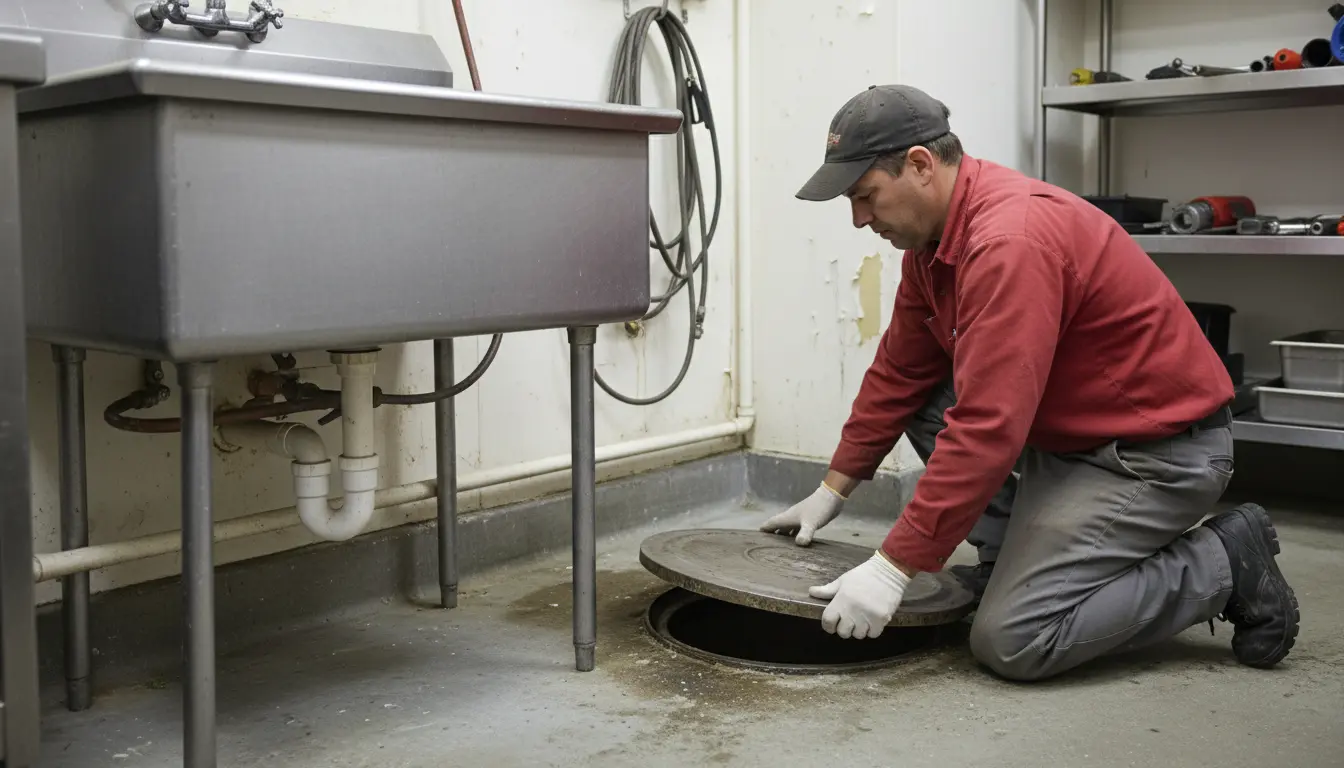
Find the Best Grease Trap Cleaning Companies for Your Business
No obligation • Fast responses • Nationwide coverage

Why you can trust Restaurant Waste Disposal
Restaurant Waste Disposal is a leading U.S. resource for comparing restaurant composting, food-waste recycling, grease trap cleaning, and used cooking oil collection services. Our editorial team researches providers, checks credentials, and organizes unbiased information so operators can make informed decisions. Companies cannot pay to change ratings or placement.
Search providers near you
Top Grease Trap Cleaning Companies in East Providence, Rhode Island Ranked
For restaurant owners and food service operators in East Providence, maintaining a clean and compliant grease trap or interceptor is a critical, non-negotiable part of daily operations. The state's plumbing code sets strict standards for the installation and maintenance of these Fats, Oils, and Grease (FOG) control devices, and local enforcement ensures these rules are followed to protect the city's sewer infrastructure from costly blockages and environmental harm. Proper grease interceptor service is not just about avoiding fines; it's about ensuring your kitchen runs smoothly, preventing disruptive backups, and upholding your establishment's reputation. This guide outlines what you need to know about regulations, maintenance best practices, and service considerations specific to East Providence.
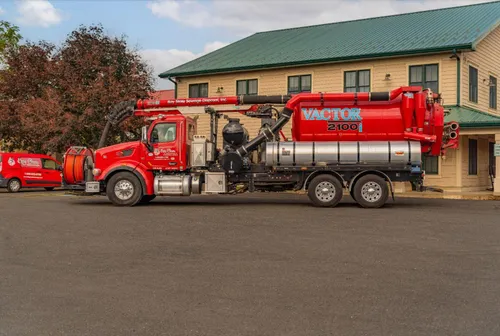
Bay State Sewage Disposal, Inc. Environmental Services Company
105 Kingman St, Lakeville, MA 02347
Bay State Sewage Disposal, Inc. Environmental Services Company is a family-owned business based near Plymouth, MA, specializing in residential and commercial septic system services. They serve southeastern Massachusetts, Rhode Island, Cape Cod, and surrounding areas, offering septic pumping, repairs, maintenance, grease trap cleaning, and sewer line services. Their capabilities include commercial vactor truck services and video drain and sewer line inspections. Established in 1984, the company provides 24/7 emergency services with fully licensed technicians.
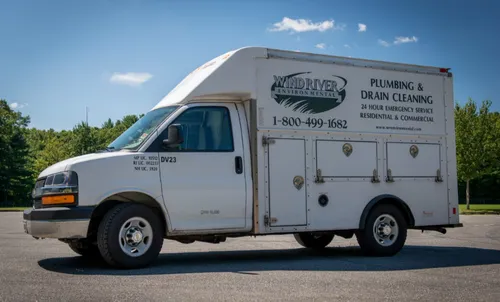
Wind River Environmental of Carver, MA
245 Plymouth St, Carver, MA 02330
Wind River Environmental of Carver, MA provides septic, plumbing, and grease trap cleaning services to residential, commercial, and municipal clients in Plymouth, MA. The company offers a wide range of wastewater management solutions including septic pumping, grease trap cleaning, drain cleaning, and lift station maintenance. With over 75 years of combined experience through its network, Wind River Environmental is familiar with local regulations and environmental considerations. They provide 24/7 emergency services to address urgent septic and grease issues.
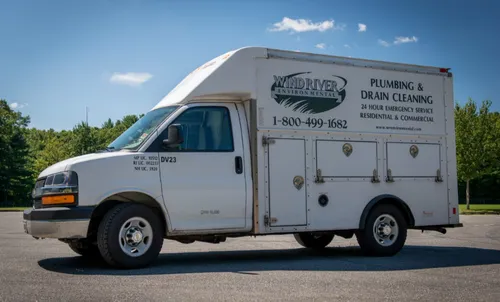
Wind River Environmental
141 Shun Pike, Johnston, RI 02919
Wind River Environmental is a grease trap cleaning and septic service provider based in Providence, RI. They serve residential, commercial, and municipal clients in Johnston and the surrounding areas, offering tailored solutions that comply with local codes and regulations. The company has a long history dating back to 1946 and provides a range of services including septic pumping, plumbing, grease trap cleaning, and system repairs. Wind River Environmental is available 24/7 to address urgent needs and supports sustainable wastewater management through its operations.
Roto-Rooter Plumbing & Water Cleanup
1195 Broad St, Providence, RI 02905
Roto-Rooter Plumbing & Water Cleanup provides comprehensive plumbing services in Providence, RI, serving both residential and commercial clients. Their offerings include floodwater cleanup, sewer and drain cleaning, water heater repair and installation, grease trap maintenance, and mold remediation. The company is equipped with advanced tools such as hydro-jetting and video camera inspections to address complex plumbing issues. Roto-Rooter has extensive experience handling plumbing challenges in older and modern buildings throughout Providence and offers 24/7 emergency services year-round.
Roto-Rooter Plumbing & Water Cleanup
175 Maple St, Stoughton, MA 02072
Roto-Rooter Plumbing & Water Cleanup offers comprehensive residential and commercial plumbing services in Brockton, MA. The company specializes in sewer and drain cleaning, grease trap maintenance, water heater repair and installation, and emergency flood and water damage cleanup. They provide 24/7 availability, 365 days a year, to address urgent plumbing issues including sewer backups and burst pipes. Roto-Rooter uses advanced equipment such as high-pressure water jetting (hydro-jetting) and trenchless pipe replacement techniques for efficient sewer line repairs. Serving a broad area around Brockton, they bring extensive experience and local knowledge to their work.
Understanding Rhode Island's Grease Trap Code
The foundation of all grease management in East Providence is the Rhode Island Plumbing Code (835-RICR-20-00-1-8). This regulation provides the technical specifications for any grease interceptor installed in a commercial kitchen. Key requirements that directly impact your facility include:
- Flow Control: Every grease trap must be equipped with a flow control device that regulates the rate of wastewater entering the unit. This ensures the effluent has sufficient retention time inside the trap for FOG to cool, solidify, and separate from the water.
- Proper Venting: The code mandates specific venting requirements. Typically, each interceptor must be vented, and the vent must terminate in the open air, above the flood rim level of any nearby fixtures, or as specified by the manufacturer 1.
- Prohibited Discharge: It is a violation to discharge wastewater from non-kitchen sources into a grease interceptor. This means water from toilets, mop sinks, or other sanitary drains must be plumbed separately and cannot enter the grease containment system 2.
Local health and plumbing inspectors use this state code as the basis for their enforcement actions in East Providence. Non-compliance can lead to significant penalties, including fines and, in severe cases, operational shutdowns until violations are corrected.
The Critical Importance of Regular Maintenance
Adhering to a strict, documented maintenance schedule is the most effective way to ensure code compliance and prevent operational headaches. The accumulation of FOG is inevitable in a busy kitchen, and without regular removal, it will eventually escape the trap and cause problems downstream.
- Recommended Service Frequency: While the specific schedule can vary based on your kitchen's volume and menu, professional service every 1 to 3 months is standard for most restaurants. High-volume establishments or those with particularly greasy output may require monthly service.
- Consequences of Neglect: A neglected grease trap loses its effectiveness. When the FOG layer becomes too thick, grease will bypass the trap and enter the public sewer lines. Inside the cooler pipes, this grease hardens, combining with other debris to form severe blockages known as "fatbergs." These can cause sewage backups in your own establishment or in the municipal system, leading to expensive emergency plumbing repairs and potential liability.
- The Role of Documentation: Simply having the trap cleaned is not enough. You must keep detailed, accurate records of every service event. This log should include the date, the name of the servicing company, the volume of waste removed, and the disposal manifest number. These records are your first line of defense during a compliance inspection.
What to Expect During a Professional Service Visit
Hiring a licensed and insured professional service provider is essential for proper FOG handling and disposal. A reputable company will handle the entire process from pump-out to paperwork.
- Assessment and Pump-Out: The technician will first assess the condition of your interceptor. Using a vacuum truck, they will completely evacuate all contents-the captured FOG, food solids, and wastewater-from the trap.
- Cleaning and Inspection: After pumping, the interior walls and baffles of the trap should be scraped and washed to remove clinging grease and solids. The technician will also inspect the unit for any damage, check the flow control device, and ensure vents are clear.
- Proper Disposal and Documentation: The collected waste is transported by a licensed hauler to an approved facility, such as a rendering plant or wastewater treatment facility, where it can be processed appropriately. You should receive a detailed service report and a waste manifest, which serves as your legal proof of proper disposal. This documentation is a critical part of your compliance file 3.
Find the perfect grease trap cleaning companies for your needs
Get personalized recommendations and expert advice
Factors Influencing Grease Trap Service Costs in East Providence
The cost for a single grease trap cleaning or interceptor pump-out in East Providence is not a flat fee. Several variables determine the final price, which can help you understand quotes from local service providers.
- Trap Size and Type: This is the primary cost driver. Small, indoor grease traps (often under 50 gallons) are less expensive to service, typically ranging from $175 to $475 per cleaning 4 5. Large, outdoor grease interceptors (500 gallons or more) require more labor, equipment, and disposal capacity, with costs commonly ranging from $325 to $950 or more per pump-out 4 6.
- Location and Accessibility: An easily accessible outdoor interceptor near a driveway will cost less to service than one located in a cramped basement, behind locked gates, or requiring special equipment to reach 7.
- Condition and Frequency: A well-maintained trap on a regular schedule is quicker and easier to clean. Traps that have been neglected often have hardened grease and excessive solids, requiring more labor-intensive scraping and high-pressure washing, which increases the price 8.
- Service Contract vs. One-Time Service: Many providers offer discounted rates for restaurants that commit to a regular scheduled maintenance plan. These contracts can offer predictable billing and priority service, often reducing the per-service cost compared to emergency or one-time calls.
Choosing a Local Service Provider
When selecting a company for your grease interceptor maintenance, look for providers with proven experience in the East Providence and greater Rhode Island market. Companies like Zoom Drain of Rhode Island and ProSeptic are examples of established service providers familiar with local codes and common restaurant setups in the area 9 10. Ensure any company you consider is fully licensed, insured, and can provide references from other local food service establishments. They should also be transparent about their pricing, service process, and documentation.
Building a Proactive Grease Management Program
Beyond just scheduling cleanings, a holistic approach to grease management can extend the time between services and improve overall compliance.
- Best Kitchen Practices: Implement and train staff on simple measures like using sink strainers to catch food solids, pre-scraping dishes before washing, and avoiding pouring any grease or oil down the drain. Collect fryer oil separately in dedicated containers for used cooking oil recycling 11 12.
- Regular Internal Checks: Assign a manager to periodically check the grease trap, noting the thickness of the FOG layer. This can help you fine-tune your service schedule before an overflow occurs.
- Maintain an Organized Compliance Binder: Keep all service manifests, inspection reports, and any correspondence with the city or service providers in one easily accessible location. Being prepared for an unannounced inspection can make the process quick and stress-free 13 14.
Staying ahead of grease trap maintenance is a smart business practice for any East Providence restaurant. By understanding the regulations, partnering with a reliable service provider, and fostering good kitchen habits, you can protect your business from unexpected costs and disruptions while contributing to the health of the local community's infrastructure.
Frequently asked questions
Sources
Footnotes
-
Chapter 10 Traps, Interceptors and Separators: Rhode Island ... - https://up.codes/viewer/rhode_island/ri-plumbing-code-2019/chapter/10/traps-interceptors-and-separators ↩
-
Rhode Island Code of Regulations, Part 1, Section 835-RICR-20-00 ... - https://regulations.justia.com/states/rhode-island/title-835/chapter-20/subchapter-00/part-1/section-835-ricr-20-00-1-8/ ↩
-
Grease Trap Cleaning in East Providence RI - https://greasetrapcleaningbristol.com/east-providence-ri.html ↩
-
Ultimate Grease Trap Pumping Cost Guide: Essential Money-Saving ... - https://www.texwaywastewater.com/grease-trap-pumping-cost/ ↩ ↩2
-
The Cost To Clean A Grease Trap For Restaurants - https://thegreasecompany.com/blog/greasetrapcleaningcost/ ↩
-
Restaurant Grease Trap & Interceptor Cleaning Cost - https://greasemanagement.org/pricing.html ↩
-
How Much Does a Proper Grease Trap Cleaning Cost? - https://hulseyenvironmental.com/how-much-does-a-proper-grease-trap-cleaning-partner-cost/ ↩
-
Grease Trap Cleaning Prices | Guide on the Industry Average - https://grease-cycle.com/grease-trap-pumping-cost/ ↩
-
Grease Trap Services in Rhode Island | ProSeptic - https://prosepticri.com/grease-trap-services-in-rhode-island/ ↩
-
Grease Trap Cleaning Services in Providence I Zoom Drain - https://www.zoomdrain.com/rhode-island/commercial-service/grease-trap-services/ ↩
-
The Ultimate Guide to Grease Traps for Kitchens - https://therestaurantwarehouse.com/blogs/restaurant-equipment/grease-traps-for-kitchens ↩
-
Ultimate Grease Trap Maintenance Guide For Ogden Facilities - myshyft.com - https://www.myshyft.com/blog/grease-trap-cleaning-ogden-utah/ ↩
-
Complying with Grease Trap Codes: 5 Essential Tips | Business Name - https://www.unitedsewerservice.com/complying-with-local-regulations-and-codes-for-grease-trap-maintenance/ ↩
-
Restaurant Grease Trap Cleaning FAQs - Mahoney Environmental - https://www.mahoneyes.com/restaurant-grease-trap-cleaning-faqs/ ↩