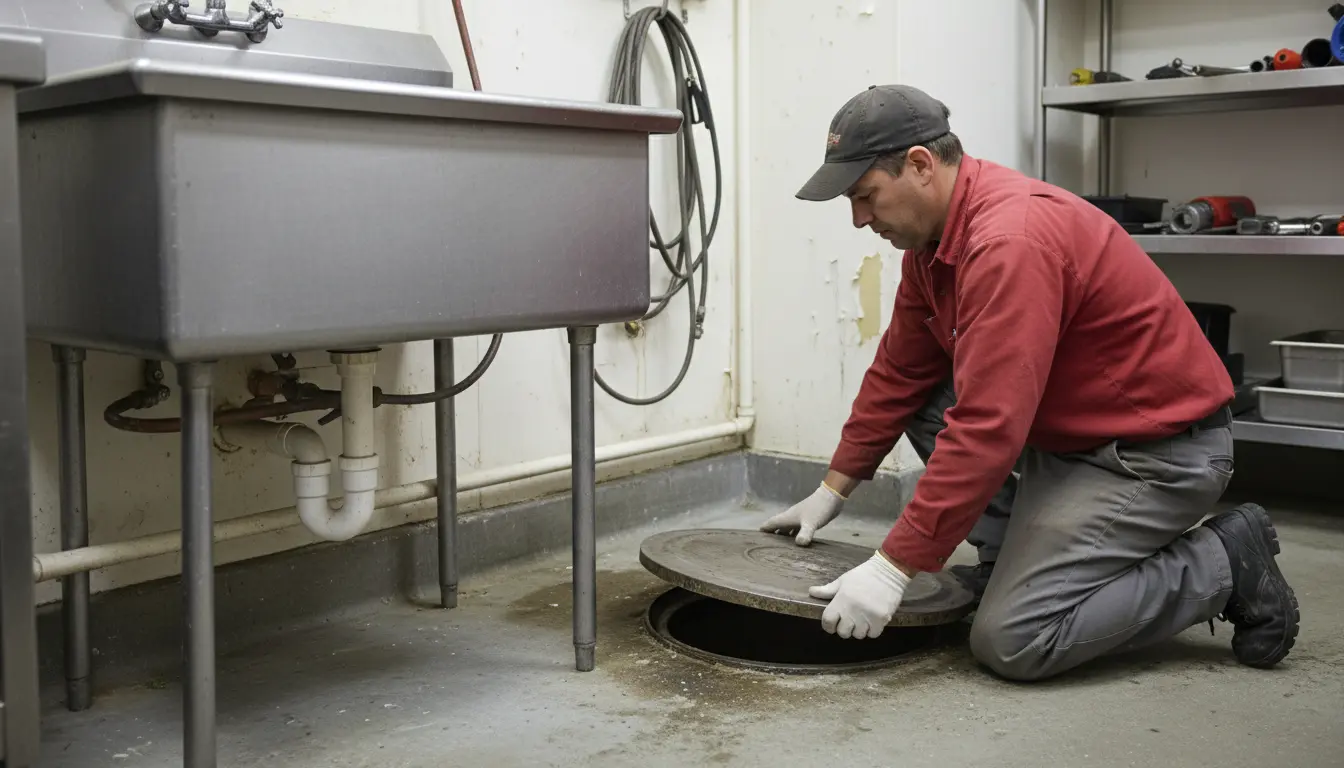
Find the Best Grease Trap Cleaning Companies for Your Business
No obligation • Fast responses • Nationwide coverage

Why you can trust Restaurant Waste Disposal
Restaurant Waste Disposal is a leading U.S. resource for comparing restaurant composting, food-waste recycling, grease trap cleaning, and used cooking oil collection services. Our editorial team researches providers, checks credentials, and organizes unbiased information so operators can make informed decisions. Companies cannot pay to change ratings or placement.
Search providers near you
Top Grease Trap Cleaning Companies in York, Pennsylvania Ranked
For any restaurant or food service facility in York, maintaining a clean and functional grease interceptor is not just a matter of kitchen hygiene-it's a legal requirement. Local health codes and Pennsylvania Department of Environmental Protection (PA DEP) regulations mandate that establishments involved in food preparation install and properly maintain these systems to prevent fats, oils, and grease (FOG) from entering the public sewer system. Effective grease trap maintenance involves scheduled professional pumping, thorough inspections, and diligent staff training to ensure compliance, avoid costly fines, and keep your plumbing flowing smoothly. Neglecting this critical aspect of operations can lead to severe blockages, unpleasant odors, and emergency service calls that far exceed the cost of routine care.
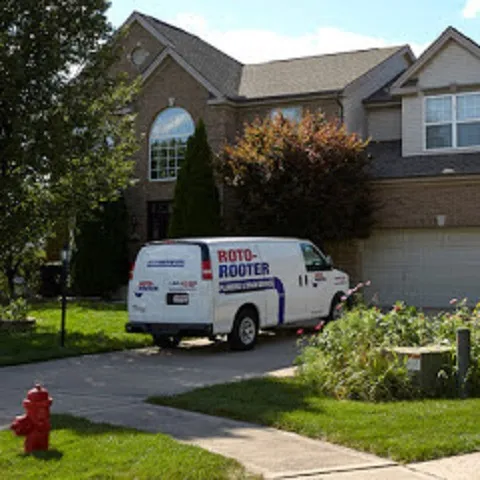
Roto-Rooter Plumbing & Water Cleanup
313 W Liberty St Ste 255, Lancaster, PA 17603
Roto-Rooter Plumbing & Water Cleanup provides comprehensive plumbing services in Lancaster, PA, for both residential and commercial clients. Their offerings include sewer and drain cleaning, water heater repair and installation, grease trap maintenance, floodwater cleanup, and mold remediation. The company uses advanced tools such as video camera inspections and hydro-jetting to address plumbing issues efficiently. Serving Lancaster and surrounding counties, Roto-Rooter has established itself as a reliable local provider with 24/7 emergency plumbing availability to handle urgent situations at any time.
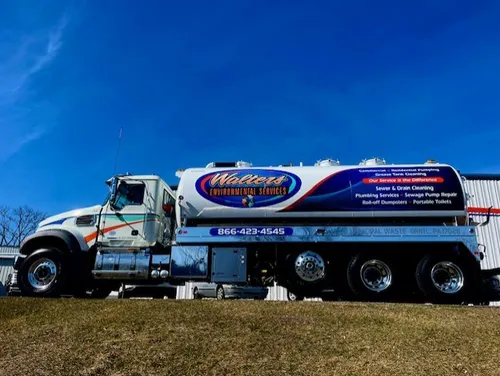
Walters Environmental Services, Inc.
9554 Allentown Blvd, Grantville, PA 17028
Walters Environmental Services, Inc. is a family-owned company based in Harrisburg, PA, providing septic and plumbing services to both residential and commercial clients. Their offerings include grease trap cleaning, drain services, sewer jetting, septic tank pumping, inspections, and system design. The company employs certified technicians and uses proven methods to maintain and repair septic systems. Walters Environmental Services has years of experience and offers 24/7 emergency services to address urgent septic issues promptly.
Understanding Local Grease Interceptor Requirements
In York County, the rules are clear: any facility that prepares food is required to have a properly sized and maintained grease trap or interceptor 1. The type of system you need depends largely on your kitchen's fixture flow rates. For instance, facilities with a flow rate of 35 gallons per minute (GPM) or less may be permitted to use an internal grease trap, while higher-volume operations typically require a larger, external underground interceptor. Adhering to these sizing guidelines from the outset is crucial, as an undersized unit will fail to capture grease effectively, leading to immediate compliance issues and potential damage to your plumbing and the municipal sewer lines.
Compliance is enforced by local health department inspectors, who can issue significant fines for neglected or malfunctioning systems. Their focus is on ensuring that Best Management Practices (BMPs) for FOG are followed, which centers on the regular removal of accumulated grease and solids 2. This makes understanding and meeting York's specific grease control mandates the first and most important step in responsible restaurant management.
The Essential Service: Professional Pumping and Cleaning
While staff can handle daily surface wiping and sink strainer use, the deep cleaning of a grease interceptor is a job for professionals. This service involves much more than simply removing liquid; technicians pump out the full contents of the trap, including the hardened FOG and solid waste (scum and sludge) that settle at the bottom and float at the top 3. A comprehensive service visit should also include a detailed inspection of critical components like baffles, gaskets, and inlet/outlet lines to ensure everything is functioning as designed 3.
Skipping professional cleanings or attempting a DIY approach often leads to incomplete removal. Leftover grease can quickly re-coat the trap's walls, reducing its capacity and efficiency. More importantly, only a certified professional can provide the detailed service report that serves as your proof of compliance during a health inspection. Keeping a meticulous log of these service dates, along with the technician's findings, is a key part of your operational records.
Determining Your Cleaning Frequency
How often does your York restaurant need this service? There's no universal answer, as frequency depends on your volume of cooking, the size of your trap, and your menu. Common guidelines suggest monthly cleaning for high-volume establishments like busy diners or large banquet halls, while lower-volume cafes might manage with quarterly service 4 5 6. Some regulations base the requirement on capacity, mandating service once the trap is 25% full of FOG and solids 7.
The most reliable method is to have your service provider establish an initial schedule based on a thorough assessment of your operation. They can then adjust the frequency after a few cycles based on how quickly the trap fills. Sticking to a consistent, preventative schedule is always more cost-effective and less disruptive than waiting for a clog or an inspector's notice to prompt an emergency call.
Find the perfect grease trap cleaning companies for your needs
Get personalized recommendations and expert advice
Cost Considerations for Grease Trap Maintenance in York
Investing in regular maintenance is a smart financial decision for York restaurant owners. Preventative pumping costs are predictable and manageable compared to the expense of emergency repairs or municipal fines. For basic, accessible grease traps, a standard preventative pumping service in the region typically ranges from $175 to $225 per visit.
For larger, standard underground interceptors in the 1000-1500 gallon range, the cost for pumping as part of a service plan often falls between $225 and $315 8 9. It's important to note that these are baseline prices for routine service. Costs can rise significantly for very large or complex systems, traps that are difficult to access, or situations requiring emergency response outside of normal business hours. In extreme cases of neglect, where severe blockages or system damage has occurred, restoration can exceed $2,500 8 10. Ultimately, the price is an investment in your business's operational continuity, regulatory standing, and environmental responsibility.
Implementing Effective Best Management Practices (BMPs)
Professional cleaning is the cornerstone of compliance, but its effectiveness is multiplied by proper daily kitchen practices. Implementing a strong FOG BMP program involves your entire staff. Key actions include:
- Never Pouring Grease Down Drains: Instruct staff to collect cooled cooking oil and grease in sealed containers for proper disposal or recycling.
- Using Sink Strainers: Install and mandate the use of strainers in all prep, dish, and pot sinks to catch food solids before they enter the drain.
- Pre-Scraping Dishes: Scrape all food scraps into trash or compost bins before rinsing dishes.
- Avoiding Grease-Dissolving Chemicals: While these products may seem like a quick fix, they often just liquefy grease, allowing it to travel further down your pipes only to solidify again in narrower lines or the public sewer, causing worse blockages.
Training your team on these simple steps reduces the load on your grease interceptor, extends the time between necessary pumpings, and minimizes the risk of costly kitchen drain backups.
Navigating Inspections and Maintaining Records
When a health inspector visits your York establishment, your grease control system will be on the checklist. They will likely want to see your grease interceptor, check for signs of overflow or leakage, and review your maintenance records. This is where your relationship with a professional service provider pays off. The detailed reports they provide-showing dates of service, the condition of the trap, and the volume of waste removed-serve as your documented proof of due diligence.
Keep these records organized and easily accessible. A well-maintained logbook or digital file demonstrates a proactive approach to compliance and can make the inspection process smooth and swift. In contrast, an inability to produce recent service records can immediately raise red flags and lead to more stringent scrutiny or violations.
The Risks of Non-Compliance
Failing to maintain your grease trap carries consequences that extend beyond a simple fine. The most immediate risk is a sanitary sewer overflow (SSO), where blocked lines cause raw sewage to back up into your business or spill into the local environment. Municipalities, including York County, take these events very seriously, as they are costly to remediate and pose public health risks. The responsible business can be held liable for all cleanup costs and face substantial penalties.
Furthermore, chronic grease discharge can coat the inside of public sewer pipes, leading to city-wide blockages (known as "fatbergs"). This damages municipal infrastructure and can result in significant assessments back to the contributing businesses. By committing to regular grease interceptor maintenance, York restaurant owners protect their own operations, support community infrastructure, and fulfill their environmental stewardship role.
Frequently asked questions
Sources
Footnotes
-
Grease Trap Requirement for Food Preparation Facilities - https://ecode360.com/15687949 ↩
-
Why Grease Trap Maintenance is a Must for Restaurants - https://www.johnklineseptic.com/why-grease-trap-maintenance-is-a-must-for-restaurants ↩
-
Grease Trap Services York, PA | John Kline 717-898-2333 - https://www.johnklineseptic.com/york-pa-grease-trap-service ↩ ↩2
-
Fats, Oil and Grease (FOG) Best Management Practices (BMP ... - https://www.yorkcountygov.com/DocumentCenter/View/6687/FOG-Program-Manual-And-Application-2022 ↩
-
Grease Trap Maintenance 101 | What Business Owners Should Know - https://www.johnklineseptic.com/grease-trap-maintenance-101 ↩
-
Restaurant Grease Trap Cleaning FAQs - Mahoney Environmental - https://www.mahoneyes.com/restaurant-grease-trap-cleaning-faqs/ ↩
-
How to Clean a Grease Trap (and How Often You Should) - https://greaseconnections.com/how-to-clean-a-grease-trap-and-how-often-you-should/ ↩
-
Ultimate Grease Trap Pumping Cost Guide: Essential Money-Saving ... - https://www.texwaywastewater.com/grease-trap-pumping-cost/ ↩ ↩2
-
Grease Trap Cleaning Prices | Guide on the Industry Average - https://grease-cycle.com/grease-trap-pumping-cost/ ↩
-
The Cost To Clean A Grease Trap For Restaurants - https://thegreasecompany.com/blog/greasetrapcleaningcost/ ↩