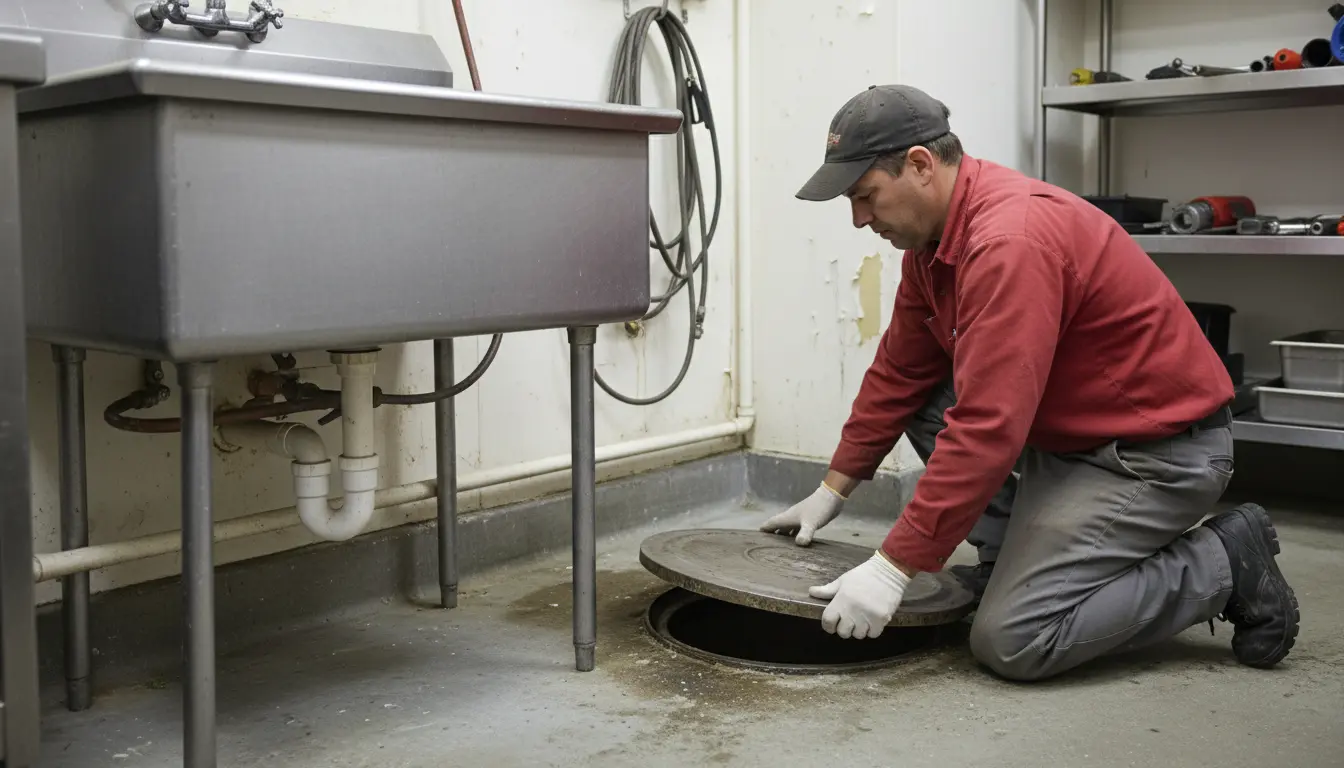
Find the Best Grease Trap Cleaning Companies for Your Business
No obligation • Fast responses • Nationwide coverage

Why you can trust Restaurant Waste Disposal
Restaurant Waste Disposal is a leading U.S. resource for comparing restaurant composting, food-waste recycling, grease trap cleaning, and used cooking oil collection services. Our editorial team researches providers, checks credentials, and organizes unbiased information so operators can make informed decisions. Companies cannot pay to change ratings or placement.
Search providers near you
Best Grease Trap Cleaning Companies in Pennsylvania Ranked
For restaurant owners and food service operators in Pennsylvania, effective grease trap and interceptor maintenance is a critical operational and legal requirement. Unlike a single statewide code, Pennsylvania's approach to fats, oils, and grease (FOG) management is highly localized, governed by your specific municipality, township, or sewer authority. Compliance involves navigating a patchwork of regulations that dictate everything from cleaning frequency and record-keeping to permitting and proper waste disposal. This guide provides a clear, practical overview of what you need to know to manage your grease trap cleaning in Pennsylvania, avoid costly fines, and protect your local sewer system.
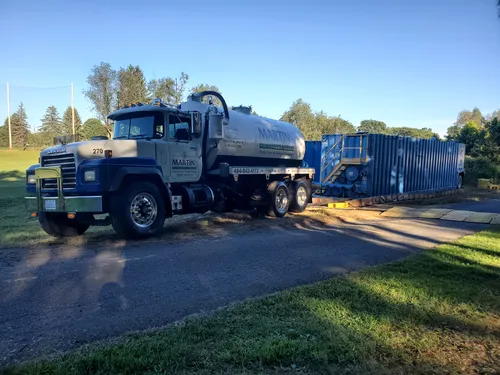
B Martin Wastewater Services
274 Concord Rd, Garnet Valley, PA 19060
B Martin Wastewater Services provides grease trap cleaning and septic tank pumping services in Philadelphia, PA, and surrounding areas including Garnet Valley and West Grove. They serve residential, commercial, industrial, and municipal clients. The company offers 24-hour emergency service for commercial, industrial, and municipal customers. Their capabilities include grease trap cleaning, holding tank maintenance, and bulk hauling. B Martin Wastewater Services is known for its attention to detail and has been serving the community with dependable wastewater services.
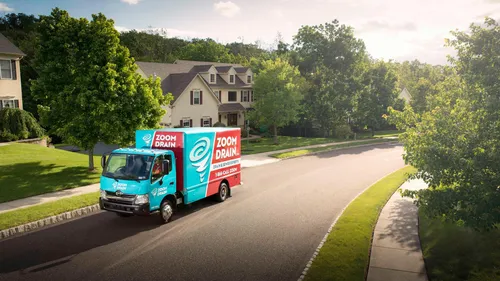
Zoom Drain
Philadelphia, PA
Zoom Drain is a drain and sewer service provider based in Philadelphia, PA, specializing in both residential and commercial drain cleaning and repairs. They offer emergency drain cleaning services, grease trap maintenance, sewer line repairs, and routine maintenance plans. The company is equipped to handle tough clogs using methods such as hydro jetting, which thoroughly cleans pipes and helps reduce odors. Zoom Drain serves the Philadelphia metro area and is known for providing 24/7 emergency service to address urgent plumbing issues.
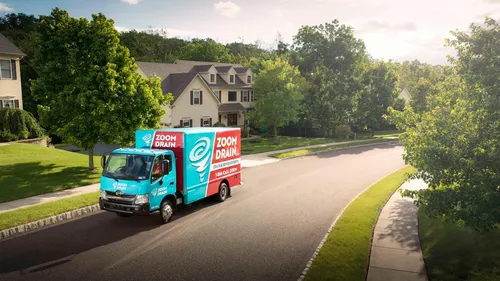
Zoom Drain
500 Davis Dr # 200, Plymouth Meeting, PA 19462
Zoom Drain provides comprehensive drain and sewer services in Philadelphia, PA, specializing in both residential and commercial plumbing needs. They offer emergency drain cleaning, planned maintenance, pipe inspections, and sewer repairs, with a focus on compliance with local Montgomery County plumbing regulations. Their team uses advanced tools to address issues such as clogs, blockages, and tree root intrusions, and they provide trenchless sewer line repair options to minimize property disruption. Zoom Drain also offers specialized grease trap maintenance for the food and hospitality sector and tailored maintenance plans for property managers. The company is known for its expertise in sewer cleaning and pipe jetting, helping to maintain efficient plumbing systems.
Zoom Drain South Jersey
1049 Kings Hwy Suite B, West Deptford, NJ 08086
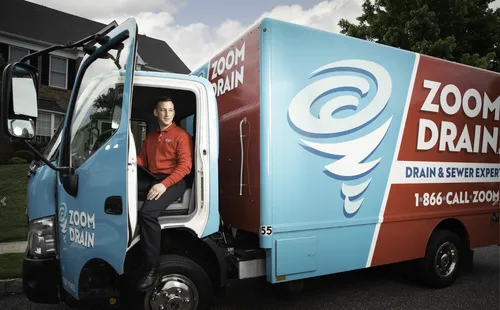
Zoom Drain South Jersey provides specialized grease trap cleaning and comprehensive drain and sewer services in Philadelphia, PA. They serve residential, commercial, and contractor clients with expertise in cleaning, repairing, and maintaining various drain systems. The company offers capabilities such as hydro jetting and video inspections to ensure effective clearing and maintenance of drains. Zoom Drain South Jersey is available day and night, providing fast and reliable service with flat-rate pricing and a satisfaction guarantee.
Zoom Drain
Philadelphia, PA
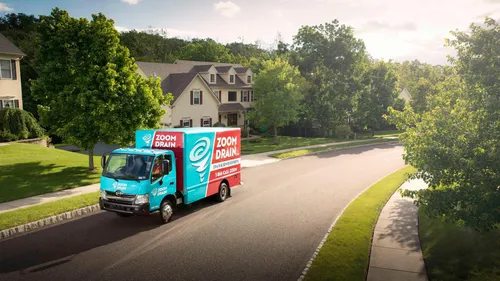
Zoom Drain is a drain and sewer service provider based in Philadelphia, PA, specializing in residential and commercial drain cleaning, sewer line repair, and grease trap maintenance. They serve Springfield and surrounding areas, offering advanced video inspections to detect blockages and damage deep within sewer lines. The company supports property managers, contractors, and homeowners with tailored maintenance plans and specialized services such as grease trap cleaning and bio dispensers for the food and hospitality sector. Zoom Drain also provides emergency after-hours service, including Sunday night availability, to address urgent plumbing issues.
Understanding Pennsylvania's Regulatory Landscape
The most important rule for grease trap compliance in Pennsylvania is that local rules are paramount. The state delegates authority to municipal sewer authorities and public works departments, meaning the specific requirements in Philadelphia, Harrisburg, Pittsburgh, and a small township can differ significantly.
- Governing Bodies: Your primary contacts will be your local Public Works Department, Water Department, or Sewer Authority. Major cities have dedicated programs, such as the Philadelphia Water Department and the Pittsburgh Water and Sewer Authority.
- The Goal: These regulations are designed to prevent FOG from entering the public sewer system, where it cools, solidifies, and causes major blockages, sewer overflows, and expensive infrastructure damage.
- Universal Themes: While details vary, common statewide themes include mandatory permitting, strict documentation, and prohibitions against improper disposal methods like dumping grease down drains or using hot water to flush systems.
Key Compliance Requirements
Navigating local ordinances requires attention to several core components. Failure to adhere can result in significant penalties, including fines and potential business interruption.
1. Permitting and Documentation
A formal permit is almost always required to operate a grease trap or interceptor connected to a public sewer 1.
- The Permit: You must apply for and obtain a permit from your local authority. This process typically involves submitting an application with details about your facility, grease trap specifications, and your chosen licensed hauler.
- Record Keeping (Maintenance Logs): This is non-negotiable. You are required to maintain detailed, accurate logs of every grease trap cleaning and maintenance event. These logs must be kept on-site for a minimum of 24 months and be available for inspection at any time. A proper log should include:
- Date and time of service
- Name of the servicing company/pumper
- Signature of the service provider
- Volume of grease and solids removed
- Disposal location (waste hauler permit number)
- Inspections: Many authorities require the installation of a sampling port and may conduct periodic inspections to verify compliance and check your maintenance logs2.
2. Cleaning Frequency and the "25% Rule"
How often you must clean your trap is dictated by local ordinance, often based on a common standard or a fixed schedule.
- The 25% Rule: This is the most common standard. It mandates that a grease trap or interceptor must be cleaned when the combined depth of accumulated fats, oils, grease, and solids reaches 25% of the unit's operating depth 3 4. It is the operator's responsibility to monitor this level.
- Stricter, Scheduled Cleanings: Many municipalities impose fixed schedules, especially for high-volume establishments. For example:
- Monthly: Required for high-volume food service establishments in jurisdictions like Hanover Township.
- Quarterly: A common requirement for standard restaurants in many townships 5.
- Bi-weekly/Weekly: May be required for certain non-commercial facilities or under specific ordinances6.
- Best Practice: Even if your local rule is the 25% standard, busy kitchens often generate enough FOG to require monthly service to prevent issues and ensure smooth operation7.
3. Prohibited Practices
Ordinances explicitly forbid certain actions that compromise the system8 9 10:
- No Decanting: Pumping liquid waste back into the grease trap after removing solids is strictly prohibited.
- No Hot Water Flushing: Using hot water, enzymes, or emulsifiers to "clean" the trap and push grease into the sewer line is illegal. These substances break up grease temporarily, which then re-solidifies further down the sewer line.
- No Direct Dumping: Grease and food solids must never be washed down sinks, floor drains, or toilets.
4. Proper Sizing and Installation
Your grease control device must be correctly sized for your kitchen's flow rate and fixture load. For instance, some codes require underground grease interceptors for facilities with a discharge flow rate greater than 35 gallons per minute. Installation and any modifications typically require approval from your local authority.
Find the perfect grease trap cleaning companies for your needs
Get personalized recommendations and expert advice
Cost of Grease Trap Cleaning in Pennsylvania
Service costs are not regulated and vary based on your location, the service provider, the size and type of your trap, and how easily it can be accessed. The figures below are general estimates to help with budgeting.
- Indoor Grease Trap (Smaller, under 50 gallons): A standard pump-out for an under-sink or indoor grease trap typically ranges from $115 to $475 per service.
- Outdoor Grease Interceptor (Large, underground): Cleaning a large, concrete outdoor interceptor is more labor and equipment-intensive, with costs generally ranging from $325 to $1,040 or more per pump-out.
- Emergency Service: If you have a backup or overflow, emergency service calls will carry a significant premium.
- Cost of Non-Compliance: Fines for violations can be substantial, often starting at several hundred dollars and potentially exceeding $1,000 per violation11 12. Repeated or severe violations can lead to permit revocation or a mandated business closure until the issue is resolved. The cost of a fine far outweighs the cost of regular, documented maintenance.
Steps for Maintaining Compliance
Follow this checklist to establish and maintain a compliant grease management program:
- Contact Your Local Authority: Identify and reach out to your township office or city sewer/water department. Obtain a copy of the specific FOG ordinance that applies to your business.
- Secure Your Permit: Complete all necessary permit applications, provide required facility details, and pay any associated fees. Ensure your permit is renewed as required (often annually or biennially).
- Schedule Regular Pumping: Contract with a licensed and insured waste hauler who is familiar with your local regulations. Establish a service schedule (monthly, quarterly, etc.) that meets or exceeds your local requirements.
- Maintain Impeccable Records: Use a dedicated logbook or digital system. After every service, ensure the pumper completes the log with all required details. Store these logs safely for at least two years.
- Train Your Staff: Educate kitchen staff on proper practices: scrape plates into trash, use drain screens, and never pour grease down any drain.
- Prepare for Inspections: Keep your maintenance logs, permit, and hauler information in an easily accessible location. Ensure sampling ports are unobstructed.
Frequently asked questions
Sources
Footnotes
-
Essential Philadelphia Grease Trap Maintenance Guide - myshyft.com - https://www.myshyft.com/blog/grease-trap-cleaning-philadelphia-pennsylvania/ ↩
-
Pittsburgh Grease Trap Maintenance: Essential Guide For ... - https://www.myshyft.com/blog/grease-trap-cleaning-pittsburgh-pennsylvania/ ↩
-
TOW - Newtown Township - https://www.newtowntownship.org/DocumentCenter/View/915/Ordinance-2016-11_GreaseTrap ↩
-
Grease Trap Requirement for Food Preparation Facilities - https://ecode360.com/15687949 ↩
-
Fats, Oil and Grease Program - Cheltenham PA - https://www.cheltenhamtownship.org/pview.aspx?id=14714 ↩
-
§ 18-905. Food Service Establishment Requirements. - https://codelibrary.amlegal.com/codes/hanovertwp/latest/hanovertwp_pa/0-0-0-6000 ↩
-
How to Clean a Grease Trap (and How Often You Should) - https://greaseconnections.com/how-to-clean-a-grease-trap-and-how-often-you-should/ ↩
-
Township of Springfield, PA Fats, Oils and Grease Removal Systems - https://ecode360.com/37543299 ↩
-
INSTALLATION AND MAINTENANCE OF GREASE TRAPS - https://ecode360.com/33585841 ↩
-
county, pennsylvania - ordinance no. 2025-3 - https://washtwpberks.org/wp-content/uploads/2025/12/Ord.-2025-3.pdf ↩
-
Essential Grease Trap Maintenance Guide For Harrisburg Facilities - https://www.myshyft.com/blog/grease-trap-cleaning-harrisburg-pennsylvania/ ↩
-
Grease Trap Pumping Cost vs. Grease Trap Maintenance Cost - https://www.stateindustrial.com/video/cost-comparison-pumping-v-chemicals-to-maintain-a-grease-trap/ ↩