Find the Best Grease Trap Cleaning Companies for Your Business
No obligation • Fast responses • Nationwide coverage

Why you can trust Restaurant Waste Disposal
Restaurant Waste Disposal is a leading U.S. resource for comparing restaurant composting, food-waste recycling, grease trap cleaning, and used cooking oil collection services. Our editorial team researches providers, checks credentials, and organizes unbiased information so operators can make informed decisions. Companies cannot pay to change ratings or placement.
Search providers near you
Top Grease Trap Cleaning Companies in Philadelphia, Pennsylvania Ranked
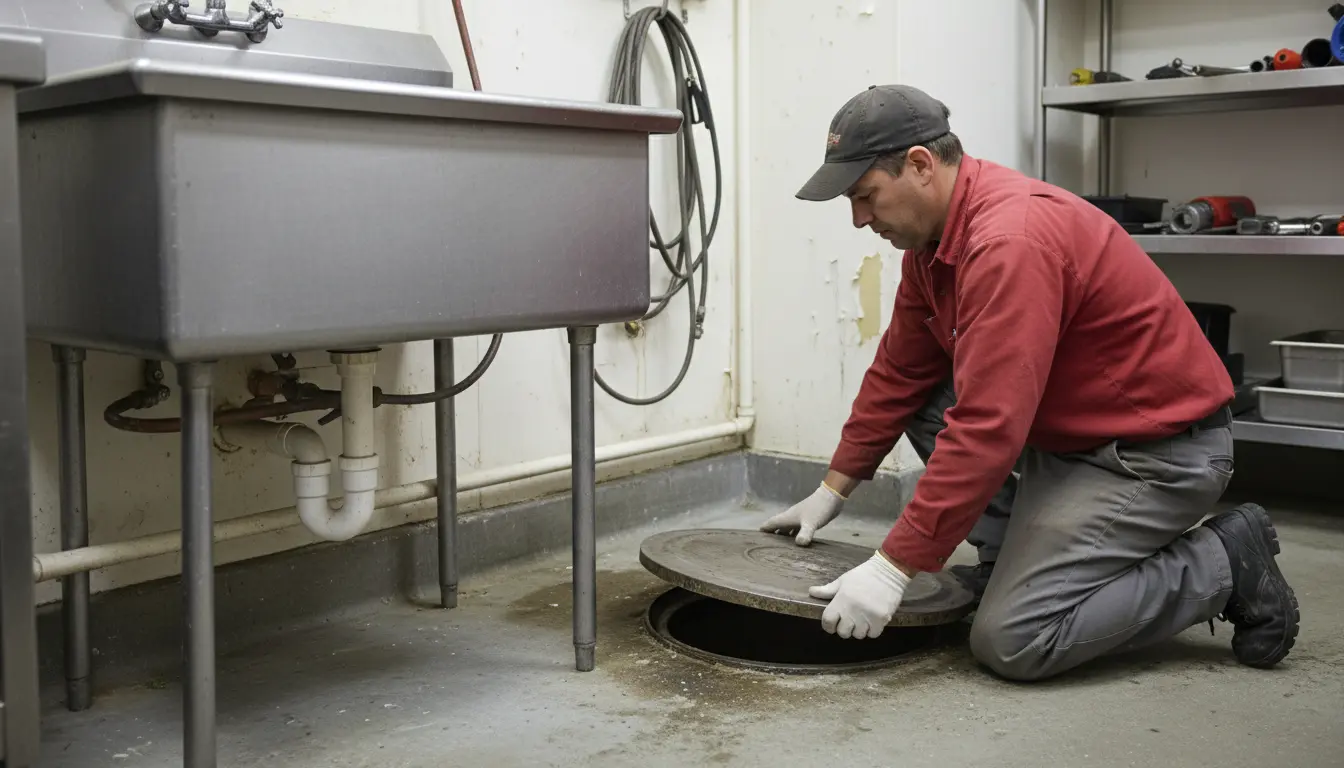
For any restaurant, food truck, or commercial kitchen in Philadelphia, managing fats, oils, and grease (FOG) is a critical operational and legal requirement. The Philadelphia Water Department (PWD) enforces strict regulations to prevent FOG from entering the city's sewer system, where it can cause costly blockages, backups, and environmental damage. Compliance isn't optional; it's mandated through specific codes that require proper grease interceptor installation and a consistent maintenance schedule. Neglecting this responsibility can lead to severe fines, service interruptions, and damage to your business's reputation. A proactive grease management plan, centered on professional cleaning and pumping, is the most effective way to ensure smooth operations and avoid regulatory penalties.
The cornerstone of Philadelphia's program is the mandatory installation of grease control devices at all food service facilities. The type and size of the unit required depend on the volume and nature of your wastewater. New facilities are often required to install large, exterior underground grease interceptors, with a minimum capacity of 1,000 gallons being a common specification. For smaller applications, like a prep sink, an automatic grease removal unit with a capacity of 20 gallons per minute (or 40 pounds of grease) may be sufficient. All plans for these installations must be submitted for review to the Philadelphia Department of Public Health (DPH) as part of the permitting process. Using an undersized or improperly specified interceptor is a common pitfall that leads to immediate compliance issues.
B Martin Wastewater Services
274 Concord Rd, Garnet Valley, PA 19060
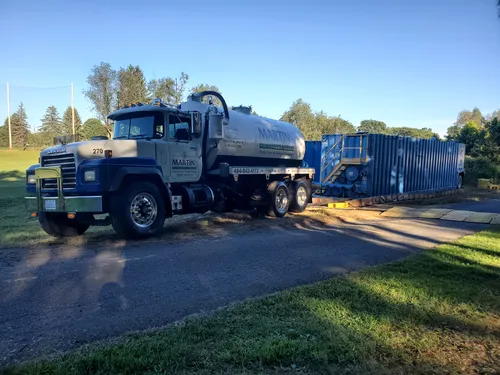
B Martin Wastewater Services provides grease trap cleaning and septic tank pumping services in Philadelphia, PA, and surrounding areas including Garnet Valley and West Grove. They serve residential, commercial, industrial, and municipal clients. The company offers 24-hour emergency service for commercial, industrial, and municipal customers. Their capabilities include grease trap cleaning, holding tank maintenance, and bulk hauling. B Martin Wastewater Services is known for its attention to detail and has been serving the community with dependable wastewater services.
Zoom Drain
Philadelphia, PA
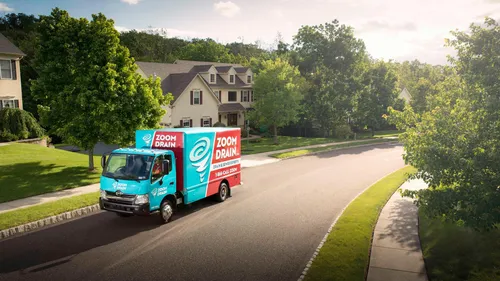
Zoom Drain is a drain and sewer service provider based in Philadelphia, PA, specializing in both residential and commercial drain cleaning and repairs. They offer emergency drain cleaning services, grease trap maintenance, sewer line repairs, and routine maintenance plans. The company is equipped to handle tough clogs using methods such as hydro jetting, which thoroughly cleans pipes and helps reduce odors. Zoom Drain serves the Philadelphia metro area and is known for providing 24/7 emergency service to address urgent plumbing issues.
Wind River Environmental LLC
701 2nd St, Swedesboro, NJ 08085
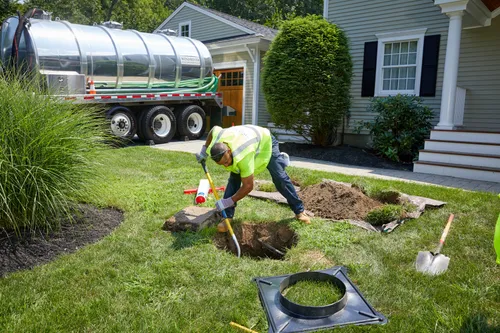
Wind River Environmental LLC provides septic, grease trap, and drain cleaning services in Cherry Hill, NJ. Serving residential, commercial, municipal, and industrial clients, the company offers comprehensive solutions including cleaning, pumping, sewer jetting, and repairs. With a history dating back to 1946, Wind River Environmental combines decades of experience with advanced technology to meet local regulations and community needs. The team is available 24/7 for emergency services, ensuring timely response for urgent septic and grease trap issues.
Zoom Drain
500 Davis Dr # 200, Plymouth Meeting, PA 19462
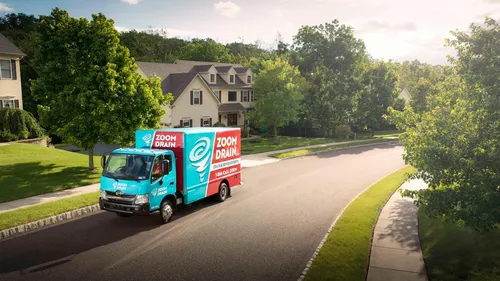
Zoom Drain provides comprehensive drain and sewer services in Philadelphia, PA, specializing in both residential and commercial plumbing needs. They offer emergency drain cleaning, planned maintenance, pipe inspections, and sewer repairs, with a focus on compliance with local Montgomery County plumbing regulations. Their team uses advanced tools to address issues such as clogs, blockages, and tree root intrusions, and they provide trenchless sewer line repair options to minimize property disruption. Zoom Drain also offers specialized grease trap maintenance for the food and hospitality sector and tailored maintenance plans for property managers. The company is known for its expertise in sewer cleaning and pipe jetting, helping to maintain efficient plumbing systems.
Zoom Drain South Jersey
1049 Kings Hwy Suite B, West Deptford, NJ 08086
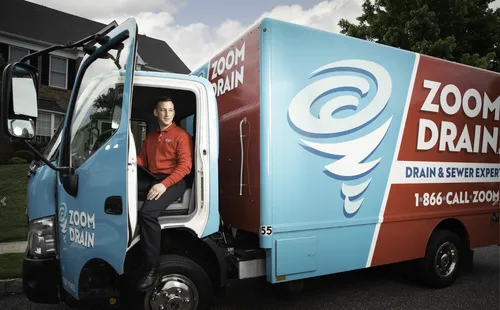
Zoom Drain South Jersey provides specialized grease trap cleaning and comprehensive drain and sewer services in Philadelphia, PA. They serve residential, commercial, and contractor clients with expertise in cleaning, repairing, and maintaining various drain systems. The company offers capabilities such as hydro jetting and video inspections to ensure effective clearing and maintenance of drains. Zoom Drain South Jersey is available day and night, providing fast and reliable service with flat-rate pricing and a satisfaction guarantee.
Understanding Philadelphia's Grease Interceptor Codes
Local regulations are detailed and non-negotiable. The PWD's Industrial Waste Pretreatment Guidelines and the Philadelphia Plumbing Code provide the framework. Key points include the requirement that interceptors be readily accessible for cleaning and inspection. They must also be constructed of durable, impervious materials and have a minimum of two compartments. The "gravity grease interceptor" (GGI), a large passive tank, is typical for high-volume establishments, while "hydromechanical grease interceptors" (HGIs), often called grease traps, are used for individual fixtures. It's crucial to understand which code applies to your specific equipment, as maintenance schedules and performance standards differ.
The High Cost of Non-Compliance
The PWD actively monitors for violations, and the financial incentives for compliance are stark. Enforcement actions can begin with fines that start around $300 per day and can escalate quickly. In cases of severe or repeated violations, the city has the authority to suspend water service to a facility, effectively forcing a shutdown until the issue is resolved. Furthermore, after a violation is corrected, a mandatory re-inspection is required, often accompanied by an additional fee. Beyond city fines, FOG-related sewer spills or blockages can lead to liability claims from neighboring businesses or property owners. Maintaining detailed service records is your first line of defense during an inspection.
Scheduling and Frequency of Service
How often should your grease trap or interceptor be serviced? There is no universal answer, as frequency depends entirely on your establishment's volume of business, menu items, and the size of your interceptor. A high-volume barbecue restaurant will require more frequent pumping than a low-traffic coffee shop. The PWD mandates cleaning often enough to prevent buildup and ensure the unit operates as intended. Many providers recommend that indoor grease traps be serviced monthly, while large exterior interceptors may be pumped quarterly. The best practice is to have a professional assess your specific situation and establish a preventive maintenance schedule before a problem-or an inspector-arrives.
Breaking Down Service Costs
Investing in regular maintenance is far more economical than facing an emergency or a fine. For scheduled pumping of a standard indoor grease trap, costs in Philadelphia typically range from $250 to $400+ per service. Several factors influence this price: the physical size and gallon capacity of the unit, its location (ease of access), and the amount of solid waste accumulated. Servicing a large, 1,000+ gallon underground interceptor is a more complex job involving heavy equipment and will cost significantly more. Automatic grease removal units (AGRUs) also have ongoing maintenance costs for parts and mechanical servicing.
Emergency vs. Scheduled Service
This is where costs can spiral. An emergency service call-triggered by a clog, backup, or surprise inspection-can easily cost two to three times the price of a scheduled cleaning. Rates for emergency calls can range from $800 to $1,200 or more, depending on the time of day and severity of the blockage. Proactive, scheduled service not only locks in a lower rate but also allows you to plan for the expense and minimize operational disruption.
Find the perfect grease trap cleaning companies for your needs
Get personalized recommendations and expert advice
Choosing a Service Provider in Philadelphia
Selecting the right partner for grease interceptor maintenance is a business-critical decision. Look for a licensed, insured provider with specific experience servicing commercial kitchens in Philadelphia. They should be thoroughly familiar with PWD reporting requirements and be able to provide detailed documentation of each service, including waste manifests showing proper disposal at a licensed facility. A reputable provider will offer a consistent schedule, transparent pricing, and be available for questions about compliance. They should also be able to advise on whether your current equipment is adequately sized for your operation.
Beyond Pumping: Best Practices for Kitchen Staff
Professional pumping is essential, but daily kitchen practices dramatically impact interceptor performance and service frequency. Implementing simple best practices can extend time between pumps and improve efficiency. Key steps include pre-scraping all plates, pots, and pans into the trash before washing; avoiding the use of garbage disposals, which send solids into the interceptor; and never pouring grease, oils, or dairy products down the drain. Posting clear signage at dish stations and training all staff on these protocols is an effective, low-cost component of a comprehensive grease management program.
Recordkeeping and Documentation
In the eyes of the PWD, if a service wasn't documented, it didn't happen. Maintaining a meticulous log is a fundamental part of compliance. Your service provider should supply a detailed ticket or report after each cleaning, noting the date, volume of waste removed, the hauler's license information, and the disposal facility. Keep these records on-site for at least three years. A well-organized file demonstrates a good-faith effort to comply with regulations and is invaluable if your facility is ever inspected. Some providers offer digital portals for easy access to your complete service history.
The Environmental Imperative
While the focus is often on compliance and cost, proper grease trap maintenance serves a vital environmental purpose. FOG that escapes into the sewer system contributes to the formation of "fatbergs"-massive, rock-like blockages that are expensive and hazardous for municipal workers to remove. These blockages can also lead to sanitary sewer overflows (SSOs), releasing untreated wastewater into local waterways like the Delaware and Schuylkill Rivers. By ensuring your FOG is properly captured and recycled into products like biodiesel or soap, your business contributes directly to the health of Philadelphia's infrastructure and environment.