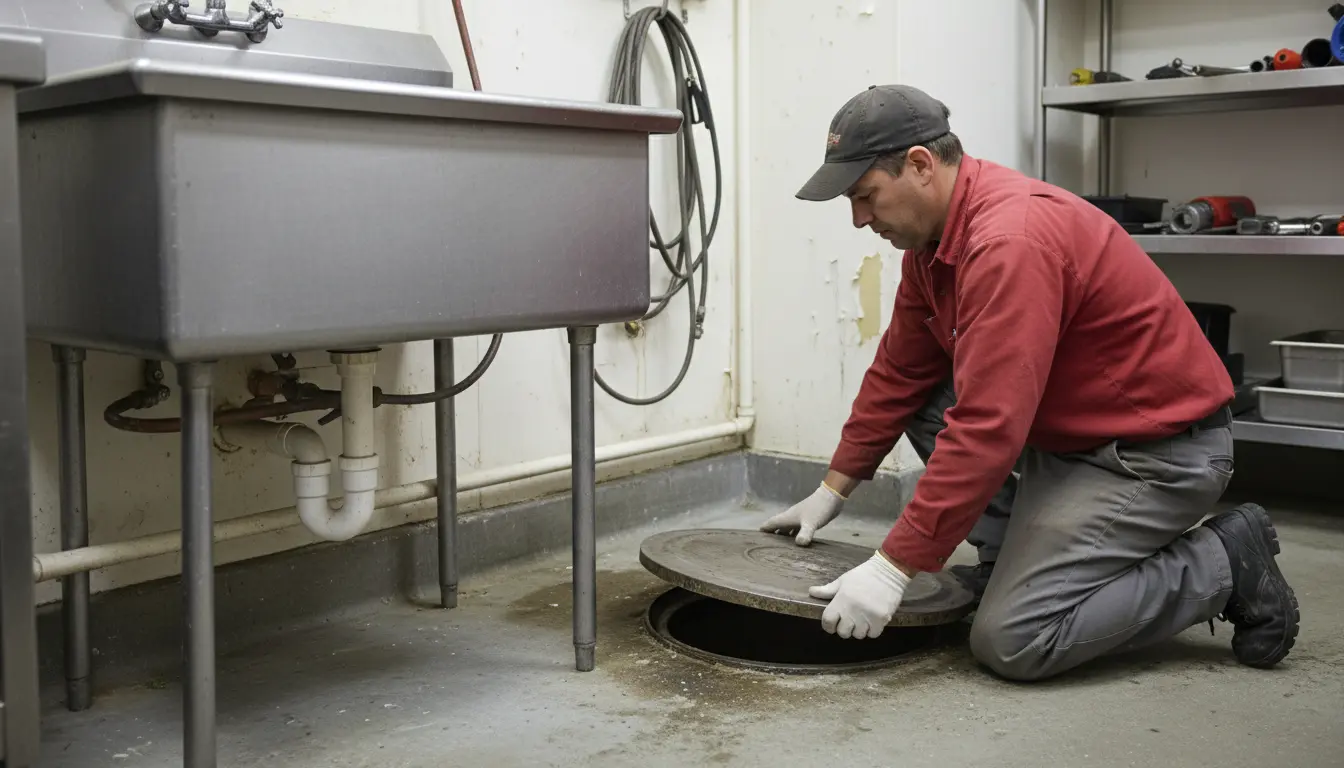
Find the Best Grease Trap Cleaning Companies for Your Business
No obligation • Fast responses • Nationwide coverage

Why you can trust Restaurant Waste Disposal
Restaurant Waste Disposal is a leading U.S. resource for comparing restaurant composting, food-waste recycling, grease trap cleaning, and used cooking oil collection services. Our editorial team researches providers, checks credentials, and organizes unbiased information so operators can make informed decisions. Companies cannot pay to change ratings or placement.
Search providers near you
Top Grease Trap Cleaning Companies in Midwest City, Oklahoma Ranked
For any restaurant or food service establishment in Midwest City, proper grease trap and interceptor maintenance is not just a best practice-it's a legal requirement. The City of Oklahoma City and Midwest City ordinances mandate strict adherence to Fats, Oils, and Grease (FOG) control programs to protect the local sewer infrastructure from costly blockages and environmental damage. Effective grease management involves a disciplined schedule of full cleanings, meticulous record-keeping, and understanding the specific local codes that govern your operation. Neglecting this critical aspect of kitchen maintenance can lead to severe consequences, including hefty fines, operational shutdowns, and exponentially higher service costs. This guide outlines the essential knowledge for Midwest City food service operators to ensure compliance, avoid penalties, and maintain a smoothly running establishment.
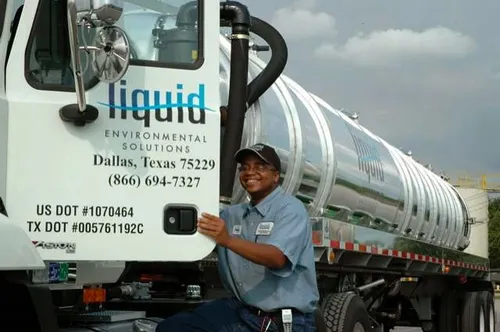
Liquid Environmental Solutions
8524 SW 2nd St, Oklahoma City, OK 73128
Liquid Environmental Solutions is a non-hazardous liquid waste management company based in Oklahoma City, OK. They provide services including used cooking oil collection, grease trap and interceptor cleaning, oil water separator and grit trap cleaning, and wastewater disposal. The company serves industries such as restaurants, grocery stores, convenience stores, automotive services, and environmental services, focusing on compliance and environmental stewardship. Founded over twenty years ago, Liquid Environmental Solutions operates with modern equipment and facilities to support their nationwide service coverage.

Premium Septic
6624 Melrose Ln Suite C, Oklahoma City, OK 73127
Premium Septic is a full-service septic and used cooking oil recycling company based in Oklahoma City, OK. They offer a range of services including septic pumping, maintenance, repairs, system installations (aerobic and conventional), grease trap pumping, hydrojetting, and used cooking oil collection for commercial accounts. Serving central Oklahoma communities, Premium Septic provides solutions for both residential and commercial needs, helping to maintain system compliance and prevent costly issues. Their hydrojetting service effectively removes stubborn clogs and grease buildup to improve plumbing flow and system health. The company emphasizes quick and efficient service, often providing same-day assistance.
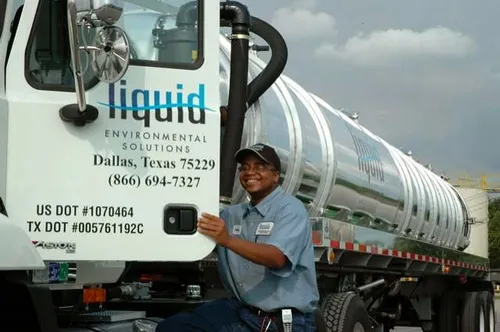
City Grease Trap Services
2200 SE 67th St, Oklahoma City, OK 73149
City Grease Trap Services provides grease trap cleaning in Oklahoma City, OK. They offer services that include emergency after-hours support for grease trap maintenance.
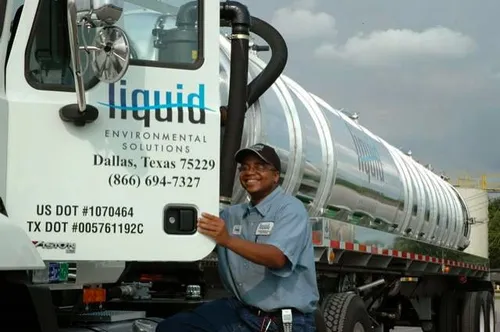
Brooks Grease Services
3131 S Byers Ave, Oklahoma City, OK 73129
Brooks Grease Services is a family-owned company based in Oklahoma City, OK, specializing in grease trap cleaning and used cooking oil collection. Serving the Midwest, they offer comprehensive grease trap maintenance, including complete cleaning and pressure washing to extend system life. Established in 1957, Brooks Grease Services has over 60 years of experience and provides 24-hour emergency service along with same-day service completion. Their cooking oil recycling program supports eco-friendly waste management by collecting and recycling used cooking oil monthly.
Understanding Local Grease Trap Regulations
Midwest City restaurants fall under specific wastewater and pretreatment ordinances designed to prevent sewer system overflows. Compliance isn't optional; it's enforced through regular inspections and significant penalties for violations.
Key Regulatory Requirements:
- Full Pumping Mandate: Traps and interceptors must be 100% pumped out. Partial cleaning or "decanting" (returning grey water to the trap) is strictly prohibited 1 2.
- 25% Rule: Cleaning is legally required when the combined accumulation of FOG and solids reaches 25% of the wetted volume (or 6 inches) of the trap 3 4. Waiting for a complete clog is a violation.
- On-Site Documentation: You must maintain a detailed log of all cleaning and maintenance activities. This includes invoices, service dates, volumes of waste removed, and before/after photos. Inspectors will request these records.
- Treatment Restrictions: The use of emulsifiers, enzymes, or bio-additives to dissolve grease is generally prohibited unless you have explicit written approval from the city. These products simply move the problem downstream, violating local codes.
The Inspection and Enforcement Process
City inspectors focus on verifying compliance through your records and the physical condition of your grease control equipment. During an inspection, you can expect them to review your maintenance log thoroughly and may perform a visual check of the trap5. Failure to produce records or evidence of proper, full cleanings is a primary cause of citations.
Enforcement actions typically begin with a notice of violation and a fine. Repeated or severe non-compliance can escalate to more substantial penalties and even a suspension of your wastewater discharge permit, which can effectively shut down your kitchen operations. Proactive, documented maintenance is your best defense against these disruptive and costly scenarios.
Determining Your Cleaning Schedule
While local codes often specify a minimum quarterly cleaning requirement, the actual frequency needed for your kitchen is driven by volume. A high-volume restaurant, diner, or bakery will generate FOG much faster than a low-volume cafe.
Establishing the Right Frequency:
- Start with the code-mandated minimum (e.g., every 90 days).
- Monitor your trap closely. If FOG and solids approach the 25% limit well before your next scheduled service, you need to increase frequency to monthly or bi-monthly6.
- Common warning signs that your schedule is insufficient include chronically slow floor drains, gurgling sounds from sinks, and foul odors emanating from drains7.
Adopting a proactive approach-cleaning before the limit is reached-ensures consistent compliance and prevents emergency situations.
Find the perfect grease trap cleaning companies for your needs
Get personalized recommendations and expert advice
Cost Factors for Grease Trap Service in Midwest City
The price for professional grease trap pumping and cleaning is not a flat fee. It varies significantly based on several key factors, and understanding these can help you budget effectively and avoid surprise charges.
Primary Cost Determinants:
- Trap Size and Type: A small under-sink grease trap (often 20-50 gallons) will cost less to service than a large, in-ground concrete interceptor holding hundreds of gallons. For smaller indoor traps, costs in the region can range from $150 to $475+ per service. Large outdoor interceptors typically range from $350 to $800+ per service8 9.
- Condition and Maintenance History: This is the most significant variable. A well-maintained trap cleaned on a regular schedule is straightforward to service. A neglected trap with hardened grease and solids requires far more labor, time, and potentially specialized equipment. Neglected traps can cost 2 to 3 times more than a regularly maintained one 10.
- Accessibility: Is the trap easily accessible in a parking lot, or is it located in a cramped basement, requiring extensive hose runs? Difficult access can add a 50-100% surcharge to the base service price11 12.
- Service Frequency: Committing to a regular monthly or quarterly contract often provides a more predictable and sometimes lower per-service cost compared to one-time emergency calls.
- Emergency Service: Requiring immediate service outside of normal business hours for a backup will incur a substantial premium, adding to the already higher cost of cleaning a clogged trap.
Investing in regular maintenance is ultimately a cost-saving strategy, preventing the exponentially higher fees associated with emergency repairs, city fines, and potential business interruption.
Best Practices for Midwest City Restaurants
- Know Your Equipment: Identify the type, size, and location of all your grease interceptors. Keep a diagram on file.
- Create a Compliance Binder: Maintain a dedicated log with every service invoice, a log of internal inspections (checking the FOG level), and photos taken before and after each professional cleaning.
- Train Your Staff: Educate kitchen staff on what should never go down the drain (excess oils, food scraps, coffee grounds) to reduce the load on your trap.
- Build a Relationship with a Licensed Provider: Work with a reputable, licensed service provider familiar with Midwest City and OKC codes. They can help you establish a compliant schedule and provide proper documentation.
- Inspect Regularly: Don't wait for the professional service. Check your trap's accumulation level weekly to ensure you are staying well below the 25% limit.
Regular, documented, and complete grease interceptor cleaning is a non-negotiable pillar of responsible restaurant operation in Midwest City. It protects your business from regulatory action, avoids catastrophic drain failures, and manages long-term operational costs.
Frequently asked questions
Sources
Footnotes
-
Grease Trap Pumping - Firestorm Septic & Shelters - https://firestormservices.com/grease-trap-pumping/ ↩
-
How to Clean a Grease Trap (and How Often You Should) - https://greaseconnections.com/how-to-clean-a-grease-trap-and-how-often-you-should/ ↩
-
Grease Trap Cleaning in Midwest City, OK - ZTERS - https://www.zters.com/grease-trap-cleaning/midwest-city-ok ↩
-
DIVISION 6. | Code of Ordinances | Midwest City, OK - https://librarystage.municode.com/ok/midwest_city/codes/code_of_ordinances?nodeId=COMIOKVOII_CH43WASESEDISTQU_ARTIIISESEDI_DIV6FAOIGRCORECOES ↩
-
FOG & Restaurants | City of OKC - https://www.okc.gov/Services/Water-Trash-Recycling/Wastewater-FOG-and-Pretreatment/FOG-Restaurants ↩
-
Restaurant Grease Trap Cleaning FAQs - Mahoney Environmental - https://www.mahoneyes.com/restaurant-grease-trap-cleaning-faqs/ ↩
-
The Ultimate Guide to Restaurant Grease Trap Cleaning: Smart Solutions for Commercial Kitchens - Mokher Plumbing - https://mokherplumbing.com/ultimate-guide-restaurant-grease-trap-cleaning/ ↩
-
Oklahoma City Grease Trap Cleaning: Essential Facilities ... - https://www.myshyft.com/blog/grease-trap-cleaning-oklahoma-city-oklahoma/ ↩
-
Cost of Cleaning Restaurant Grease Trap - Grease Interceptors - https://thegreasecompany.com/blog/greasetrapcleaningcost/ ↩
-
Restaurant Grease Trap & Interceptor Cleaning Cost - https://greasemanagement.org/pricing.html ↩
-
How Much Does a Proper Grease Trap Cleaning Cost? - https://hulseyenvironmental.com/how-much-does-a-proper-grease-trap-cleaning-partner-cost/ ↩
-
Grease Trap Cleaning Prices | Guide on the Industry Average - https://grease-cycle.com/grease-trap-pumping-cost/ ↩