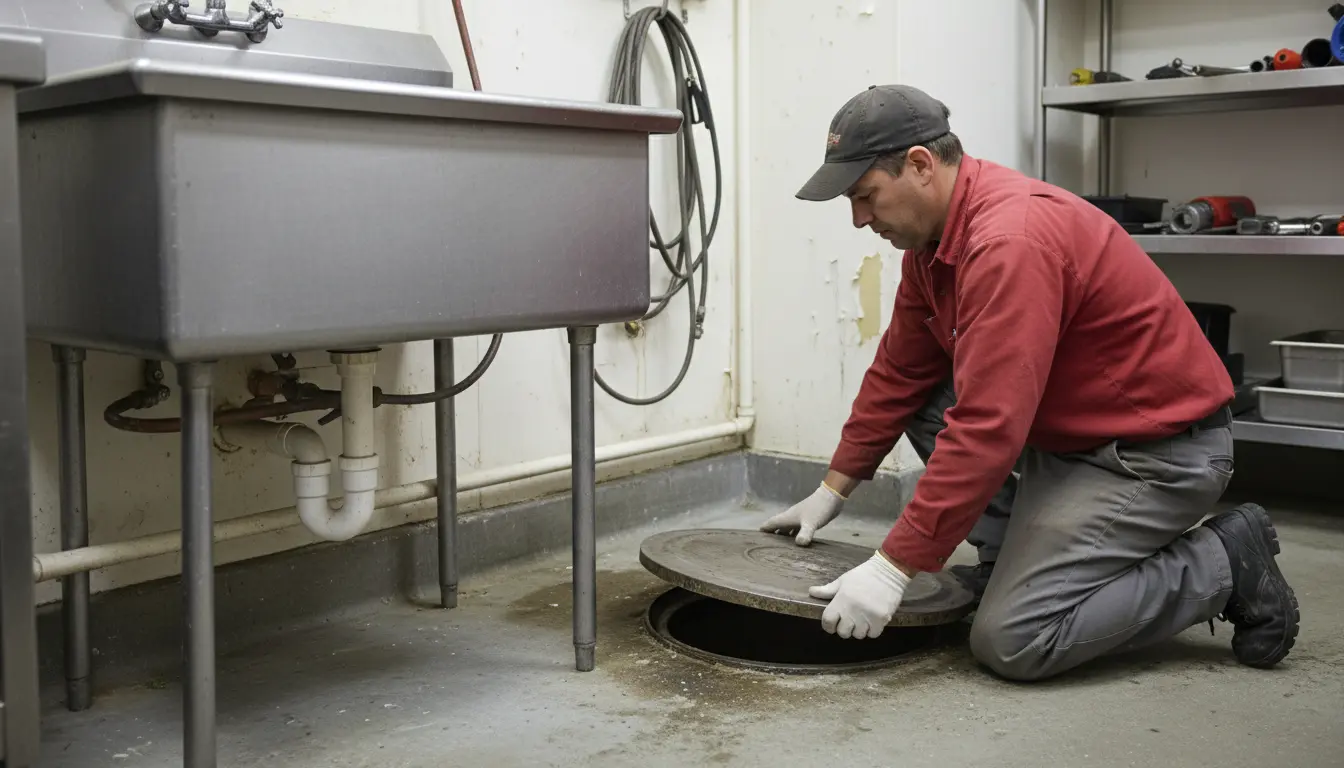
Find the Best Grease Trap Cleaning Companies for Your Business
No obligation • Fast responses • Nationwide coverage

Why you can trust Restaurant Waste Disposal
Restaurant Waste Disposal is a leading U.S. resource for comparing restaurant composting, food-waste recycling, grease trap cleaning, and used cooking oil collection services. Our editorial team researches providers, checks credentials, and organizes unbiased information so operators can make informed decisions. Companies cannot pay to change ratings or placement.
Search providers near you
Best Grease Trap Cleaning Companies in Oklahoma Ranked
For restaurant owners and food service operators in Oklahoma, maintaining a clean and compliant grease trap or interceptor is a critical operational and legal responsibility. These systems are your first line of defense against fats, oils, and grease (FOG) entering the municipal sewer system, where they can cause costly blockages, backups, and environmental damage. In Oklahoma, compliance isn't just a best practice-it's governed by specific city ordinances that mandate regular cleaning by licensed professionals, detailed record-keeping, and adherence to strict service schedules. Failure to comply can result in significant fines and operational disruptions. This guide outlines the essential regulations, costs, and best practices for effective grease trap management across the state.
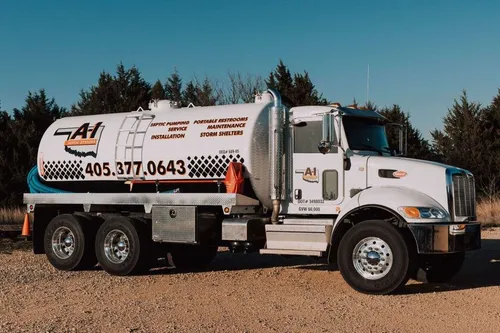
A-1 Septic Systems
Stillwater, OK
A-1 Septic Systems is a full-service septic company serving Stillwater, OK and the surrounding areas. With over 40 years of experience, they provide a range of services including septic system maintenance, repairs, grease trap cleaning, portable restroom rentals, luxury restroom trailers, storm shelters, and lift station services. The company offers 24/7 emergency services and backs new installations with a two-year warranty. As a family-owned business, A-1 Septic Systems combines expertise with a commitment to customer satisfaction and community relationships.
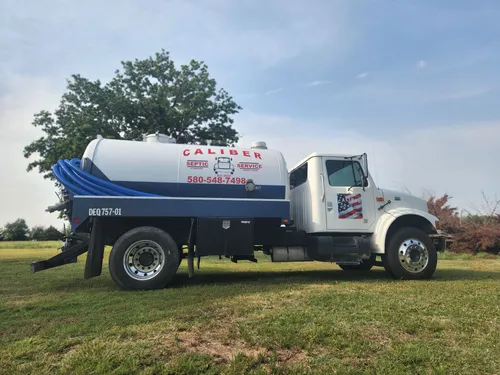
Caliber Septic Service
Enid, OK
Caliber Septic Service is a family owned and operated business based near Enid, OK, specializing in septic system and grease trap cleaning along with environmentally friendly disposal of sewage and non-hazardous wastewater. They serve Garfield County and surrounding counties including Kay, Payne, Noble, and others. Their services include septic tank pumping, grease trap pumping, aerobic system maintenance, repairs, new system installation, camera line inspection, hydro jetting, riser installation, light excavation, and brush clearing. They use equipment such as a Takeuchi TB240C excavator, Kubota tractor, and a 2100 gallon pump truck with 140 feet of vacuum hose to support their work. Caliber Septic Service focuses on maintaining and protecting septic systems to ensure long, trouble-free operation.
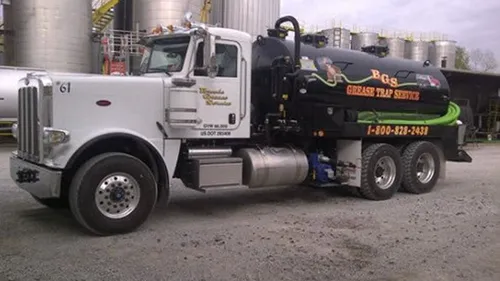
Brooks Grease Service
3104 N Erie Ave, Tulsa, OK 74115
Brooks Grease Service is a family-owned business based in Tulsa, OK, specializing in grease trap cleaning and used cooking oil collection. Serving the Midwest, they provide comprehensive grease trap maintenance, including pressure washing for a thorough clean that extends the life of the system. Established in 1957, Brooks Grease Service brings over 60 years of experience to their work. They also offer a cooking oil recycling program that collects and recycles used oil monthly, supporting eco-friendly practices. The company provides same-day service and 24-hour emergency response to address urgent needs.
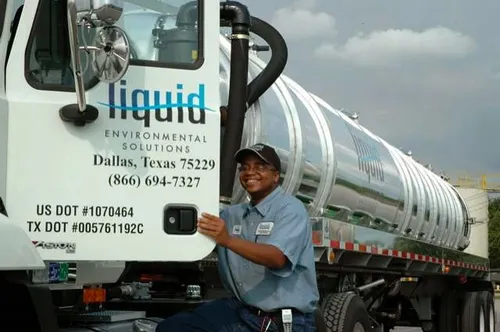
Liquid Environmental Solutions
8524 SW 2nd St, Oklahoma City, OK 73128
Liquid Environmental Solutions is a non-hazardous liquid waste management company based in Oklahoma City, OK. They provide services including used cooking oil collection, grease trap and interceptor cleaning, oil water separator and grit trap cleaning, and wastewater disposal. The company serves industries such as restaurants, grocery stores, convenience stores, automotive services, and environmental services, focusing on compliance and environmental stewardship. Founded over twenty years ago, Liquid Environmental Solutions operates with modern equipment and facilities to support their nationwide service coverage.

Premium Septic
6624 Melrose Ln Suite C, Oklahoma City, OK 73127
Premium Septic is a full-service septic and used cooking oil recycling company based in Oklahoma City, OK. They offer a range of services including septic pumping, maintenance, repairs, system installations (aerobic and conventional), grease trap pumping, hydrojetting, and used cooking oil collection for commercial accounts. Serving central Oklahoma communities, Premium Septic provides solutions for both residential and commercial needs, helping to maintain system compliance and prevent costly issues. Their hydrojetting service effectively removes stubborn clogs and grease buildup to improve plumbing flow and system health. The company emphasizes quick and efficient service, often providing same-day assistance.
Understanding Oklahoma's Grease Trap Regulations
Grease trap cleaning in Oklahoma is primarily regulated at the municipal level, meaning requirements can vary from city to city. However, a consistent framework exists to protect public infrastructure. The core principle is preventive maintenance: regularly removing FOG before it can solidify and cause problems in your plumbing or the public sewer lines.
All food service establishments that generate grease waste are typically required to have a properly sized and functioning grease interceptor. The key to compliance is understanding and following your local city code, which will specify cleaning frequency, documentation, and approved service providers.
Key Regulatory Requirements by City
While you must always check with your local public works or wastewater department, here are examples of regulations from major Oklahoma municipalities:
- Oklahoma City: Establishments must have grease traps cleaned at a minimum of every 90 days. However, cleaning is required immediately when the combined FOG and solids accumulate to 25% of the trap's volume-whichever comes first. Detailed service records must be kept on-site for at least three years. 1
- Norman: The city requires an annual cleaning at a minimum. Facilities must submit an annual participation letter from a licensed hauler. Permits are required, with an associated annual fee (e.g., $100), and cleaning manifests must be retained. 2
- Other Municipalities: Cities like Skiatook mandate cleaning at least every four months. 3 Other towns may have similar schedules, often quarterly (every 3-4 months) or semi-annually.
The universal rule across jurisdictions is complete pumping. Licensed haulers must remove all contents-grease, solids, and wastewater. "Decanting," or putting gray water back into the trap, is prohibited. Only transporters licensed or permitted by the city are allowed to perform this service.
The Cost of Grease Trap Cleaning in Oklahoma
The price for professional grease trap pumping varies based on several factors. There is no flat fee, as the service is tailored to your specific operation.
Primary Cost Factors:
- Trap Size and Type: A small indoor grease trap under a sink is far less expensive to service than a large, in-ground concrete interceptor.
- Volume of FOG: Establishments with high-volume frying or greasy food production will fill traps faster, potentially requiring more frequent service.
- Accessibility: Easily accessible traps cost less to service than those in cramped basements or with obstructed lids.
- Local Hauling and Disposal Fees: Costs for the hauler to transport and properly dispose of the waste at a certified facility impact the total price.
- Service Frequency: Contracts for regular, scheduled service often offer better value than emergency cleanings.
Estimated Cost Ranges: Based on service provider data, you can expect a general range:
- Small Indoor Traps: Cleaning may cost between $115 and $475.
- Large Outdoor Interceptors: For major interceptors, prices typically start around $325 and can exceed $1,000 depending on size and condition. 4 5
Remember, these are service costs. Some cities also charge separate annual permit or inspection fees to administer their FOG program.
Find the perfect grease trap cleaning companies for your needs
Get personalized recommendations and expert advice
Best Practices for Restaurant Grease Trap Maintenance
Proactive maintenance goes beyond just scheduling the pump-out. Implementing these practices can extend time between services, reduce costs, and ensure smoother compliance.
- Comprehensive Staff Training: Your kitchen staff is the first line of defense. Train them to scrape all food scraps into compost or trash-not the sink. Minimize the practice of pouring any fats, oils, or greasy sauces down the drain. 6
- Schedule Regular Visual Inspections: Don't wait for the quarterly service date. Periodically check your grease trap (if safe and accessible) to monitor FOG and solids buildup. This helps you determine if your current cleaning schedule is adequate or if you need service sooner.
- Avoid Chemical "Solutions" as Substitutes: While enzyme or bacterial additives can help break down grease, they are not a replacement for physical pumping. Over-reliance on chemicals can lead to FOG being pushed further into the sewer system, where it cools and solidifies, causing blockages downstream that your municipality may trace back to you. 7 8
- Maintain Impeccable Records: Keep every service manifest, invoice, and receipt from your hauler in an organized, on-site file for the required period (often 3+ years). This documentation is your proof of compliance during city inspections. 9
- Partner with a Reputable, Licensed Hauler: Establish a relationship with a service provider permitted to work in your city. A reliable hauler will help you understand local rules, recommend an optimal service schedule, and provide the proper documentation.
Consequences of Non-Compliance
Ignoring grease trap maintenance is a risky and costly decision. Municipalities actively inspect food service establishments. Consequences for violations can include:
- Substantial Fines: Penalties for missed cleanings, lack of records, or causing a sewer blockage can run into hundreds or thousands of dollars.
- Operational Shutdown: In severe cases, particularly after a sewer overflow incident, health or city officials can mandate immediate closure until the grease trap is serviced and the problem is remediated.
- Costly Repairs: If FOG causes a backup in your own plumbing or the public sewer, you may be held financially responsible for the cleanup and repair costs.
- Permit Revocation: Repeated violations can jeopardize your business license or wastewater discharge permit.
Frequently asked questions
Sources
Footnotes
-
FOG & Restaurants | City of OKC - https://www.okc.gov/Services/Water-Trash-Recycling/Wastewater-FOG-and-Pretreatment/FOG-Restaurants ↩
-
Fats Oils, and Grease (FOG) Program | City of Norman, OK - https://www.normanok.gov/fats-oils-and-grease-fog-program ↩
-
9-4-8: GREASE TRAPS AND GREASE INTERCEPTORS REQUIRED UNDER CERTAIN CIRCUMSTANCES: - https://codelibrary.amlegal.com/codes/skiatookok/latest/skiatook_ok/0-0-0-4034 ↩
-
Grease Trap Pumping Cost vs. Grease Trap Maintenance Cost - https://www.stateindustrial.com/video/cost-comparison-pumping-v-chemicals-to-maintain-a-grease-trap/ ↩
-
Commercial Grease Trap Services | Colbert, OK Area - https://www.danddseptictankcleaning.com/commercial-grease-trap-services ↩
-
The Ultimate Guide to Restaurant Grease Trap Cleaning - https://mokherplumbing.com/ultimate-guide-restaurant-grease-trap-cleaning/ ↩
-
Restaurant Grease Trap Cleaning FAQs - https://www.mahoneyes.com/restaurant-grease-trap-cleaning-faqs/ ↩
-
Maintenance of grease traps and interceptors - https://serviceauthority.org/wp-content/uploads/2024/12/FOGMaintGuidelinesContractors02212022.pdf ↩
-
Oklahoma City Grease Trap Cleaning: Essential Facilities ... - https://www.myshyft.com/blog/grease-trap-cleaning-oklahoma-city-oklahoma/ ↩