Find the Best Grease Trap Cleaning Companies for Your Business
No obligation • Fast responses • Nationwide coverage

Why you can trust Restaurant Waste Disposal
Restaurant Waste Disposal is a leading U.S. resource for comparing restaurant composting, food-waste recycling, grease trap cleaning, and used cooking oil collection services. Our editorial team researches providers, checks credentials, and organizes unbiased information so operators can make informed decisions. Companies cannot pay to change ratings or placement.
Search providers near you
Top Grease Trap Cleaning Companies in Ankeny, Iowa Ranked
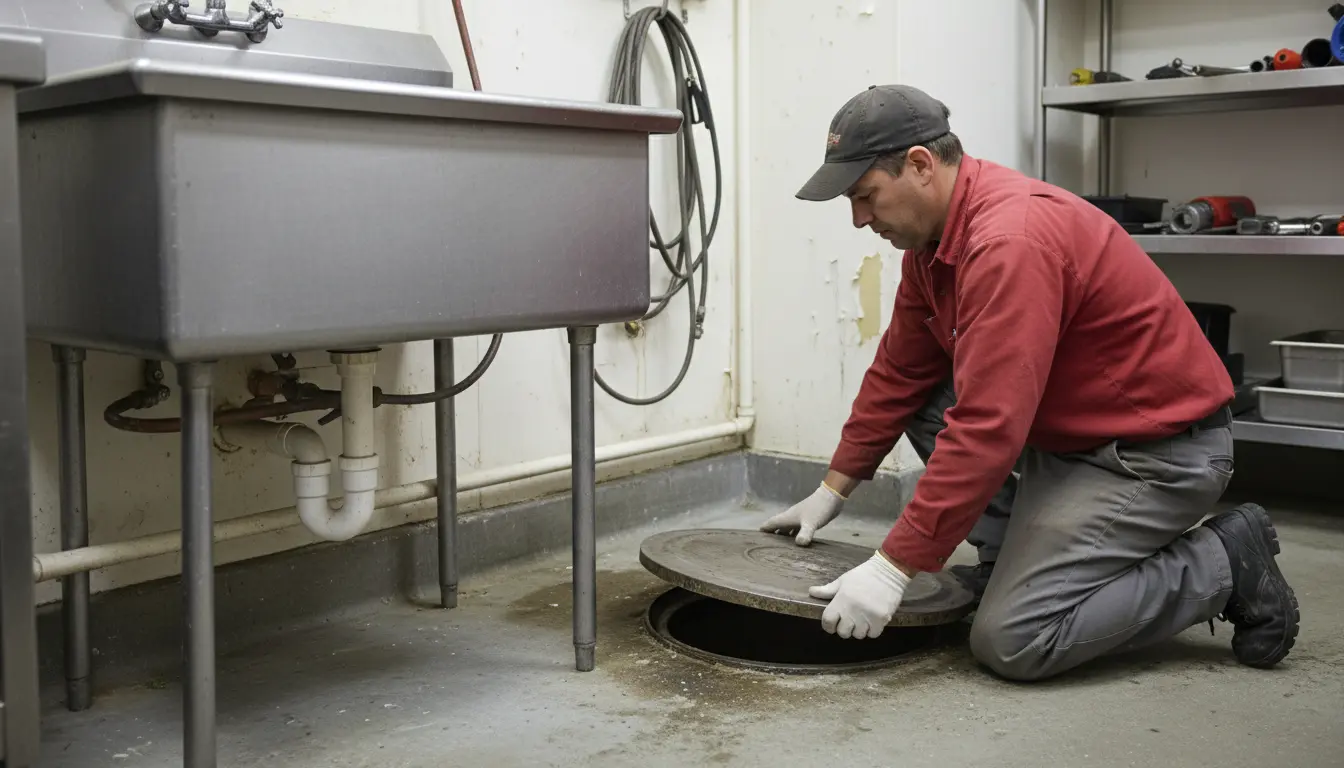
For any restaurant or food service business in Ankeny, maintaining a clean and compliant grease trap or interceptor is a critical operational and legal responsibility. These systems are the first line of defense in preventing fats, oils, and grease (FOG) from entering the city's sewer lines, where they can cause costly blockages, backups, and environmental damage. The City of Ankeny, under the oversight of the Wastewater Reclamation Authority (WRA), has established specific regulations to manage this industrial waste stream. Understanding the local cleaning requirements, schedules, and best practices is essential not only for compliance but also for the smooth operation of your kitchen and the protection of the local wastewater infrastructure.
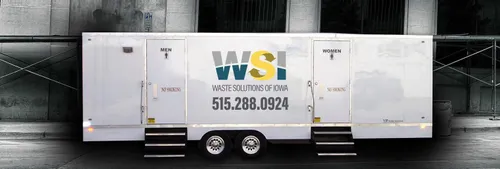
Waste Solutions of Iowa (WSI)
5554 NE 14th St, Des Moines, IA 50313
Waste Solutions of Iowa (WSI) is a woman-owned business based in Des Moines, IA, offering a range of temporary sanitation and waste management solutions. Their services include portable toilet rentals, hand wash stations, roll-off dumpsters, grease trap pumping, and solar-powered surveillance trailers. WSI serves events, construction sites, restaurants, and businesses throughout the Des Moines area. They specialize in scheduled grease trap pumping to help foodservice businesses comply with local regulations and maintain efficient drainage. Established in 1982, WSI has over 40 years of experience and provides 24/7 video surveillance options for enhanced security at events and job sites.
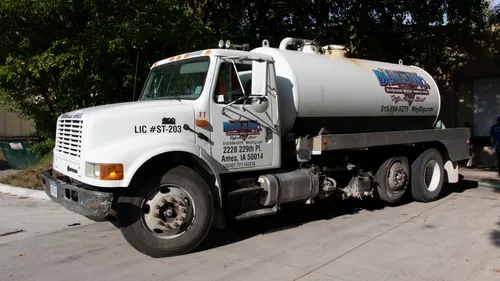
Behle Inc
2228 229th Pl, Ames, IA 50014
Behle Inc is a plumbing service provider based in Ames, IA, serving residential, commercial, and industrial clients in Ames and nearby cities including Des Moines, West Des Moines, and Sioux City. The company offers a wide range of plumbing services such as sewer line repair, septic system maintenance, and grease trap cleaning. They utilize modern techniques like trenchless sewer pipe lining to minimize property disruption while delivering their services.
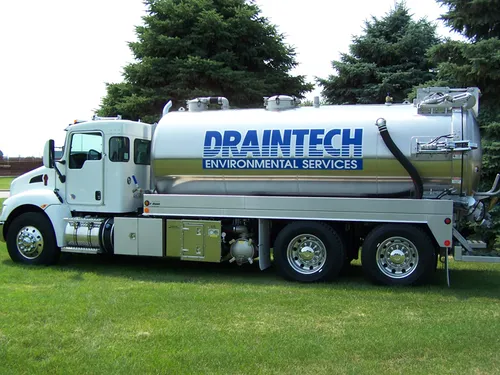
Draintech Plumbing Drain Cleaning Hydro Jetting
2825 Wakefield Cir, Ames, IA 50010
Draintech Plumbing Drain Cleaning Hydro Jetting is a licensed and insured plumbing company serving Ames, IA. Established in 1983, they offer a variety of plumbing services including grease trap cleaning, sewer televising and locating, and excavating. Their capabilities also cover servicing dishwashers, toilets, drain and water lines, faucets, water heaters, sump pumps, and plumbing for kitchen and bathroom remodeling.
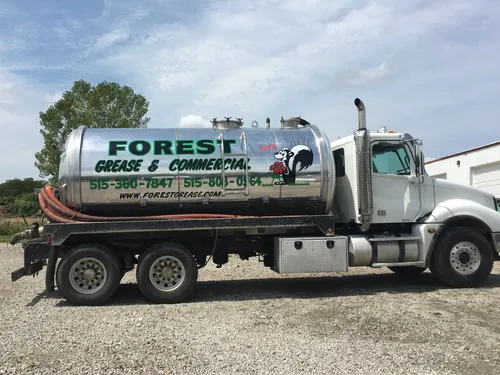
Forest Grease & Commercial
Des Moines, IA
Forest Grease & Commercial is a grease trap cleaning company serving Des Moines, IA, and Central Iowa. Established in 1918, the company focuses on commercial and industrial wastewater treatment solutions, helping food service establishments comply with the local Fats, Oils, and Grease (FOG) Ordinance. Their services include cleaning grease traps and interceptors, as well as pumping various types of commercial liquid waste and cleaning commercial pits such as car wash and maintenance bay pits. Forest Grease & Commercial has a long history of serving both commercial and residential clients, now concentrating solely on industrial and commercial customers.
Ankeny's Grease Interceptor Regulations and Compliance
Local ordinances provide clear, enforceable rules for the installation, operation, and maintenance of grease control devices. Compliance is not optional; it's a mandatory part of operating a food service establishment in the city.
Key Installation Requirements: New or remodeled facilities are typically required to install a grease interceptor, often with a minimum capacity of 1,000 gallons or more, based on the fixture units and flow rates. These interceptors must be easily accessible, with proper manholes and sampling ports for inspection and service, and are generally required to be installed outdoors. Certain smaller facilities may apply for an exemption, but this is subject to approval by the WRA Director 1.
The Mandatory Cleaning Trigger: Ankeny's code specifies that grease interceptors and traps must be cleaned when the combined depth of FOG and settled solids reaches 25% of the design liquid depth of the unit 2 3. Crucially, even if this 25% threshold is not met, cleaning is required at a minimum of every three months 2 4. This "whichever comes first" rule ensures maintenance is performed regularly.
Strict Discharge Limits: After cleaning, the wastewater discharged from the trap back into the sewer system must not exceed a concentration of 400 milligrams per liter (mg/L) of fats, oils, and grease 5. Professional cleaning services are designed to meet this standard, whereas improper cleaning can leave behind residue that causes immediate non-compliance.
Proper Cleaning Procedures: What the Law Requires
Simply pumping out liquid is not sufficient to meet Ankeny's standards. The ordinance outlines a detailed process that service providers must follow:
- Complete Evacuation: All contents, including wastewater, FOG, and solids, must be fully removed.
- Manual Cleaning: The interior walls, baffles, and all other surfaces must be scraped and wiped clean of accumulated grease.
- Proper Disposal: All removed waste must be transported and disposed of at a facility approved to handle such material, such as a licensed landfill or rendering plant.
- Prohibited Practices: It is illegal to use hot water, emulsifiers, enzymes, or other chemicals to dissolve or push grease through the interceptor 6. Furthermore, wastewater from the cleaning process (like what's in the vacuum truck) must never be reintroduced into the interceptor or the public sewer.
Documentation, Inspection, and Enforcement
The WRA actively enforces these regulations through a system of record-keeping and inspections.
- Maintenance Records: Businesses are legally required to maintain detailed logs of every grease interceptor cleaning. These records must include the date, the volume of waste removed, and the disposal method and location. These documents must be kept on-site for several years and made available for review upon request.
- WRA Inspections: Authority representatives have the right to conduct periodic inspections of your grease interceptor, as well as your maintenance records, to verify compliance.
- Penalties for Non-Compliance: Failure to adhere to cleaning schedules, discharge limits, or record-keeping requirements can result in formal violations, significant fines, and corrective action orders. In severe cases, it could lead to a suspension of sewer service 7.
Find the perfect grease trap cleaning companies for your needs
Get personalized recommendations and expert advice
Understanding Service Costs for Grease Trap Maintenance in Ankeny
The cost for professional grease interceptor pumping and cleaning in Ankeny is not a flat fee; it varies based on several factors. However, understanding the typical price range can help in budgeting.
- Scheduled Maintenance Costs: For a standard, pre-scheduled service of a typical indoor grease trap or an outdoor interceptor, restaurants can generally expect costs to range from $250 to $500 or more per service 8 9 10. The final price depends heavily on the size (capacity in gallons) of your unit, the volume of waste to be removed, and the agreed-upon frequency of service.
- Factors Influencing Price: Larger interceptors (e.g., 1,500+ gallons) naturally cost more to service than smaller under-sink traps. Facilities with exceptionally high FOG production, like busy fried food establishments, may require more frequent cleaning, impacting annual costs.
- The High Cost of Neglect: Proactive, scheduled maintenance is always the most cost-effective approach. Emergency or "as-needed" cleanings, often required after a blockage or an inspection failure, can cost significantly more-sometimes $800 or higher-due to priority dispatch and the increased labor for a heavily clogged unit 11 12. Regular service prevents severe buildup, avoids emergencies, and is the best way to manage long-term costs.
The Consequences of Grease in Sewers
Why are these regulations so strict? The environmental and economic impacts of FOG in the sewer system are substantial. When grease cools, it solidifies and adheres to pipe walls. Over time, this creates massive blockages that can:
- Cause raw sewage to back up into restaurant basements, kitchens, or public streets.
- Lead to expensive, disruptive repairs for both the business owner and the municipal sewer district.
- Contribute to sanitary sewer overflows (SSOs), which can pollute local waterways like the Fourmile Creek and the Des Moines River watershed.
- Increase operational costs for the wastewater treatment plant, which can ultimately affect sewer rates for all customers.
Choosing a Service Provider in the Ankeny Area
When selecting a company for grease trap pumping and cleaning, ensure they are familiar with and adhere to Ankeny's specific municipal codes. A reputable provider will:
- Know the local 25%/3-month rule and 400 mg/L discharge limit.
- Perform the complete cleaning procedure, including scraping and manual removal of solids.
- Provide detailed, professional service tickets that you can use for your required logs, including waste volume and disposal facility information.
- Offer flexible scheduling to help you maintain compliance without disrupting your kitchen operations.
- Be licensed and insured to transport and dispose of grease waste in Iowa.
Regular, professional maintenance of your grease interceptor is a smart investment. It keeps your business in compliance, prevents disruptive and unpleasant backups, protects the community's infrastructure, and manages your long-term service costs effectively.
Frequently asked questions
Sources
Footnotes
-
101.05 EXEMPTION FROM GREASE INTERCEPTOR ... - https://codelibrary.amlegal.com/codes/ankeny/latest/ankeny_ia/0-0-0-3503 ↩
-
101.08 OPERATION, MAINTENANCE AND CLEANING OF ... - https://codelibrary.amlegal.com/codes/ankeny/latest/ankeny_ia/0-0-0-3530 ↩ ↩2
-
Grease Trap and Interceptor Pumping and Cleaning | Des ... - https://synergyfire.net/grease-interceptor-trap-services/ ↩
-
The Essential Role Of Grease Trap Cleaning In Iowa's ... - https://wastesolutionsofiowa.com/blog/the-essential-role-of-grease-trap-cleaning-in-iowas-commercial-kitchens/ ↩
-
Document Viewer | Code of Ordinances - enCodePlus - https://online.encodeplus.com/regs/pleasanthill-ia/doc-viewer.aspx?secid=866 ↩
-
101.07 INSTALLATION OF GREASE INTERCEPTORS AND GREASE TRAPS. - https://codelibrary.amlegal.com/codes/ankeny/latest/ankeny_ia/0-0-0-3519 ↩
-
Chapter 19 - Polk County Iowa - https://www.polkcountyiowa.gov/media/e23pdm1o/chapter-19-regulation-of-industrial-wastewater-2022.pdf ↩
-
Essential Grease Trap Maintenance For Des Moines Facilities - Shyft - https://www.myshyft.com/blog/grease-trap-cleaning-des-moines-iowa/ ↩
-
Ultimate Grease Trap Pumping Cost Guide: Essential Money-Saving ... - https://www.texwaywastewater.com/grease-trap-pumping-cost/ ↩
-
Grease Trap Cleaning Prices | Guide on the Industry Average - https://grease-cycle.com/grease-trap-pumping-cost/ ↩
-
Grease Trap Regulations and Compliance: What You Need to Know - https://www.texwaywastewater.com/grease-trap-regulations-and-compliance/ ↩
-
How Much Does a Proper Grease Trap Cleaning Cost? - https://hulseyenvironmental.com/how-much-does-a-proper-grease-trap-cleaning-partner-cost/ ↩