Find the Best Grease Trap Cleaning Companies for Your Business
No obligation • Fast responses • Nationwide coverage

Why you can trust Restaurant Waste Disposal
Restaurant Waste Disposal is a leading U.S. resource for comparing restaurant composting, food-waste recycling, grease trap cleaning, and used cooking oil collection services. Our editorial team researches providers, checks credentials, and organizes unbiased information so operators can make informed decisions. Companies cannot pay to change ratings or placement.
Search providers near you
Best Grease Trap Cleaning Companies in Iowa Ranked
For restaurant owners and food service operators in Iowa, managing fats, oils, and grease (FOG) is a critical operational and regulatory responsibility. Proper grease trap and interceptor maintenance is not just about preventing clogs in your own kitchen; it's a legal requirement designed to protect the state's municipal sewer systems from blockages and costly overflows. Iowa follows a clear regulatory framework, primarily based on the "25% rule," which mandates cleaning when FOG and solids reach a quarter of the liquid depth, or at minimum quarterly intervals. Navigating these rules, understanding the difference between indoor and outdoor units, and choosing a licensed service provider are essential steps to avoid significant fines and ensure your business runs smoothly.
John Wulfs Septic Tank Service LLC
21905 Maysville Rd, Walcott, IA 52773
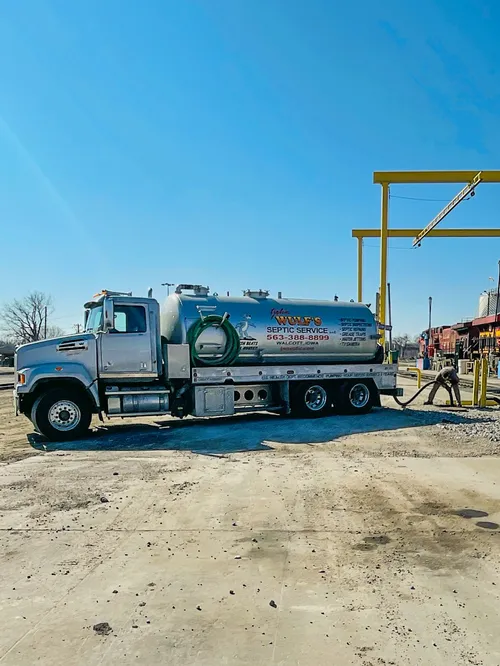
John Wulfs Septic Tank Service LLC provides septic system and grease trap cleaning services in Davenport, IA. Their licensed and certified technicians handle septic tank pumping, grease trap cleaning, and hydro jetting to clear sewer lines. The company is experienced in managing septic inspections and maintenance tasks.
Waste Solutions of Iowa (WSI)
5554 NE 14th St, Des Moines, IA 50313
Waste Solutions of Iowa (WSI) is a woman-owned business based in Des Moines, IA, offering a range of temporary sanitation and waste management solutions. Their services include portable toilet rentals, hand wash stations, roll-off dumpsters, grease trap pumping, and solar-powered surveillance trailers. WSI serves events, construction sites, restaurants, and businesses throughout the Des Moines area. They specialize in scheduled grease trap pumping to help foodservice businesses comply with local regulations and maintain efficient drainage. Established in 1982, WSI has over 40 years of experience and provides 24/7 video surveillance options for enhanced security at events and job sites.

Triple J Service Dubuque iowa
375 O'Neill St, Dubuque, IA 52001
Triple J Service Dubuque Iowa is a family-owned company specializing in septic system services, repairs, and cleaning in Dubuque, IA. They serve both residential and commercial clients throughout Northwest Illinois and East Central Iowa. Their services include septic tank cleaning, grease trap cleaning, sewer lift station maintenance, and repairs for septic systems, ensuring proper function and preventing backups or drainage issues. Established in 1987, Triple J Service has over 35 years of experience in the industry.
Behle Inc
2228 229th Pl, Ames, IA 50014
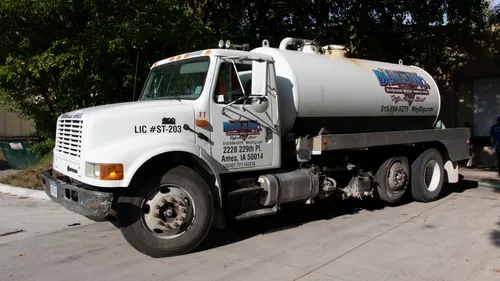
Behle Inc is a plumbing service provider based in Ames, IA, serving residential, commercial, and industrial clients in Ames and nearby cities including Des Moines, West Des Moines, and Sioux City. The company offers a wide range of plumbing services such as sewer line repair, septic system maintenance, and grease trap cleaning. They utilize modern techniques like trenchless sewer pipe lining to minimize property disruption while delivering their services.
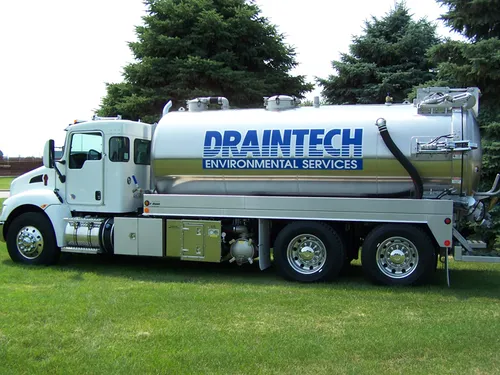
Draintech Plumbing Drain Cleaning Hydro Jetting
2825 Wakefield Cir, Ames, IA 50010
Draintech Plumbing Drain Cleaning Hydro Jetting is a licensed and insured plumbing company serving Ames, IA. Established in 1983, they offer a variety of plumbing services including grease trap cleaning, sewer televising and locating, and excavating. Their capabilities also cover servicing dishwashers, toilets, drain and water lines, faucets, water heaters, sump pumps, and plumbing for kitchen and bathroom remodeling.
Understanding Iowa's Grease Trap Regulations
Iowa's approach to FOG management is designed to prevent sewer blockages, which can lead to environmental damage, public health concerns, and expensive repairs for municipalities. The cornerstone of compliance is adherence to local ordinances, which are typically enforced by city utilities or wastewater authorities. While state guidelines provide a baseline, cities like Des Moines, Ankeny, Grimes, and Muscatine have their own specific codes that businesses must follow.
The most universal rule is the 25% Rule. This regulation requires that a grease interceptor or trap be cleaned when the combined depth of floating FOG and settled solids reaches 25% of the total liquid depth in the unit 1 2. This is a performance-based standard, meaning cleaning frequency is tied directly to how quickly your trap fills.
However, there is also a time-based requirement. Most Iowa municipalities mandate that outdoor grease interceptors be pumped and cleaned at least every 90 days (quarterly), regardless of the accumulation level. For high-volume establishments, monthly cleaning may be necessary. It is the business owner's responsibility to know and follow the specific ordinance for their city, as non-compliance can result in fines, often escalating to hundreds or even thousands of dollars per day.
Types of Grease Containment Systems and Their Maintenance
The required cleaning schedule and methods differ significantly between the two main types of systems: indoor grease traps and outdoor grease interceptors.
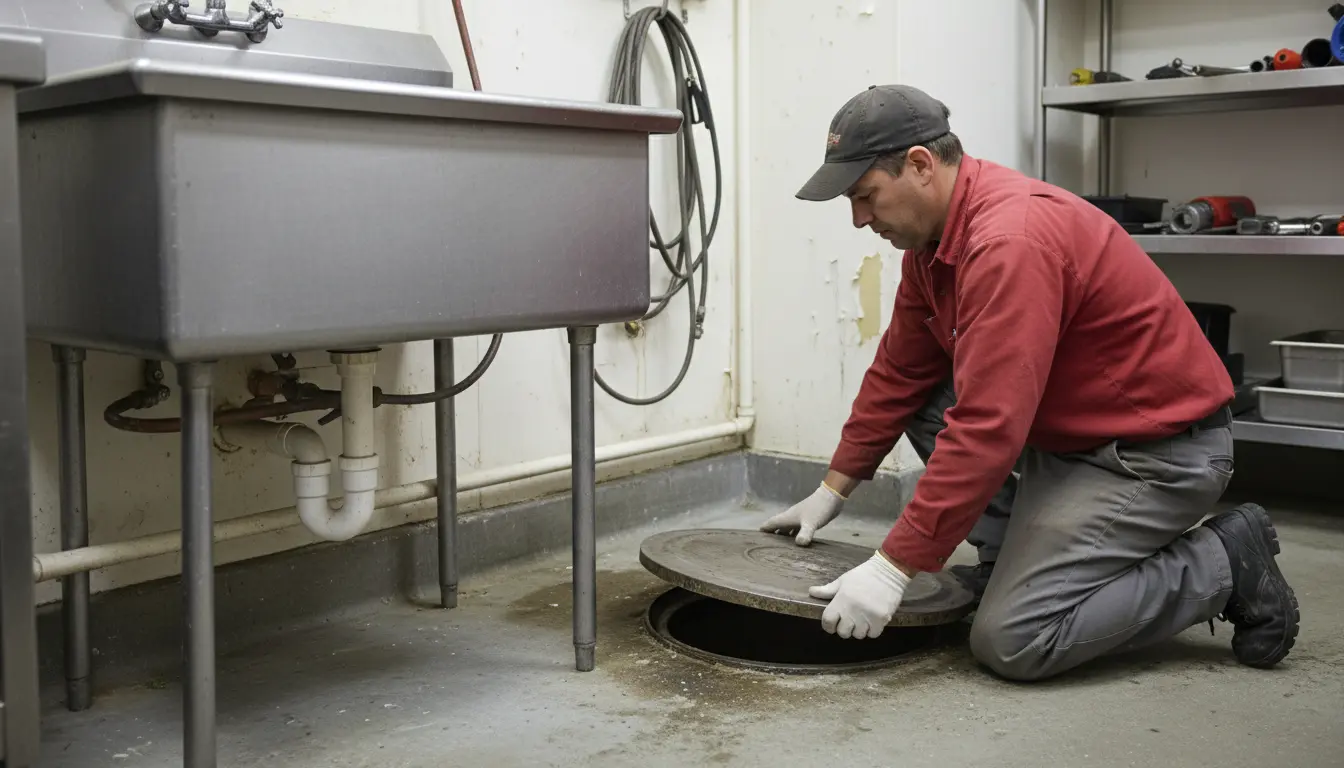
Indoor Grease Traps are smaller units, often located under sinks or in kitchen prep areas. Due to their limited capacity, they fill up much faster. Best practices and many local codes require these traps to be cleaned frequently-typically on a weekly or bi-weekly basis 3. Maintenance involves manually scooping out solidified grease and food solids. Neglecting this routine task is a common cause of slow-draining sinks and early-stage kitchen plumbing issues.
Outdoor Grease Interceptors are large, underground tanks that handle FOG from the entire facility. These are the units subject to the standard quarterly (every 3 months) pumping requirement. Proper cleaning of an interceptor is not a simple pump-out. A licensed hauler must fully evacuate all contents, including FOG, solids, and wastewater, and then scrape the walls and baffles (the "tees") to remove clinging grease. The lid must be securely replaced to prevent safety hazards and stormwater intrusion.
The Cleaning Process: What to Expect from a Professional Service
Hiring a professional, licensed grease hauler is not just a recommendation-it's often a legal requirement in Iowa. A proper service visit involves a comprehensive process:
- Full Pump-Out: All liquid and solid waste is removed from the trap or interceptor.
- Scraping and Cleaning: The interior walls, baffles, and inlet/outlet tees are manually scraped to dislodge hardened grease. This step is crucial for maintaining the unit's efficiency and is a key part of regulatory compliance 4 5.
- Inspection: The hauler should inspect the unit for damage, leaks, or faulty components.
- Proper Disposal: The collected grease is transported to an approved facility, such as a rendering plant or wastewater treatment facility, for recycling or disposal.
- Documentation: You will receive a detailed service receipt or manifest. This document is vital for your records.
Find the perfect grease trap cleaning companies for your needs
Get personalized recommendations and expert advice
Record-Keeping and Compliance Documentation
Maintaining accurate records is a critical component of FOG compliance in Iowa. You must keep logs of every cleaning service. These logs or disposal receipts should include:
- Date of service
- Name and license number of the hauler
- Volume of waste removed
- Disposal location
Many Iowa cities require businesses to submit these records, often on a semi-annual or annual basis, to the local wastewater authority for review. Having organized, readily available records is your best defense during a compliance inspection and demonstrates due diligence.
Prohibited Practices and Chemical Additives
A key rule across Iowa is the general prohibition of chemical additives designed to emulsify or dissolve grease. Pouring enzymes, solvents, or hot water down the drain to "clean" the trap is typically banned 6 7. These products may move the grease problem further down the line, where it can solidify and cause severe blockages in the public sewer. Some municipalities may allow specific products with prior written approval, which requires submitting a Safety Data Sheet (SDS) to the wastewater authority 8 9. When in doubt, assume chemical additives are not permitted.
Cost of Grease Trap Cleaning Services in Iowa
The cost for professional grease trap and interceptor cleaning varies based on several factors:
- Type and Size: Cleaning a small indoor trap is less expensive than pumping a large outdoor interceptor.
- Volume of FOG: Heavily used traps require more labor to clean thoroughly.
- Accessibility: Easy access leads to lower costs.
- Service Frequency: Regular service contracts can sometimes offer cost savings versus emergency calls.
As a general range:
- Indoor Grease Trap Cleaning: Can range from approximately $115 to $475 per service.
- Outdoor Interceptor Pumping: Typically falls between $325 to $1,040 or more per service, depending on size and conditions 10 11.
While this is an operational expense, it is far less costly than the fines for non-compliance or the repair bills for a sewer backup.
Consequences of Non-Compliance
Failing to adhere to Iowa's grease control ordinances carries serious risks:
- Fines: Municipalities can levy significant penalties, often starting at hundreds of dollars and increasing for repeat violations. Some codes specify fines of up to $1,000 per day for ongoing non-compliance 12 13.
- Sewer Backups: Neglected traps are the leading cause of kitchen drain blockages and can contribute to larger sewer spills on your property.
- Operational Shutdown: In severe cases, a health department or wastewater authority can order a business to cease operations until the grease management system is brought into compliance and all fines are paid.
- Increased Sewer Charges: Some cities impose higher sewer fees on facilities with a history of FOG-related issues.
Staying proactive with a regular maintenance schedule is the most effective way to protect your business from these costly and disruptive outcomes.
Frequently asked questions
Sources
Footnotes
-
97.08 FATS, OILS, AND GREASE CONTROL PROGRAM. - https://codelibrary.amlegal.com/codes/storycity/latest/storycity_ia/0-0-0-9569 ↩
-
Grease Trap Cleaning Guide: 25% Rule, Schedule & Compliance - https://greaseconnections.com/how-to-clean-a-grease-trap-and-how-often-you-should/ ↩
-
96.09 GREASE TRAP SIZING CRITERIA. - https://codelibrary.amlegal.com/codes/denison/latest/denison_ia/0-0-0-8196 ↩
-
grease trap cleaning service - https://wastesolutionsofiowa.com/services/grease-trap-cleaning/ ↩
-
Grease Trap and Interceptor Pumping and Cleaning | Des ... - https://synergyfire.net/grease-interceptor-trap-services/ ↩
-
Fats, Oils and Grease Management Best Practices for Waste ... - https://northlibertyiowa.org/departments/utilities/waste-water/fats-oils-and-grease-management-best-practices-for-waste-water/ ↩
-
Fats, Oil, and Grease Best Management Practices Manual - https://www.muscatineiowa.gov/DocumentCenter/View/9363 ↩
-
City of Grimes Code of Ordinances (2021 Update) - enCodePlus - https://online.encodeplus.com/regs/grimes-ia/doc-viewer.aspx?secid=3607 ↩
-
Document Viewer | Code of Ordinances - enCodePlus - https://online.encodeplus.com/regs/pleasanthill-ia/doc-viewer.aspx?secid=866 ↩
-
Essential Grease Trap Maintenance For Des Moines Facilities - https://www.myshyft.com/blog/grease-trap-cleaning-des-moines-iowa/ ↩
-
Grease Trap Pumping Cost vs. Grease Trap Maintenance Cost - https://www.stateindustrial.com/video/cost-comparison-pumping-v-chemicals-to-maintain-a-grease-trap/ ↩
-
101.08 OPERATION, MAINTENANCE AND CLEANING OF GREASE ... - https://codelibrary.amlegal.com/codes/ankeny/latest/ankeny_ia/0-0-0-3530 ↩
-
FAQs • How often does my grease interceptor or ... - Indianola, IA - https://indianolaiowa.gov/FAQ.aspx?QID=202 ↩