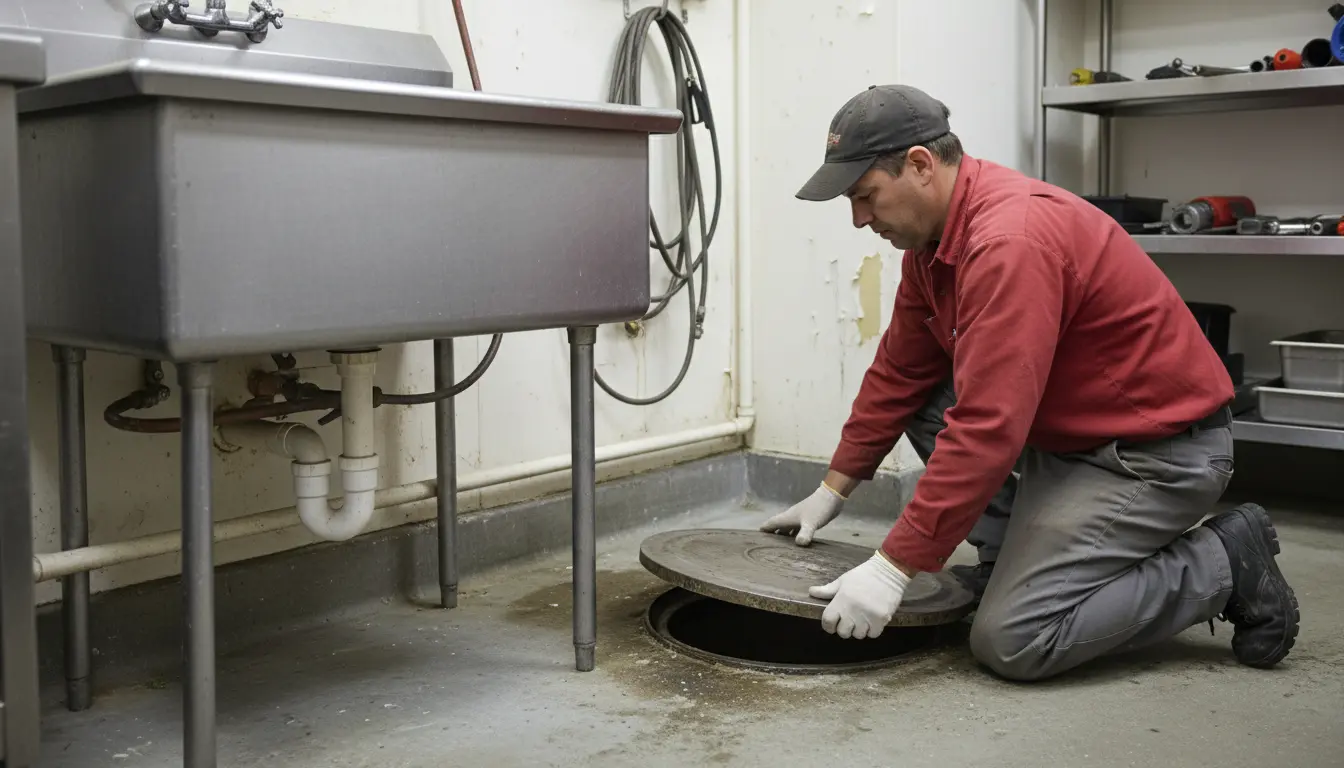
Find the Best Grease Trap Cleaning Companies for Your Business
No obligation • Fast responses • Nationwide coverage

Why you can trust Restaurant Waste Disposal
Restaurant Waste Disposal is a leading U.S. resource for comparing restaurant composting, food-waste recycling, grease trap cleaning, and used cooking oil collection services. Our editorial team researches providers, checks credentials, and organizes unbiased information so operators can make informed decisions. Companies cannot pay to change ratings or placement.
Search providers near you
Top Grease Trap Cleaning Companies in Parker, Colorado Ranked
For restaurant owners and food service operators in Parker, maintaining a clean and compliant grease trap system is a critical, non-negotiable part of daily operations. These systems, also known as grease interceptors or FOG (Fats, Oils, and Grease) traps, are your first line of defense in preventing kitchen waste from entering and clogging the municipal sewer lines. Local wastewater authorities enforce strict regulations to protect the community's infrastructure, and non-compliance can lead to significant fines and even business interruptions. This guide outlines the essential requirements, best practices, and cost considerations for effective grease trap maintenance specific to Parker and the broader Denver metro area.
Proactive, documented maintenance performed every 1 to 3 months is crucial in this region to prevent hefty fines and operational disruptions, aligning with general Colorado standards for food service establishments. Your specific cleaning schedule is dictated by local ordinances and the performance of your trap, making it vital to understand the rules and work with qualified professionals.
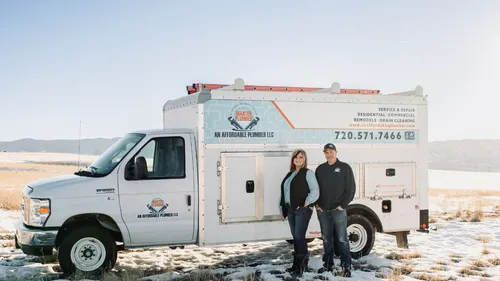
An Affordable Plumber
Denver, CO
An Affordable Plumber is a plumbing company serving Denver, CO, and surrounding areas including Littleton and Roxborough. They provide a wide range of residential and commercial plumbing services such as grease trap installation and cleaning, water heater repair and installation, whole house filtration, sump pump services, sewer line repair, and gas line services. The company uses advanced video inspection technology for sewer lines and offers a five-year transferable warranty on sewer and water main replacements. Established in 2000, An Affordable Plumber has over 24 years of experience and offers same-day appointments and financing options to accommodate urgent and budget-conscious needs.
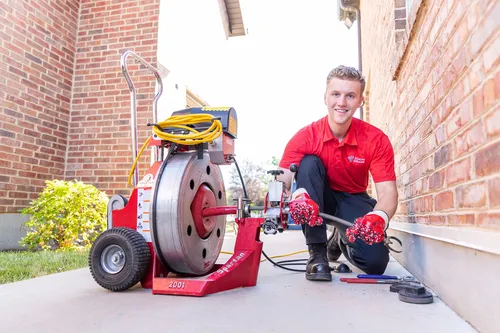
Zoom Drain
7808 Cherry Creek S Dr #115, Denver, CO 80231
Zoom Drain is a drain and sewer cleaning company serving Denver, CO, and surrounding areas. They provide services for residential and commercial properties, including grease trap maintenance, drain cleaning, sewer repair, and sump pump replacement. The company uses advanced technology such as high-pressure truck-mounted jetting and video inspection tools to ensure effective solutions. Backed by a national brand with decades of experience, Zoom Drain offers tailored maintenance plans and specialized services for various industries. Their team is known for clear pricing, warranties, and comprehensive maintenance programs.
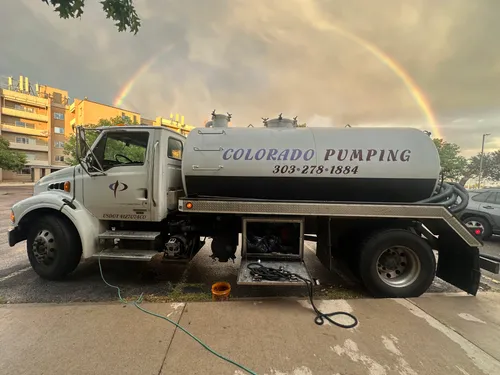
Colorado Pumping
Denver, CO
Colorado Pumping is a wastewater management company based in Denver, CO, specializing in grease trap and septic tank pumping services. They serve a range of clients including commercial kitchens, restaurants, hotels, and rural homeowners throughout Denver and surrounding areas such as Arvada, Aurora, Centennial, Golden, Lakewood, Littleton, Thornton, Wheat Ridge, and Westminster. Their grease trap pumping helps maintain compliance and prevent blockages in busy commercial facilities, while their septic tank pumping supports efficient wastewater treatment for rural properties. Colorado Pumping is known for accommodating emergency requests and providing timely service.

Sewer Experts Denver Sewer Line Repair & Replacement, Drain Scope, Water Lines
6510 E 49th Ave Ste A, Commerce City, CO 80022
Sewer Experts Denver Sewer Line Repair & Replacement, Drain Scope, Water Lines is a locally owned and operated company serving Denver, CO. They provide commercial and residential sewer and water line repair, replacement, and maintenance services, including trenchless sewer repairs using CIPP lining and pipe bursting technologies. With over 20 years of experience, they handle projects ranging from grease trap installation to septic tank services, offering 24/7 emergency sewer repair support. Their certified technicians also perform sewer scope inspections and drain cleaning to diagnose and resolve plumbing issues efficiently.
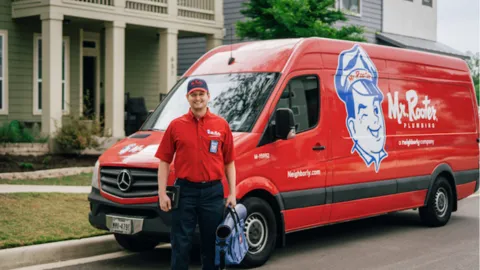
Mr. Rooter Plumbing of Denver
1600 Federal Blvd Ste B, Denver, CO 80204
Mr. Rooter Plumbing of Denver offers residential and commercial plumbing services in Commerce City, CO, and surrounding areas. Their licensed plumbers provide a range of solutions including drain cleaning, sewer line repair, plumbing repairs, and grease trap pumping. The company uses advanced plumbing technology such as trenchless pipe replacement and video inspections to deliver efficient and minimally disruptive service. Mr. Rooter Plumbing emphasizes clear communication and upfront pricing to ensure customers understand the work being done. They also prioritize safety and cleanliness during every job. Serving a wide area around Denver, the company is backed by the Neighborly Done Right Promise® and has a reputation for skilled and courteous service.
Understanding Local FOG Regulations and the 25% Rule
The cornerstone of grease trap compliance in Colorado, including Parker, is the 25% rule. This regulation mandates that a grease interceptor must be cleaned when the combined volume of FOG and settled solids reaches 25% of the trap's liquid capacity 1 2 3. Allowing accumulation to exceed this limit significantly reduces the trap's efficiency and increases the risk of FOG escaping into the sewer system.
Local water and sanitation districts, such as the Parker Water & Sanitation District and the broader South Metro Water infrastructure, have adopted FOG management policies to enforce this standard 4. These policies are designed to prevent sewer blockages, which can cause costly backups and environmental damage. As a business owner, you are responsible for ensuring your establishment adheres to these local wastewater rules, which typically require regular, documented cleaning using licensed haulers.
Key Regulatory Requirements:
- Licensed Providers: All waste must be pumped and disposed of by an authorized, licensed hauler. These professionals are equipped to handle the material safely and in accordance with state and local laws.
- Mandatory Documentation: You must maintain detailed service records. These logs should include the date of service, the volume of waste pumped, and the name of the service provider. This documentation is often the first thing an inspector will request.
- Proper Disposal Practices: It is imperative that food waste and FOG are disposed of correctly. Solid food scraps belong in the trash or compost, never down the drain. Pouring grease or oil into sinks is a direct violation that can lead to immediate plumbing issues and regulatory penalties 5.
Determining Your Grease Trap Cleaning Frequency
There is no universal schedule that applies to every restaurant. The required frequency for pumping your grease interceptor depends on several factors, including the size of your trap, your kitchen's volume of business, and the type of food you prepare. A high-volume barbecue restaurant will naturally fill its trap much faster than a low-volume coffee shop.
As a general guideline:
- Small Indoor Traps (often under sinks, 30-50 gallons) may require cleaning as often as monthly.
- Larger Outdoor Grease Interceptors (500+ gallons) are typically serviced on a quarterly basis, but this can vary based on actual usage and local district requirements 6.
The most reliable method is self-monitoring. Regularly check your trap by visually inspecting and measuring the FOG and solids layer. This proactive approach allows you to schedule service based on actual need, ensuring you never exceed the 25% threshold and risk non-compliance 7.
The Consequences of Non-Compliance
Failing to maintain your grease trap is a serious matter with direct financial and operational consequences. Local water authorities conduct routine inspections of food service establishments to verify compliance with FOG policies.
Enforcement actions for violations can include:
- Substantial Fines: Monetary penalties for violations can be steep and escalate for repeat offenses.
- Business Shutdowns: In severe cases of non-compliance or repeated violations, authorities have the power to suspend a business's sewer discharge permit, effectively forcing a temporary closure until the issue is resolved.
- Costly Emergency Repairs: A neglected trap will eventually fail, leading to kitchen drain backups, foul odors, and emergency service calls. The cost for an emergency plumbing visit and cleanup far exceeds the price of routine, scheduled maintenance 8.
Find the perfect grease trap cleaning companies for your needs
Get personalized recommendations and expert advice
Cost of Grease Trap Cleaning Services in Parker
Investing in regular grease trap pumping is a fundamental cost of doing business in the food service industry. The price varies based on the type and size of your trap, your location, and whether the service is scheduled or an emergency.
Typical Cost Ranges:
- Indoor Grease Traps (30-200 gallon capacity): A standard pumping service for a smaller, under-sink or in-kitchen unit typically ranges from $125 to $240 per service. Contracting for regular service often provides a better rate than one-off calls.
- Outdoor Grease Interceptors (500+ gallon capacity): Servicing larger underground or outdoor interceptors is more involved, with costs generally ranging from $325 to over $1,040 per pump, depending on size and accessibility 9.
The most significant cost differentiator is preventive versus emergency service. While a scheduled quarterly pump might cost a few hundred dollars, an emergency call to address an overflow or severe blockage can easily cost $800 to $1,200 or more for the initial response, not including any necessary repairs or fines 10 11. Regular maintenance is unequivocally the most cost-effective strategy.
Building a Proactive Maintenance Plan
A successful FOG management program goes beyond just calling for service when the trap is full. It involves a holistic approach to kitchen operations and record-keeping.
- Train Your Staff: Educate every kitchen employee on proper waste disposal. Emphasize that grease, oil, and food solids must be scraped into designated bins, not rinsed down sinks.
- Schedule Regular Inspections: Assign a manager to perform weekly or bi-weekly visual checks of the grease trap to monitor accumulation levels.
- Partner with a Reputable Provider: Establish a service contract with a licensed, local grease trap cleaning company. They can help you determine the optimal service frequency and ensure all documentation is provided.
- Maintain Impeccable Records: Keep a dedicated logbook or digital file for all service reports, inspection notes, and any correspondence with regulators. This proves due diligence during inspections.
For the most accurate and up-to-date information on local ordinances, restaurant owners in Parker should contact Douglas County or the Parker Water & Sanitation District directly.
Frequently asked questions
Sources
Footnotes
-
Colorado Regulations for Grease Trap Pumping - https://mcdonaldfarmsinc.com/colorado-regulations-for-grease-trap-pumping/ ↩
-
Grease Trap Pumping Frequently Asked Questions - https://www.coloradopumping.com/grease-trap-pumping-faq/ ↩
-
Fats, Oils and Grease (FOG) Policy (PDF).pdf - Niwot Sanitation District - https://niwotsd.colorado.gov/sites/niwotsd/files/documents/Fats%2C%20Oils%20and%20Grease%20%28FOG%29%20Policy%20%28PDF%29.pdf ↩
-
Fats, Oils, and Grease (FOG) Policy - https://swmetrowater.org/documents/fats-oils-and-grease-fog-policy-2/ ↩
-
Fats, Oils and Grease (FOG) Management & Control Program - https://www.waterboards.ca.gov/rwqcb7/water_issues/programs/pretreatment/docs/intro_fog_inspections.pdf ↩
-
FAQs • What is the pumping schedule for grease interceptor o - https://www.westminsterco.gov/FAQ.aspx?QID=302 ↩
-
The Ultimate Guide to Restaurant Grease Trap Cleaning - https://mokherplumbing.com/ultimate-guide-restaurant-grease-trap-cleaning/ ↩
-
Grease Traps for Restaurants: The Essential Guide - https://therestaurantwarehouse.com/blogs/restaurant-equipment/grease-trap-for-restaurant-guide ↩
-
Grease Trap Cleaning Prices | Guide on the Industry Average - https://grease-cycle.com/grease-trap-pumping-cost/ ↩
-
Ultimate Grease Trap Pumping Cost Guide: Essential Money-Saving ... - https://www.texwaywastewater.com/grease-trap-pumping-cost/ ↩
-
Grease Trap Pumping Cost vs. Grease Trap Maintenance Cost - https://www.stateindustrial.com/video/cost-comparison-pumping-v-chemicals-to-maintain-a-grease-trap/ ↩