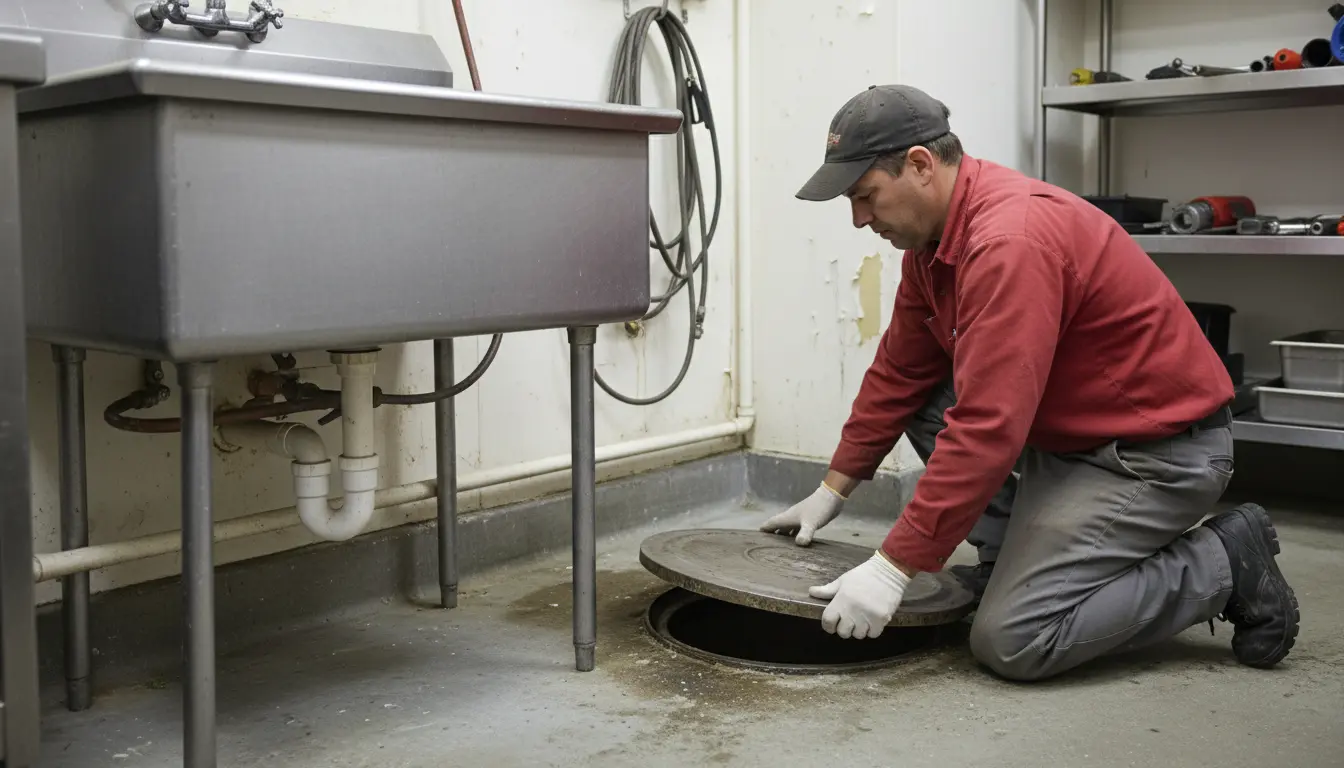
Find the Best Grease Trap Cleaning Companies for Your Business
No obligation • Fast responses • Nationwide coverage

Why you can trust Restaurant Waste Disposal
Restaurant Waste Disposal is a leading U.S. resource for comparing restaurant composting, food-waste recycling, grease trap cleaning, and used cooking oil collection services. Our editorial team researches providers, checks credentials, and organizes unbiased information so operators can make informed decisions. Companies cannot pay to change ratings or placement.
Search providers near you
Top Grease Trap Cleaning Companies in Centennial, Colorado Ranked
For any restaurant or food service establishment in Centennial, managing fats, oils, and grease (FOG) is a critical operational and regulatory responsibility. Proper grease trap and interceptor maintenance is not just about preventing clogs in your own plumbing; it's a mandated component of protecting the city's sewer system from blockages that can lead to costly and environmentally damaging sanitary sewer overflows. Local regulations, aligned with broader Denver Metro area requirements, enforce strict cleaning schedules and reporting, making a relationship with a licensed grease trap cleaning provider essential for compliance and smooth business operations. This guide outlines what Centennial food service operators need to know about FOG control, from routine maintenance procedures to navigating local mandates.
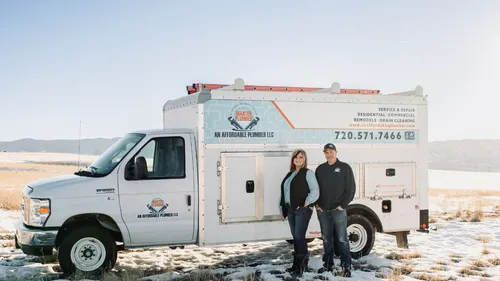
An Affordable Plumber
Denver, CO
An Affordable Plumber is a plumbing company serving Denver, CO, and surrounding areas including Littleton and Roxborough. They provide a wide range of residential and commercial plumbing services such as grease trap installation and cleaning, water heater repair and installation, whole house filtration, sump pump services, sewer line repair, and gas line services. The company uses advanced video inspection technology for sewer lines and offers a five-year transferable warranty on sewer and water main replacements. Established in 2000, An Affordable Plumber has over 24 years of experience and offers same-day appointments and financing options to accommodate urgent and budget-conscious needs.
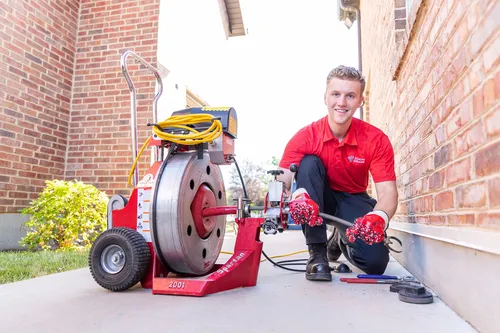
Zoom Drain
7808 Cherry Creek S Dr #115, Denver, CO 80231
Zoom Drain is a drain and sewer cleaning company serving Denver, CO, and surrounding areas. They provide services for residential and commercial properties, including grease trap maintenance, drain cleaning, sewer repair, and sump pump replacement. The company uses advanced technology such as high-pressure truck-mounted jetting and video inspection tools to ensure effective solutions. Backed by a national brand with decades of experience, Zoom Drain offers tailored maintenance plans and specialized services for various industries. Their team is known for clear pricing, warranties, and comprehensive maintenance programs.
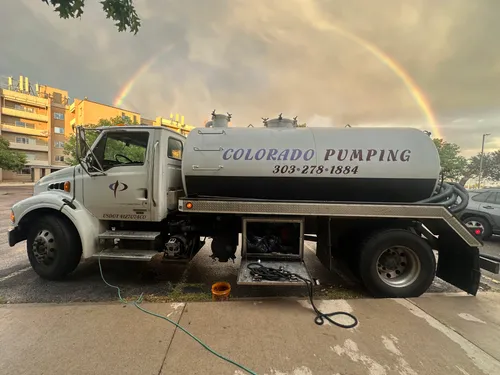
Colorado Pumping
Denver, CO
Colorado Pumping is a wastewater management company based in Denver, CO, specializing in grease trap and septic tank pumping services. They serve a range of clients including commercial kitchens, restaurants, hotels, and rural homeowners throughout Denver and surrounding areas such as Arvada, Aurora, Centennial, Golden, Lakewood, Littleton, Thornton, Wheat Ridge, and Westminster. Their grease trap pumping helps maintain compliance and prevent blockages in busy commercial facilities, while their septic tank pumping supports efficient wastewater treatment for rural properties. Colorado Pumping is known for accommodating emergency requests and providing timely service.
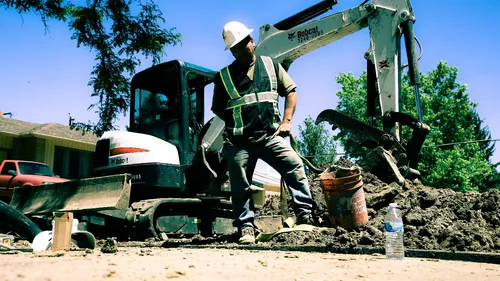
Sewer Experts Denver Sewer Line Repair & Replacement, Drain Scope, Water Lines
6510 E 49th Ave Ste A, Commerce City, CO 80022
Sewer Experts Denver Sewer Line Repair & Replacement, Drain Scope, Water Lines is a locally owned and operated company serving Denver, CO. They provide commercial and residential sewer and water line repair, replacement, and maintenance services, including trenchless sewer repairs using CIPP lining and pipe bursting technologies. With over 20 years of experience, they handle projects ranging from grease trap installation to septic tank services, offering 24/7 emergency sewer repair support. Their certified technicians also perform sewer scope inspections and drain cleaning to diagnose and resolve plumbing issues efficiently.
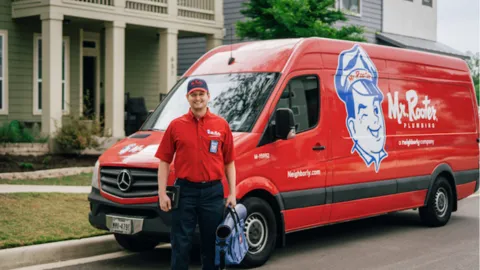
Mr. Rooter Plumbing of Denver
1600 Federal Blvd Ste B, Denver, CO 80204
Mr. Rooter Plumbing of Denver offers residential and commercial plumbing services in Commerce City, CO, and surrounding areas. Their licensed plumbers provide a range of solutions including drain cleaning, sewer line repair, plumbing repairs, and grease trap pumping. The company uses advanced plumbing technology such as trenchless pipe replacement and video inspections to deliver efficient and minimally disruptive service. Mr. Rooter Plumbing emphasizes clear communication and upfront pricing to ensure customers understand the work being done. They also prioritize safety and cleanliness during every job. Serving a wide area around Denver, the company is backed by the Neighborly Done Right Promise® and has a reputation for skilled and courteous service.
Understanding FOG Control Requirements in Centennial
Centennial's approach to FOG management is designed to safeguard municipal wastewater infrastructure. All facilities that prepare food are required to have a properly sized and permitted grease removal device, which could be an interior grease trap or an exterior grease interceptor 1. The primary goal is to prevent grease from entering the public sewer lines. Compliance isn't optional; the city, following state and regional guidelines, mandates specific maintenance routines and record-keeping. Non-compliance can result in significant fines, especially if a grease-related blockage or overflow occurs.
The cornerstone of compliance is regular pumping and cleaning by a licensed professional. The frequency is not arbitrary but is typically based on the volume of FOG your kitchen produces and the capacity of your trap or interceptor. A common rule is that cleaning is required when the device is 25% full of fats, oils, and grease and solids 2. For many standard interior grease traps in active kitchens, this translates to a cleaning schedule of every 1 to 3 months 3 4. Larger exterior grease interceptors may have a different schedule, such as quarterly, but must still be monitored closely.
Key Responsibilities for Restaurant Owners and Managers
Beyond scheduling professional service, restaurant staff have daily and weekly roles in effective FOG management:
- Weekly Visual Inspections: A designated staff member should check the grease trap to monitor the accumulation level. This helps predict when service will be needed and prevents overfilling.
- Best Kitchen Practices: Implementing "dry wiping" of pots, pans, and dishes before rinsing, using drain screens to catch food solids, and ensuring used cooking oil is collected in dedicated containers-not poured down the drain-are essential practices that reduce the load on your grease trap.
- Meticulous Record Keeping: You must maintain detailed logs of all grease trap maintenance. This includes invoices and service reports from your pumping provider, which should note the date, volume of waste removed, and the disposal method. These records are often required for semi-annual reporting to the wastewater authority and are your proof of compliance during inspections.
The Cost of Grease Trap Maintenance
Investing in regular grease trap cleaning is far more economical than dealing with the consequences of neglect. Costs vary based on the size and type of your unit, its accessibility, and how well it has been maintained.
- Routine Cleaning for Interior Grease Traps: For a standard, well-maintained interior trap, a routine pumping and cleaning service in the Centennial area typically ranges from $175 to $400 per service visit 5. This is the predictable, operational cost of compliance for most restaurants.
- Emergency or Remedial Service: If a trap is severely neglected, clogged, or causing a backup, emergency service calls are significantly more expensive. These can easily cost $800 to $1,200 or more, as they require more labor, time, and potentially equipment to resolve 6 7.
- Exterior Grease Interceptors: Larger interceptors located outside have greater capacity and thus may require less frequent pumping (e.g., quarterly). However, the per-service cost can be higher due to the larger volume of waste handled, though the annualized cost may be comparable when factoring in frequency 8.
Find the perfect grease trap cleaning companies for your needs
Get personalized recommendations and expert advice
Compliance and Reporting: Navigating Local Regulations
Centennial food service establishments operate within a framework of local and regional regulations. It is advisable to contact the City of Centennial's Public Works or relevant department to confirm any specific local ordinances 9. However, the general regulatory framework involves:
- Semi-Annual Reporting: Many jurisdictions require businesses to file reports on their grease trap maintenance twice a year. These reports summarize cleaning dates and volumes, demonstrating ongoing compliance 10.
- Use of Licensed Providers: Grease trap waste is considered a pollutant and must be disposed of at approved facilities. Only licensed grease haulers have the permits to transport and dispose of this material legally. Using an unlicensed service can put your business at risk of violation 11.
- Proactive Communication: Establishing a good relationship with a reliable, licensed service provider is key. They can help you determine the optimal cleaning schedule, ensure proper documentation, and alert you to any potential issues before they become violations or emergencies.
Choosing a Service Provider in Centennial
When selecting a company for grease interceptor pumping and cleaning, consider more than just price. Look for a provider that is fully licensed and insured to operate in Colorado and the Denver Metro area. They should offer clear, detailed service reports that you can use for your compliance records. Experience with local inspectors and knowledge of Centennial and South Platte River Basin regulations is a significant advantage. A reputable provider will also be willing to assess your specific operation and recommend a cost-effective, compliant maintenance schedule.
Frequently asked questions
Sources
Footnotes
-
Requirements For Grease Interceptors - https://denver.prelive.opencities.com/files/assets/public/v/2/doti/documents/permits/sudp/grease_interceptor_sizing_criteria.pdf ↩
-
How to Clean a Grease Trap (and How Often You Should) - https://greaseconnections.com/how-to-clean-a-grease-trap-and-how-often-you-should/ ↩
-
Colorado Regulations for Grease Trap Pumping - https://mcdonaldfarmsinc.com/colorado-regulations-for-grease-trap-pumping/ ↩
-
Denver Grease Trap Maintenance: Essential Facilities ... - Shyft - https://www.myshyft.com/blog/grease-trap-cleaning-denver-colorado/ ↩
-
The Cost To Clean A Grease Trap For Restaurants - https://thegreasecompany.com/blog/greasetrapcleaningcost/ ↩
-
Ultimate Grease Trap Pumping Cost Guide: Essential Money-Saving ... - https://www.texwaywastewater.com/grease-trap-pumping-cost/ ↩
-
Grease Trap Installation Services in Denver (Call Now) - https://greasetrapdenver.com/grease-trap-installation/ ↩
-
Restaurant Grease Trap & Interceptor Cleaning Cost - https://greasemanagement.org/pricing.html ↩
-
Grease Trap & Septic Pumping Centennial CO - Colorado Pumping - https://www.coloradopumping.com/service-area/centennial/ ↩
-
Colorado Businesses Fined Over Grease Trap Pumping Issues - https://replaceyourgarbagedisposal.com/grease-trap-pumping/colorado-businesses-fined-over-grease-trap-pumping-issues/ ↩
-
Grease Trap Pumping Frequently Asked Questions - https://www.coloradopumping.com/grease-trap-pumping-faq/ ↩