Find the Best Grease Trap Cleaning Companies for Your Business
No obligation • Fast responses • Nationwide coverage

Why you can trust Restaurant Waste Disposal
Restaurant Waste Disposal is a leading U.S. resource for comparing restaurant composting, food-waste recycling, grease trap cleaning, and used cooking oil collection services. Our editorial team researches providers, checks credentials, and organizes unbiased information so operators can make informed decisions. Companies cannot pay to change ratings or placement.
Search providers near you
Top Grease Trap Cleaning Companies in Jonesboro, Arkansas Ranked
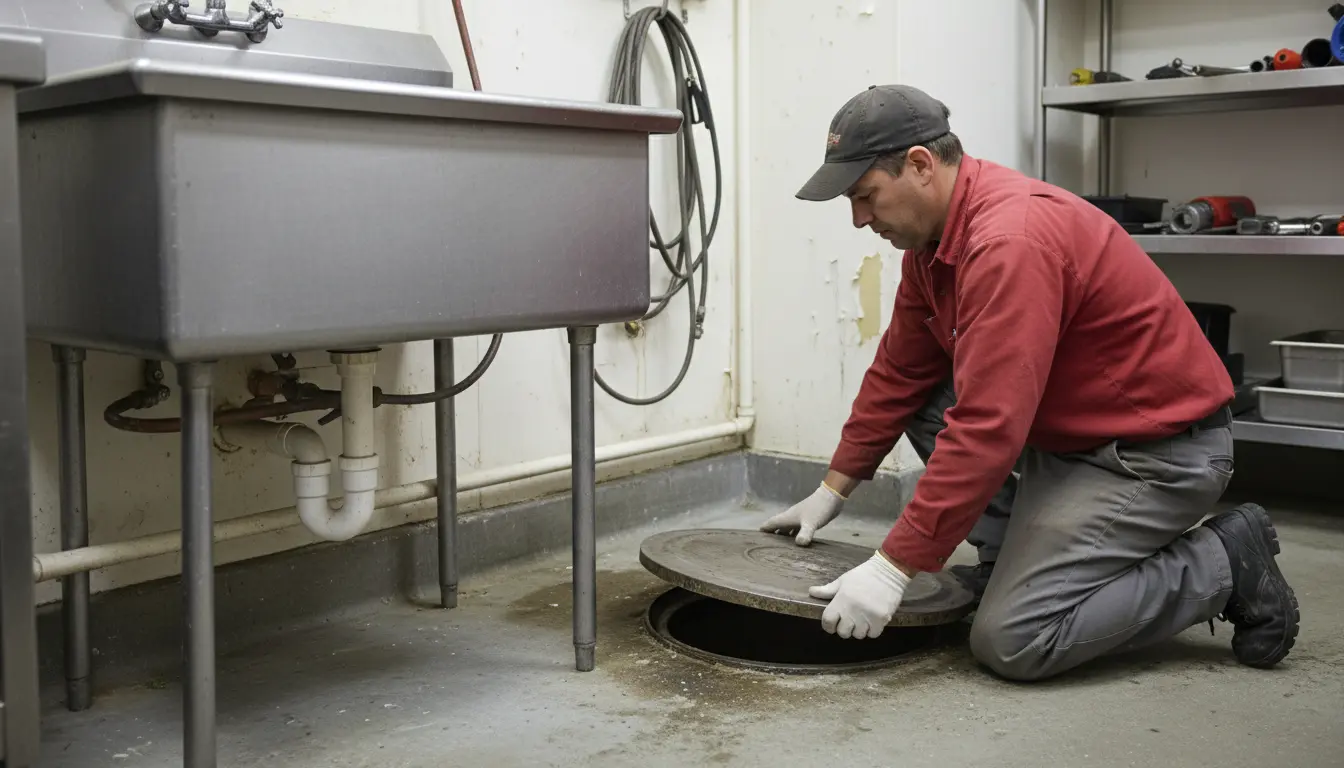
For any restaurant, food truck, or commercial kitchen in Jonesboro, managing fats, oils, and grease (FOG) is a critical operational and legal responsibility. Proper grease interceptor maintenance is not just about avoiding clogs; it's a mandated requirement under Arkansas state and local codes to protect the city's sewer infrastructure from costly blockages and environmental harm. Failure to adhere to strict cleaning schedules and record-keeping can result in severe penalties, including hefty fines and potential business interruption. This guide outlines the essential regulations, best practices, and cost considerations for effective grease trap service in the Jonesboro area, helping you maintain compliance and smooth kitchen operations.
Understanding Local Grease Interceptor Regulations
In Jonesboro, grease trap rules are governed by the Arkansas Plumbing Code (14 CAR Part 65), which sets the standard for design, installation, and maintenance. Compliance is enforced through inspections by local health department or city code enforcement officials. The core principle is preventing FOG from entering the public sewer system, where it can solidify and cause major blockages, leading to sanitary sewer overflows (SSOs).
Key regulatory requirements include:
- Minimum Size: For many commercial applications, especially those with onsite systems, grease interceptors must have a minimum capacity of 500 gallons 1.
- Design Standards: All interceptors must be installed according to code specifications, which include details on flow rates, baffles, and accessibility for service.
- Service Records: You are required to maintain detailed service records, often called manifests or pump tickets, for a minimum of three years. These documents must be available for review during any inspection.
Determining Your Cleaning Frequency
There is no universal schedule that fits every kitchen. The required frequency for pumping your grease interceptor depends entirely on your volume of FOG production. The Arkansas Plumbing Code mandates that interceptors be cleaned as often as necessary to maintain proper operation and prevent grease from passing into the drainage system 2.
As a practical guideline:
- Indoor Grease Traps (Under-Sink): These smaller units typically require very frequent cleaning-often as often as every one to two weeks-due to their limited capacity and direct exposure to kitchen waste.
- Outdoor Grease Interceptors (In-Ground): Larger, exterior interceptors are pumped based on their "accumulation rate." A common industry rule is to service them when FOG and solids fill 25% of the tank's volume. For high-volume kitchens, this could mean monthly service, while lower-volume establishments may manage with quarterly cleaning 3.
The most reliable method is to have a professional service provider measure the FOG layer during each service and recommend a customized schedule. Sticking to this proactive schedule is far less expensive than reacting to an emergency.
The Real Cost of Compliance vs. Violation
Understanding the costs associated with grease trap maintenance involves looking at both routine service and the severe financial risks of non-compliance.
Routine Service Costs in Jonesboro
For standard pumping and cleaning services in the Jonesboro area, restaurants can generally expect costs to range from $175 to $400+ per service visit 4 5. Several factors influence the final price:
- Interceptor Size and Location: Larger tanks (e.g., over 3,000 gallons) or those with difficult access will cost more to service.
- Frequency: Regularly maintained traps are easier and faster to clean, often costing less per visit.
- Condition: Severely neglected traps that are completely full of hardened grease and solids require more labor and time, leading to significantly higher charges, sometimes double the standard rate 6.
Penalties for Non-Compliance
The cost of skipping service pales in comparison to the penalties for violations. Enforcement agencies can impose fines that escalate quickly, potentially reaching thousands of dollars for repeated or severe infractions 7 8. In extreme cases, a business may face a compliance order that can halt operations until the issue is resolved, resulting in lost revenue. Furthermore, if a grease blockage causes damage to public sewer lines, the responsible business can be billed for the entire cleanup and repair cost 7 9. Proactive maintenance is undoubtedly the most cost-effective path.
Find the perfect grease trap cleaning companies for your needs
Get personalized recommendations and expert advice
Best Practices for Effective FOG Management
Beyond simply scheduling regular pump-outs, successful FOG control involves kitchen-level practices that extend the time between services and ensure system health.
1. Implement Comprehensive Staff Training: Every kitchen employee should be trained on proper waste disposal. Emphasize that no grease should go down the drain. This includes:
- Scraping all food scraps and solids into the trash or compost before washing.
- Using dedicated containers to collect and cool used fryer oil and pan grease for recycling.
- Avoiding the use of garbage disposals for grease-laden waste, as disposals only emulsify grease, allowing it to pass into the trap where it will solidify.
2. Maintain Impeccable Records: Your service manifests are your proof of compliance. Organize them in a dedicated logbook or digital folder. Each record should include the date, company name, technician details, volume of waste removed, and the condition of the interceptor. This log should be readily accessible for inspections 10 11.
3. Schedule Professional Inspections: In addition to pumping, consider having your service provider conduct periodic inspections of the interceptor's components, such as baffles and lids, to ensure everything is functioning correctly. A small leak or damaged baffle can lead to compliance issues.
4. Know Your System: Understand the type and capacity of your grease interceptor, its location, and its access points. This knowledge is crucial for communicating with service providers and inspectors.
Choosing a Service Provider in Jonesboro
Selecting a reliable grease trap cleaning partner is a key business decision. Look for a licensed, insured, and experienced provider familiar with Jonesboro and Arkansas state codes. They should offer:
- Detailed Service Manifests: Providing you with the documentation needed for inspections.
- Proper Waste Disposal: Hauling all collected FOG to a licensed treatment or recycling facility.
- Transparent Pricing: Clear quotes without hidden fees.
- Emergency Services: Availability for urgent situations, though relying on this is not a strategy.
A good provider will act as a consultant, helping you optimize your schedule based on your actual usage and training your staff on best practices to reduce FOG at the source. Investing in this partnership can reduce your overall maintenance costs by up to 40% by minimizing the volume of grease entering the system 12 13.
The Environmental Impact of Proper Maintenance
Responsible grease trap maintenance in Jonesboro extends beyond your kitchen walls. When FOG is properly captured and recycled, it can be converted into biofuels like biodiesel, turning waste into a renewable resource. Conversely, grease that escapes into the sewer system contributes to pipe blockages, which can lead to raw sewage backing up into basements or overflowing into local waterways like the St. Francis River or Craighead Forest Park streams. By maintaining your grease interceptor, you are directly contributing to the health of Jonesboro's community infrastructure and local environment.
Frequently asked questions
Sources
Footnotes
-
14 CAR § 21-908. Grease interceptors - Code of Arkansas Rules - https://codeofarrules.arkansas.gov/Rules/Rule?levelType=section&titleID=14&chapterID=71&subChapterID=92&partID=1056&subPartID=5485§ionID=35423 ↩
-
Chapter 10 Traps, Interceptors and Separators: Arkansas Plumbing ... - https://up.codes/viewer/arkansas/ar-plumbing-code-2018/chapter/10/traps-interceptors-and-separators ↩
-
Grease Trap Regulations and Compliance: What You Need to ... - https://www.texwaywastewater.com/grease-trap-regulations-and-compliance/ ↩
-
Ultimate Grease Trap Pumping Cost Guide: Essential Money ... - https://www.texwaywastewater.com/grease-trap-pumping-cost/ ↩
-
The Cost To Clean A Grease Trap For Restaurants - https://thegreasecompany.com/blog/greasetrapcleaningcost/ ↩
-
How Much Does a Proper Grease Trap Cleaning Cost? - https://hulseyenvironmental.com/how-much-does-a-proper-grease-trap-cleaning-partner-cost/ ↩
-
Understanding the Fines and Penalties for Grease Trap Violations - https://www.southerngreen.com/blog/understanding-the-fines-and-penalties-for-grease-trap-violations ↩ ↩2
-
The Essential Guide to Grease Trap Cleaning for Restaurants and Property Managers - https://filtakleenco.com/essential-guide-to-grease-trap-cleaning/ ↩
-
How to Clean a Grease Trap in a Restaurant: Step-by-Step Guide for Compliance & Efficiency - https://boh.ai/blog-article/how-to-clean-your-restaurants-grease-trap-and-avoid-costly-repairs ↩
-
Septic & Grease Trap Services Jonesboro AR - https://www.nucklesandsonplumbing.com/septic-and-grease-trap-services ↩
-
Grease Trap Restaurant: The Essential Guide - https://therestaurantwarehouse.com/blogs/restaurant-equipment/grease-trap-restaurant-guide ↩
-
How to Clean a Grease Trap (and How Often You Should) - https://greaseconnections.com/how-to-clean-a-grease-trap-and-how-often-you-should/ ↩
-
Grease Trap in Jonesboro, AR - Costs 11 / 2025 - Homeyou - https://www.homeyou.com/ar/grease-trap-jonesboro-costs ↩