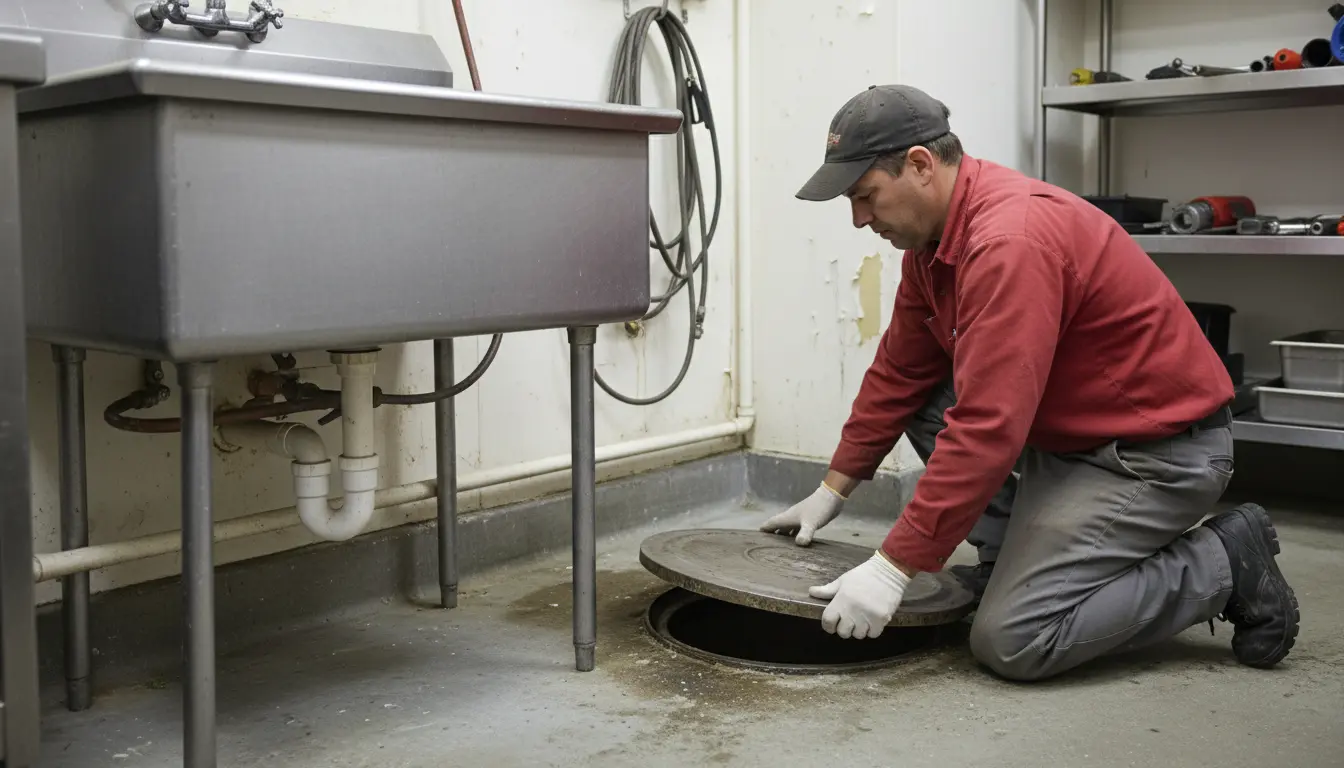
Find the Best Grease Trap Cleaning Companies for Your Business
No obligation • Fast responses • Nationwide coverage

Why you can trust Restaurant Waste Disposal
Restaurant Waste Disposal is a leading U.S. resource for comparing restaurant composting, food-waste recycling, grease trap cleaning, and used cooking oil collection services. Our editorial team researches providers, checks credentials, and organizes unbiased information so operators can make informed decisions. Companies cannot pay to change ratings or placement.
Search providers near you
Best Grease Trap Cleaning Companies in Arkansas Ranked
For restaurant owners and food service operators in Arkansas, managing fats, oils, and grease (FOG) is a critical operational and regulatory responsibility. Proper grease trap and interceptor maintenance is not just about avoiding unpleasant odors or clogs; it's a legal requirement designed to protect the public sewer system from costly blockages and environmental harm. Compliance in Arkansas is governed by a combination of state plumbing codes and stringent local ordinances, which dictate everything from installation standards to cleaning frequency and record-keeping. Understanding these rules is essential for smooth operations and avoiding significant fines. This guide provides a clear overview of the regulations, best practices, and practical considerations for effective grease management across the Natural State.
Roto-Rooter Plumbing & Water Cleanup
9022 Landers Rd ste g, North Little Rock, AR 72117
Roto-Rooter Plumbing & Water Cleanup provides comprehensive plumbing and water cleanup services in Little Rock, AR. They handle a wide range of residential and commercial plumbing needs, including grease trap cleaning, sewer line repair and replacement, drain cleaning, water heater maintenance, and emergency flood services. The company uses advanced plumbing technology and offers 24/7 emergency plumbing support to address urgent issues like burst pipes and sewer backups. With a history dating back to 1935, Roto-Rooter is experienced in both traditional and modern plumbing solutions, serving North Little Rock and surrounding counties with local expertise and specialized knowledge of the area's plumbing requirements.
Ace Grease Service
Transfer Station, 232 Glenview Ln Little Rock, 232 Glenview Ln, North Little Rock, AR 72117
Ace Grease Service is a family-owned company based in Little Rock, AR, specializing in used cooking oil collection and grease trap cleaning. With over 31 years of experience, they serve restaurants, hotels, hospitals, and food manufacturing plants across nine states in the Midwest. The company collects and recycles used cooking oil into products like plastics, soaps, livestock feed, and biodiesel fuel. Ace Grease Service operates a fleet of modern trucks and equipment to provide these services efficiently.
Nuckles & Sons Plumbing
309 N Culberhouse St, Jonesboro, AR 72401
Nuckles & Sons Plumbing is a fourth-generation, family-owned plumbing company serving Jonesboro, AR, and nearby communities. Established in 1933, they offer a full range of residential and commercial plumbing services, including routine repairs, emergency plumbing available 24/7, line cleaning, slab leak detection, backflow prevention, gas line installation and testing, and grease trap cleaning. Their licensed and insured team is equipped to handle everything from minor issues to large-scale plumbing projects with a focus on thorough inspections and maintenance to prevent future problems.
Understanding Arkansas Grease Trap Regulations
In Arkansas, grease trap regulation is primarily enforced at the municipal level, though it operates within a framework established by state rules. The foundational standard is the Arkansas Plumbing Code, which sets the baseline for proper installation and design. However, local wastewater authorities-such as those in Little Rock, Hot Springs, and Mountain Home-have their own specific ordinances that often exceed state minimums. These local rules are what restaurant operators must follow directly.
The core objective of all these regulations is preventing FOG from entering the public sewer system. When grease cools and solidifies in pipes, it creates severe blockages that can lead to sanitary sewer overflows (SSOs), which are expensive to remediate and harmful to the environment. To combat this, cities implement Fats, Oil, and Grease (FOG) control programs as part of their Industrial Pretreatment efforts 1. Compliance is not optional; it's a condition of your business's connection to the municipal sewer.
Key Requirements for Installation and Design
Before service even begins, your grease control device must be correctly installed and sized. Failure to meet these standards can result in immediate violations.
- Approved Installation: All grease interceptors and traps must be installed in accordance with the local plumbing code, which is typically based on the Arkansas Plumbing Code. Cities like Hot Springs and Mountain Home require permits and inspections for installation 2. Precast concrete units must meet specific ASTM standards.
- Proper Sizing: The size and type of your grease interceptor are crucial. It must be adequately sized for the estimated wastewater flow and FOG load from your kitchen. The design is subject to review and approval by your local building inspection or wastewater department. An undersized trap will fail quickly and require excessively frequent cleaning.
- Location Specifications: Regulations often specify whether a grease interceptor (a larger, exterior unit) is required versus an under-sink grease trap. This usually depends on your kitchen's volume and equipment. Local authorities provide guidance on which type is mandatory for your operation.
Maintenance and Cleaning Rules
Regular, thorough cleaning is the heart of grease trap compliance. Arkansas localities have clear rules on how and when this must be done.
- The 25% Rule: A widely adopted standard, including in Arkansas guidance, is the "one-quarter full" rule. This means your grease trap or interceptor should be pumped and cleaned when the combined depth of FOG and settled solids reaches 25% of the total liquid depth in the unit 3 4. Allowing accumulation beyond this point severely reduces the device's efficiency.
- Mandated Frequency: While the 25% rule is a performance standard, many cities set a maximum time between cleanings. For example, Little Rock mandates cleaning at least every 90 days for most establishments 5. High-volume kitchens (e.g., large restaurants, cafeterias) may be required to clean monthly. Always check your local ordinance for the definitive schedule.
- Cleaning Standards: Proper cleaning is more than just removing liquid. Service must include the complete removal of all FOG, floating materials, and settled solids from the entire unit. After pumping, the trap or interceptor should be rinsed if necessary, and the interior should be inspected. For interior grease traps, they must be refilled with water before being put back into service 6 7.
Documentation and Record-Keeping
If it isn't documented, it didn't happen-this is the mindset of wastewater inspectors. Meticulous records are a non-negotiable part of compliance.
- Maintenance Logs: You are required to maintain a detailed grease trap maintenance log on-site. This log should include the date of each service, the name of the servicing company, the volume of waste removed, and the disposal location (the name of the rendering plant or landfill).
- Disposal Documentation: Licensed haulers must provide you with a waste manifest or receipt proving the FOG was disposed of or recycled at a permitted facility. You must keep these documents on file.
- Retention Period: Be prepared to keep these records for several years. Localities like Little Rock may require logs to be retained for up to three years and made available for inspection upon request.
Find the perfect grease trap cleaning companies for your needs
Get personalized recommendations and expert advice
Permitting for Service Providers
You cannot hire just any waste hauler to clean your grease interceptor. To ensure proper disposal and tracking, municipalities regulate the service providers themselves.
- Licensed and Approved Haulers: You must use a licensed grease hauler who is approved by your local wastewater authority. These haulers have demonstrated they have the proper equipment and disposal contracts.
- Pumper Permits: Cities like Siloam Springs require third-party pumpers to obtain an annual permit from the city's Sewage Works Department 8. This permit process verifies that the hauler will dispose of waste legally and provide accurate documentation to both you and the city.
- Action Step: Always ask your prospective service provider if they are permitted to work in your specific city. You can also contact your local wastewater utility for a list of approved grease haulers.
Understanding Service and Cost Considerations
Costs for grease trap cleaning in Arkansas vary based on the size and location of your unit, the frequency of service, and the nature of the job (scheduled vs. emergency).
- Typical Cost Ranges: For a standard, scheduled cleaning of a smaller, indoor grease trap, prices often range from $115 to $400 per service. For larger, outdoor grease interceptors, scheduled pumping typically costs between $325 and $1,000 or more 9.
- Emergency Service Premium: If you wait until a clog or overflow occurs, emergency service calls can be significantly more expensive, often ranging from $800 to $1,200 or higher, due to after-hours rates and the complexity of the cleanup 10.
- Value of Preventative Maintenance: Adhering to a regular pumping schedule based on the 25% rule is the most cost-effective strategy. It prevents emergencies, maintains trap efficiency, and keeps you in compliance, avoiding potential fines that can far exceed the cost of routine service.
Steps to Ensure Compliance
- Identify Your Local Authority: Determine which city or wastewater utility district governs your restaurant's location.
- Review the Local Ordinance: Contact your local building inspection or wastewater department to obtain a copy of the specific FOG ordinance you must follow 11.
- Verify Trap Sizing: Ensure your existing grease control device is properly sized for your operation. If in doubt, request a review from the local authority.
- Hire a Licensed Provider: Contract only with grease cleaning services that are permitted to work in your municipality. Request and file all service documentation.
- Maintain Impeccable Records: Keep a dedicated binder with your maintenance logs, hauler receipts, and waste manifests for the required period (e.g., 3 years).
Frequently asked questions
Sources
Footnotes
-
Industrial Pretreatment | Hot Springs, AR - Official Website - https://www.hotspringsar.gov/239/Industrial-Pretreatment ↩
-
HOT SPRINGS GREASE TRAP REGULATIONS | Code of Ordinances - https://library.municode.com/ar/hot_springs/codes/code_of_ordinances?nodeId=CD_ORD_TIT9MUUT_CH3WASY_ARTVHOSPGRTRRE_DIVIIIGRTRINSEGRREDE_9-3-75OPMA ↩
-
Restaurant Grease Trap Cleaning FAQs - https://www.mahoneyes.com/restaurant-grease-trap-cleaning-faqs/ ↩
-
How to Clean a Grease Trap (and How Often You Should) - https://greaseconnections.com/how-to-clean-a-grease-trap-and-how-often-you-should/ ↩
-
Little Rock Grease Trap Cleaning: Essential Facilities ... - Shyft - https://www.myshyft.com/blog/grease-trap-cleaning-little-rock-arkansas/ ↩
-
14 CAR § 21-908. Grease interceptors - Code of Arkansas Rules - https://codeofarrules.arkansas.gov/Rules/Rule?levelType=section&titleID=14&chapterID=71&subChapterID=92&partID=1056&subPartID=5485§ionID=35423 ↩
-
How Often Should Grease Traps Be Cleaned? - FCS, Inc - https://www.fcs-inc.org/how-often-should-grease-traps-be-cleaned/ ↩
-
Siloam Springs Fats-Oil-Grease Ordinance - ADEQ - https://www.adeq.state.ar.us/downloads/WebDatabases/PermitsOnline/NPDES/EnforcementReports/AR0020273_Siloam%20Springs%20Fats-Oil-Grease%20Ordinance_20130228.pdf ↩
-
Grease Trap Pumping Cost vs. Grease Trap Maintenance Cost - https://www.stateindustrial.com/video/cost-comparison-pumping-v-chemicals-to-maintain-a-grease-trap/ ↩
-
Ultimate Grease Trap Pumping Cost Guide: Essential Money-Saving ... - https://www.texwaywastewater.com/grease-trap-pumping-cost/ ↩
-
Grease Traps - City of Mountain Home, Arkansas - https://www.cityofmountainhome.com/grease-traps ↩