
Find the Best Composting & Food Waste Companies for Your Business
No obligation • Fast responses • Nationwide coverage

Why you can trust Restaurant Waste Disposal
Restaurant Waste Disposal is a leading U.S. resource for comparing restaurant composting, food-waste recycling, grease trap cleaning, and used cooking oil collection services. Our editorial team researches providers, checks credentials, and organizes unbiased information so operators can make informed decisions. Companies cannot pay to change ratings or placement.
Search providers near you
Top Composting & Food Waste Companies in Mount Vernon, New York Ranked
For restaurants and food service businesses in Mount Vernon, managing organic waste is a critical operational and environmental responsibility. While the city follows broader Westchester County guidelines, successful food scrap diversion hinges on understanding local rules, selecting the right private hauler, and implementing proper on-site separation practices. This guide outlines the essential steps for establishing a compliant and efficient organics recycling program, helping your business reduce its landfill contribution and potentially lower waste management costs.
Navigating the requirements for commercial food waste recycling involves several key components: mandatory separation from general trash, the use of approved containers, adherence to specific set-out rules, and strict contamination controls. By proactively setting up a system, Mount Vernon establishments can streamline their waste handling, contribute to regional sustainability goals, and ensure they meet all regulatory obligations.
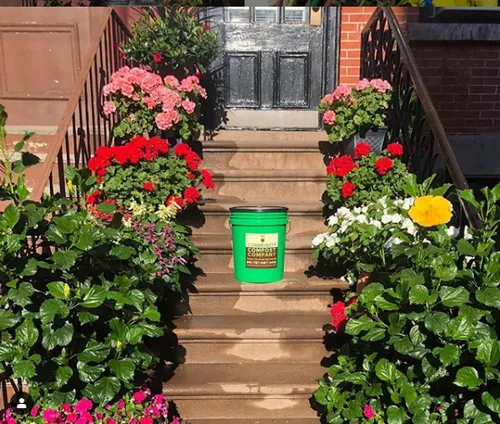
Community Compost Company
1501 Madison St, Hoboken, NJ 07030
Community Compost Company provides food waste collection and composting services for restaurants and residents in New York, NY. They offer a simple system where customers collect food scraps in provided buckets for weekly pickup. The company recycles all types of food waste, including meats and dairy, transforming it into nutrient-rich compost that supports soil health and reduces landfill waste. Community Compost Company is committed to environmental education and making composting accessible to everyone.

Green Bucket Compost
Woodbridge, NJ
Green Bucket Compost is a food waste and composting service based in Woodbridge, NJ, focused on diverting food waste from landfills through sustainable methods. They work with anaerobic digestion facilities like Trenton Renewables to process all types of food waste, including packaging, turning it into renewable energy and compost. Their services cover residential pickups, commercial food waste management for restaurants, hotels, and schools, as well as municipal drop-off and curbside collection programs across several New Jersey counties and towns. Founded by Isaiah Green, the company emphasizes scalable and efficient waste diversion solutions to support community sustainability goals.
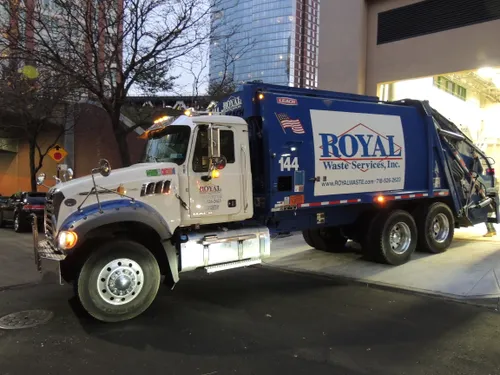
Royal Waste Services
187-40 Hollis Ave, Jamaica, NY 11423
Royal Waste Services provides comprehensive waste management solutions in New York, NY, specializing in food waste composting, trash pickup, single stream recycling, dumpster rentals, and bulk waste removal. Serving Manhattan, Bronx, Brooklyn, and Queens, they operate 24/7 to support businesses with sustainable waste diversion strategies. With over 25 years of experience, Royal Waste owns and operates in-house recycling facilities to ensure environmentally responsible disposal and compliance with NYC commercial recycling laws.
Understanding Local Rules and Mandates
Mount Vernon does not operate a municipal curbside composting service for businesses. Instead, commercial entities, including restaurants, are responsible for arranging private collection for their organic waste or self-hauling it to an approved facility. The foundational rule is mandatory separation: businesses generating food scraps are required to keep this material separate from their regular trash and recycling streams 1. It's important to note that disposing of food waste via grinders into the sewer system is generally prohibited1.
While specific city mandates may vary from those in New York City, the core principles of secure containment and proper separation are consistent. The first step for any restaurant is to review any specific guidelines provided by the Mount Vernon Bureau of Sanitation and then secure a contract with a licensed private carter authorized to operate in Westchester County 2.
Setting Up Your On-Site Collection System
A well-organized kitchen system is the backbone of effective food scrap recycling. Start by placing small, lidded collection bins in food prep and dishwashing areas. To maintain cleanliness and control odors, these bins can be lined with clear plastic bags, paper bags, or certified compostable liners.
Key components for your setup include:
- Durable Storage Containers: For curbside set-out, you will need sturdy, wheeled carts or bins with secure, latching lids. These are essential for containing odors, preventing pests, and meeting hauler specifications.
- Clear Signage: Label all bins (compost, recycling, trash) with simple, pictorial signs to guide staff and reduce contamination.
- Designated Storage Area: Establish a secondary storage location, such as a dumpster enclosure or a dedicated curb area, for the full containers awaiting pickup.
Choosing and Working with a Private Hauler
Your choice of private carter will directly impact your service schedule, costs, and specific container requirements. It is crucial to contact several licensed haulers for quotes and service details.
When evaluating haulers, consider:
- Service Frequency: How often will they collect your organic waste? This can range from daily to weekly, depending on your volume.
- Container Provision: Do they supply the wheeled carts or bins, or are you required to provide your own compliant containers?
- Pricing Structure: Costs are typically based on the frequency of service, the volume or number of containers, and the hauler's specific rates3 4. These fees are separate from your standard trash removal service.
- Local Knowledge: Confirm the hauler is familiar with Mount Vernon's specific set-out rules and any local ordinances.
Proper Set-Out and Collection Procedures
Once you have a hauler and containers, adhering to correct set-out procedures ensures smooth collection. While specifics may vary, general guidelines require placing your lidded containers curbside by an early morning time (often by 6 AM) on your designated collection day.
Containers should be placed away from parked cars, fire hydrants, and other obstructions, with the lid facing the street for easy access. It is equally important to retrieve empty containers from the curb promptly after collection to maintain sidewalk accessibility and neighborhood tidiness5.
Find the perfect composting & food waste companies for your needs
Get personalized recommendations and expert advice
Mastering Contamination: What Goes In the Compost Bin
Preventing contamination is the single most important factor for successful organics recycling. Contaminated loads can be rejected by processors, leading to disposal in a landfill and potential extra fees.
Accepted Materials (Compostable):
- All food scraps: Fruits, vegetables, meat, bones, fish, dairy products, eggs, and prepared foods.
- Food-soiled paper: Paper napkins, paper towels, uncoated paper plates, pizza boxes (grease-stained portions), and coffee filters.
- Other organics: Tea bags, coffee grounds, and yard waste like leaves and grass clippings.
Prohibited Materials (Trash):
- Plastic bags (unless they are certified compostable).
- Styrofoam and other non-compostable packaging.
- Liquids of any kind.
- Non-organic waste like glass, metal, plastic, or diapers6 7.
A helpful tip for kitchen bins is to use a layer of newspaper, yard waste, or sawdust at the bottom to absorb liquids and minimize odors8.
Benefits and Best Practices for Restaurants
Implementing a robust organics diversion program offers advantages beyond compliance. Diverting food waste can reduce the volume and frequency of your general trash service, potentially offsetting the cost of the new organics service. It also demonstrates environmental stewardship, which resonates positively with customers and the community.
To ensure long-term success:
- Train Staff Thoroughly: Conduct regular training sessions for all employees, especially new hires, on what belongs in each stream.
- Perform Spot Checks: Periodically audit the contents of your compost bins to catch and correct contamination early.
- Communicate with Your Hauler: Maintain an open line of communication with your service provider to address any issues with pickup or container needs promptly.
By taking these structured steps, Mount Vernon restaurants can effectively manage their food waste, turning an operational necessity into a positive environmental practice.
Frequently asked questions
Sources
Footnotes
-
NYC Commercial Organics Rules - DSNY - http://dsny.cityofnewyork.us/wp-content/uploads/2019/07/DSNY_Commercial_Organics_Rule-Amend.pdf ↩ ↩2
-
Bureau Of Sanitation | Mount Vernon, NY - https://www.mountvernonny.gov/424/Bureau-Of-Sanitation ↩
-
Commercial Organics Requirements - DSNY - NYC.gov - https://www.nyc.gov/site/dsny/businesses/materials-handling/commercial-organics-requirements.page ↩
-
Residential Food Waste Collection In The U.S. - https://www.biocycle.net/residential-food-waste-collection-in-the-u-s/ ↩
-
Setout & Containers - DSNY - NYC.gov - https://www.nyc.gov/site/dsny/businesses/setup-operations/setout.page ↩
-
Curbside Composting · NYC311 - https://portal.311.nyc.gov/article/?kanumber=KA-02030 ↩
-
Mt. Vernon Collection Guidelines - WMNorthwest - https://www.wmnorthwest.com/wp-content/uploads/2025/02/guidelines-mtvernon.pdf ↩
-
Composting NYC rules: Trash changes start tomorrow. What to know - NBC New York - https://www.nbcnewyork.com/new-york-city/composting-rules-nyc-fine-garbage-sanitation-department-trash-bin/6205867/ ↩