Find the Best Composting & Food Waste Companies for Your Business
No obligation • Fast responses • Nationwide coverage

Why you can trust Restaurant Waste Disposal
Restaurant Waste Disposal is a leading U.S. resource for comparing restaurant composting, food-waste recycling, grease trap cleaning, and used cooking oil collection services. Our editorial team researches providers, checks credentials, and organizes unbiased information so operators can make informed decisions. Companies cannot pay to change ratings or placement.
Search providers near you
Top Composting & Food Waste Companies in Buffalo, New York Ranked
For Buffalo's vibrant restaurant scene, managing food scraps and organic waste is no longer just an operational task-it's a regulatory and environmental imperative. New York State's Food Donation and Food Scraps Recycling Law requires certain businesses to recycle their organic waste, and Buffalo has responded with innovative local programs to help establishments comply sustainably. Partnering with a dedicated service provider like Farmer Pirates Compost (FFP), the city offers a pathway to divert tons of food waste from landfills, turning potential trash into nutrient-rich compost for local soil. This guide outlines the essentials of commercial organics recycling, from legal requirements and accepted materials to finding the right service fit for your business volume and goals.
Understanding the regulatory landscape is the first step for any Buffalo restaurant owner. New York State's Part 350 regulations mandate that businesses generating an annual average of two tons or more of food scraps per week must donate edible food and recycle the remaining scraps, provided they are located within 25 miles of an authorized organics recycler. While not all restaurants will meet this exact threshold, the law signals a clear statewide shift toward organics diversion. In Buffalo, the city has launched a pilot program in partnership with Farmer Pirates Compost to make compliance accessible, offering curbside collection for both businesses and residents. This local initiative simplifies the process, providing a structured system for food scrap collection that aligns with state goals.
Navigating Buffalo's Commercial Organics Recycling Program
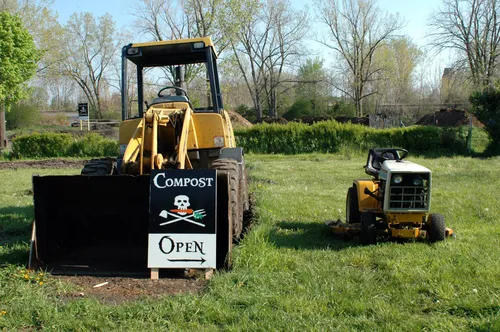
The cornerstone of Buffalo's formal food waste recycling effort is the collaboration with Farmer Pirates Compost (FFP). As the city's designated processor for the pilot program, FFP handles the collection, transportation, and composting of organic material. For a restaurant, enrolling means gaining access to a tailored service designed for commercial volume and needs. The program provides designated, latching-lid totes to ensure secure, pest-resistant containment of food scraps. A critical component is the use of compostable liner bags; standard plastic bags are a major source of contamination and are strictly prohibited.
Service frequency is typically weekly but can be adjusted based on your establishment's waste volume and seasonal factors. In warmer months, more frequent pickups may be recommended to control odors and pests effectively 1. Beyond standard curbside pickup, FFP also offers alternative solutions like drop-off locations, which can be a cost-effective option for businesses with smaller volumes or flexible staff schedules 2.
What Can and Cannot Go in Your Compost Tote
Proper sorting is the most crucial factor for a successful and compliant food scrap recycling program. Contamination with non-compostable materials can ruin entire batches of compost and may lead to service issues or additional fees.
Accepted materials generally include:
- All food scraps: vegetable peels, fruit cores, plate waste, spoiled food, meat, bones, and dairy products.
- Coffee grounds, filters, and tea bags (staples removed).
- Eggshells and nutshells.
- Bread, pasta, rice, and other grains.
- Yard trimmings like leaves and grass (if included in service).
- Approved, certified compostable paper products and liners.
Strictly prohibited items include:
- Plastic bags of any kind (except certified compostable liners).
- Glass, metal, rubber, and plastic packaging.
- Foam products, pet waste, and diapers.
- Liquids, fats, grease, and cooking oil (these typically require separate recycling streams) 3 4.
Investing in staff training on these guidelines is essential. Clear signage at prep and dish stations can dramatically reduce contamination and ensure the material collected is pure and valuable 5.
Understanding Costs and Service Options
Pricing for commercial food waste pickup in Buffalo is not a one-size-fits-all public utility rate. Costs are variable and depend on several factors specific to your operation. Service providers like Farmer Pirates Compost typically provide custom quotes based on:
- Tote Size and Quantity: The volume of waste you generate.
- Pickup Frequency: Weekly, bi-weekly, or more frequent seasonal schedules.
- Service Level: Curbside pickup versus drop-off options.
- Program Participation: Enrollment in the city's pilot program may offer different pricing structures than standard commercial service 6.
While there is an upfront cost, many restaurants find that reducing their general trash volume through composting can offset or even lower their overall waste hauling expenses. Furthermore, demonstrating a commitment to sustainability can enhance a restaurant's brand and appeal to a growing base of eco-conscious customers.
Find the perfect composting & food waste companies for your needs
Get personalized recommendations and expert advice
Steps to Start Composting at Your Restaurant
- Assess Your Volume: Track your food scrap output for a week to estimate your needs.
- Contact a Service Provider: Reach out to Farmer Pirates Compost directly through their website to discuss your needs and request a quote for commercial service 7. Inquire about availability in the city's pilot program.
- Review the Rules: Familiarize yourself and your management team with both NYSDEC regulations and your provider's specific guidelines on acceptable materials and contamination 8 9.
- Train Your Team: Implement a simple sorting system with clearly labeled bins and educate all staff on what goes where. This is the key to a clean, efficient stream.
- Set Up Your Space: Place your collection totes in convenient, accessible locations for kitchen and service staff, ensuring they have a supply of approved compostable liners.
The Broader Impact of Food Scrap Recycling
Participating in Buffalo's organics recycling program extends benefits far beyond regulatory compliance. Diverting food waste from landfills reduces methane emissions, a potent greenhouse gas. The resulting compost is used to enrich local soils, supporting agriculture and landscaping in the Western New York region, closing the loop in a local food cycle 10. For a restaurant, it's a tangible way to demonstrate environmental stewardship, reduce your carbon footprint, and contribute to a more resilient local ecosystem.
Frequently asked questions
Sources
Footnotes
-
Commercial Composting - Farmer Pirates Compost | Buffalo, NY - https://www.farmerpirates.com/commercial-composting ↩
-
Guide to Composting Sites in Buffalo & WNY - https://stepoutbuffalo.com/guide-to-composting-sites-in-buffalo-wny/ ↩
-
Curbside Composting · NYC311 - https://portal.311.nyc.gov/article/?kanumber=KA-02030 ↩
-
Commercial Organics Requirements - DSNY - NYC.gov - https://www.nyc.gov/site/dsny/businesses/materials-handling/commercial-organics-requirements.page ↩
-
Buffalo's Guide To Commercial Composting Compliance And ... - https://www.myshyft.com/blog/commercial-composting-pickup-service-contracts-buffalo-new-york/ ↩
-
Scrap It! Curbside - Buffalo Recycles - https://buffalorecycles.org/scrap-it-curbside/ ↩
-
City of Buffalo Pilot Program - Farmer Pirates Compost - https://www.farmerpirates.com/buffalo ↩
-
Guidance for New York State Businesses - NY.Gov - https://extapps.dec.ny.gov/docs/materials_minerals_pdf/excessfoodbusinesshandbook.pdf ↩
-
Adopted Part 350, Food Donation And Food Scraps Recycling - NYSDEC - https://dec.ny.gov/regulatory/regulations/adopted-part-350-food-donation-and-food-scraps-recycling ↩
-
New state law encourages more composting as local service expands - https://spectrumlocalnews.com/nys/central-ny/news/2025/04/29/law-encourages-more-composting-as-local-service-expands ↩