Find the Best Composting & Food Waste Companies for Your Business
No obligation • Fast responses • Nationwide coverage

Why you can trust Restaurant Waste Disposal
Restaurant Waste Disposal is a leading U.S. resource for comparing restaurant composting, food-waste recycling, grease trap cleaning, and used cooking oil collection services. Our editorial team researches providers, checks credentials, and organizes unbiased information so operators can make informed decisions. Companies cannot pay to change ratings or placement.
Search providers near you
Best Composting & Food Waste Companies in New York Ranked
For restaurants, hotels, and other food-related businesses in New York, managing organic waste is no longer just an environmental consideration-it's a legal requirement. Both New York State and New York City have enacted progressive laws mandating the diversion of food scraps and other organic materials from landfills. These regulations are designed to reduce greenhouse gas emissions, create valuable compost or renewable energy, and ensure edible food reaches those in need. Navigating these rules is essential for compliance, operational efficiency, and contributing to the state's sustainability goals. This guide outlines the key mandates, practical steps for implementation, and the options available for businesses to manage their organic waste effectively.
Creative Waste Solutions
New York, NY
Creative Waste Solutions is a waste management company based in New York, NY, offering comprehensive services for businesses. Their offerings include used cooking oil collection, grease trap cleaning, food waste composting, solid waste and recyclables removal, e-waste disposal, and debris removal. They provide a single point of contact for businesses with multiple locations and operate with a network of trusted companies to manage waste efficiently. With decades of experience in the waste industry, Creative Waste Solutions develops tailored waste plans and ensures proper recycling and timely service. They also offer 24/7 availability to support their clients' waste management needs.
Community Compost Company
1501 Madison St, Hoboken, NJ 07030
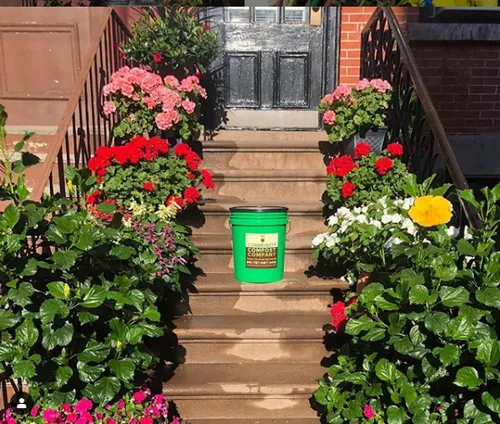
Community Compost Company provides food waste collection and composting services for restaurants and residents in New York, NY. They offer a simple system where customers collect food scraps in provided buckets for weekly pickup. The company recycles all types of food waste, including meats and dairy, transforming it into nutrient-rich compost that supports soil health and reduces landfill waste. Community Compost Company is committed to environmental education and making composting accessible to everyone.
Farmer Pirates Compost
0 Gittere St, Buffalo, NY 14211
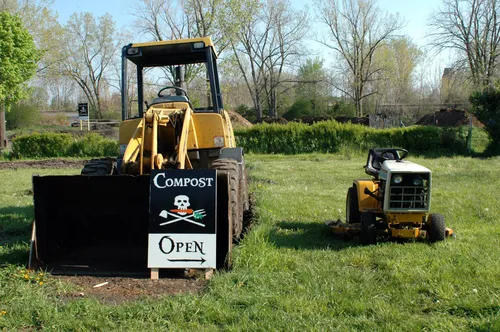
Farmer Pirates Compost is a worker-owned cooperative based in Buffalo, NY, specializing in food waste composting services for residents, businesses, schools, and municipalities. They focus on diverting food scraps from landfills and transforming them into nutrient-rich compost for local farms and gardens. Their services include residential pickup, neighborhood drop-off, commercial composting, school programs, municipal collaborations, and event composting. Since 2023, they have processed over 3.5 million pounds of food scraps and produce around 900 yards of finished compost annually. The cooperative model allows employees to participate in decision-making and ownership, reflecting their community-driven mission.

Impact Earth
1458 Monroe Ave, Rochester, NY 14618
Impact Earth offers food waste and composting services for restaurants and other businesses in Rochester, NY. They provide residential and commercial composting solutions throughout Monroe County and promote low-waste lifestyles through workshops and products. Their capability includes industrial-scale composting that accepts all food scraps, supporting waste reduction efforts for businesses and individuals.
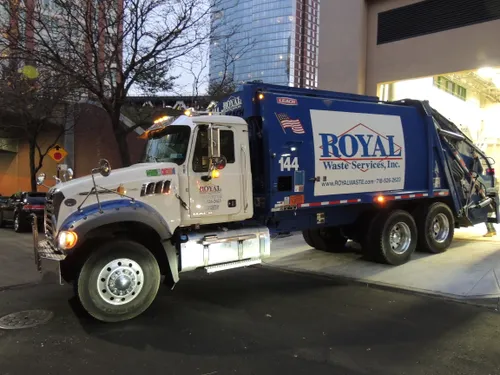
Royal Waste Services
187-40 Hollis Ave, Jamaica, NY 11423
Royal Waste Services provides comprehensive waste management solutions in New York, NY, specializing in food waste composting, trash pickup, single stream recycling, dumpster rentals, and bulk waste removal. Serving Manhattan, Bronx, Brooklyn, and Queens, they operate 24/7 to support businesses with sustainable waste diversion strategies. With over 25 years of experience, Royal Waste owns and operates in-house recycling facilities to ensure environmentally responsible disposal and compliance with NYC commercial recycling laws.
Understanding New York's Food Waste Laws
New York's approach to organic waste management involves a two-tiered system: statewide regulations and a more comprehensive program within New York City. The core principle across both is the landfill ban on organic materials, which requires covered businesses to separate and divert their food waste.
New York State Law: The Food Donation and Food Scraps Recycling Law
This law applies to businesses and institutions across the state, including those outside NYC, that generate significant amounts of food waste.
- Who is Covered? The law applies to generators of wasted food that exceeds specific weekly thresholds. It initially covers entities generating an annual average of two tons or more per week. Importantly, this threshold is scheduled to decrease, expanding the number of businesses subject to the law. It will drop to one ton per week in 2027 and 0.5 tons (1,000 pounds) per week in 2029.
- Key Requirements: Covered entities have a two-part obligation:
- Donate Excess Edible Food: First, they must donate any excess edible food to a food bank or other charitable organization.
- Recycle Remaining Scraps: All remaining food scraps must be recycled if the business is located within 25 miles of a permitted organics recycling facility (like an anaerobic digester or compost facility). This "25-mile radius" rule is also expected to expand over time, bringing more businesses into the program.
- Landfill Ban: The law effectively bans the disposal of organic materials in landfills for covered businesses, mandating diversion to recycling or donation channels 1.
New York City's Mandatory Commercial Organics Program
NYC has its own, more detailed set of rules that apply to a wide range of food-related businesses within the five boroughs.
- Who is Covered? The program mandates participation for:
- Food service establishments in hotels with 150 or more rooms.
- All food service vendors in arenas and stadiums with a seating capacity of 15,000 or more.
- Large food manufacturers and wholesalers.
- Chain restaurants (with 100 or more locations in NYC, regardless of size).
- Additionally, any business that uses a private carter for waste removal and generates a significant volume of organic waste may be required to separate it by their carter's rules, effectively broadening the mandate 2.
- Source Separation Requirements: Covered businesses must source-separate specific materials into designated containers:
- Food Scraps: All food waste, including prep scraps, spoiled food, and plate waste.
- Food-Soiled Paper: Items like used napkins, paper towels, paper plates, and uncoated cardboard soiled by food.
- Compostable Products: Certified compostable cutlery, plates, and bags.
- Proper Set-Out: Waste must be placed in labeled, latching-lid bins to prevent pests and contamination. Clear signage must also be posted for staff and customers.
Find the perfect composting & food waste companies for your needs
Get personalized recommendations and expert advice
Practical Steps for Compliance and Implementation
Transitioning to a compliant food waste recycling system involves planning, training, and choosing the right service model. Here's a breakdown of the key steps.
1. Conduct a Waste Audit
Begin by assessing your current waste stream. Determine the volume and type of organic waste you generate weekly. This will help you understand if you meet the state or city thresholds, size your collection containers appropriately, and evaluate potential cost implications.
2. Choose a Collection and Processing Method
Businesses in New York have several options for managing their separated organics:
- Private Hauling Service: This is the most common method. You contract with a licensed private carter who provides bins and regularly collects your separated organic waste for transport to a composting facility or anaerobic digester. Costs are typically based on volume and frequency of pickup.
- Self-Transport: If feasible, a business can transport its own organic waste directly to a designated drop-off site or processing facility. This requires appropriate vehicles and staff time.
- On-Site Processing: For businesses with sufficient space and capital, installing on-site technology like an in-vessel composting system or a dehydrator can be a long-term solution. This eliminates hauling fees and creates a usable product (compost), but involves significant upfront investment and operational management.
3. Invest in Infrastructure and Training
- Containers: Obtain sturdy, latching-lid bins labeled specifically for organics. NYC DSNY provides specific labeling requirements.
- Staff Training: Comprehensive training is critical for success. Staff in the front and back of house must understand what goes into the organics bin versus recycling or trash. Clear, multilingual signage at waste stations is invaluable.
- Supplier Coordination: Work with your waste hauler to establish a reliable pickup schedule and ensure they are permitted to collect and process organic materials.
Costs and Considerations
Implementing a food waste diversion program involves various costs, though savings on traditional trash disposal can offset them over time.
- Hauling Fees: Engaging a private carter for organic waste collection adds a new line item. Initial costs may be higher than regular trash service, but as you divert volume from the trash stream, your regular disposal costs should decrease. The net effect varies by business 3 4.
- Capital Costs: On-site processing systems require an upfront investment in equipment. Operational costs include energy, maintenance, and labor to manage the system 5.
- Operational Costs: Factor in the time for staff training, managing new bins, and monitoring compliance. The NYC Department of Sanitation (DSNY) offers free resources and guidance to help businesses navigate these steps efficiently 6.
The key takeaway is that New York is systematically phasing in stricter, broader rules for organic waste 7 8. Proactive planning not only ensures compliance but can also lead to operational efficiencies and a stronger sustainability profile for your business.
Frequently asked questions
Sources
Footnotes
-
Food Donation And Food Scraps Recycling Law - NYSDEC - https://dec.ny.gov/environmental-protection/recycling-composting/organic-materials-management/food-donation-scraps-recycling-law ↩
-
NYS and NYC Strengthen Food Waste Reduction Efforts - Walden - https://waldenenvironmentalengineering.com/nys-and-nyc-strengthen-food-waste-reduction-efforts/ ↩
-
New York : ReFED | Rethink Food Waste - https://policyfinder.refed.org/new-york/ ↩
-
NYC food-related businesses required to recycle organic waste - https://www.wastetodaymagazine.com/news/nyc-food-businesses-required-to-recycle-organic-waste/ ↩
-
NYC Mandatory Commercial Food Waste Program Update | BioCycle - https://www.biocycle.net/nyc-mandatory-commercial-food-waste-program-update/ ↩
-
Commercial Organics Requirements - DSNY - https://www.nyc.gov/site/dsny/businesses/materials-handling/commercial-organics-requirements.page ↩
-
Updates to New York Food Waste Recycling Law - https://harprenewables.com/updates-to-new-york-food-waste-recycling-law-what-businesses-should-know/ ↩
-
Food Waste Law for Businesses & Institutions | Orange County, NY - https://www.orangecountygov.com/2119/Food-Waste-Law-for-Businesses-Institutio ↩