Find the Best Composting & Food Waste Companies for Your Business
No obligation • Fast responses • Nationwide coverage

Why you can trust Restaurant Waste Disposal
Restaurant Waste Disposal is a leading U.S. resource for comparing restaurant composting, food-waste recycling, grease trap cleaning, and used cooking oil collection services. Our editorial team researches providers, checks credentials, and organizes unbiased information so operators can make informed decisions. Companies cannot pay to change ratings or placement.
Search providers near you
Top Composting & Food Waste Companies in Freeport, New York Ranked
For restaurant owners and food service operators in Freeport, managing organic waste responsibly is both an environmental priority and a practical business consideration. While the Village of Freeport itself does not currently offer a municipal commercial food scrap collection program, New York State regulations and growing sustainability goals make establishing a system for organics recycling a smart move. Navigating the options between private haulers, self-hauling, and understanding container and contamination rules is essential for compliance and operational efficiency. This guide outlines the key steps, local considerations, and resources to help your Freeport business implement a successful food waste diversion program.
Creative Waste Solutions
New York, NY
Creative Waste Solutions is a waste management company based in New York, NY, offering comprehensive services for businesses. Their offerings include used cooking oil collection, grease trap cleaning, food waste composting, solid waste and recyclables removal, e-waste disposal, and debris removal. They provide a single point of contact for businesses with multiple locations and operate with a network of trusted companies to manage waste efficiently. With decades of experience in the waste industry, Creative Waste Solutions develops tailored waste plans and ensures proper recycling and timely service. They also offer 24/7 availability to support their clients' waste management needs.
Community Compost Company
1501 Madison St, Hoboken, NJ 07030
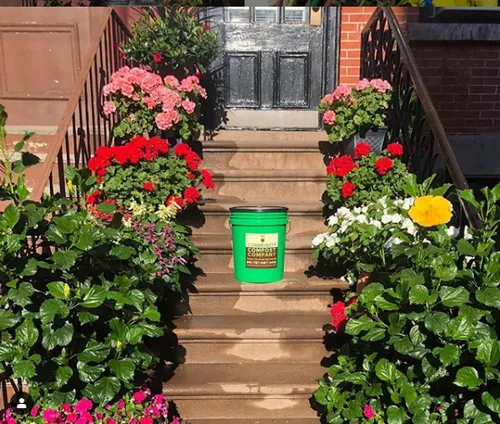
Community Compost Company provides food waste collection and composting services for restaurants and residents in New York, NY. They offer a simple system where customers collect food scraps in provided buckets for weekly pickup. The company recycles all types of food waste, including meats and dairy, transforming it into nutrient-rich compost that supports soil health and reduces landfill waste. Community Compost Company is committed to environmental education and making composting accessible to everyone.
Curbside Compost
Bridgeport, CT
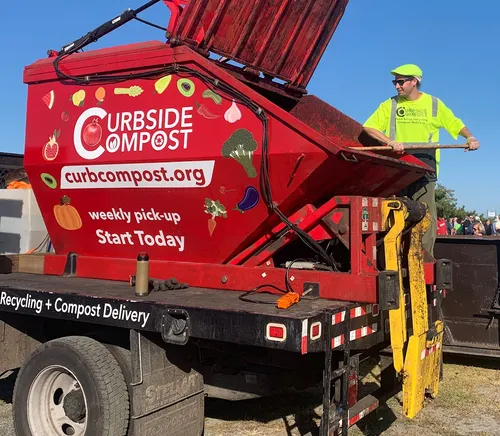
Curbside Compost provides food waste and composting services for restaurants and various other clients in Bridgeport, CT. With over 10 years of experience, they serve municipalities, food manufacturers, distribution centers, food donors, grocery stores, hospitals, assisted living facilities, country clubs, universities, schools, cafeterias, and restaurants. Their service includes weekly collection of food scraps and delivery of premium finished compost, helping reduce landfill waste through convenient composting solutions.
Royal Waste Services
187-40 Hollis Ave, Jamaica, NY 11423
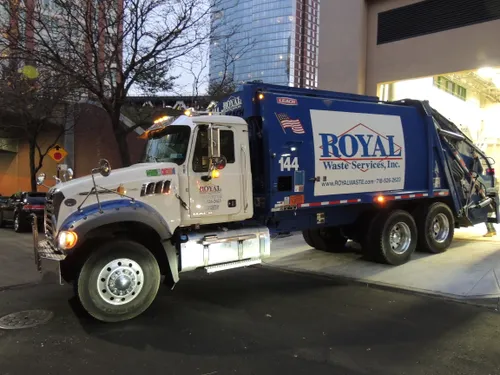
Royal Waste Services provides comprehensive waste management solutions in New York, NY, specializing in food waste composting, trash pickup, single stream recycling, dumpster rentals, and bulk waste removal. Serving Manhattan, Bronx, Brooklyn, and Queens, they operate 24/7 to support businesses with sustainable waste diversion strategies. With over 25 years of experience, Royal Waste owns and operates in-house recycling facilities to ensure environmentally responsible disposal and compliance with NYC commercial recycling laws.
Understanding the Regulatory Landscape
Before setting up a program, it's crucial to understand the rules that govern commercial organic waste. New York State Department of Environmental Conservation (NYSDEC) regulations, specifically 6 CRR-NY 361-3.2, set the framework for large-scale organics management1. While Freeport may not have a specific local mandate for all businesses, larger waste generators often fall under state oversight. The core principles enforced by haulers and processors include strict separation of food scraps from regular trash and the use of approved containers. Furthermore, if your hauler is based in or operates within New York City, they must be registered with the Business Integrity Commission (BIC), a requirement that underscores the regulated nature of waste carting in the region.
Key compliance points include:
- Separation: Food waste must be kept entirely separate from municipal solid waste. Contamination with plastics, glass, or other trash can lead to rejected loads and additional fees.
- Registration: If you choose to self-haul your organic waste to a processing facility, you may need to register with the BIC.
- Local Check: Always confirm specific rules with the Village of Freeport's Department of Public Works (DPW) or Sanitation department, as local requirements can evolve.
Service Options for Freeport Restaurants
Given the lack of a municipal curbside program for businesses, Freeport establishments typically choose one of three paths for food scrap recycling.
1. Private Hauler Collection
This is the most common solution. You contract directly with a private waste company that offers organic waste collection. These haulers provide containers, set a pickup schedule (often weekly or more frequently for high-volume kitchens), and transport the material to a permitted composting or anaerobic digestion facility.
2. Self-Hauling
For some businesses, transporting their own organic waste to a designated drop-off facility or processor can be cost-effective. This requires having appropriate vehicles and containers for transport, and you must ensure the receiving facility accepts commercial volumes. Remember to check BIC registration requirements for self-haulers.
3. On-Site Processing
For restaurants with sufficient space and volume, on-site solutions like in-vessel composters or dehydrators can be considered. These systems process food waste on your property, significantly reducing hauling needs and creating a usable end product. This option requires a larger upfront investment and ongoing management.
Find the perfect composting & food waste companies for your needs
Get personalized recommendations and expert advice
Setting Up Your Program: Containers, Schedules & Costs
A successful organics diversion program hinges on practical logistics.
Containers & Storage: Haulers typically require lidded, latching containers that are animal- and pest-resistant. Food waste is often placed inside compostable bags or paper liners within these containers to keep them clean and minimize odors 2. Container sizes vary based on your agreement, ranging from small 20-gallon bins for kitchen prep areas to large 64-gallon wheeled carts or even dumpsters for back-of-house collection.
Collection Schedules: Pickup frequency is negotiated with your private hauler and depends entirely on your waste generation rate. A high-turnover restaurant may need service several times a week, while a smaller cafe might manage with weekly pickup. Containers must be securely sealed and placed in the designated pickup location, typically the night before service3.
Understanding Costs: Pricing for private organic waste collection is not standardized and varies widely. Factors include your location in Freeport, the volume of waste, pickup frequency, and the hauler you choose. Costs are generally structured as a monthly subscription or a per-pickup fee. For estimation purposes, a small to mid-sized restaurant might see costs ranging from $50 to $150 per pickup, but obtaining quotes from multiple providers is the only way to get an accurate price for your specific operation4 5.
Preventing Contamination: The Golden Rule
Contamination-non-compostable materials mixed in with food scraps-is the single biggest disruptor to organics recycling. A contaminated load can be rejected by the processor, resulting in wasted effort and potential extra charges.
What CAN typically be included:
- Fruit and vegetable scraps
- Meat, fish, and bones
- Dairy products
- Eggshells
- Coffee grounds and filters
- Tea bags (staples removed)
- Food-soiled paper (like napkins, uncoated paper plates, pizza boxes) 6
What MUST be excluded:
- Plastic bags, wrap, or utensils
- Glass, metal, or rubber
- Styrofoam
- Cleaning chemicals
- Traditional plastic trash bags
Staff training is critical. Clear, multilingual signage above collection bins and consistent education help ensure everyone separates waste correctly from the dish pit to the prep station.
Taking Action: Your Implementation Checklist
Ready to start? Follow these steps to launch your food waste recycling program in Freeport.
- Assess Your Waste: Audit how much food waste your kitchen produces in a typical week to determine the volume of service you'll need.
- Contact Freeport DPW: Reach out to the Village of Freeport's Sanitation department to confirm there are no new local programs or specific ordinances you must follow.
- Research and Contact Haulers: Get quotes from several private carters that service Nassau County. Examples of companies operating in the wider New York area include Republic Services, Waste Management, and regional specialists like Organic Recycling Solutions or GreenCycler. Ask about their BIC status, container options, schedules, and contamination policies.
- Set Up Internally: Once you select a hauler, arrange for container delivery. Designate clear collection spots in your kitchen and create a staff training plan.
- Launch and Monitor: Start your program, monitor for contamination, and provide ongoing feedback to your team. Track your diversion rates to see your environmental impact.
Frequently asked questions
Sources
Footnotes
-
Waste Management, Composting & Recycling Permits - NYSDEC - https://dec.ny.gov/regulatory/permits-licenses/waste-management-composting-recycling-permits ↩
-
Frequently Asked Questions - CivicPlus.CMS.FAQ - https://www.freeportny.gov/faq.asp?TID=18 ↩
-
Curbside Composting · NYC311 - https://portal.311.nyc.gov/article/?kanumber=KA-02030 ↩
-
Commercial Organics Requirements - DSNY - NYC.gov - https://www.nyc.gov/site/dsny/businesses/materials-handling/commercial-organics-requirements.page ↩
-
Sanitation | Freeport, NY - Official Website - https://www.freeportny.gov/33/Sanitation ↩
-
Organics Recycling, Food Scraps and Composting - Monroe County - https://www.monroecounty.gov/des-environmentalrecycling ↩