
Find the Best Composting & Food Waste Companies for Your Business
No obligation • Fast responses • Nationwide coverage

Why you can trust Restaurant Waste Disposal
Restaurant Waste Disposal is a leading U.S. resource for comparing restaurant composting, food-waste recycling, grease trap cleaning, and used cooking oil collection services. Our editorial team researches providers, checks credentials, and organizes unbiased information so operators can make informed decisions. Companies cannot pay to change ratings or placement.
Search providers near you
Top Composting & Food Waste Companies in Winston Salem, North Carolina Ranked
For restaurants and food service establishments in Winston-Salem, managing organic waste is a critical operational and environmental consideration. While the city does not offer a municipal commercial composting program, a robust private market exists to help businesses divert food scraps and compostable materials from landfills. Navigating this landscape effectively can reduce waste disposal costs, support local sustainability goals, and comply with mandatory grease control regulations. This guide provides a detailed overview of the options, requirements, and best practices for organic waste recycling in the Twin City.
Understanding the distinction between municipal and private services is the first step. The City of Winston-Salem provides residential recycling services but directs all commercial entities, including restaurants, cafes, hotels, and grocers, to contract with private waste haulers for food waste collection and composting. This means your journey toward organics recycling begins with researching and selecting a private service provider.
Commercial Organics Recycling Providers
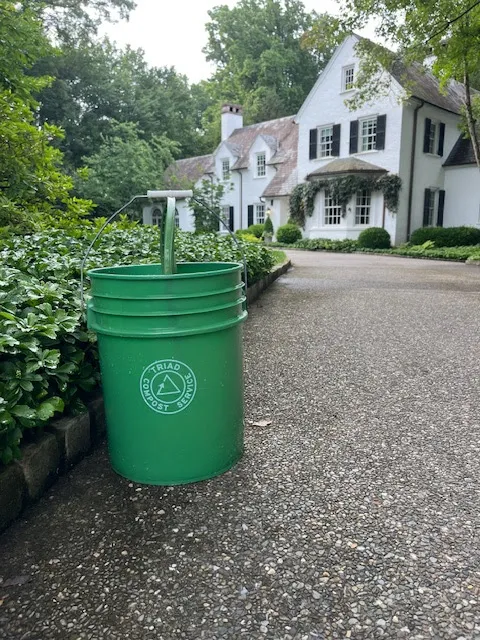
Several national and regional haulers offer food waste collection services in the Winston-Salem area. Major providers like Waste Management and Republic Services typically include organics recycling as part of their commercial service portfolios. Additionally, local or regional specialists, such as Piedmont Triad Organics, may offer tailored services focused specifically on organic material. It is essential to contact these providers directly to discuss service availability, as offerings can vary. When requesting a quote, be prepared to provide details about your weekly volume of food waste, your current trash pickup schedule, and your available space for additional containers.
What Materials Can Be Composted?
Knowing what is accepted in your organics recycling stream is crucial to avoid contamination, which can lead to rejected loads or additional fees. Private haulers in Winston-Salem generally accept a wide range of organic and compostable materials commonly generated by food service businesses.
Accepted materials typically include:
- Pre-consumer food scraps: Vegetable peelings, eggshells, coffee grounds, tea bags, and spoiled produce from kitchen prep.
- Post-consumer food scraps: Plate scrapings and uneaten food from customer plates.
- Compostable paper products: Uncoated paper napkins, paper towels, parchment paper, and plain cardboard (free of wax or plastic lining).
- Certified compostable serviceware: Items like plates, cups, utensils, and containers made from plant-based materials (e.g., PLA or fiber) that are certified compostable by standards like BPI (Biodegradable Products Institute).
Strictly prohibited materials include:
- Plastic bags (unless they are certified compostable and accepted by your specific hauler).
- Traditional plastic of any kind, including wrappers, straws, and packaging.
- Glass, metals, or aluminum foil.
- Styrofoam (polystyrene) or other foam products.
- Liquids, fats, oils, and grease (which must be handled separately via grease traps) 1.
Always confirm the specific acceptance guidelines with your chosen hauler, as rules can vary slightly between service providers.
Container Options and Collection Schedules
Service flexibility is a key advantage of private haulers. Container sizes are designed to match your business's volume, ranging from 32-gallon or 64-gallon wheeled carts-similar in appearance to standard recycling bins-to larger 1-yard or 2-yard dumpsters for high-volume producers. Your hauler will help you select the appropriate size based on your estimated weekly food waste output.
Collection frequency is equally customizable. Most restaurants start with weekly or bi-weekly pickup. However, establishments with significant daily organic waste, such as large cafeterias or high-traffic restaurants, can often arrange for daily or multiple-times-per-week collection to manage odor and space. This tailored approach ensures you only pay for the capacity and service frequency you genuinely need.
Understanding Costs and Potential Savings
The cost for commercial food waste collection in Winston-Salem is highly variable and depends on several factors: the size and number of containers, the frequency of pickup, your location, and the hauler you select. Monthly fees can range broadly, from approximately $50 to over $200 2 3. While this is an added line item, it's important to view it in the context of your total waste management spend.
For many restaurants, diverting heavy, wet organic waste to composting can actually reduce the volume and weight of material going into the general trash dumpster. If this allows you to downsize your trash container or reduce the frequency of trash pickups, the savings on your landfill disposal bill can partially or completely offset the cost of the composting service. The most accurate way to assess this is to obtain detailed quotes from haulers that compare your current waste setup with a new system that includes organics recycling.
Find the perfect composting & food waste companies for your needs
Get personalized recommendations and expert advice
Mandatory Grease Control Management
Separate from composting, all food preparation businesses in Winston-Salem are subject to strict grease control regulations managed by the City of Winston-Salem Utilities Department. This is a non-negotiable requirement for operational compliance.
Key requirements include:
- Installation: Properly sized and installed grease traps or grease interceptors.
- Maintenance: Regular cleaning and pumping of grease control devices by a licensed waste hauler.
- Record-Keeping: Maintaining logs of all grease trap cleaning and maintenance activities for inspection.
Failure to comply can lead to severe sewer blockages, environmental harm, and significant penalties. It is critical to manage this stream separately from your food scrap composting program; grease and cooking oils should never be placed in organics collection bins.
Avoiding Contamination: Best Practices for Your Team
Contamination is the primary challenge in successful organics recycling. A single plastic bag or handful of plastic utensils can render an entire load of compost unprocessable 4. Implementing clear, simple protocols for your front- and back-of-house staff is essential.
- Educate and Train: Conduct regular training sessions to ensure every team member knows what goes in the compost bin versus the trash or recycling bin. Use visual aids posted above collection stations.
- Use Clear Labeling: Label all bins with explicit, picture-based signs showing accepted and prohibited items.
- Source Certified Products: If using disposable serviceware, commit to purchasing only products that are certified compostable by recognized institutions, and verify that your hauler accepts them.
- Perform Spot Checks: Management should periodically check the contents of the organics bin before pickup to identify and correct contamination sources.
The Environmental and Community Impact
Diverting food waste from the landfill provides significant environmental benefits for the Winston-Salem community. In landfills, organic waste decomposes anaerobically (without oxygen), producing methane, a potent greenhouse gas 5 6. When composted correctly, this same material is transformed into a nutrient-rich soil amendment that can support local agriculture, landscaping, and gardening projects. By participating in organics recycling, Winston-Salem restaurants directly contribute to a circular economy, reducing their carbon footprint and supporting healthier soils in the Piedmont Triad region.
Getting Started: Your Action Plan
- Audit Your Waste: Spend a week tracking how much food waste (both pre- and post-consumer) your business generates. This data is vital for an accurate quote.
- Research Haulers: Compile a list of providers, including national companies (Waste Management, Republic Services) and local specialists.
- Request Quotes: Contact at least two or three haulers. Provide them with your waste audit data and ask for a detailed breakdown of costs for organics recycling, including potential changes to your trash service.
- Plan Your Rollout: Once you select a provider, develop an internal communication and training plan. Order any necessary indoor collection bins and coordinate the delivery of your outdoor container.
- Maintain Compliance: Ensure your grease trap maintenance remains up-to-date with the city's requirements 7 and continue to monitor your organics stream for contamination.
Taking these steps positions your restaurant as a leader in Winston-Salem's sustainability efforts, turning a waste product into a valuable resource.
Frequently asked questions
Sources
Footnotes
-
What You Can & Can't Put in Your General Waste Bin | WBS - https://wheeliebinsolutions.co.uk/blogs/advice/what-you-can-and-can-t-put-in-your-general-waste-bin ↩
-
Recycling | City of Winston-Salem, NC - https://www.cityofws.org/611/Recycling ↩
-
National Overview: Facts and Figures on Materials, Wastes and Recycling - https://www.epa.gov/facts-and-figures-about-materials-waste-and-recycling/national-overview-facts-and-figures-materials ↩
-
Food Waste Collection & Processing In Salt Lake City - https://utah.momentumrecycling.com/foodwaste/ ↩
-
Composting | US EPA - https://www.epa.gov/sustainable-management-food/composting ↩
-
Composting: Solution to Food Loss and Waste - UNEP - https://www.unep.org/ietc/news/story/composting-solution-food-loss-and-waste ↩
-
Food Service Establishments | City of Winston-Salem, NC - https://www.cityofws.org/1095/Food-Service-Establishments ↩