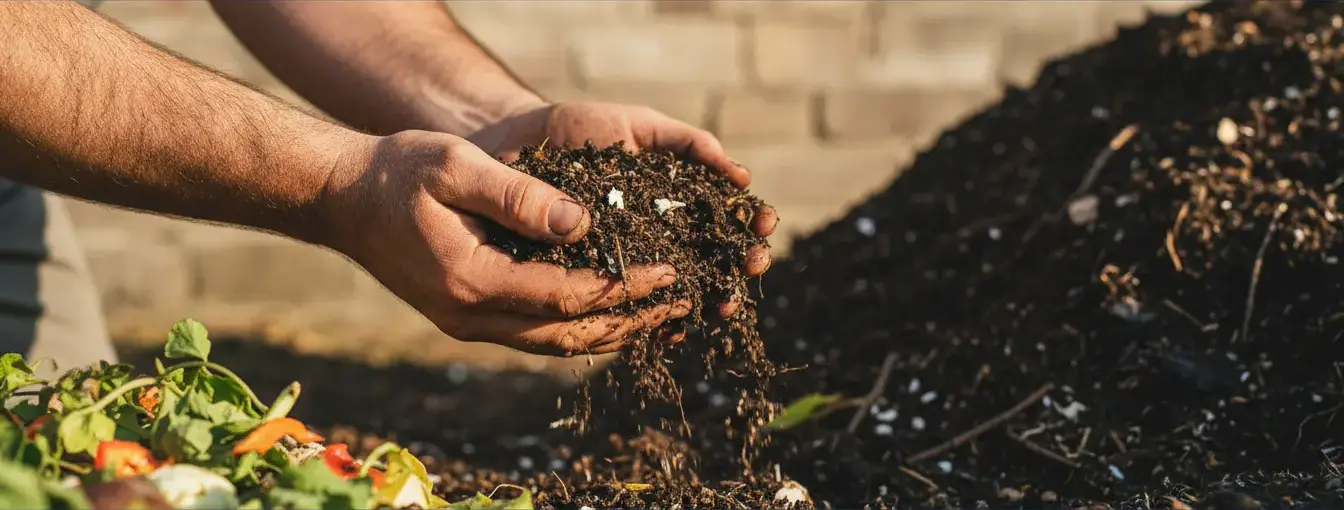
Find the Best Composting & Food Waste Companies for Your Business
No obligation • Fast responses • Nationwide coverage

Why you can trust Restaurant Waste Disposal
Restaurant Waste Disposal is a leading U.S. resource for comparing restaurant composting, food-waste recycling, grease trap cleaning, and used cooking oil collection services. Our editorial team researches providers, checks credentials, and organizes unbiased information so operators can make informed decisions. Companies cannot pay to change ratings or placement.
Search providers near you
Best Composting & Food Waste Companies in North Carolina Ranked
For restaurant owners and operators in North Carolina, managing food waste is both a practical challenge and a significant opportunity. While the state does not mandate commercial organics recycling, a growing network of private haulers, local government programs, and drop-off locations makes diverting food scraps from the landfill an accessible and often economically beneficial choice. By embracing food waste recycling, North Carolina restaurants can reduce disposal costs, meet customer expectations for sustainability, and contribute to the creation of nutrient-rich compost for local agriculture. This guide outlines the current landscape, available services, and practical steps to implement a successful organics diversion program in your establishment.
Greenway Waste Solutions
5600 Lakeview Rd, Charlotte, NC 28269
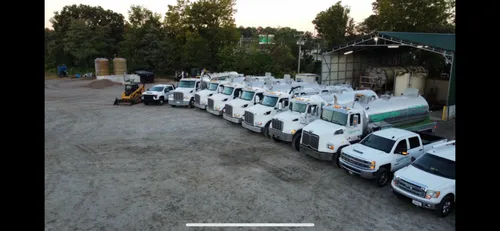
Greenway Waste Solutions is a family-owned company based in Charlotte, NC, specializing in grease trap pumping, septic tank cleaning, and drain cleaning services for restaurants and food service establishments. They operate a state-of-the-art processing facility where grease and food waste are separated and converted into compost, supporting sustainability efforts. The company has over 20 years of industry experience and is certified to haul grease and septic waste in North and South Carolina. Greenway offers 24/7 customer support and serves Charlotte and surrounding areas including Belmont, Concord, and Rock Hill.
Crown Town Compost
Charlotte, NC
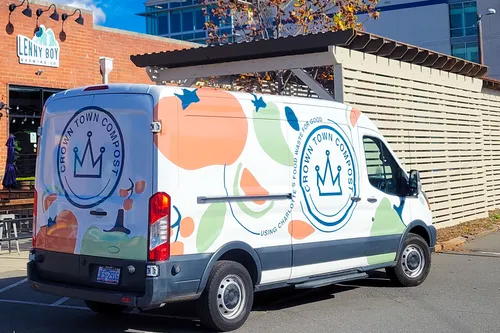
Crown Town Compost provides food waste composting services for homes and businesses in Charlotte, NC. They offer convenient bin pick-up and drop-off options to help clients divert compostable waste from landfills. The company processes food scraps into nutrient-rich compost, which is then shared with members to support soil health and sustainable gardening. Crown Town Compost serves a variety of clients including restaurants, coffee shops, offices, and residential customers, making composting easy and clean.
Atlas Organics
2115 E Club Blvd, Durham, NC 27704
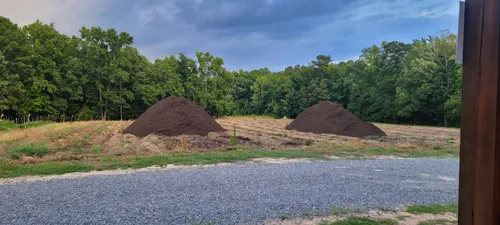
Atlas Organics provides food waste and composting services for restaurants and businesses in Chapel Hill, NC. They focus on recycling organic waste to reduce landfill use and produce quality soil amendments for landscapers, farmers, nurseries, and home growers. The company also assists municipalities in establishing composting facilities, supporting sustainable agriculture and landscaping practices across the Southeast.
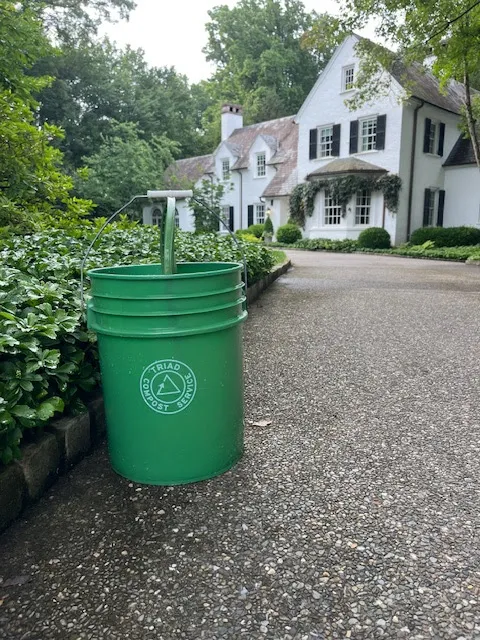
Ingleside Composting Facility
3001 Ingleside Dr, High Point, NC 27265
Ingleside Composting Facility provides food waste composting services primarily for restaurants in Greensboro, NC. The facility specializes in processing organic waste to support sustainable waste management practices in the area.
Understanding North Carolina's Approach to Food Waste
North Carolina's strategy for managing commercial food waste is primarily voluntary and incentive-based. There is no statewide law that bans food waste from landfills or requires restaurants to compost1 2. Instead, state policy, led by the North Carolina Department of Environmental Quality (NC DEQ), promotes a waste hierarchy that prioritizes source reduction, recycling, and composting over disposal 3.
The NC DEQ supports this through initiatives like Use the Food NC, which provides resources, toolkits, and maps to help businesses and consumers reduce and divert food waste. This voluntary framework means that participation is driven by local infrastructure, cost considerations, and a business's own sustainability goals. The upside is flexibility; the downside can be a lack of uniform service availability across all 100 counties.
Local Programs and Incentives
Although statewide mandates are absent, several forward-thinking counties and municipalities have developed programs to encourage commercial food waste diversion.
- Orange County: Orange County offers a notable Commercial Food Waste Program with direct incentives. Businesses that generate more than two tons of organic waste per month (or partner with others to meet that threshold) can receive assistance with separating organics. A key benefit is the potential to significantly lower trash hauling fees by reducing the volume of garbage sent to the landfill 4.
- Durham: The City of Durham has piloted food waste collection programs, providing participating businesses with curbside carts for collection and kitchen containers for source separation5.
- Drop-Off Networks: For restaurants without access to curbside pickup, the NC DEQ maintains a map of residential and commercial food scrap drop-off locations across the state. While some are for residents only, many accept material from local businesses, providing a viable option for smaller volumes or those in areas without collection services.
Private Hauling and Collection Services
The backbone of commercial organics recycling in North Carolina is a robust network of private haulers and compost processors. These companies offer tailored services for restaurants, from weekly pickups of dedicated bins to large-volume container service.
Statewide and Regional Haulers:
- Organix Recycling and Valley Proteins are larger operators offering services in multiple regions.
- CompostNow serves the Triangle area (Raleigh-Durham-Chapel Hill) and Asheville.
- Crown Town Compost operates in the Charlotte metro area.
- Wilmington Compost Company serves the Wilmington region.
Compost Facilities with Direct Collection: Some composting facilities also offer direct collection services. Examples include Brooks Compost, McGill Compost, and Earth Farms Organics.
What Can Be Composted? Accepted materials vary by hauler but typically include:
- Pre-consumer kitchen scraps (peels, trimmings, spoiled produce)
- Post-consumer food scraps (plate waste)
- BPI-certified compostable packaging and serviceware
- Many providers also accept meat, bones, and dairy, which are not always suitable for backyard composting.
Find the perfect composting & food waste companies for your needs
Get personalized recommendations and expert advice
Costs, Savings, and Benefits for Restaurants
Implementing a food waste diversion program involves cost, but it is frequently offset by savings and other benefits.
Cost Structure: Pricing varies by hauler, collection frequency, and volume. Typically, a restaurant will pay a separate monthly fee for organics collection, which is often lower than the fee for landfill-bound trash disposal 6.
Potential for Net Savings: The most direct financial benefit comes from reducing trash hauling fees. By diverting heavy, wet organics from the garbage stream, a restaurant can often downsize its trash dumpster or reduce pickup frequency. For some businesses, the savings on trash service can exceed the cost of compost collection, resulting in a net reduction in total waste disposal expenses.
Additional Benefits:
- Sustainability Leadership: Demonstrating a commitment to the environment aligns with growing consumer preferences and can enhance your brand.
- Waste Audits: The process of setting up diversion often involves a waste audit, which can identify opportunities to reduce food waste at the source, leading to direct savings on food costs.
- Community Participation: Supporting local composters closes the loop, returning nutrients to North Carolina soils.
How to Start a Program at Your Restaurant
Taking the first steps toward food waste recycling is straightforward.
- Conduct a Waste Audit: Spend a week sorting and weighing your food waste (both pre- and post-consumer). This data is crucial for understanding your volume, which will help you choose the right service level and accurately assess potential cost savings7.
- Research Local Options: Identify providers servicing your area. Contact private haulers like those listed above and reach out to your local county recycling coordinator (especially in Orange, Durham, or other urban counties). They can provide specific information on local programs, incentives, and drop-off sites8 9 10.
- Utilize State Resources: Visit the NC DEQ's Use the Food NC for Businesses website. It offers toolkits, case studies, and guidance to help you plan and implement your program.
- Engage Your Team: Successful diversion requires staff buy-in. Provide clear training on what goes into the compost bin versus the trash or recycling. Proper signage and convenient bin placement in the kitchen and dish area are essential.
The Future of Food Waste in NC
The landscape of organics recycling in North Carolina is evolving. While voluntary today, increased focus on landfill diversion and climate goals may lead to more local ordinances or state-level discussions in the future. By starting a program now, restaurants can get ahead of potential regulations, optimize their systems, and solidify their role as community environmental stewards. The infrastructure-from haulers to processors-is actively growing, making now an excellent time to explore how composting can work for your business.
Frequently asked questions
Sources
Footnotes
-
North Carolina Food Waste Policy Gap Analysis and Inventory (PDF) - https://www.nrdc.org/sites/default/files/nc-food-waste-policy-gap-report.pdf ↩
-
North Carolina - Rethink Food Waste - ReFed Policy Finder - https://policyfinder.refed.org/north-carolina/ ↩
-
NC ORGANICS RECYCLING STUDY: MATERIALS MANAGED 2011 ... - https://www.deq.nc.gov/environmental-assistance-and-customer-service/composting/nc-organics-recycling-study-2016/download ↩
-
Commercial Recycling | Orange County, NC - https://www.orangecountync.gov/1008/Commercial-Recycling ↩
-
Food Waste Collection Pilot | Durham, NC - https://www.durhamnc.gov/4625/Food-Waste-Collection-Pilot ↩
-
Commercial Organics Recycling Law - https://portal.ct.gov/deep/waste-management-and-disposal/organics-recycling/commercial-organics-recycling-law ↩
-
Use the Food NC for Businesses - NC DEQ - https://www.deq.nc.gov/about/divisions/environmental-assistance-and-customer-service/recycling-and-materials-management/use-food-nc/use-food-nc-businesses ↩
-
State Of Organics Recycling In North Carolina - BioCycle - https://www.biocycle.net/state-of-organics-recycling-in-north-carolina/ ↩
-
Commercial Food Waste Program - Orange County, NC - https://www.orangecountync.gov/3668/Commercial-Food-Waste-Program ↩
-
Use the Food NC for Consumers | NC DEQ - https://www.deq.nc.gov/about/divisions/environmental-assistance-and-customer-service/recycling-and-materials-management/use-food-nc/use-food-nc-consumers ↩