Find the Best Composting & Food Waste Companies for Your Business
No obligation • Fast responses • Nationwide coverage

Why you can trust Restaurant Waste Disposal
Restaurant Waste Disposal is a leading U.S. resource for comparing restaurant composting, food-waste recycling, grease trap cleaning, and used cooking oil collection services. Our editorial team researches providers, checks credentials, and organizes unbiased information so operators can make informed decisions. Companies cannot pay to change ratings or placement.
Search providers near you
Top Composting & Food Waste Companies in Greensboro, North Carolina Ranked
For restaurants and food service businesses in Greensboro, managing organic waste is a critical operational and environmental consideration. While municipal services for food scrap collection are limited for commercial entities, a growing network of private providers offers tailored solutions to divert waste from landfills. Implementing a robust food waste recycling program can reduce disposal costs, enhance sustainability credentials, and contribute to the city's broader environmental goals. This guide outlines the pathways available for Greensboro businesses to effectively handle compostable materials and food scraps.
Understanding Greensboro's Waste Landscape for Businesses
The City of Greensboro's municipal waste services are primarily designed for residential customers. For commercial establishments, including restaurants, the rules are clear: any business generating more than the equivalent of two standard 96-gallon trash carts of waste must contract with a private hauler for all trash and recycling services1. This regulation inherently pushes restaurants toward private sector solutions for specialized streams like organic waste. While the city has successfully piloted residential food waste drop-off programs at partner locations 2, these are not scalable solutions for the volume and consistency required by a commercial kitchen. Therefore, engaging a dedicated organic waste hauler is not just an option for most restaurants; it's a necessity for compliant and sustainable operations.
Private Commercial Composting Services
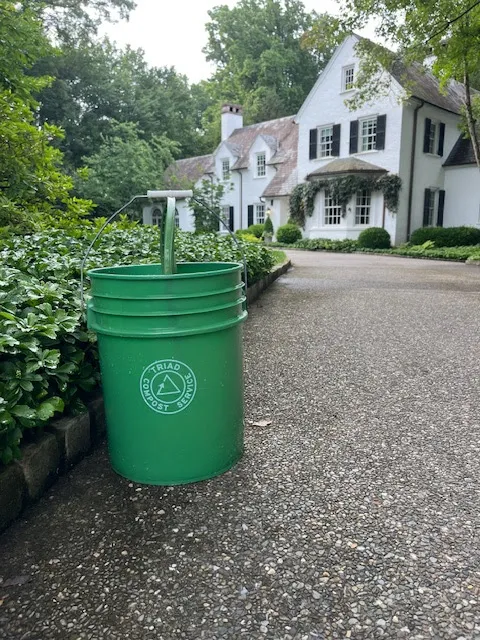
The recommended route for Greensboro restaurants is to partner with a private commercial composting service. These providers specialize in the logistics of organic waste, offering end-to-end solutions that municipal programs cannot match. A key local operator in this space is Triad Compost Service, which works directly with businesses to create customized food waste recycling plans. These services typically include the supply of dedicated collection bins, establishment of a reliable pickup schedule, and transportation of the material to a commercial composting facility where it is processed into nutrient-rich soil amendment.
The advantage of a private service is its flexibility. A provider can tailor the container size (such as green carts or toters), collection frequency (daily, weekly, or as-needed), and service scope to fit the unique output and back-of-house space of your restaurant. This personalized approach helps ensure the program is practical for staff to use and cost-effective for the business to maintain.
What Can and Cannot Be Composted
A successful program hinges on preventing contamination. Placing non-compostable items in the organic waste stream can ruin entire loads, causing them to be rejected and sent to a landfill3. Clear staff training on accepted materials is essential.
Accepted Items in Private Commercial Programs:
- All food scraps, including fruits, vegetables, and grains.
- Proteins such as meat, fish, poultry, and bones.
- Dairy products and eggs.
- Coffee grounds with unbleached paper filters.
- Unbleached paper towels and napkins.
- Plant-based, certified compostable serviceware (e.g., plates, cups, utensils).
Common Contaminants to Exclude:
- All plastics, including so-called "biodegradable" bags that are not certified compostable.
- Glass, metal, and Styrofoam.
- Produce stickers and small plastic films.
- Traditional plastic-lined paper products.
- Liquids and cooking oils (which require separate grease trap or used oil recycling services).
Containers, Collection, and Contamination Control
Your service provider will supply appropriate collection bins, which are often distinctly colored (like green) to differentiate them from trash and recycling. For hygiene and convenience, many businesses use certified compostable bags as liners for these bins; regular plastic bags are a major source of contamination and are strictly prohibited4.
The collection schedule is arranged between your business and the hauler. A reliable pickup rhythm is crucial to managing odor and space in a busy kitchen. The cost of service is not fixed; it varies based on the volume of waste, frequency of pickup, and the specific provider. Businesses should contact providers like Triad Compost Service for a detailed quote based on their estimated needs5. It's important to view this not just as a cost, but as an investment in waste diversion and operational efficiency.
Find the perfect composting & food waste companies for your needs
Get personalized recommendations and expert advice
Implementing a Program in Your Restaurant
Starting a food waste diversion program requires a small but focused effort. Follow these steps to ensure a smooth launch and sustained success:
- Contact and Choose a Provider: Reach out to local commercial compost haulers to discuss your needs, request quotes, and understand their service agreements. Selecting a provider that offers educational support can be a significant benefit.
- Conduct a Waste Audit: Briefly assess the types and volumes of food waste your kitchen produces. This helps determine the right bin sizes and pickup frequency.
- Set Up the Infrastructure: Work with your hauler to receive the appropriate bins and place them strategically in prep areas, dish rooms, and anywhere food waste is generated. Ensure compostable liner bags are available.
- Train Your Team Thoroughly: This is the most critical step. Hold training sessions for all staff, using clear signage (often provided by the hauler) that lists accepted and prohibited items directly on or near the bins. Emphasize the importance of keeping contaminants out6 7.
- Monitor and Adjust: Check the bins periodically, especially in the beginning, to catch and correct contamination. Provide feedback to your team and adjust bin placement or training as needed.
The Benefits Beyond Compliance
Adopting a commercial composting program offers tangible benefits. Diverting heavy, wet food waste from the trash can potentially reduce the volume and weight of your general waste, sometimes leading to savings on trash hauling fees. It demonstrates a commitment to environmental stewardship, a value increasingly important to customers and employees. Furthermore, it transforms waste into a resource, contributing to the creation of compost that can enrich local soils, closing the loop in the local food system.
Frequently asked questions
Sources
Footnotes
-
Business Collection - Greensboro-nc.gov - https://www.greensboro-nc.gov/departments/solid-waste-and-recycling/trash/business-collection ↩
-
A food waste collection program in Greensboro is set to expand - https://www.wfdd.org/2024-03-19/a-food-waste-collection-program-in-greensboro-is-set-to-expand ↩
-
#RecycleRight | Greensboro, NC - https://www.greensboro-nc.gov/recycleright ↩
-
Compost program expands - https://spectrumlocalnews.com/nc/charlotte/news/2024/05/06/greensboro-compost-program-expands- ↩
-
Triad Compost Service - https://www.triadcompostservice.com/ ↩
-
Successful food waste pilot program expands in Greensboro - https://www.wfmynews2.com/article/news/local/food-waste-collection-program-expands-in-greensboro/83-59e36923-c2e3-4dd6-bc18-64e2f07bf896 ↩
-
Understanding and Instructions for Composting at Your restaurant - https://www.kimecopak.ca/blogs/news/understanding-and-instructions-for-composting-at-your-restaurant ↩