Find the Best Composting & Food Waste Companies for Your Business
No obligation • Fast responses • Nationwide coverage

Why you can trust Restaurant Waste Disposal
Restaurant Waste Disposal is a leading U.S. resource for comparing restaurant composting, food-waste recycling, grease trap cleaning, and used cooking oil collection services. Our editorial team researches providers, checks credentials, and organizes unbiased information so operators can make informed decisions. Companies cannot pay to change ratings or placement.
Search providers near you
Top Composting & Food Waste Companies in Charlotte, North Carolina Ranked
For Charlotte restaurants committed to sustainability, managing organic waste is both an environmental imperative and a practical operational challenge. Unlike some cities with municipal organics collection, Charlotte's commercial food scrap recycling landscape is primarily served by a network of private haulers and specialized providers. This means establishing an effective food waste diversion program requires proactive research, vendor selection, and staff training. Implementing a robust composting system can significantly reduce your landfill footprint, support local soil health, and align with the growing consumer demand for eco-conscious businesses. Navigating the specifics-from container choices to contamination rules-is key to a successful and compliant program.
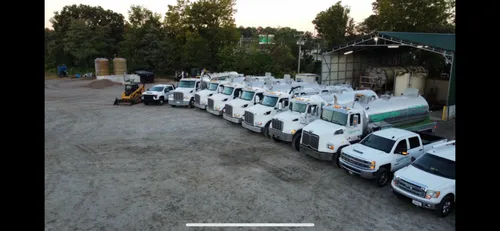
Greenway Waste Solutions
5600 Lakeview Rd, Charlotte, NC 28269
Greenway Waste Solutions is a family-owned company based in Charlotte, NC, specializing in grease trap pumping, septic tank cleaning, and drain cleaning services for restaurants and food service establishments. They operate a state-of-the-art processing facility where grease and food waste are separated and converted into compost, supporting sustainability efforts. The company has over 20 years of industry experience and is certified to haul grease and septic waste in North and South Carolina. Greenway offers 24/7 customer support and serves Charlotte and surrounding areas including Belmont, Concord, and Rock Hill.
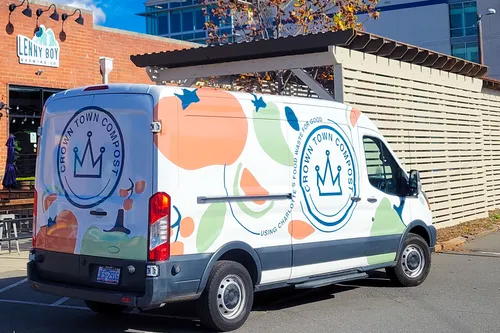
Crown Town Compost
Charlotte, NC
Crown Town Compost provides food waste composting services for homes and businesses in Charlotte, NC. They offer convenient bin pick-up and drop-off options to help clients divert compostable waste from landfills. The company processes food scraps into nutrient-rich compost, which is then shared with members to support soil health and sustainable gardening. Crown Town Compost serves a variety of clients including restaurants, coffee shops, offices, and residential customers, making composting easy and clean.
Understanding Charlotte's Organics Recycling Landscape
Charlotte's approach to commercial food waste is decentralized. The City of Charlotte's Solid Waste Services provides essential trash and recycling collection for businesses, but its role in organic waste is limited. The city offers grease and used cooking oil recycling for special events, but does not provide comprehensive food scrap collection for restaurants as a standard service. Consequently, establishing a commercial composting program is a private-sector endeavor. Restaurants must contract directly with permitted private haulers who specialize in organic material collection and processing.
This model offers both flexibility and responsibility. You can choose a provider whose services, schedule, and cost structure match your establishment's specific waste generation patterns. However, it also places the onus on you to vet providers, understand contracts, and ensure your team follows the hauler's specific guidelines to avoid service issues or contamination fees.
Key Private Service Providers for Restaurants
Several local companies have built services around Charlotte's commercial food waste needs. Engaging with these providers is the first step.
- Crown Town Compost: A well-known local service that partners with community organizations like the Carolina Farm Trust. They offer commercial pickup services, providing bins and establishing a regular collection schedule tailored to your volume.
- Scrap Daddy Composting: Another prominent local hauler offering "Compost at Work" programs for businesses. They provide containers and education to help restaurants seamlessly integrate food scrap separation into daily operations.
- Other Permitted Haulers: The market includes other regional and national waste service companies permitted to collect organic materials. It's advisable to get quotes and service details from multiple providers to find the best fit.
When contacting these providers, be prepared to discuss your average weekly food waste volume, available space for containers, and desired pickup frequency. They will conduct an assessment to recommend an appropriate service level.
Setting Up Your System: Containers and Logistics
Once you select a hauler, they will work with you to set up the physical system. This typically involves:
- Container Provision: Your hauler will supply the collection bins. These are often 32-gallon or 64-gallon wheeled carts, similar to residential recycling bins but designated for organics. Some providers may offer smaller countertop collection pails for kitchen lines 1.
- Liners: Many providers require or offer specific compostable bag liners to keep containers clean and simplify collection. It is critical to use only bags approved by your hauler, as even bags marketed as "compostable" may not be accepted by their processing facility.
- Pickup Schedule: Frequency is not one-size-fits-all. A fine-dining restaurant with significant prep waste may need pickups several times a week, while a smaller café might manage with a weekly service. Your schedule will be agreed upon with your hauler based on your generation rate and container capacity.
Proper placement of containers is crucial for staff adoption. Place small, clearly labeled bins in key prep and dishwashing areas. Ensure the larger outdoor collection cart is easily accessible for both staff and the hauler's truck.
The Cardinal Rule: Preventing Contamination
This is the most critical aspect of a successful food waste recycling program. Contamination-the presence of non-compostable materials in the organics stream-can render an entire load unusable, leading to rejected pickups or additional fees 2. Clear, consistent staff training is non-negotiable.
What CAN Go in Your Food Scrap Bin:
- All food scraps: fruits, vegetables, meat, bones, dairy, eggs, bread, and grains.
- Coffee grounds and filters, tea bags (staples removed).
- Food-soiled paper products: napkins, paper towels, uncoated paper plates, and cardboard pizza boxes (free of wax or plastic lining).
- Compostable paper products certified to meet specific standards (verify with your hauler).
What MUST STAY OUT (NO Exceptions):
- Plastics: This includes plastic bags, packaging, utensils, and straws. This is the most common contaminant.
- "Compostable" Plastics: Unless explicitly approved by your hauler, these often do not break down in local composting facilities and should be excluded 3.
- Glass, Metal, and Foil.
- Styrofoam or other foam products.
- Liquids and Grease: Used cooking oil and grease trap waste require separate, specialized recycling streams 4 5.
Find the perfect composting & food waste companies for your needs
Get personalized recommendations and expert advice
Navigating Costs and Service Contracts
Investing in organic waste recycling involves a monthly operational cost, but it can also offset trash disposal expenses by reducing the volume of your standard waste stream. Pricing is not standardized and varies based on several factors:
- Volume and Frequency: The size and number of containers, along with how often they are emptied, are the primary cost drivers. More frequent pickups for higher volume will cost more.
- Hauler and Service Level: Different companies have different pricing models. Some may charge a flat monthly fee, while others base it on volume picked up.
- Location and Accessibility: Ease of access for collection trucks can influence price.
Reports indicate that for smaller-volume generators, monthly fees can start in the range of $50-$100, but this can increase significantly for larger restaurants with daily pickups 6 7. The only way to get an accurate estimate is to request detailed quotes from multiple providers like Crown Town Compost and Scrap Daddy Composting 8 9 6. Be sure the quote clearly outlines all fees, including any potential charges for contamination or extra pickups.
The Broader Impact and Compliance
Beyond cost, participating in food waste diversion positions your restaurant as a community leader in sustainability. The compost created from your food scraps is processed locally and often sold or donated for use in agriculture and landscaping, closing the nutrient loop right here in the Carolinas 10. This contributes to soil health, reduces greenhouse gas emissions from landfills, and supports a circular economy.
While Charlotte does not yet mandate commercial food waste recycling, being proactive prepares your business for potential future regulations. It also meets the expectations of an increasingly environmentally conscious customer base and can be a powerful point of differentiation in your marketing. A successful program demonstrates a genuine commitment to the health of the Charlotte community and its natural environment.
Frequently asked questions
Sources
Footnotes
-
Solid Waste and Restrooms - City of Charlotte - https://www.charlottenc.gov/Services/Permits/Event-Permits/Solid-Waste-Restrooms ↩
-
Why Didn't My Trash Get Picked Up? - Angie's List - https://www.angi.com/articles/my-trash-didnt-get-picked-here-are-your-options.htm ↩
-
Composting - Recycling - UNC Charlotte - https://recycling.charlotte.edu/special-services/composting/ ↩
-
City of Charlotte Solid Waste Services - Administrative Policy - https://www.charlottenc.gov/files/sharedassets/city/v/1/services/documents/sws_administrative_policy_january_2018.pdf ↩
-
EXPO Food Safety - Restaurant Waste Solutions - https://restaurantdisposal.com/provider/expo-food-safety-charlotte-nc ↩
-
Charlotte's Guide To Commercial Composting Compliance - https://www.myshyft.com/blog/commercial-composting-pickup-service-contracts-charlotte-north-carolina/ ↩ ↩2
-
Charlotte's Complete Commercial Waste Disposal Operations ... - https://www.myshyft.com/blog/commercial-waste-disposal-services-charlotte-north-carolina/ ↩
-
Our Partners - Carolina Farm Trust - https://carolinafarmtrust.org/our-partners/ ↩
-
Commercial Composting | Scrap Daddy Composting - https://www.scrapdaddycomposting.com/compost-at-work ↩
-
North Carolina's Food Waste Compost Capacity Gap - https://www.deq.nc.gov/environmental-assistance-and-customer-service/composting/north-carolina-2022-compost-capacity-report/download?attachment= ↩