Find the Best Composting & Food Waste Companies for Your Business
No obligation • Fast responses • Nationwide coverage

Why you can trust Restaurant Waste Disposal
Restaurant Waste Disposal is a leading U.S. resource for comparing restaurant composting, food-waste recycling, grease trap cleaning, and used cooking oil collection services. Our editorial team researches providers, checks credentials, and organizes unbiased information so operators can make informed decisions. Companies cannot pay to change ratings or placement.
Search providers near you
Top Composting & Food Waste Companies in Mooresville, North Carolina Ranked
For restaurants and food service businesses in Mooresville, managing organic waste responsibly is a key operational and environmental consideration. While the town does not offer a municipal food scrap collection program, local establishments have access to private haulers and specialized services for commercial composting and food waste recycling. Navigating these private options involves understanding container choices, pickup schedules, contamination rules, and associated costs to find a solution that fits your business's volume and sustainability goals. This guide outlines the essential information for Mooresville businesses looking to implement or improve their organic waste diversion practices.
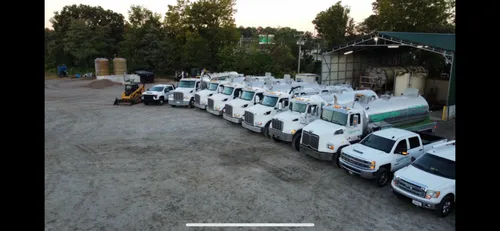
Greenway Waste Solutions
5600 Lakeview Rd, Charlotte, NC 28269
Greenway Waste Solutions is a family-owned company based in Charlotte, NC, specializing in grease trap pumping, septic tank cleaning, and drain cleaning services for restaurants and food service establishments. They operate a state-of-the-art processing facility where grease and food waste are separated and converted into compost, supporting sustainability efforts. The company has over 20 years of industry experience and is certified to haul grease and septic waste in North and South Carolina. Greenway offers 24/7 customer support and serves Charlotte and surrounding areas including Belmont, Concord, and Rock Hill.
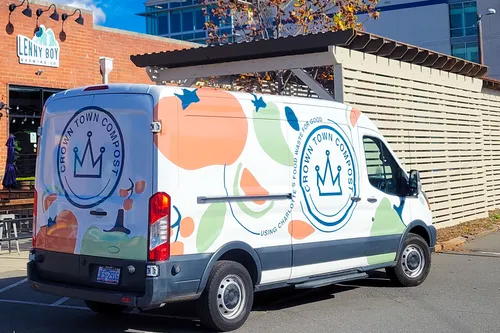
Crown Town Compost
Charlotte, NC
Crown Town Compost provides food waste composting services for homes and businesses in Charlotte, NC. They offer convenient bin pick-up and drop-off options to help clients divert compostable waste from landfills. The company processes food scraps into nutrient-rich compost, which is then shared with members to support soil health and sustainable gardening. Crown Town Compost serves a variety of clients including restaurants, coffee shops, offices, and residential customers, making composting easy and clean.
Understanding Mooresville's Waste Landscape
The Town of Mooresville provides bi-weekly trash and recycling collection for residents, but commercial entities, including restaurants, are responsible for arranging their own waste services. This extends to organic material management. There is no city-wide mandate or public program for commercial food waste, meaning the initiative to compost falls entirely on individual businesses. Consequently, restaurants must proactively seek out and contract with private waste management companies that offer organic recycling as a service. This private-sector approach offers flexibility but requires due diligence to find a reliable partner.
Private Hauler Services for Organic Waste
Several national and regional waste management companies operate in the Mooresville area and provide commercial food scrap collection. These providers handle the logistics of collecting organic waste and transporting it to industrial composting facilities where it is processed into nutrient-rich soil amendments.
- Waste Management: A major national provider serving the Mooresville region, offering comprehensive commercial waste solutions that can include organic recycling programs.
- Waste Pro: Another significant hauler in the area that may provide food waste collection services for businesses upon request.
- Local/Regional Haulers: Smaller, local companies may also offer tailored organic waste pickup. It's advisable to search for "commercial composting" or "food waste recycling" services specific to the Lake Norman region.
The first step is to contact these providers directly to inquire about service availability, request a quote, and understand their specific program requirements.
Key Components of a Commercial Food Waste Program
Implementing a successful organics diversion program involves several practical components, from the bins in your kitchen to the rules about what can go inside.
Container Types and Sizes
Commercial haulers typically offer a range of container options to suit different kitchen sizes and waste volumes. This scalability allows a small café and a large restaurant to each find a suitable setup.
- Small-Scale (5-20 Gallons): Ideal for businesses with limited space or lower waste output. Options include 5-gallon countertop pails or 13-20 gallon totes, often used with compostable liner bags for easy transport.
- Mid to Large-Scale (32-96 Gallons): The most common solution for full-service restaurants. These are wheeled carts (similar to standard trash carts) with locking lids to contain odors and pests. They can be stored in kitchen or back-alley areas for easy pickup.
- Roll-Off Containers (1-8 Cubic Yards): For very high-volume producers, such as large banquet halls or food processing facilities, dumpster-style containers may be available.
Your chosen hauler will help determine the appropriate size and number of containers based on your estimated weekly food scrap generation.
Pickup Schedule and Logistics
Frequency of pickup is a critical and flexible part of your service contract. It is directly tied to your container size and how quickly you fill it, which is influenced by your business's volume and menu.
- High-Frequency (Daily/Every Other Day): Necessary for establishments generating large amounts of waste, especially those dealing with significant produce prep or lacking substantial cold storage. This prevents odor, pest issues, and container overflow.
- Standard Frequency (Weekly/Bi-Weekly): Often sufficient for many restaurants, particularly when paired with an adequately sized cart. Your hauler will establish a regular pickup day.
- On-Call or As-Needed: Some providers may offer this for irregular volumes, though scheduled pickups are more common.
Coordinating the pickup location and ensuring clear access for the hauler's truck is an important logistical detail to establish during contract setup.
Contamination Guidelines: What Can and Cannot Be Composted
Adhering to contamination rules is paramount for a successful program. Contaminants can ruin entire loads of compost, leading to potential rejection and extra fees. While specific rules can vary slightly by hauler and their processing facility, general guidelines are consistent.
Accepted Materials Typically Include:
- All food scraps (fruits, vegetables, grains)
- Coffee grounds and filters, tea bags (staples removed)
- Eggshells and nutshells
- Soiled, non-recyclable paper products (napkins, paper towels, uncoated paper plates, pizza boxes)
- BPI-Certified compostable plastics and bags (look for the logo)
Common Contaminants to Exclude:
- Plastic bags (unless specifically BPI-certified compostable)
- Liquids, oils, and grease
- Meat, bones, and dairy products (some facilities accept these, but many commercial programs restrict them due to odor and pest concerns)
- Styrofoam (polystyrene) of any kind 1
- Glass, metal, and plastic packaging
- Diapers, pet waste, or sanitary products
Clear signage and staff training are essential to minimize contamination and ensure the program runs smoothly.
Find the perfect composting & food waste companies for your needs
Get personalized recommendations and expert advice
Costs and Considerations for Your Business
Investing in food waste recycling involves operational costs, but it can also lead to potential savings and aligns with growing consumer expectations for sustainable practices.
Understanding Pricing Structures
Pricing for private commercial composting services is not standardized and requires a direct quote from providers 2. Costs are influenced by several factors:
- Pickup Frequency: More frequent collections generally cost more.
- Container Size and Quantity: Larger or additional containers increase the price.
- Hauler and Market Competition: Rates can vary between national and local providers.
- Processing Fees: The cost for the composting facility to process the material is factored in.
You may find that adding a food waste service changes your overall waste management costs. In some cases, diverting wet, heavy organics can allow you to downsize your general trash dumpster or reduce trash pickup frequency, offsetting some of the new cost.
Benefits Beyond Compliance
While not mandated in Mooresville, starting a food waste program offers tangible benefits:
- Waste Diversion: Significantly reduces the volume of material sent to landfills.
- Sustainability Branding: Demonstrates environmental commitment to customers and the community.
- Potential Operational Insight: Tracking food waste can sometimes reveal prep inefficiencies or menu items that generate unusual scrap.
Getting Started: Actionable Steps
- Conduct a Waste Audit: Spend a week tracking how much food waste (prep scraps, plate waste, spoiled inventory) your kitchen generates. This data is invaluable when speaking to haulers.
- Research and Contact Haulers: Reach out to providers like Waste Management, Waste Pro, and other local commercial waste companies. Ask specific questions about their organics programs, contamination rules, and request a formal quote.
- Review State Resources: For broader context and regulations, consult the North Carolina Department of Environmental Quality (NC DEQ) website for information on commercial organic waste management.
- Plan for Internal Implementation: Designate containers, create simple signage, and plan a staff training session to launch the program successfully.
Frequently asked questions
Sources
Footnotes
-
How to dispose of or recycle Styrofoam Packaging - https://www.cvrd.ca/recyclopedia#!rc-cpage=294602 ↩
-
Mooresville Trash Schedule - https://www.ssam.tandil.gov.ar/uploaded-files/0vPVIS/02A012/MooresvilleTrashSchedule.pdf ↩