
Find the Best Composting & Food Waste Companies for Your Business
No obligation • Fast responses • Nationwide coverage

Why you can trust Restaurant Waste Disposal
Restaurant Waste Disposal is a leading U.S. resource for comparing restaurant composting, food-waste recycling, grease trap cleaning, and used cooking oil collection services. Our editorial team researches providers, checks credentials, and organizes unbiased information so operators can make informed decisions. Companies cannot pay to change ratings or placement.
Search providers near you
Top Composting & Food Waste Companies in Kannapolis, North Carolina Ranked
For restaurants and food service businesses in Kannapolis, managing organic waste is both an environmental responsibility and a practical operational consideration. While the City of Kannapolis provides robust residential waste and recycling services, commercial entities, including eateries, cafes, and grocery stores, must navigate the private market to establish a food scrap recycling program. Implementing a system for organic waste diversion can reduce landfill contributions, potentially lower overall waste hauling costs, and align with growing consumer expectations for sustainable practices. Success hinges on understanding the local service landscape, strict contamination protocols, and the logistics of integrating waste separation into a busy kitchen's workflow.
The journey begins with recognizing that municipal curbside programs are designed for households. Therefore, Kannapolis businesses must proactively seek out private waste haulers that offer commercial organics collection.
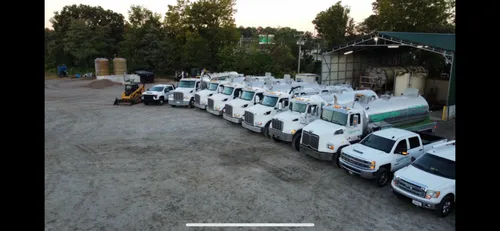
Greenway Waste Solutions
5600 Lakeview Rd, Charlotte, NC 28269
Greenway Waste Solutions is a family-owned company based in Charlotte, NC, specializing in grease trap pumping, septic tank cleaning, and drain cleaning services for restaurants and food service establishments. They operate a state-of-the-art processing facility where grease and food waste are separated and converted into compost, supporting sustainability efforts. The company has over 20 years of industry experience and is certified to haul grease and septic waste in North and South Carolina. Greenway offers 24/7 customer support and serves Charlotte and surrounding areas including Belmont, Concord, and Rock Hill.
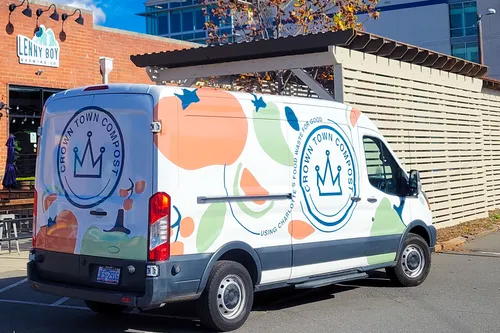
Crown Town Compost
Charlotte, NC
Crown Town Compost provides food waste composting services for homes and businesses in Charlotte, NC. They offer convenient bin pick-up and drop-off options to help clients divert compostable waste from landfills. The company processes food scraps into nutrient-rich compost, which is then shared with members to support soil health and sustainable gardening. Crown Town Compost serves a variety of clients including restaurants, coffee shops, offices, and residential customers, making composting easy and clean.
Navigating Commercial Organics Collection in Kannapolis
The cornerstone of a restaurant's food waste strategy is partnering with a reliable hauler. In the Kannapolis area, national providers like Republic Services and Waste Pro are active, along with potential regional or local specialists. The first step is to contact these companies directly to request quotes and service details. When evaluating providers, it's crucial to discuss your specific waste volume, available space for containers, and desired pickup frequency. A clear understanding of their service area and contract terms will help you find the best fit for your business's size and needs.
Setting Up Your Kitchen's System
Before your first pickup, you'll need to establish an internal process. This typically involves:
- Designating Collection Points: Placing clearly labeled bins in key areas like food prep stations, dishwashing areas, and behind the counter.
- Training Staff: Ensuring every team member knows what materials go into the compost stream versus trash, recycling, or grease collection. Consistent training is vital to prevent contamination.
- Choosing Liners: Using only hauler-approved compostable bag liners. A critical rule: no plastic bags are allowed in the compost stream, as they ruin the batch at the processing facility.
Understanding Acceptable Materials & Contamination
Contamination is the primary reason compost loads are rejected. Each hauler has specific guidelines, but common acceptable materials include:
- Fruit and vegetable scraps
- Coffee grounds and filters
- Eggshells and nutshells
- Bread, grains, and pasta
- Paper towels and napkins (if unused with chemicals)
- BPI-certified compostable serviceware (plates, cups, utensils) - must be verified with your hauler.
Items that must be excluded to avoid costly contamination fees include:
- Plastic of any kind (bags, wrappers, packaging)
- Liquids and grease (these belong in your grease trap/interceptor program)
- Glass, metal, or Styrofoam
- "Biodegradable" or "degradable" plastics, which are not the same as compostable
- Meat, bones, and dairy (some haulers accept these; many do not-always confirm) 1.
Container Types and Logistics
Private haulers offer various container options to suit different space and volume requirements:
- 64-Gallon to 96-Gallon Wheeled Carts: Ideal for smaller cafes or restaurants with limited space, often serviced with a weekly pickup.
- 2-Yard to 8-Yard Dumpsters: Better for high-volume establishments, allowing for less frequent pickups or accommodating large amounts of waste. Your choice will impact both the monthly cost and the operational flow on your property. Ensure delivery and pickup access is clear for the hauler's trucks.
Find the perfect composting & food waste companies for your needs
Get personalized recommendations and expert advice
The Financial and Operational Picture
Investing in organics recycling involves a new line item in your operational budget, but it can be managed strategically.
Cost Considerations for Your Business
Pricing is not standardized and varies based on several factors:
- Container Size: A 64-gallon cart costs less per month than a 4-yard dumpster.
- Pickup Frequency: Weekly service is standard, but a very busy restaurant may need twice-weekly pickups, increasing the cost.
- Hauler and Location: Rates differ between providers. As a general estimate, a small to mid-sized restaurant might expect monthly fees starting in the range of $100 to $300 for a basic cart and weekly service 2. For establishments requiring larger dumpsters or more frequent service, costs can rise to $300 to $600 or more per month 2. It's advisable to get multiple quotes to understand the market rate in Kannapolis.
Potential for Cost Savings
While adding a service incurs a fee, it can lead to savings elsewhere:
- Reduced Trash Volume: Diverting heavy, wet food waste can significantly reduce the volume of your standard trash. You may be able to downsize your garbage dumpster or reduce the frequency of trash pickups, offsetting some of the cost of the new compost service.
- Grant and Pilot Programs: Periodically, county or state initiatives may offer grants or subsidized pilot programs to encourage commercial composting. It's worth inquiring with haulers or checking Cabarrus County's environmental programs for any active opportunities.
Beyond Collection: Grease Trap and Cooking Oil Management
A comprehensive food waste strategy also addresses fats, oils, and grease (FOG). These materials cannot go into the compost stream and require separate, specialized handling.
- Grease Trap/Interceptor Pumping: Regular cleaning by a licensed service is essential to prevent sewer blockages and comply with local regulations. This is a separate, necessary service for any kitchen.
- Used Cooking Oil (UCO) Collection: Many providers will collect UCO for free or even pay for it, as it is recycled into biodiesel or other products. This turns a waste product into a potential minor revenue stream or a cost-neutral service.
Building a Sustainable Brand in Kannapolis
Implementing a food waste diversion program does more than just manage trash. It demonstrates a commitment to the local environment and community sustainability goals. Promoting your efforts through signage or your marketing can resonate with customers who value eco-conscious businesses. It's a tangible step that contributes to Kannapolis's broader environmental health while potentially streamlining your own operations and costs.
Frequently asked questions
Sources
Footnotes
-
How to dispose of or recycle Beer bottle - https://mcrwma.org/201/Merced-Recycles-App#!rc-cpage=372030 ↩
-
How to dispose of or recycle Mattress - Kannapolis, NC - https://www.kannapolisnc.gov/Government-Departments/Garbage-Recycling-Yard-Waste/Recycling#!rc-cpage=241747 ↩ ↩2