Find the Best Composting & Food Waste Companies for Your Business
No obligation • Fast responses • Nationwide coverage

Why you can trust Restaurant Waste Disposal
Restaurant Waste Disposal is a leading U.S. resource for comparing restaurant composting, food-waste recycling, grease trap cleaning, and used cooking oil collection services. Our editorial team researches providers, checks credentials, and organizes unbiased information so operators can make informed decisions. Companies cannot pay to change ratings or placement.
Search providers near you
Top Composting & Food Waste Companies in Gastonia, North Carolina Ranked
For restaurant owners and food service managers in Gastonia, managing organic waste is a growing operational and environmental consideration. While municipal services focus primarily on residential recycling and trash, the responsibility for commercial food scrap diversion falls to private waste and recycling companies. Navigating the options for organics recycling, understanding local guidelines, and implementing an effective program can help your business reduce its environmental footprint and potentially lower waste disposal costs. This guide outlines the current landscape for food waste management in Gastonia, detailing available services, key considerations, and steps to establish a successful organics diversion program.
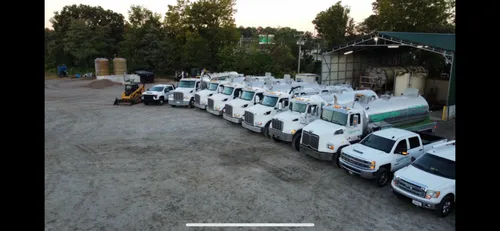
Greenway Waste Solutions
5600 Lakeview Rd, Charlotte, NC 28269
Greenway Waste Solutions is a family-owned company based in Charlotte, NC, specializing in grease trap pumping, septic tank cleaning, and drain cleaning services for restaurants and food service establishments. They operate a state-of-the-art processing facility where grease and food waste are separated and converted into compost, supporting sustainability efforts. The company has over 20 years of industry experience and is certified to haul grease and septic waste in North and South Carolina. Greenway offers 24/7 customer support and serves Charlotte and surrounding areas including Belmont, Concord, and Rock Hill.
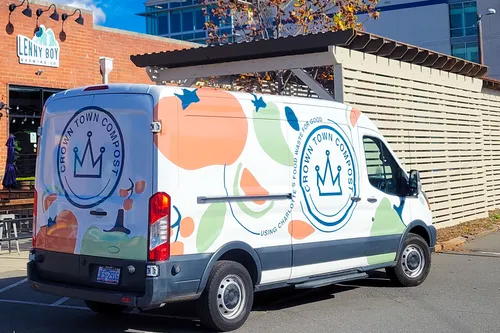
Crown Town Compost
Charlotte, NC
Crown Town Compost provides food waste composting services for homes and businesses in Charlotte, NC. They offer convenient bin pick-up and drop-off options to help clients divert compostable waste from landfills. The company processes food scraps into nutrient-rich compost, which is then shared with members to support soil health and sustainable gardening. Crown Town Compost serves a variety of clients including restaurants, coffee shops, offices, and residential customers, making composting easy and clean.
Understanding Gastonia's Organic Waste Landscape
North Carolina does not currently have a statewide mandate requiring businesses to recycle food scraps, making participation a voluntary but strategic choice for Gastonia restaurants1. The City of Gastonia's public waste services are geared toward residents, with drop-off centers for recyclables like paper, plastic, and glass at locations such as 3175 Duke St and 410 E. Long St2. However, these municipal facilities do not explicitly list food waste composting as a service for either residents or commercial entities2. Consequently, restaurants seeking to divert food scraps from the landfill must engage with private haulers who offer specialized organic waste collection programs.
This private-sector approach provides flexibility but requires due diligence. Services, container types, pickup schedules, and costs are determined by individual contracts between your business and the service provider. The primary drivers for adopting a food waste recycling program often include corporate sustainability goals, customer expectations, and the potential for cost savings, as tipping fees for organic material can be lower than those for general landfill trash.
Key Service Providers for Restaurants
The commercial food waste recycling market in Gastonia is served by national waste management firms and potentially regional or local haulers. The two most prominent providers are:
- Waste Management: Offers comprehensive waste diversion services, including organics recycling programs tailored for food service businesses. They typically provide dedicated containers and scheduled pickups.
- Republic Services: Another major provider with resources to support commercial food scrap collection, often featuring programs designed to meet the specific volume and frequency needs of restaurants.
It is crucial to contact these providers directly for service availability, detailed program structures, and pricing, as offerings can change. When evaluating quotes, be sure to compare not just the monthly fee, but also the cost-per-ton or per-pickup charge, as this will impact your overall waste management budget.
Program Components and Operational Requirements
Implementing a food scrap diversion program involves more than just adding another bin. Successful participation requires understanding and adhering to specific operational protocols set by your hauler.
Containers and Collection: Haulers typically supply sealed, durable containers to control odors and pests. For a standard restaurant, this often starts with 64-gallon wheeled carts. High-volume establishments may require larger dumpsters dedicated to organics. Pickup frequency is negotiated based on your generation rate, ranging from once to five times per week.
Strict Contamination Controls: This is the most critical rule for participation. Contaminated loads can be rejected, resulting in extra fees. Key prohibitions include:
- Plastic Bags: Standard plastic bags are almost never allowed. Some haulers may accept certified compostable liner bags, but you must confirm this.
- Liquids: Grease, oils, and beverages should not be poured into organics bins.
- Non-Organics: No glass, metal, Styrofoam, or conventional plastic utensils.
- Paper Products: Only paper items certified as compostable (like certain napkins or food trays) are usually accepted. Regular food-soiled cardboard or paper may not be allowed.
Cost Structure: Pricing is highly variable and requires a direct quote. Generally, you can expect a base service fee plus a charge based on the weight or volume of material collected. While the service fee for organics collection may be higher than for trash alone, the overall cost can be offset by reducing the volume and frequency of your landfill-bound trash service and benefiting from lower tipping fees for organic material3.
Find the perfect composting & food waste companies for your needs
Get personalized recommendations and expert advice
Steps to Launch Your Restaurant's Program
- Conduct a Waste Audit: Briefly assess your kitchen and prep areas to estimate the daily volume of food scraps (pre-consumer) and plate waste (post-consumer). This data is invaluable when speaking with haulers.
- Contact Haulers for Quotes: Reach out to providers like Waste Management and Republic Services. Discuss your estimated volume, desired pickup schedule, and request clear guidelines on acceptable materials.
- Select a Service and Plan Logistics: Choose the provider that best fits your operational and financial needs. Work with them to determine the optimal placement for collection containers-both in the kitchen (smaller collection pails) and outside (the main hauler container).
- Train Your Staff Thoroughly: Comprehensive training for every team member is essential to prevent contamination. Use clear signage (with pictures) above indoor collection bins listing what is and is not acceptable. Make this training part of the onboarding process for new hires.
- Monitor and Adjust: Regularly check the contents of your organics bin for contamination. Provide feedback to your staff and adjust training as needed. Over time, you may also find opportunities to reduce food waste at the source through better inventory management and portion control.
Benefits Beyond Compliance
While not mandated, investing in organics recycling offers tangible benefits. It demonstrates a commitment to environmental stewardship, which can strengthen your brand reputation with a growing segment of eco-conscious consumers. Diverting food waste also contributes to the circular economy, as the compost created from your scraps is used to enrich soil in agriculture and landscaping. Furthermore, by analyzing your food waste stream, you may uncover opportunities to improve kitchen efficiency and reduce food costs.
Frequently asked questions
Sources
Footnotes
-
Composting | US EPA - https://www.epa.gov/sustainable-management-food/composting ↩
-
Garbage & Recycling - City of Gastonia - https://www.gastonianc.gov/garbage-recycling-customer-service.html ↩ ↩2
-
What Happens to Your Recycling - NC DEQ - https://www.deq.nc.gov/recyclingloop ↩