
Find the Best Composting & Food Waste Companies for Your Business
No obligation • Fast responses • Nationwide coverage

Why you can trust Restaurant Waste Disposal
Restaurant Waste Disposal is a leading U.S. resource for comparing restaurant composting, food-waste recycling, grease trap cleaning, and used cooking oil collection services. Our editorial team researches providers, checks credentials, and organizes unbiased information so operators can make informed decisions. Companies cannot pay to change ratings or placement.
Search providers near you
Top Composting & Food Waste Companies in Durham, North Carolina Ranked
For Durham restaurants and food service businesses, managing organic waste is a critical operational and environmental consideration. While the city is actively exploring municipal solutions through pilot programs, the current landscape for commercial food scrap recycling is primarily served by private hauling services. These providers offer tailored solutions to divert food waste from landfills, turning it into valuable compost. Understanding the available options, from city drop-off points to full-service private collection, is the first step toward implementing a sustainable and compliant food waste management strategy.
The City of Durham's municipal efforts are focused on expanding access for residents and city employees, with pilot programs for curbside collection and designated drop-off locations 1. For businesses, however, these public programs are not yet designed to handle the volume and frequency required by a commercial kitchen 2. This means restaurants must look to specialized private providers to establish a reliable stream for their food scraps, spoiled inventory, and compostable packaging. Partnering with these services not only supports local sustainability goals but can also streamline back-of-house operations and potentially reduce waste hauling costs over time.
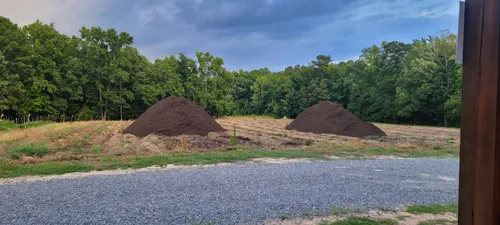
Understanding Durham's Food Waste Landscape
Durham has set ambitious goals to reduce landfill waste, and diverting organic material is a key component of that strategy. The city's initiatives are evolving, with a notable pilot program that aims to test and expand curbside food scrap collection. This demonstrates a committed municipal direction, but the infrastructure for widespread commercial participation is still developing. In the interim, a network of private organics haulers fills this essential service gap, ensuring that businesses of all sizes can participate in food waste recycling today.
The environmental and community benefits are significant. Diverting food scraps from the landfill reduces methane emissions-a potent greenhouse gas-and creates compost, a nutrient-rich soil amendment that can support local agriculture and landscaping. For a restaurant, a well-run food scrap diversion program can also provide tangible marketing benefits, appealing to the growing number of patrons who value sustainable business practices.
Options for Restaurant Food Scrap Diversion
Municipal Pilot & Drop-Off Programs
Currently, the City of Durham's direct services are limited for restaurants. The primary public option is the Food Waste Collection Pilot, which as of late 2024, was serving hundreds of households and select city facilities 3. The city also operates a drop-off location for food scraps at the Waste Disposal & Recycling Center, which is available to all Durham residents and businesses. While a restaurant could technically use this drop-off, the practicality is limited by volume, transportation, and staff time. These municipal resources are best viewed as a sign of the city's future commitment rather than a complete solution for a high-volume commercial generator.
Private Hauling Services
This is the cornerstone of commercial organics recycling in Durham. Several regional and national providers offer dedicated food waste collection services tailored to the needs of restaurants, cafes, grocery stores, and other food businesses.
- Service Providers: Companies like CompostNow and Circular Services are actively serving the Durham market 4 5. It is advisable to contact multiple providers to compare service plans and costs.
- How It Works: After signing up, the hauler will typically provide specialized collection carts (often 64-gallon or 96-gallon wheeled bins) for your kitchen. Staff are trained to separate food scraps and approved compostables into these containers.
- Pickup Schedule: Unlike residential service, commercial pickup frequency is flexible. Providers work with you to establish a schedule-whether weekly, twice-weekly, or more-based on your scrap volume and kitchen space. This ensures bins do not overflow or create odor issues.
- The End Product: The collected organic waste is transported to a commercial composting facility where it is processed into finished compost, closing the loop on the food cycle.
Find the perfect composting & food waste companies for your needs
Get personalized recommendations and expert advice
Key Components of a Successful Program
Implementing a food scrap diversion program requires more than just placing a new bin in the kitchen. Success depends on clear processes and consistent staff participation.
Acceptable Materials & Contamination Control
Strict guidelines are paramount. Contamination (non-compostable items in the compost stream) can result in rejection of the entire load and potential fees from your hauler. The general rule is: When in doubt, leave it out.
- Accepted Items: Typically include fruit and vegetable scraps, meat and bones, dairy products, bread, grains, coffee grounds with filters, tea bags (staples removed), and food-soiled paper like uncoated napkins and pizza boxes.
- Strictly Prohibited Items: All plastics (even if labeled "biodegradable"), glass, metals, styrofoam, liquids (especially cooking oils and grease), and rubber bands. Plastic bags are a major source of contamination; only certified compostable bags should be used if liners are necessary 6.
Container Types and Kitchen Logistics
Choosing the right interior collection bins is as important as the outdoor carts. Use small, lidded bins with clear signage in prep areas and near dish pits. These should be lined with compostable bags or lined with newspaper for easy transfer to the large outdoor cart. The standard outdoor containers provided by haulers are durable, wheeled carts with locking lids to deter pests.
Staff Training and Engagement
A one-time training session is not enough. Incorporate food waste separation into your standard onboarding. Use visual guides posted above bins, and consider appointing a "green captain" on each shift to monitor the streams. Educating your team on the "why"-reducing environmental impact and supporting local soil health-can foster greater buy-in than just presenting it as another procedural rule.
Costs and Considerations for Businesses
Investing in organics recycling involves a monthly service fee. Costs are not fixed and can vary based on several factors:
- Service Frequency: More pickups per week mean higher costs.
- Container Size and Number: A 96-gallon cart will generally cost more to service than a 64-gallon cart. Needing multiple carts will increase the price.
- Volume of Material: Some providers may have pricing tiers based on the weight or volume of scraps collected.
While this is an added line item, many businesses find it aligns with their sustainability values and can be offset by potential reductions in their regular trash volume and disposal costs. The positive public relations and customer appeal associated with a genuine composting program also contribute to the overall value.
The Future of Organics in Durham
The city's active pilot programs signal a move toward a more integrated, city-supported system 7 8. As these pilots expand and generate data, it is possible that future municipal contracts could include options for commercial entities or that the city will foster more public-private partnerships to increase accessibility and reduce costs. Staying informed about local policy developments is wise for any business planning its long-term sustainability strategy.
Frequently asked questions
Sources
Footnotes
-
Composting - Durham, NC - https://www.durhamnc.gov/935/Composting ↩
-
Waste Disposal & Recycling Center - Food scraps - Durham, NC - https://www.durhamnc.gov/878/Waste-Disposal-Recycling-Center#!rc-cpage=224225 ↩
-
Durham expanding curbside composting program to 500 households - https://www.wral.com/story/durham-expanding-curbside-composting-program-to-500-households/20373333/ ↩
-
Assessing Food Waste Infrastructure In Durham, North Carolina - https://www.biocycle.net/assessing-food-waste-infrastructure-in-durham-north-carolina/ ↩
-
Durham, NC - Circular Services - https://circularservices.com/locations/durham-nc/ ↩
-
Food Waste Collection Pilot | Durham, NC - https://www.durhamnc.gov/4625/Food-Waste-Collection-Pilot ↩
-
With Ambitious Curbside Food Scraps Collection Pilot ... - https://indyweek.com/food-and-drink/with-ambitious-curbside-food-scraps-collection-pilot-durham-looks-to-cut-landfill-waste/ ↩
-
Durham adopts pilot program to boost composting - https://www.northcarolinahealthnews.org/2024/08/16/durham-adopts-pilot-program-to-boost-composting/ ↩