Find the Best Composting & Food Waste Companies for Your Business
No obligation • Fast responses • Nationwide coverage

Why you can trust Restaurant Waste Disposal
Restaurant Waste Disposal is a leading U.S. resource for comparing restaurant composting, food-waste recycling, grease trap cleaning, and used cooking oil collection services. Our editorial team researches providers, checks credentials, and organizes unbiased information so operators can make informed decisions. Companies cannot pay to change ratings or placement.
Search providers near you
Top Composting & Food Waste Companies in Westland, Michigan Ranked
For restaurants and food service businesses in Westland, managing organic waste is a critical operational and environmental consideration. While the city provides a seasonal curbside program focused on residential yard waste, commercial establishments like yours need to navigate a different path for food scrap recycling and grease management. Successfully diverting organic material from landfills requires partnering with private haulers who offer tailored services for commercial volumes and contamination standards. Understanding the available options, from food waste collection to used cooking oil recycling, can help your business reduce its environmental footprint and potentially lower waste disposal costs.
The landscape for organic waste recycling is shaped by both local practices and broader state initiatives aimed at reducing landfill contributions. For a restaurant owner, this means evaluating your waste stream, contacting specialized service providers, and implementing clear internal procedures to ensure compliance and maximize the benefits of an organics diversion program.
Midtown Composting
4272 Alter Rd, Detroit, MI 48215
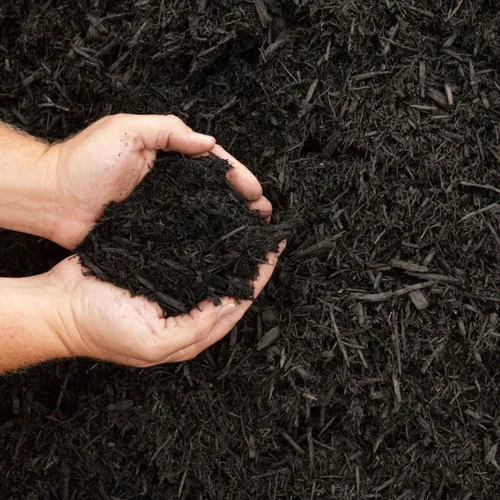
Midtown Composting provides food waste and composting services for restaurants in Detroit, MI. They offer weekly pickup of food scraps, including pet waste and meat, helping businesses reduce trash and compost organic materials. The company also provides lawn care and snow removal services.
Spurt Industries
2041 Charms Rd, Wixom, MI 48393
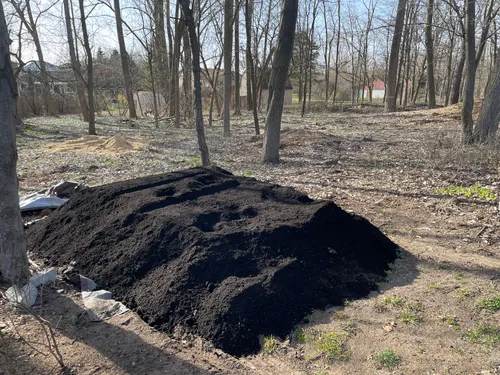
Spurt Industries is a composting and organic waste recycling company based in Novi, MI. They specialize in food waste collection for restaurants and commercial clients, as well as yard waste, brush, and clean wood recycling. Spurt produces STA certified compost and custom soil blends, serving both residential and commercial customers. Their facilities in Wixom and Rochester Hills handle large volumes of organic waste annually, contributing to sustainable soil products and environmental efforts. The company has a history of supporting local green industries and offers delivery services for compost and soil products.
Spurt SOCRRA Compost
1741 School Rd, Rochester Hills, MI 48307
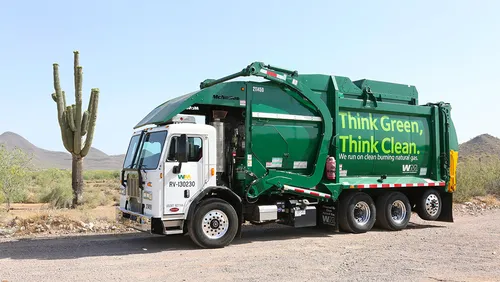
Spurt SOCRRA Compost is a composting and organic waste recycling company located in Troy, MI. They provide commercial food waste collection services with carts and dumpsters for large waste generators, as well as yard waste, brush, and wood debris disposal. The company produces STA certified compost and custom soil blends, serving both residential and commercial clients. Spurt operates EGLE registered facilities and is the only producer of STA certified compost in Macomb, Wayne, and Oakland counties. They handle large-scale projects with deliveries ranging from small to over 1,000 yards of soil and compost products.
Understanding Westland's Municipal Composting Framework
The City of Westland operates a well-defined seasonal program for its residents, which provides a useful reference point for local waste management expectations. This curbside yard waste collection runs from late March through mid-December, with pickup occurring on your regular trash day using a separate truck 1. Residents must follow specific rules: branches must be under four feet in length and three inches in diameter, tied in bundles, and all material must be placed in compostable bags or garbage cans-plastic bags are strictly prohibited 1 2. The program accepts grass clippings, leaves, and garden waste, with a limit of ten bundles or five cans per pickup 2.
This municipal system highlights the local infrastructure and commitment to diverting yard waste. However, it is explicitly designed for residential use and does not cover the complex needs of commercial food waste, which includes prep scraps, spoiled inventory, and post-consumer plate waste. For restaurants, this type of organic material requires a different handling protocol and partnership.
Commercial Food Waste & Organics Recycling Services
For restaurants, cafes, and other food service businesses in Westland, organic waste recycling is primarily handled through private waste and recycling companies. These providers offer customized programs to manage food scraps and other compostable materials.
Key Service Components:
- Eligibility & Enrollment: Services are available to any commercial business, but you must proactively contract with a hauler. There is no automatic enrollment through the city for commercial organics pickup.
- Primary Providers: Major national haulers like Waste Management and Republic Services, as well as regional or local organics recyclers, typically offer these services. It's advisable to contact multiple providers to compare offerings.
- Container Options: Services often provide durable, lidded containers to control odor and pests. These can range from smaller 64-gallon rolling carts for lower-volume establishments to large dumpster-style bins of 2, 4, or 8 cubic yards for busier restaurants.
- Collection Schedules: Pickup frequency is flexible and based on your generation rate. A small café might need weekly service, while a high-volume restaurant may require pickups several times a week to maintain hygiene and space.
- Contamination Controls: Rules are strict to ensure the quality of the compost end-product. Common prohibitions include plastic bags (unless they are certified compostable liners), glass, metals, plastic packaging, and liquids. Proper staff training is essential to maintain a clean stream.
Find the perfect composting & food waste companies for your needs
Get personalized recommendations and expert advice
Managing Grease Trap and Used Cooking Oil
A comprehensive food waste strategy extends beyond solid scraps to include liquid fats, oils, and grease (FOG). Proper management of these by-products is not only an environmental best practice but also a critical maintenance issue to prevent sewer line blockages.
- Grease Trap Cleaning: Regular pumping and cleaning of your grease interceptor is a non-negotiable part of restaurant operations. Specialized service providers can handle this on a scheduled basis, ensuring compliance with local sewer use ordinances and preventing costly backups or fines.
- Used Cooking Oil (UCO) Collection: Recyclers will provide a secure collection container for your used fryer oil. This material is a valuable feedstock for biodiesel production and animal feed. Collection services are often provided free of charge or may even generate a small rebate, as the recycler profits from refining the commodity.
Integrating these services with your solid food waste program creates a closed-loop system for nearly all organic by-products of your kitchen.
Steps to Implement a Restaurant Organics Program
Starting a composting and food waste recycling program involves a few key steps:
- Conduct a Waste Audit: Briefly assess what and how much organic waste your kitchen produces. This helps in communicating your needs to service providers.
- Research and Contact Haulers: Reach out to local waste management companies. Ask specific questions about their commercial organics programs, including container sizes, pickup schedules, contamination guidelines, and, crucially, pricing structures 3 4.
- Evaluate Costs: Pricing is highly variable, depending on volume, frequency, and hauling distance. You may pay a monthly service fee plus a per-ton tip fee at a composting facility. Always request detailed quotes.
- Train Your Staff: The success of the program hinges on proper sorting. Use clear signage, color-coded bins, and ongoing training to ensure kitchen and front-of-house staff understand what goes into the organics bin versus trash or recycling.
- Promote Your Efforts: Let your customers know you recycle food waste. It's a tangible demonstration of your commitment to sustainability that can enhance your brand reputation.
Benefits Beyond Compliance
Adopting a robust organics recycling program offers multiple advantages:
- Environmental Impact: Diverting food waste from landfills reduces methane emissions, a potent greenhouse gas, and creates nutrient-rich compost for agriculture.
- Potential Cost Savings: While there is a cost for hauling organics, you may reduce the size or frequency of your trash dumpster service, potentially offsetting new expenses. Recycling used cooking oil can also provide a minor revenue stream.
- Operational Efficiency: The process of auditing your waste stream can reveal opportunities for source reduction, such as adjusting purchasing or improving inventory management to lessen spoilage.
- Community Leadership: Positioning your restaurant as an environmentally responsible business aligns with growing consumer preferences and contributes to Westland's broader sustainability goals.
Frequently asked questions
Sources
Footnotes
-
Composting | Westland, MI - https://www.cityofwestland.com/297/Composting ↩ ↩2
-
FAQs • Sanitation / Recycling / Composting / Bulk Pickup - https://www.cityofwestland.com/faq.aspx?TID=23 ↩ ↩2
-
FAQs • How do I get rid of yard waste? - Kent County - https://www.kentcountymi.gov/FAQ.aspx?QID=273 ↩
-
Statewide Mandatory Organic Waste Collection - CalRecycle - CA.gov - https://calrecycle.ca.gov/organics/slcp/collection/ ↩