Find the Best Composting & Food Waste Companies for Your Business
No obligation • Fast responses • Nationwide coverage

Why you can trust Restaurant Waste Disposal
Restaurant Waste Disposal is a leading U.S. resource for comparing restaurant composting, food-waste recycling, grease trap cleaning, and used cooking oil collection services. Our editorial team researches providers, checks credentials, and organizes unbiased information so operators can make informed decisions. Companies cannot pay to change ratings or placement.
Search providers near you
Top Composting & Food Waste Companies in Novi, Michigan Ranked
For restaurants and food service businesses in Novi, managing organic waste is a critical operational and environmental consideration. While the city offers a seasonal residential compost collection program, commercial food scrap recycling requires a more tailored approach, typically arranged directly with licensed waste haulers. Implementing a robust organics diversion program can help businesses reduce landfill waste, potentially lower disposal costs, and contribute to the city's broader sustainability goals. This guide outlines the pathways and key considerations for establishing commercial food waste composting services in Novi.
Midtown Composting
4272 Alter Rd, Detroit, MI 48215
Midtown Composting provides food waste and composting services for restaurants in Detroit, MI. They offer weekly pickup of food scraps, including pet waste and meat, helping businesses reduce trash and compost organic materials. The company also provides lawn care and snow removal services.
Spurt Industries
2041 Charms Rd, Wixom, MI 48393
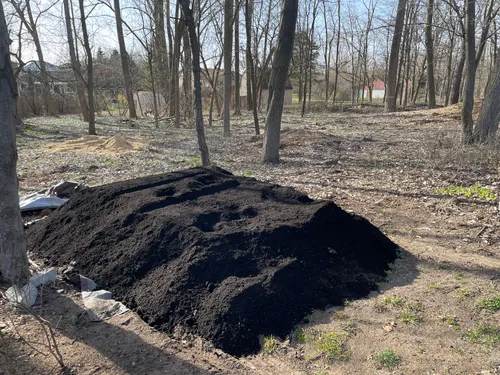
Spurt Industries is a composting and organic waste recycling company based in Novi, MI. They specialize in food waste collection for restaurants and commercial clients, as well as yard waste, brush, and clean wood recycling. Spurt produces STA certified compost and custom soil blends, serving both residential and commercial customers. Their facilities in Wixom and Rochester Hills handle large volumes of organic waste annually, contributing to sustainable soil products and environmental efforts. The company has a history of supporting local green industries and offers delivery services for compost and soil products.
Spurt SOCRRA Compost
1741 School Rd, Rochester Hills, MI 48307
Spurt SOCRRA Compost is a composting and organic waste recycling company located in Troy, MI. They provide commercial food waste collection services with carts and dumpsters for large waste generators, as well as yard waste, brush, and wood debris disposal. The company produces STA certified compost and custom soil blends, serving both residential and commercial clients. Spurt operates EGLE registered facilities and is the only producer of STA certified compost in Macomb, Wayne, and Oakland counties. They handle large-scale projects with deliveries ranging from small to over 1,000 yards of soil and compost products.
Understanding Commercial Food Waste Recycling in Novi
Unlike the standardized residential program, commercial organics collection for restaurants is a customized service. There is no single city-wide provider; instead, businesses must contract directly with private waste haulers authorized to operate in the area. The two primary providers servicing Novi are GFL Environmental and Priority Waste. These companies can design a program based on your establishment's specific volume, space constraints, and pickup frequency needs.
The process begins with a direct consultation. You'll need to contact these haulers to discuss your business's food waste output, which determines the container size (such as 64-gallon or 96-gallon totes or even dumpsters) and collection schedule (often weekly or multiple times per week). They will provide a quote for the monthly service fee, which is generally based on these variables. Taking this proactive step is essential, as commercial programs are not automatically enrolled and require a dedicated service agreement.
Key Components of a Restaurant Composting Program
Successfully diverting food scraps from the landfill hinges on proper setup and staff training. Here are the core elements to consider:
- Container Strategy: A multi-bin system is standard. This includes small, lidded collection pails for kitchen prep areas and larger, designated carts or dumpsters for outdoor storage. Haulers will supply the exterior containers as part of your service contract.
- Staff Training and Signage: Clear, simple guidelines are vital. Staff must understand what materials are accepted and the importance of avoiding contamination. Labeling all collection bins with easy-to-read signs helps ensure compliance.
- Accepted Materials: Typically, commercial programs accept most food scraps, including fruit and vegetable trimmings, meat, bones, dairy products, bread, coffee grounds, and soiled paper products like napkins. However, you must always confirm the specific list with your hauler.
- Strict Contamination Controls: This is the most critical rule. Plastic bags, glass, metal, Styrofoam, and liquids are strictly prohibited in the compost stream. Contamination can lead to an entire load being rejected, resulting in potential fees and undermining environmental efforts. Only compostable bags certified for industrial facilities should be used if bags are necessary.
Benefits of Diverting Food Scraps for Businesses
Implementing an organics recycling program offers several advantages beyond regulatory compliance. First, it can lead to cost savings. By separating heavy, wet food waste from the general trash, you may reduce the volume of garbage needing disposal, potentially allowing for less frequent trash pickups or smaller trash dumpsters. Many businesses find that the cost of compost service is offset by a reduction in their standard trash hauling fees.
Second, it significantly reduces your environmental footprint. Food waste in landfills decomposes anaerobically, producing methane, a potent greenhouse gas. Diverting this material to a composting facility transforms it into a valuable soil amendment, closing the nutrient loop. Furthermore, it demonstrates a public commitment to sustainability, which can enhance your brand's reputation and appeal to environmentally conscious customers and employees.
Find the perfect composting & food waste companies for your needs
Get personalized recommendations and expert advice
Navigating Local Guidelines and Contamination Rules
Adherence to hauler and facility guidelines is non-negotiable for a successful program. The residential program rules provide a good baseline for understanding local standards: acceptable materials include food scraps and yard waste, while plastic bags and non-compostable items are prohibited1 2. Commercial rules will be similar but often more stringent due to the larger volumes involved.
Always use the containers provided by your hauler, as these are designed for efficient collection and processing. If your business generates large quantities of used cooking oil or requires grease trap cleaning, these are separate, specialized services that should be arranged with providers who handle those specific waste streams3. Keeping these materials out of both the compost and trash streams is crucial for proper management.
Getting Started: Steps for Novi Restaurants
- Conduct a Waste Audit: Spend a week observing your trash output. How much is organic material? This will help you communicate your needs accurately to service providers.
- Contact Service Providers: Reach out to GFL Environmental and Priority Waste directly to request quotes for commercial food waste collection4 5. Be prepared to discuss your estimated weekly volume and current trash service details.
- Evaluate Quotes and Services: Compare the proposals based on cost, container options, pickup schedules, and the hauler's experience with food service businesses.
- Implement Internally: Once you select a hauler, order the appropriate indoor collection bins, create educational signage, and train your staff thoroughly before the service start date.
- Monitor and Adjust: Check the outdoor containers for contamination regularly, especially in the first few weeks. Provide feedback to your staff and adjust your internal systems as needed to ensure a clean, efficient stream.
By taking these steps, Novi restaurants can effectively manage their organic waste, turning a disposal challenge into an operational and environmental asset.
Frequently asked questions
Sources
Footnotes
-
How to dispose of or recycle Food Scraps - City of Novi - https://cityofnovi.org/trash/#!rc-cpage=101455 ↩
-
Refuse Collection Guidelines - City of Novi - https://cityofnovi.org/media/hhacmmon/refusecollectionguidelinesupdatedbymc.pdf ↩
-
Garbage, Recycling and Hazardous Waste - The Charter Township of Commerce - https://www.commercetwp.com/community/garbage-recycling-and-hazardous-waste/ ↩
-
Novi, MI - Priority Waste - https://www.prioritywaste.com/municipality/novi-mi/ ↩
-
Residential Organic Waste Collection Services - GFL Environmental - https://gflenv.com/our-services/for-home/residential-solid-waste/organics-compost/ ↩