Find the Best Composting & Food Waste Companies for Your Business
No obligation • Fast responses • Nationwide coverage

Why you can trust Restaurant Waste Disposal
Restaurant Waste Disposal is a leading U.S. resource for comparing restaurant composting, food-waste recycling, grease trap cleaning, and used cooking oil collection services. Our editorial team researches providers, checks credentials, and organizes unbiased information so operators can make informed decisions. Companies cannot pay to change ratings or placement.
Search providers near you
Top Composting & Food Waste Companies in West Bloomfield, Michigan Ranked
For restaurants and food service businesses in West Bloomfield, managing organic waste responsibly is both an environmental priority and a practical business consideration. While the township provides seasonal yard waste composting for residents, commercial establishments must navigate a different path, contracting directly with private waste haulers for dedicated organics recycling services. This landscape is shaped by Michigan's statewide ban on yard waste in landfills, which has spurred infrastructure and interest in diverting food scraps and other compostable materials. Successfully implementing a food waste diversion program requires understanding local service options, container logistics, and strict contamination rules to ensure your organic material becomes a resource, not a liability.
Understanding the distinction between residential and commercial services is the first critical step. West Bloomfield Township contracts with Priority Waste for municipal solid waste and seasonal yard waste collection for its residents1 2. This program, which runs from April to December, is designed for household-generated yard debris like leaves, grass, and brush1 3. For restaurants, this service does not apply. Commercial food waste collection is a separate, privately contracted service that businesses must arrange independently with licensed haulers4. This means your establishment is responsible for sourcing its own provider for organics recycling, negotiating container types, pickup schedules, and associated costs.
Midtown Composting
4272 Alter Rd, Detroit, MI 48215
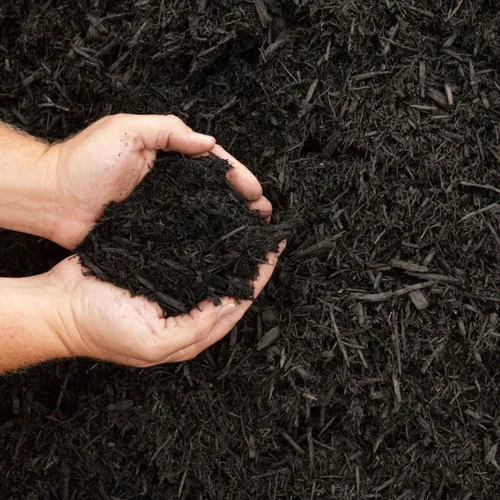
Midtown Composting provides food waste and composting services for restaurants in Detroit, MI. They offer weekly pickup of food scraps, including pet waste and meat, helping businesses reduce trash and compost organic materials. The company also provides lawn care and snow removal services.
Spurt Industries
2041 Charms Rd, Wixom, MI 48393
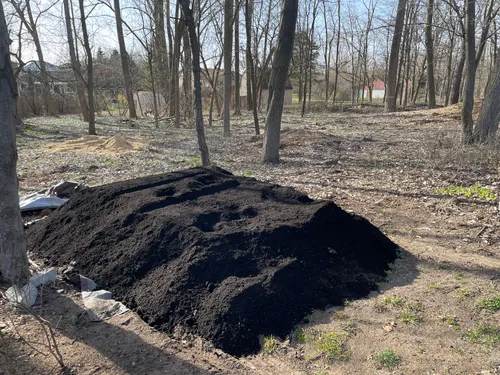
Spurt Industries is a composting and organic waste recycling company based in Novi, MI. They specialize in food waste collection for restaurants and commercial clients, as well as yard waste, brush, and clean wood recycling. Spurt produces STA certified compost and custom soil blends, serving both residential and commercial customers. Their facilities in Wixom and Rochester Hills handle large volumes of organic waste annually, contributing to sustainable soil products and environmental efforts. The company has a history of supporting local green industries and offers delivery services for compost and soil products.
Spurt SOCRRA Compost
1741 School Rd, Rochester Hills, MI 48307
Spurt SOCRRA Compost is a composting and organic waste recycling company located in Troy, MI. They provide commercial food waste collection services with carts and dumpsters for large waste generators, as well as yard waste, brush, and wood debris disposal. The company produces STA certified compost and custom soil blends, serving both residential and commercial clients. Spurt operates EGLE registered facilities and is the only producer of STA certified compost in Macomb, Wayne, and Oakland counties. They handle large-scale projects with deliveries ranging from small to over 1,000 yards of soil and compost products.
Navigating Commercial Organics Services
The process begins by identifying and contacting commercial waste service providers that offer food waste or organics recycling. Major national and regional haulers like Priority Waste, Waste Management, and Republic Services typically provide these services in the area, but availability and program specifics can vary5 6. When reaching out for quotes, you'll need to discuss several key components:
- Service Type: Clearly request "commercial food waste recycling," "organics collection," or "compost service." This is distinct from standard trash or single-stream recycling.
- Container Options: Haulers offer various containers based on your volume, from 20- to 96-gallon wheeled carts for lower-volume generators to larger dumpsters or roll-off containers for high-output kitchens.
- Collection Schedule: Frequency is tailored to your needs-daily, weekly, or more-to prevent odor and pest issues and is based on the volume of organic waste you produce.
- Contamination Rules: This is paramount. Strict guidelines prohibit plastics, glass, metals, and liquids in the compost stream. Using certified compostable bin liners is often required, as traditional plastic bags are a major contaminant7.
The Importance of Contamination Control
A successful organics program hinges on keeping the compost stream clean. Contamination with non-compostable materials can lead to entire loads being rejected, resulting in potential fee increases for your business and undermining the environmental goal. Training your staff is essential. Key practices include:
- Placing clearly labeled collection bins in strategic locations, such as prep areas and dish pits.
- Using only haulers-approved, certified compostable bags or liners.
- Ensuring that only accepted materials-typically food scraps, soiled paper products (like uncoated napkins), and approved compostable serviceware-go into the organics bin.
- Keeping all plastics, rubber bands, foil, and glass out of the collection container.
Benefits and Local Resources
Diverting food waste from the landfill offers multiple benefits. It can reduce your overall waste disposal costs, especially if you downsize your regular trash service. It also demonstrates a commitment to sustainability that resonates with customers and the community. On a broader scale, it supports Michigan's waste diversion goals and contributes to creating nutrient-rich compost for local agriculture and landscaping.
For guidance and potential regional partnerships, restaurants can look beyond individual haulers. State and local non-profit organizations provide valuable resources. The Michigan Department of Environment, Great Lakes, and Energy (EGLE) offers information on waste reduction. Furthermore, groups like Make Food Not Waste, based in nearby Southfield, work on systemic solutions and have published blueprints for achieving zero food waste in communities, which can offer strategic insights for business operators8.
Find the perfect composting & food waste companies for your needs
Get personalized recommendations and expert advice
Implementing Your Program: A Step-by-Step Approach
- Conduct a Waste Audit: Assess how much food waste your kitchen produces over a typical week. This data is crucial for determining the size and frequency of service you'll need.
- Research and Contact Providers: Reach out to at least three commercial waste haulers operating in West Bloomfield. Ask for detailed quotes on organics recycling services, including all fees, container provisioning, and pickup schedules.
- Plan Internal Logistics: Decide where collection bins will be placed (both in the back and front of house) and how you will train your team. Order any necessary indoor collection pails and compostable liners.
- Launch and Train: Roll out the program with clear signage and comprehensive staff training. Emphasize the "why" behind the effort to encourage buy-in.
- Monitor and Adjust: Check your organics bins periodically for contamination and gather feedback from staff. Be prepared to adjust bin placement or training methods to improve participation and purity.
Understanding Costs and Contracts
Pricing for commercial food waste recycling is not standardized and varies based on several factors: the volume of waste, the frequency of collection, the type and size of container used, and your hauler's specific rate structure. You can typically expect a monthly service fee. It's important to get detailed, written quotes that outline all potential charges, including fees for contaminated loads or extra pickups. Comparing these quotes will help you find a service that fits both your operational needs and your budget.
Frequently asked questions
Sources
Footnotes
-
Solid Waste and Recycling West Bloomfield Township - https://www.wbtownship.org/government/building,_planning___development_services/environmental/solid_waste_recycling.php ↩ ↩2
-
West Bloomfield Township, MI - Priority Waste - https://www.prioritywaste.com/municipality/west-bloomfield-township-mi/ ↩
-
Chapter 13 Solid Waste Management - https://cms4files1.revize.com/westbloomfieldtwp/document_center/chapter13_solidwaste_2014.pdf ↩
-
Chapter 13 - SOLID WASTE MANAGEMENT - https://cms4files1.revize.com/westbloomfieldtwp/document_center/PDS%20Dept/Ordinances/Chapter%2013%20Solid%20Waste%20Management%20-%2009-20-93.pdf ↩
-
Solid Waste & Recycling - Welcome to West Bloomfield Township - https://www.wbtownship.org/residents/solid_waste_recycling.php ↩
-
Better Bottle Bill - Michigan Environmental Council - https://environmentalcouncil.org/better-bottle-bill/ ↩
-
Restaurant Waste Management: Set Up Your Plan for Food Waste in Restaurants - https://www.getknowapp.com/blog/restaurant-waste-management/ ↩
-
Blueprint Zero Food Waste Southfield - https://makefoodnotwaste.org/wp-content/uploads/2024/12/2024-12-23-Blueprint.pdf ↩