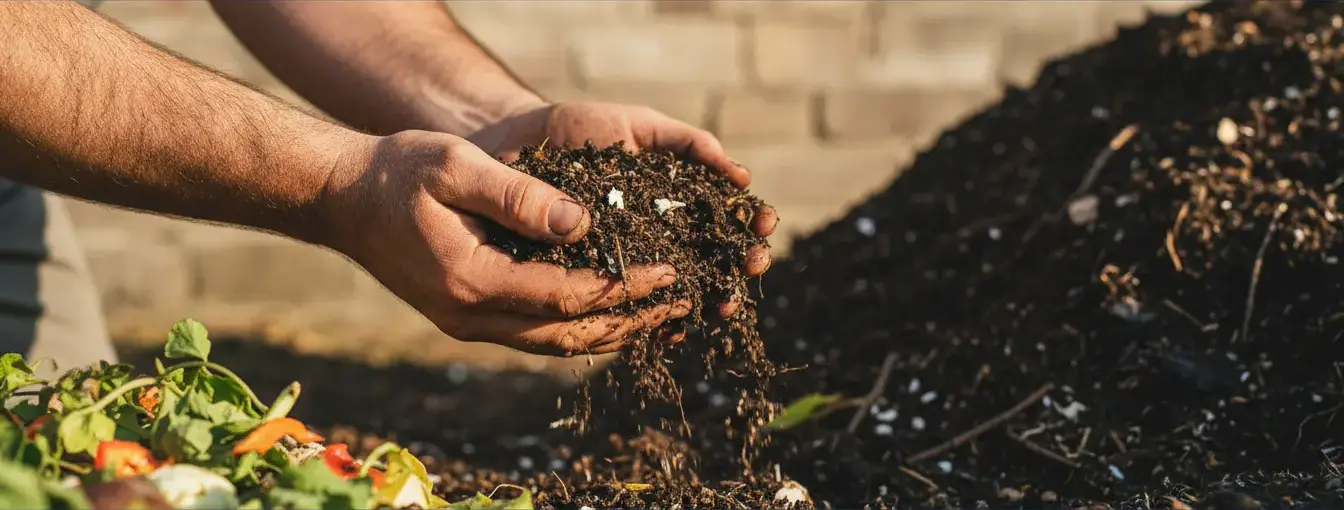
Find the Best Composting & Food Waste Companies for Your Business
No obligation • Fast responses • Nationwide coverage

Why you can trust Restaurant Waste Disposal
Restaurant Waste Disposal is a leading U.S. resource for comparing restaurant composting, food-waste recycling, grease trap cleaning, and used cooking oil collection services. Our editorial team researches providers, checks credentials, and organizes unbiased information so operators can make informed decisions. Companies cannot pay to change ratings or placement.
Search providers near you
Top Composting & Food Waste Companies in Southfield, Michigan Ranked
Southfield is taking a proactive stance on sustainability with a city-wide commitment to reducing landfill waste, particularly through its "Blueprint to Zero Food Waste" initiative. For restaurants, food service businesses, and residents, this means growing opportunities to manage organic waste responsibly. While the city's municipal program is a key resource for households, commercial establishments will typically partner with private haulers to set up tailored organics recycling services. These programs are designed to divert food scraps from the trash, transforming them into valuable compost and supporting a circular economy right here in Oakland County.
Navigating the options for food waste diversion can seem complex, but understanding the separate pathways for residents and businesses is the first step. This guide breaks down the current landscape of organic waste management in Southfield, providing clear information on how to participate, what to expect from service providers, and how your efforts contribute to the city's broader environmental goals.
Midtown Composting
4272 Alter Rd, Detroit, MI 48215
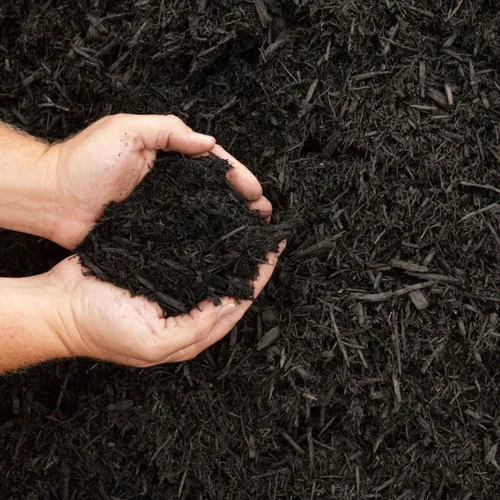
Midtown Composting provides food waste and composting services for restaurants in Detroit, MI. They offer weekly pickup of food scraps, including pet waste and meat, helping businesses reduce trash and compost organic materials. The company also provides lawn care and snow removal services.
Spurt Industries
2041 Charms Rd, Wixom, MI 48393
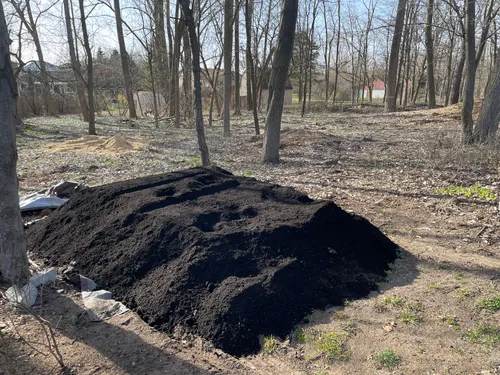
Spurt Industries is a composting and organic waste recycling company based in Novi, MI. They specialize in food waste collection for restaurants and commercial clients, as well as yard waste, brush, and clean wood recycling. Spurt produces STA certified compost and custom soil blends, serving both residential and commercial customers. Their facilities in Wixom and Rochester Hills handle large volumes of organic waste annually, contributing to sustainable soil products and environmental efforts. The company has a history of supporting local green industries and offers delivery services for compost and soil products.
Spurt SOCRRA Compost
1741 School Rd, Rochester Hills, MI 48307
Spurt SOCRRA Compost is a composting and organic waste recycling company located in Troy, MI. They provide commercial food waste collection services with carts and dumpsters for large waste generators, as well as yard waste, brush, and wood debris disposal. The company produces STA certified compost and custom soil blends, serving both residential and commercial clients. Spurt operates EGLE registered facilities and is the only producer of STA certified compost in Macomb, Wayne, and Oakland counties. They handle large-scale projects with deliveries ranging from small to over 1,000 yards of soil and compost products.
Commercial Food Waste Solutions for Southfield Businesses
For restaurants, cafeterias, grocery stores, and any food-generating business in Southfield, managing organic waste is both an environmental responsibility and a practical operational consideration. The city's blueprint encourages commercial participation, but the actual collection services are handled by private waste management companies. This means businesses have the flexibility to choose a provider that fits their specific volume, schedule, and budget needs.
Finding a Service Provider Companies like mygreenmichigan and other regional haulers offer commercial organics collection. The process typically begins with a consultation or quote request where you detail your establishment's size, type of food waste generated, and current waste removal schedule. It's advisable to contact your existing trash hauler first, as many now offer food waste recycling as an add-on service, which can streamline billing and logistics.
Service Setup and Logistics Once you contract with a hauler, they will determine the appropriate container type and size for your location. Most commercial services provide durable, wheeled carts with tight-sealing lids, often in the 32 to 64-gallon range, to contain odors and pests. Your hauler will also establish a pickup frequency-anywhere from one to three times per week-based on your estimated volume of food scraps. Adhering to their specific guidelines on container placement and access is crucial for consistent service.
Cost Considerations for Businesses Pricing for commercial food waste collection is not standardized and varies by provider. Costs are generally influenced by the bin size, the frequency of pickup, and your location within Southfield 1. Often, this fee can be bundled with your existing trash and recycling services. While there is an added cost, many businesses find value in demonstrating their sustainability commitment to customers and potentially reducing their general trash volume.
The City of Southfield's Residential Program
For Southfield residents, the city is actively building a municipal organics recycling program as part of its "Blueprint to Zero Food Waste". This program is designed to make it convenient for households to separate food scraps from their regular trash, contributing to community-wide waste diversion goals.
How to Participate Residents interested in composting can look to the city for resources and guidance. The program may involve signing up to receive specific collection bins. Typically, participants receive a small countertop or under-sink kitchen pail for daily collection and a larger outdoor cart for storage until pickup day. Using certified compostable bags or liners in these containers is often recommended to keep them clean and simplify the transfer of scraps.
Collection Schedules and Guidelines Residential food waste collection is usually aligned with the city's existing weekly trash and recycling schedule. It's essential to follow the city's guidelines closely to prevent contamination. The focus is on accepting food scraps and yard waste while prohibiting materials like plastic bags (unless they are certified compostable), liquids, and non-food items. Staying informed through the City of Southfield's official Food Waste Elimination page is the best way to get current details on schedules, accepted materials, and any program expansions.
Find the perfect composting & food waste companies for your needs
Get personalized recommendations and expert advice
What Can and Cannot Be Composted?
Following correct guidelines is the cornerstone of any successful composting program, whether at a restaurant or at home. Contamination with non-compostable materials can ruin an entire batch of compost and disrupt processing facilities.
Accepted Materials (Typical Guidelines):
- Fruit and Vegetable Scraps: Cores, peels, rinds, and spoiled produce.
- Prepared Foods: Leftovers, bread, pasta, and grains.
- Eggshells and Nut Shells.
- Coffee Grounds and Paper Filters.
- Tea Bags (if they do not contain plastic).
- Yard Waste: Grass clippings, leaves, and small twigs (often in residential programs).
Common Contaminants to Avoid:
- Plastics: Including so-called "biodegradable" bags that are not specifically certified compostable.
- Liquids: Oils, grease, and dairy products.
- Meat, Bones, and Fish Scraps: (Note: Some commercial industrial composters may accept these; always check with your specific hauler).
- Non-Organic Trash: Glass, metal, rubber, and Styrofoam.
- Pet Waste or Cat Litter.
Benefits of Diverting Food Waste in Southfield
Participating in organics recycling extends far beyond simply having less trash. The benefits are environmental, economic, and communal.
Environmental Impact Diverting food waste from landfills is one of the most effective actions to reduce methane emissions, a potent greenhouse gas. When organic matter decomposes anaerobically (without oxygen) in a landfill, it produces methane. Composting processes this material aerobically (with oxygen), significantly cutting these emissions. The resulting compost amends soil, improving water retention and reducing the need for chemical fertilizers.
Economic and Operational Advantages For businesses, separating food waste can sometimes lead to lower costs for general trash removal, as dumpsters fill up more slowly. It also aligns with growing consumer preference for sustainable businesses. For the city, reducing landfill tonnage can lower municipal waste management costs over time.
Building a Sustainable Community Southfield's "Blueprint to Zero Food Waste" represents a community-wide commitment to resource conservation. Every household and business that participates helps move the needle toward this goal, fostering a culture of sustainability and resilience. The compost produced can be used in local parks, community gardens, and landscaping, closing the loop and keeping nutrients within the local ecosystem.
Getting Started: Actionable Steps
For Southfield Restaurants and Businesses:
- Contact Service Providers: Reach out to private haulers like mygreenmichigan or your current waste management company to request a commercial food waste collection quote. Be prepared to discuss your average weekly volume and desired service frequency.
- Train Your Staff: Successful implementation requires buy-in from every team member. Educate kitchen and service staff on what goes in the compost bin versus the trash or recycling.
- Set Up Clear Stations: Place clearly labeled collection bins in key areas like the kitchen prep station and dishwashing area to make sorting intuitive and efficient.
For Southfield Residents:
- Visit the City Website: Go to the City of Southfield's official Food Waste Elimination page for the most up-to-date information on the residential program, including how to sign up or obtain bins 2.
- Start Sorting at Home: Begin by collecting acceptable food scraps in a small container on your countertop. Freeze scraps like meat or fish (if accepted) to control odors if pickup is only once a week.
- Engage Your Neighborhood: Share your experience with neighbors. Community participation increases the program's efficiency and impact.
Frequently asked questions
Sources
Footnotes
-
Composting doesn't have to be messy or complicated, we promise ... - https://www.facebook.com/makefooddetroit/videos/composting-doesnt-have-to-be-messy-or-complicated-we-promise-there-are-so-many-r/1514889842993968/ ↩
-
Food Waste Elimination | City of Southfield - https://www.cityofsouthfield.com/departments/planning-department/sustainable-southfield/food-waste-elimination ↩